Kazakhstan
Almaty, Kazakhstan — Towns & Travel Guide
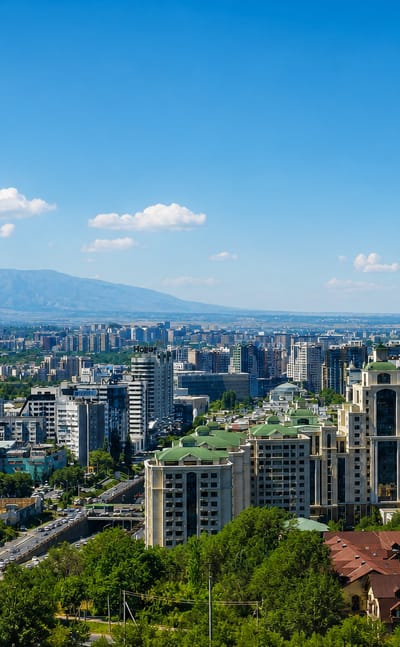
Almaty is the largest city of Kazakhstan, spread beneath the snow-capped Trans-Ili Alatau, the country's cultural heart and former capital.
Hotel links are affiliate links: booking through them may earn us a commission, at no extra cost to you. It never affects how places are ranked. How this works


Towns & cities in Almaty
One town here has its own guide — it links to where to stay.
 Kazakhstan
Almaty
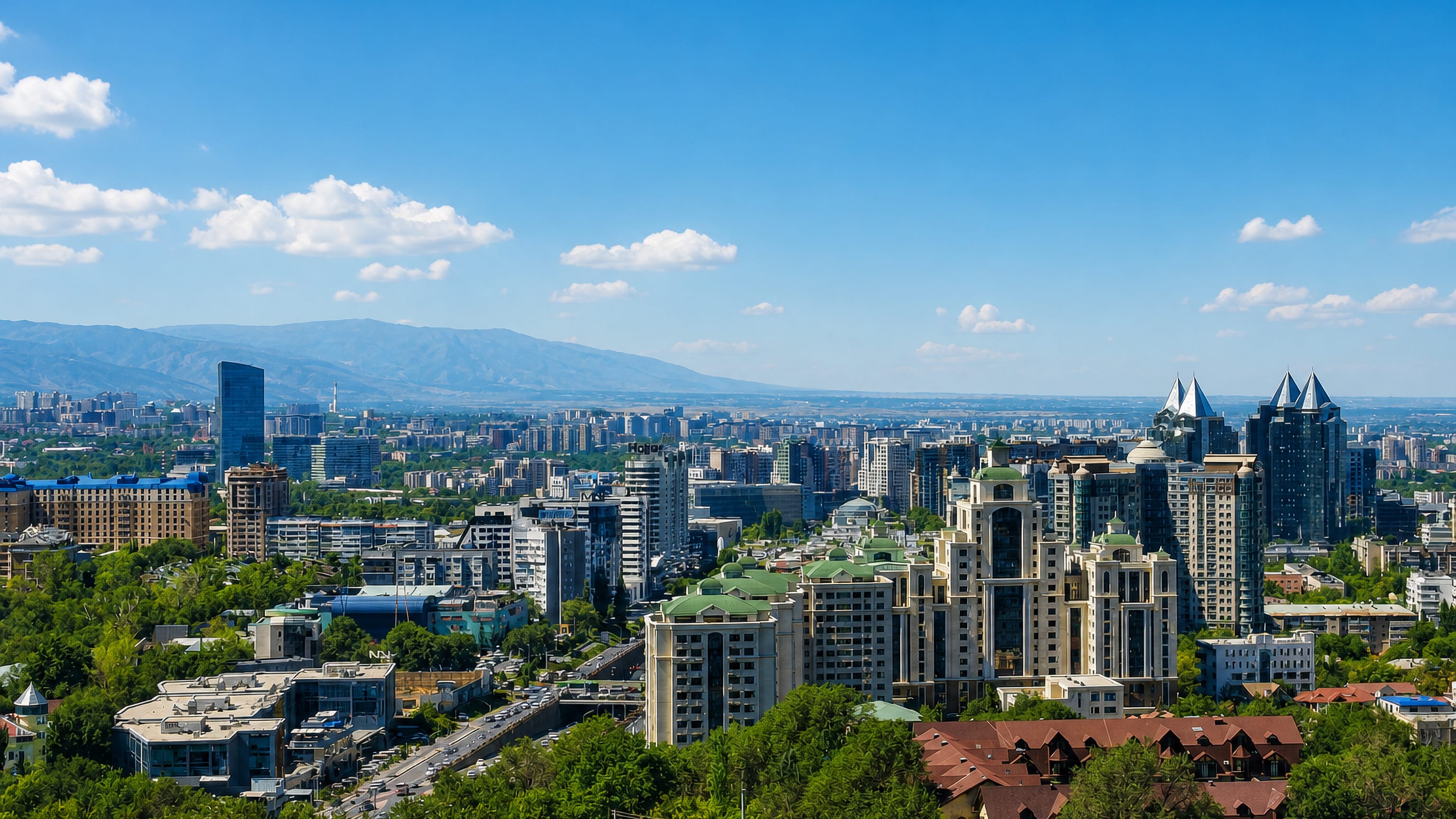
The snow-capped Trans-Ili Alatau rises south of Almaty, the largest city of Kazakhstan, known for the Central State Museum of Kazakhstan.Where to stay →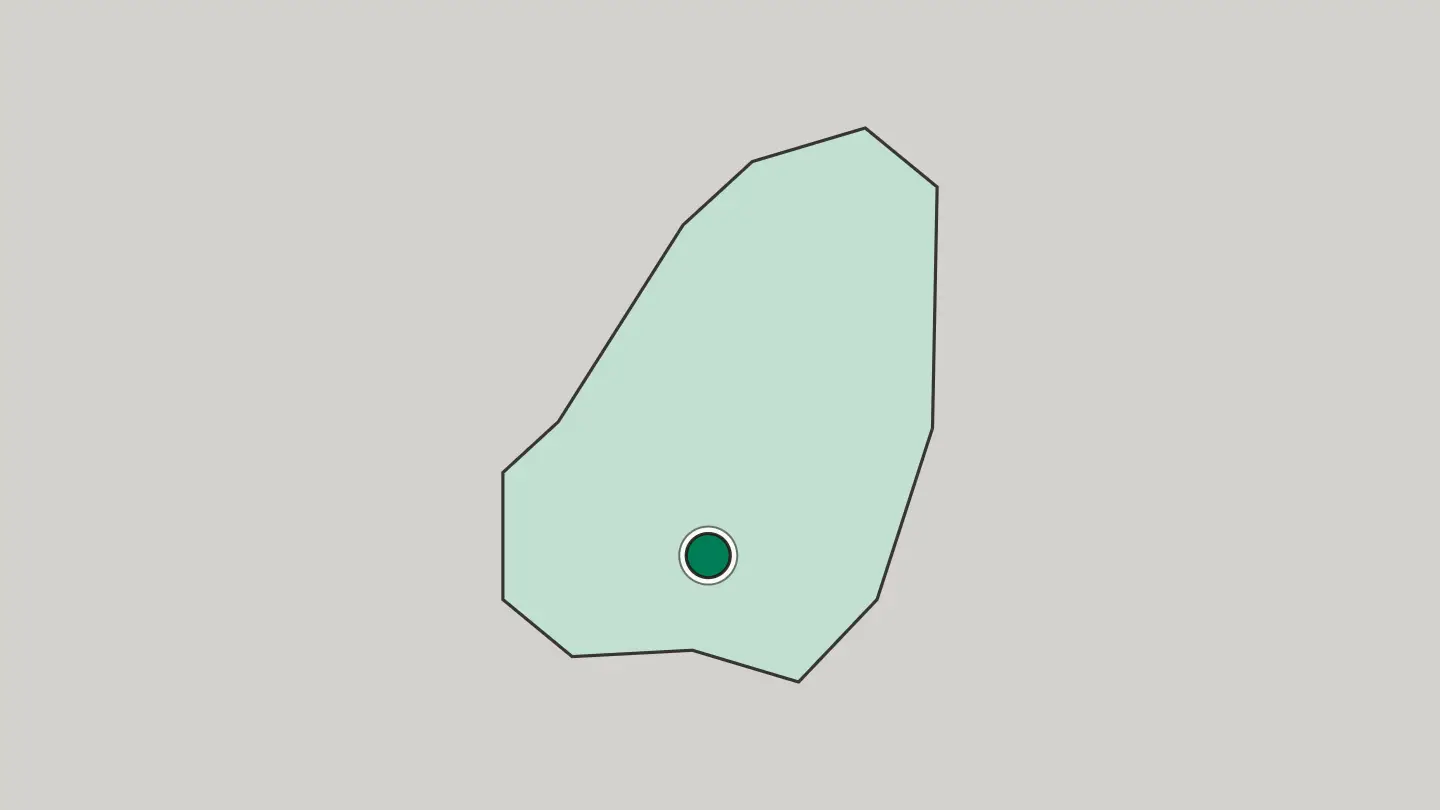
Hotel links are affiliate links: booking through them may earn us a commission, at no extra cost to you. It never affects how places are ranked. How this works
About Almaty
Almaty is a green and easygoing city.
What is Almaty known for?
Tree-lined avenues, parks, and open esplanades run beneath the wall of the snow-capped Trans-Ili Alatau, and upmarket shops, bars, and cafes fill the centre. The mountains set the tone. As the country's cultural heart and its capital until 1997, Almaty gathers the theatres, museums, and universities that give it weight across Central Asia.
Where is Almaty?
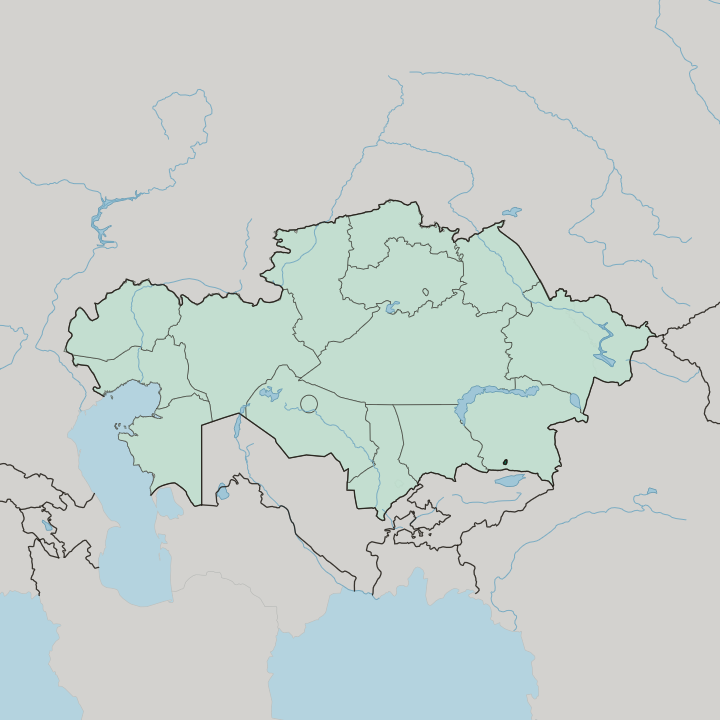
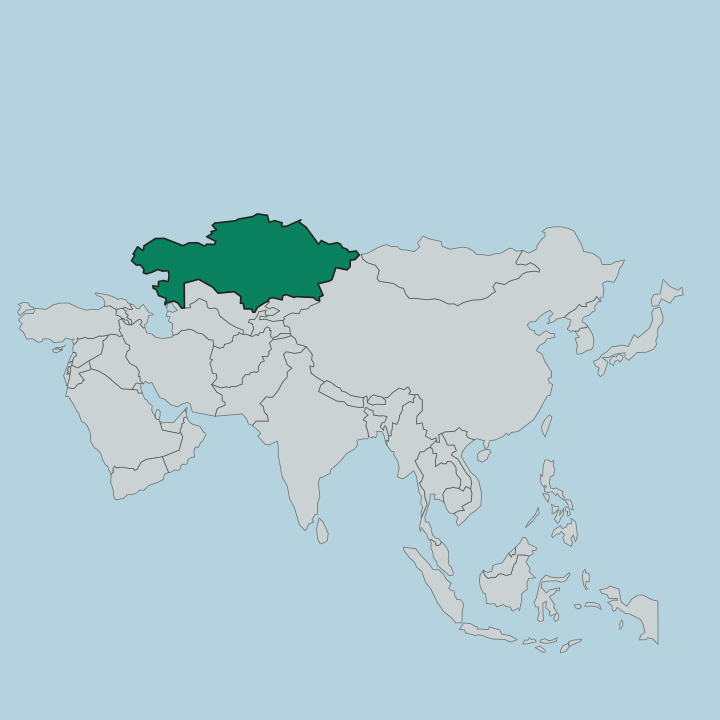
Almaty lies in the far south of Kazakhstan, the country's largest city, spread across the ground where the plains of Central Asia meet the mountains. The snow-capped Trans-Ili Alatau rises sharply to the south, walling the city with a line of high peaks that stay white for much of the year. The mountains dominate every view.
Northward the land falls away into the open steppe that covers most of the country, so the city sits on the seam between range and plain. Water and green define the setting. Streams run down from the Trans-Ili Alatau through the city, feeding the tree-lined streets, parks, and long esplanades that give Almaty its shade.
The slopes climb right to the edge of town. From the higher districts the ground rises toward the passes of the range, while the lower city spreads north across the foothills and out into the plain. Beyond the peaks to the south lie the border ranges of the region, and far across the steppe to the north stands Astana, the capital that replaced Almaty as the seat of government in 1997.
What is Almaty like?
Almaty is the cultural heart of Kazakhstan, the largest city and the place where the country's arts, learning, and money have long gathered. Russian is widely heard in its streets, alongside the languages of Central Asia, a legacy of the decades when Almaty served as the capital of the whole country. City life feels unhurried.
Upmarket shops, bars, and cafes line the tree-shaded avenues, and the parks and esplanades draw crowds out on warm evenings beneath the mountains. The setting shapes the culture as much as the history does. With the Trans-Ili Alatau on the doorstep, weekends turn toward the slopes, and the city keeps a strong outdoor life of walking, skiing, and mountain air.
The peaks are never out of mind. As the former capital, Almaty holds the grand theatres, museums, and institutions built when it led the country, and it kept that cultural weight after the government left for Astana in 1997. From its cafes to its concert halls, the largest city of Kazakhstan carries a settled, leafy calm unusual on the open steppe that fills the rest of the country.
What is the history of Almaty?
Almaty grew into the leading city of Kazakhstan through the twentieth century. It served as the capital for decades. Under Soviet rule it was the seat of the Kazakh republic, and it carried that role into independence as the young country's first capital.
Then the seat of power moved. In 1997 the government left for Astana on the northern steppe, but Almaty kept its place as the largest city and the cultural and economic centre of the land.
What is the climate of Almaty?
Almaty has a continental climate softened by the mountains at its back. Winters bring cold and snow to the city and heavier falls to the Trans-Ili Alatau above it, while summers turn hot and dry down on the plain. The seasons are sharply drawn.
The high slopes hold their snow long after the streets below have cleared.
How do you get to Almaty?
Almaty is the main entry point to the south of Kazakhstan. Most travellers arrive by air, then spread out into the city and up toward the Trans-Ili Alatau. The mountains are close.
Rail lines and roads run north across the steppe toward Astana and the rest of the country, while passes lead south through the ranges toward the borders of Central Asia.
Common questions
What is the best area to stay in Almaty?
Central Almaty: First-time visitors near the parks and cafes. The mountain foothills: Mountain air and skiing.
Good for
More regions in Kazakhstan
Updated October 2026