Nigeria
Ogun State, Nigeria — Towns & Travel Guide
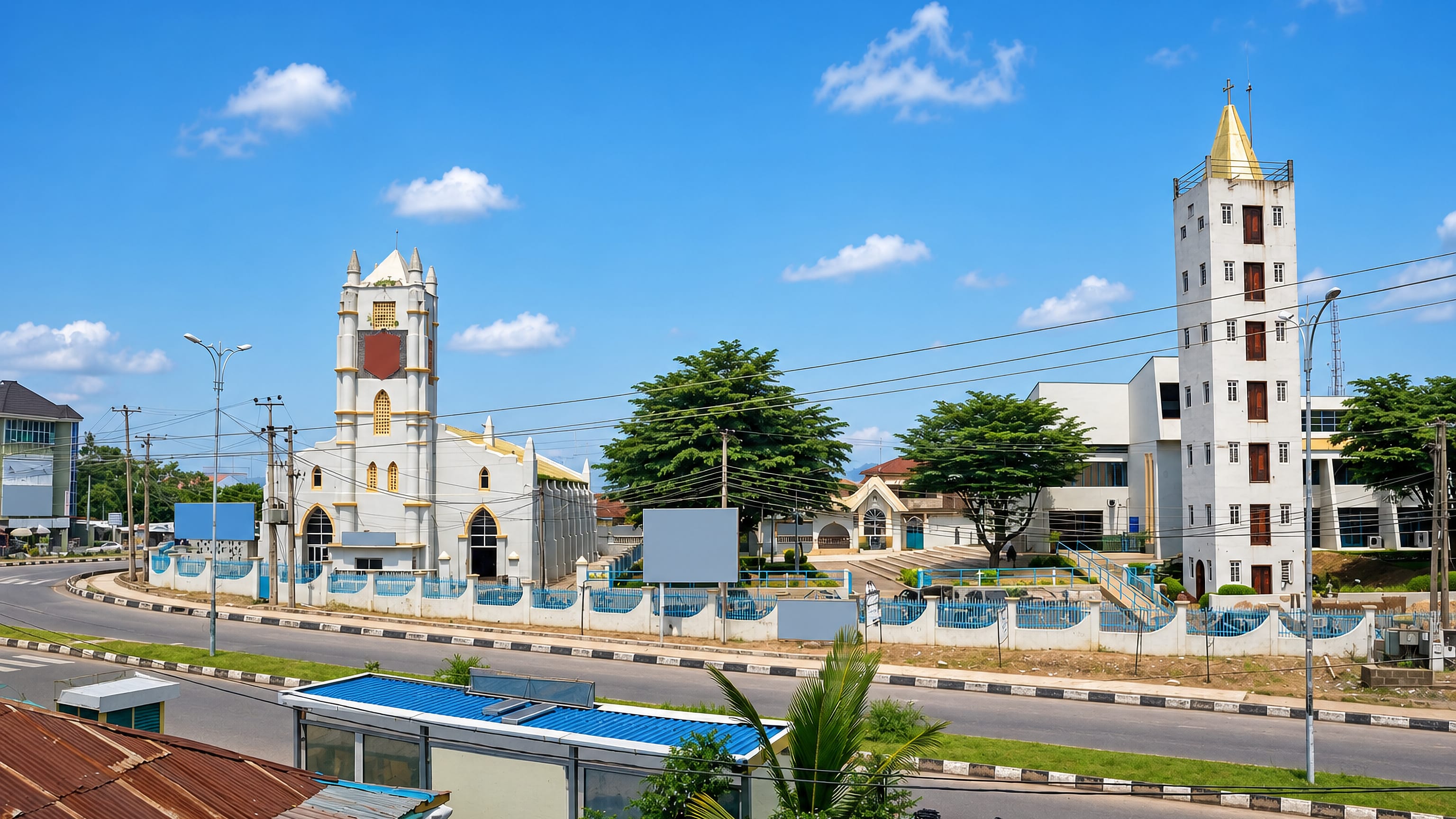
Ogun State is a Yoruba region of south-western Nigeria, named for the Ogun River and ruled from Abeokuta beneath Olumo Rock.
Hotel links are affiliate links: booking through them may earn us a commission, at no extra cost to you. It never affects how places are ranked. How this works


Towns & cities in Ogun State
One town here has its own guide — it links to where to stay.

 Nigeria
Abeokuta
Abeokuta is a Yoruba city of southwestern Nigeria, built among great granite rocks, whose people once sheltered under the famous Olumo Rock.Where to stay →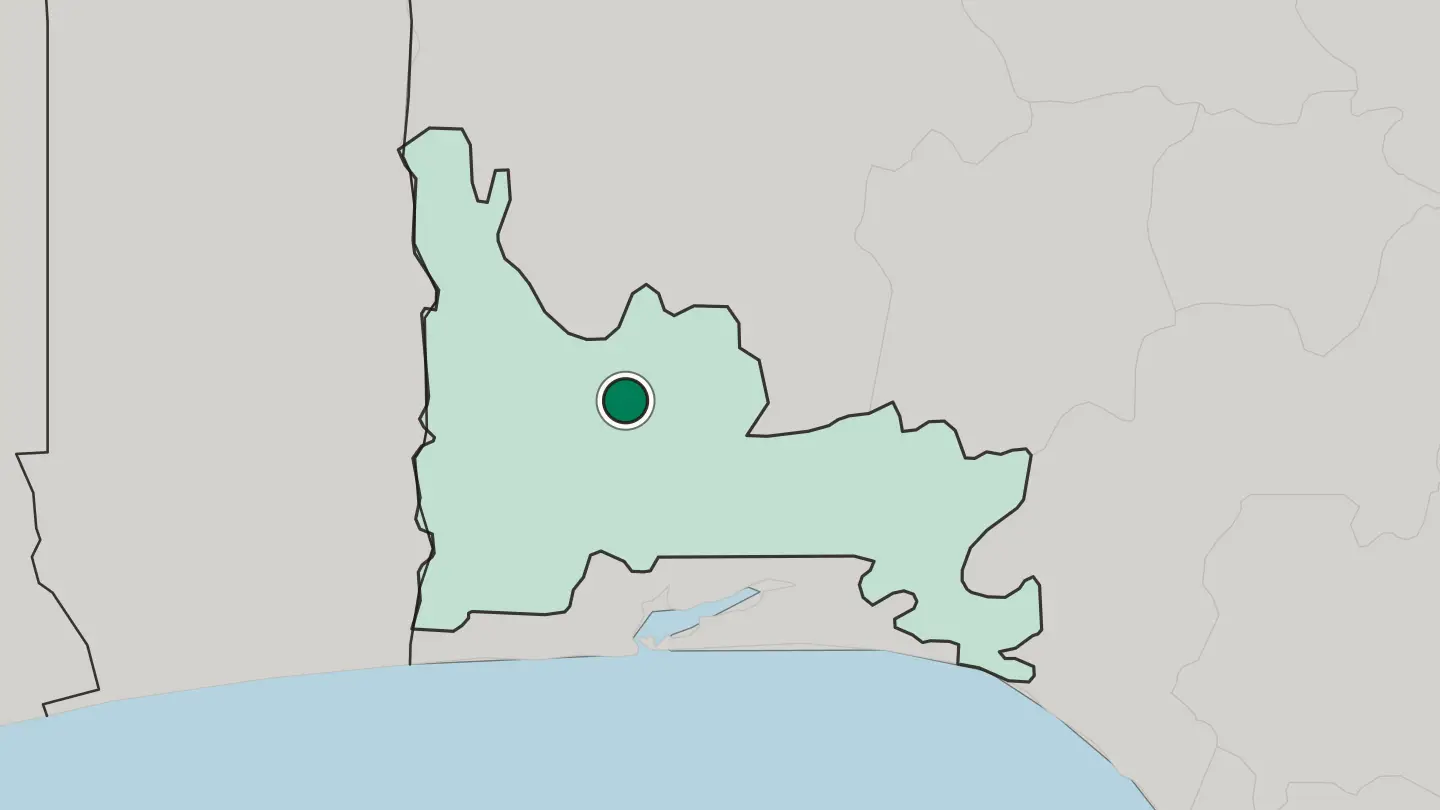
Hotel links are affiliate links: booking through them may earn us a commission, at no extra cost to you. It never affects how places are ranked. How this works
About Ogun State
Ogun State is Yoruba heartland.
What is Ogun State known for?
It carries the name of the Ogun River and the ancient kingdoms strung along it. Abeokuta, the capital, grew up around the granite dome of Olumo Rock, where Egba refugees sheltered in the early 19th century and where indigo-dyed adire cloth is still worked by hand. Ijebu-Ode carries the older Ijebu Kingdom and its glittering Ojude Oba festival, while Sagamu holds the Remo towns and the kola-nut trade of Nigeria's largest kola-producing state.
Where is Ogun State?
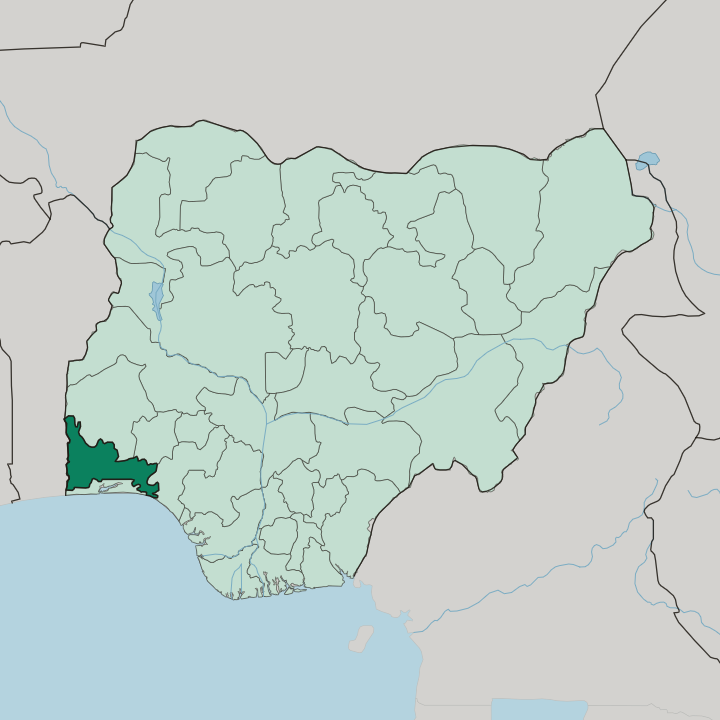
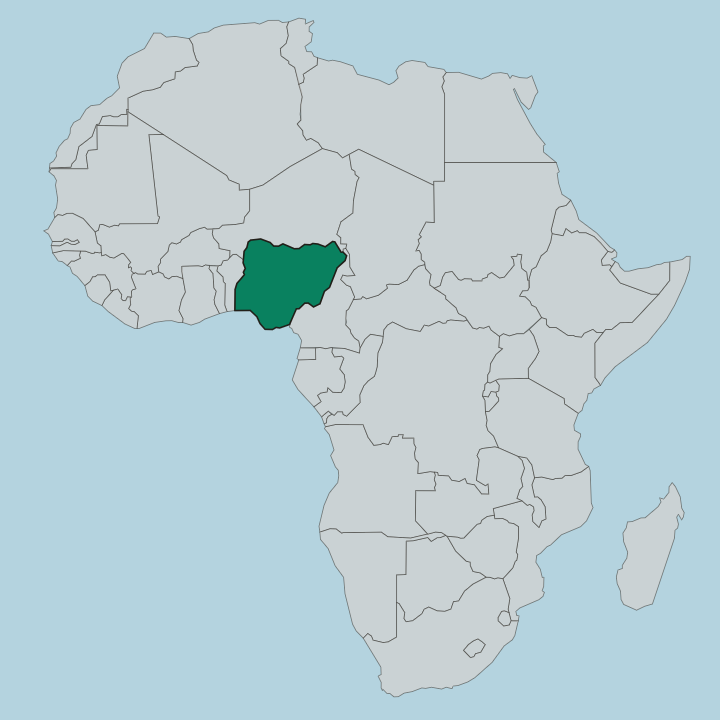
Ogun State sits in the south-western corner of Nigeria, inland from the Atlantic and wrapped around the Ogun River that gives it its name. The river rises up in Oyo State to the north and runs the length of Ogun before spilling into the Lagos Lagoon at the coast. Five neighbours press in on its edges.
Oyo and Osun states lie to the north, Ondo State to the east, Lagos State to the south, and the international boundary with the Republic of Benin closes off the west. Rainforest covers most of the ground. It gives way to wooded savanna in the north-west, drier and more open than the green belt further south.
Abeokuta, the capital, stands on the banks of the Ogun River in the north-central part of the state, gathered around the grey granite of Olumo Rock where the Egba first walled themselves in. Ijebu-Ode and Sagamu lie east and south of it, on the low ground toward Lagos. The land never rises far, and the country is one of river valleys, dye-pits and forest rather than mountains.
What is Ogun State like?
Ogun is thoroughly Yoruba, and its culture divides along the old kingdoms rather than any modern map. The Egba hold Abeokuta, the Ijebu hold Ijebu-Ode, the Remo hold Sagamu, and the Yewa, Awori and Egbado peoples fill in the west. Each keeps its own crown and its own court.
That is the texture of the place. In Abeokuta the craft is adire: indigo-resist cloth dyed in sunken pits and worked by women's guilds for generations. The city grew beneath Olumo Rock, and the rock is still climbed as much for the shrines in its clefts as for the view over the tin roofs below.
Ijebu-Ode has its own great festival. Ojude Oba draws its crowds two days after the Muslim Ileya feast, when the age-grade societies, the regberegbe, parade before the Awujale of Ijebuland in embroidered robes and mounted horsemen wheel across his forecourt. Music, praise-poetry and Yoruba dress run through all of it.
Talking drums answer the singers. Kingship and ceremony weigh as heavily here as the everyday market and farm.
What is the history of Ogun State?
The kingdoms here are far older than the state. Some go back centuries. Ijebu-Ode was the walled seat of the Ijebu kingdom, a trading power between the forest and the coast.
Abeokuta came later: around 1830 the hunter-leader Sodeke gathered Egba refugees from the collapsing Oyo Empire beneath Olumo Rock, and its name, meaning "under the rock", records that flight. The modern state is a creation of 1976, cut from the old Western State and named for the Ogun River that ties its towns together.
What is the climate of Ogun State?
Ogun's year falls into two distinct seasons. A long wet season runs from April to October, and a drier stretch holds from November to March, when the dusty harmattan wind can drift down from the north. Rain is heavy: Abeokuta takes on the order of 1,400 millimetres a year, peaking in June, when the rains swell the Ogun River.
Warm and humid throughout, the south stays greener under rainforest while the wooded savanna of the north-west dries out harder between the rains.
How do you get to Ogun State?
Most travellers arrive through Lagos. Murtala Muhammed International Airport in neighbouring Lagos State is the usual gateway, an hour or so south of Abeokuta by road. From there the Lagos-Ibadan Expressway runs straight through the state, threading Sagamu and Ijebu-Ode, and the Lagos-Ibadan standard-gauge railway now follows the same corridor with stops on Ogun soil.
Common questions
What is the best area to stay in Ogun State?
Abeokuta: a first base in the Egba capital. Ijebu-Ode: the Ojude Oba festival in Ijebuland. Sagamu: a Remo-country stop between Lagos and Ibadan.
More regions in Nigeria
Updated October 2026