Nigeria
Borno State, Nigeria — Towns & Travel Guide
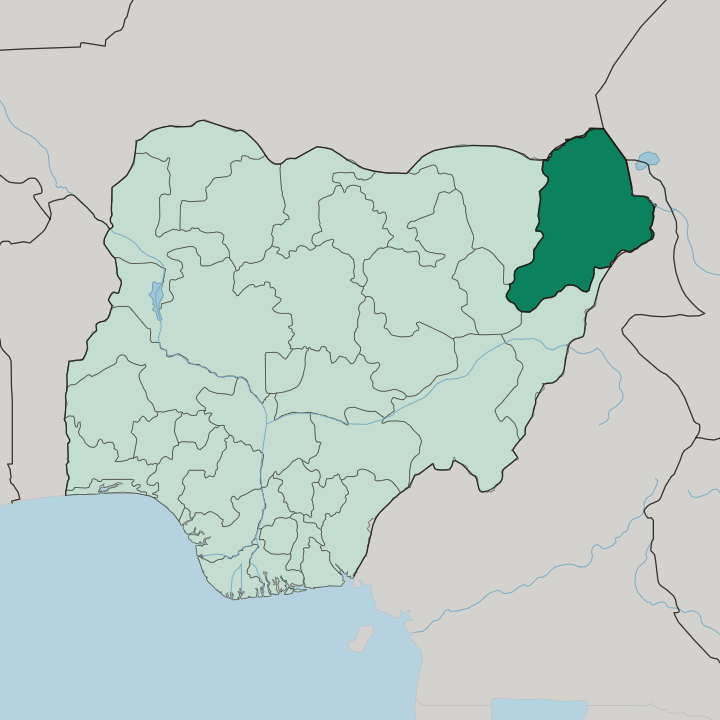
Borno State fills Nigeria's far north-east, wrapping the western shore of Lake Chad where three national borders meet.
Hotel links are affiliate links: booking through them may earn us a commission, at no extra cost to you. It never affects how places are ranked. How this works


Towns & cities in Borno State
One town here has its own guide — it links to where to stay.

 Nigeria
Maiduguri
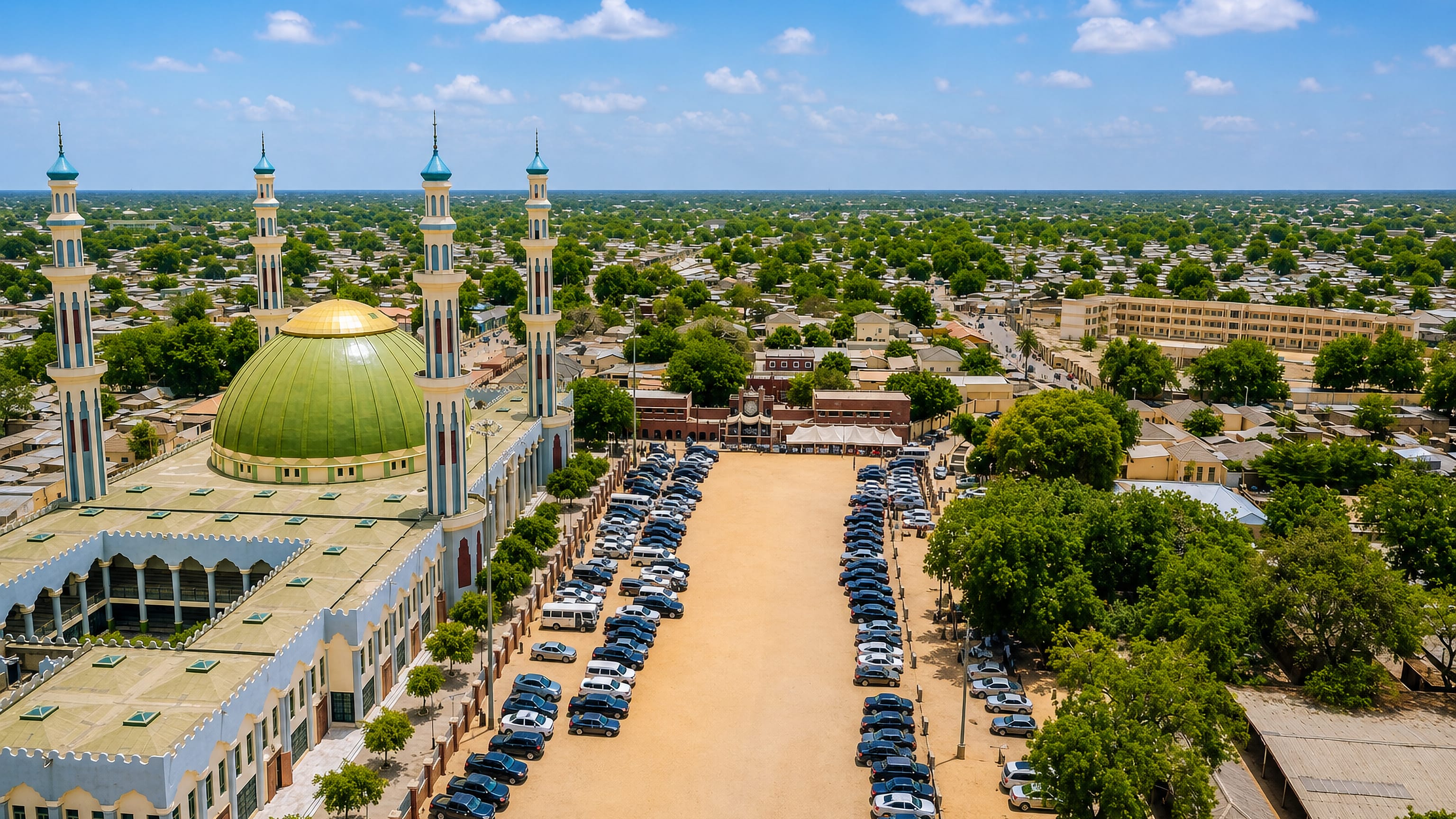
Maiduguri, known locally as Yerwa, is the capital of Borno State, Nigeria, standing on the seasonal Ngadda River near the Firki swamps.Where to stay →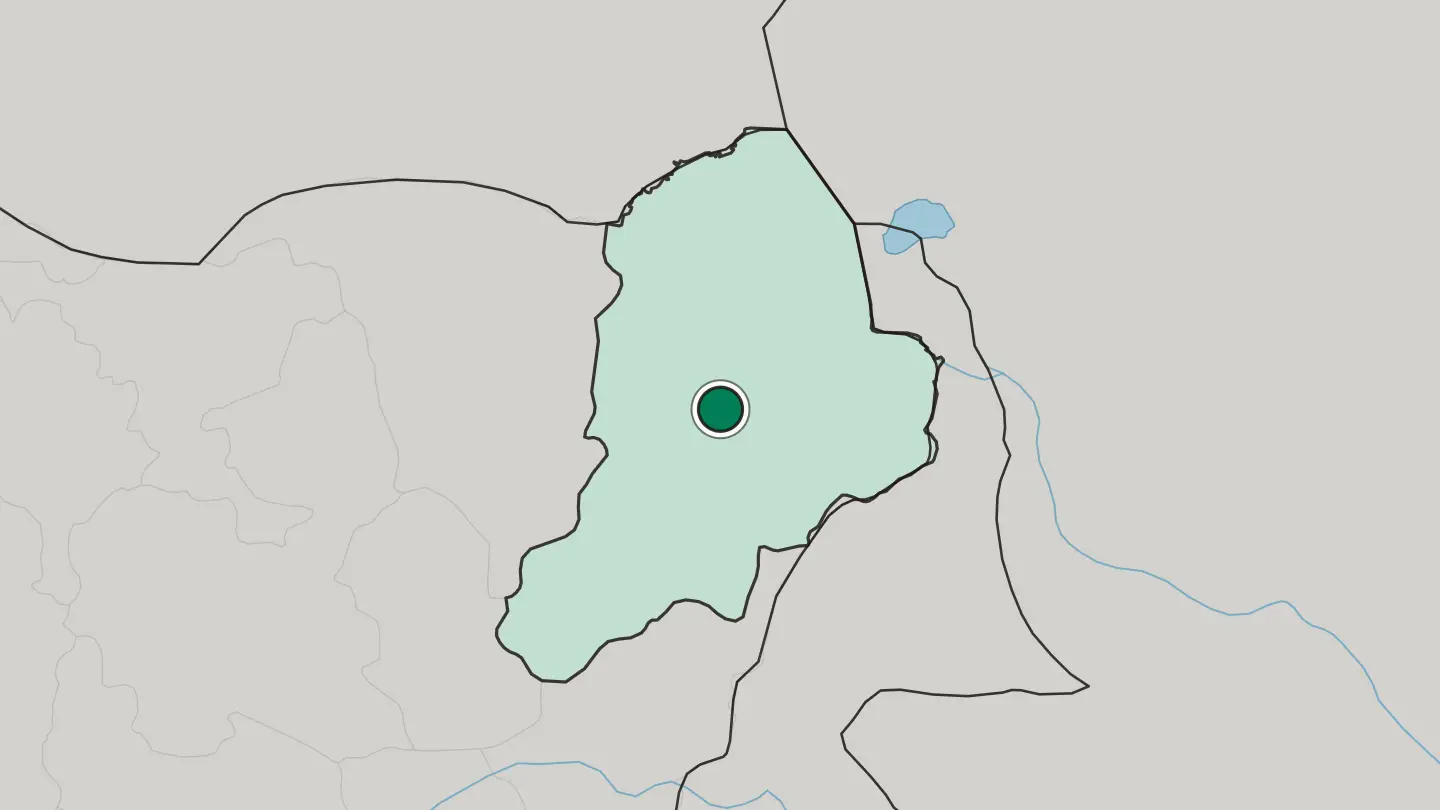
Hotel links are affiliate links: booking through them may earn us a commission, at no extra cost to you. It never affects how places are ranked. How this works
About Borno State
What is Borno State known for?
Borno is the old heartland of the Kanem-Bornu Empire, whose emirs have played a part in its politics for nearly 1,000 years. Maiduguri anchors it. The city serves as the capital, a major regional trade centre, and the seat of the Shehu of Borno, whose emirate traces its line back through centuries of Kanuri rule around Lake Chad.
Beyond the capital the land runs to Sahelian savanna in the north and rising ground in the south, and it touches Niger, Chad, and Cameroon at its edges.
Where is Borno State?
Borno occupies the far north-east corner of Nigeria, the second largest of the country's states by area. It is the only Nigerian state to touch three foreign countries at once. Niger lies along its northern edge, Chad along the north-east, and Cameroon down the east, while Yobe, Gombe, and Adamawa share its inland borders.
Lake Chad presses against the top of the state, and the Komadugu Yobe, the seasonal river also called the Yobe, traces part of the frontier with Niger before draining toward that shrinking lake. The land is not flat throughout. In the north it is semi-desert Sahelian savanna, thorn and sand thinning toward the Sahara.
The centre and south soften into the wetter West Sudanian savanna. Two uplands break the plains: the volcanic Biu Plateau in the south, studded with old cinder cones and crater lakes, and the Mandara Mountains in the south-east, a barrier of granite ridges that carries the border with Cameroon. South-west of Lake Chad lie the firki, the black clay swamps that flood in the rains and crack in the dry.
Maiduguri sits near the middle of it all, where the savanna gives way to open plain.
What is Borno State like?
Borno is Kanuri country before it is anything else. The Kanuri are its predominant people, heirs to the empire that governed the Lake Chad basin for the better part of a thousand years, and their language and courtly traditions still set the tone of the state. Islam arrived early here, carried along the trans-Saharan trade routes, and Borno became a centre of Muslim scholarship while the empire held.
That learning left a mark on how the place carries itself. The Shehu of Borno remains the paramount traditional ruler, and his palace in Maiduguri is the ceremonial heart of the emirate. Kanuri are not the only people, though.
Shuwa Arabs, Marghi, Babur, and others share the state, and along the Chad shore the languages shift with the villages. Maiduguri gathers the mix. Its Monday Market pulls traders, grain, hides, and livestock in from across the basin, a working scene rather than a staged one.
City and countryside stay closely tied, the herders and farmers of the plains feeding the capital that governs them.
What is the history of Borno State?
The story here is the story of Kanem-Bornu. Founded around the Lake Chad basin more than a thousand years ago, the empire moved in the late 1300s to become the Bornu Empire and ruled the wider area for the next 500 years; the Fulani jihad of the early 1800s weakened it, and the Kanemi dynasty took control. The modern state is younger by far.
Borno State was carved out of the former North-Eastern State on the third of February 1976, taking its shape and its name from the old emirate whose seat had settled at Maiduguri in 1907.
What is the climate of Borno State?
Borno runs hot and dry for most of the year. Rain falls in a single short season, roughly June to September, when storms sweep in off the Sahel and briefly fill the seasonal rivers and the firki swamps near Lake Chad. The rest is dry.
From about December to February the harmattan blows down from the Sahara, a dusty wind that hazes the sky and cools the nights, before the fierce heat of March and April sets in over Maiduguri and the plains.
How do you get to Borno State?
Most arrivals come through Maiduguri. Flights link it to Abuja and Lagos, and the trunk roads run west toward Kano and the rest of northern Nigeria. Getting around beyond the capital means driving.
Roads reach south to Biu on its plateau and east toward Gwoza and the Mandara Mountains, though distances are long across the Sahelian plains and the outer districts near the Lake Chad borders are remote.
Common questions
What is the best area to stay in Borno State?
Maiduguri: a first base in Borno. Biu: the southern highlands. Gwoza: the mountain frontier.
Good for
More regions in Nigeria
Updated October 2026