Nigeria
Osun State, Nigeria — Towns & Travel Guide
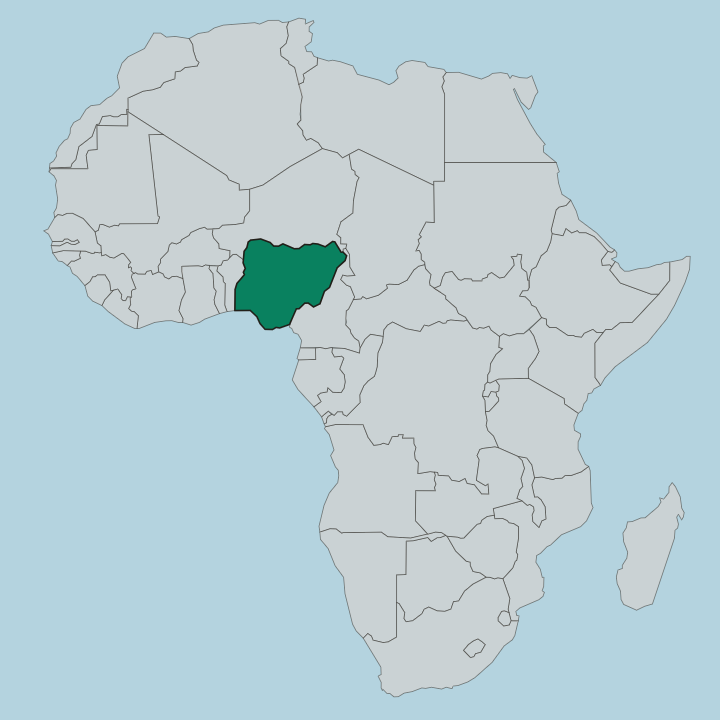
Osun State sits inland in south-western Nigeria, named for the Osun River and cradle of the ancient Yoruba city of Ile-Ife.
Hotel links are affiliate links: booking through them may earn us a commission, at no extra cost to you. It never affects how places are ranked. How this works


Towns & cities in Osun State
Pick a town or city — each links to where to stay.

 Nigeria
Osogbo
Osogbo, the capital of Osun State and a dyeing centre also called Ile Aro, holds the Osun-Osogbo Grove among its shrines.Where to stay →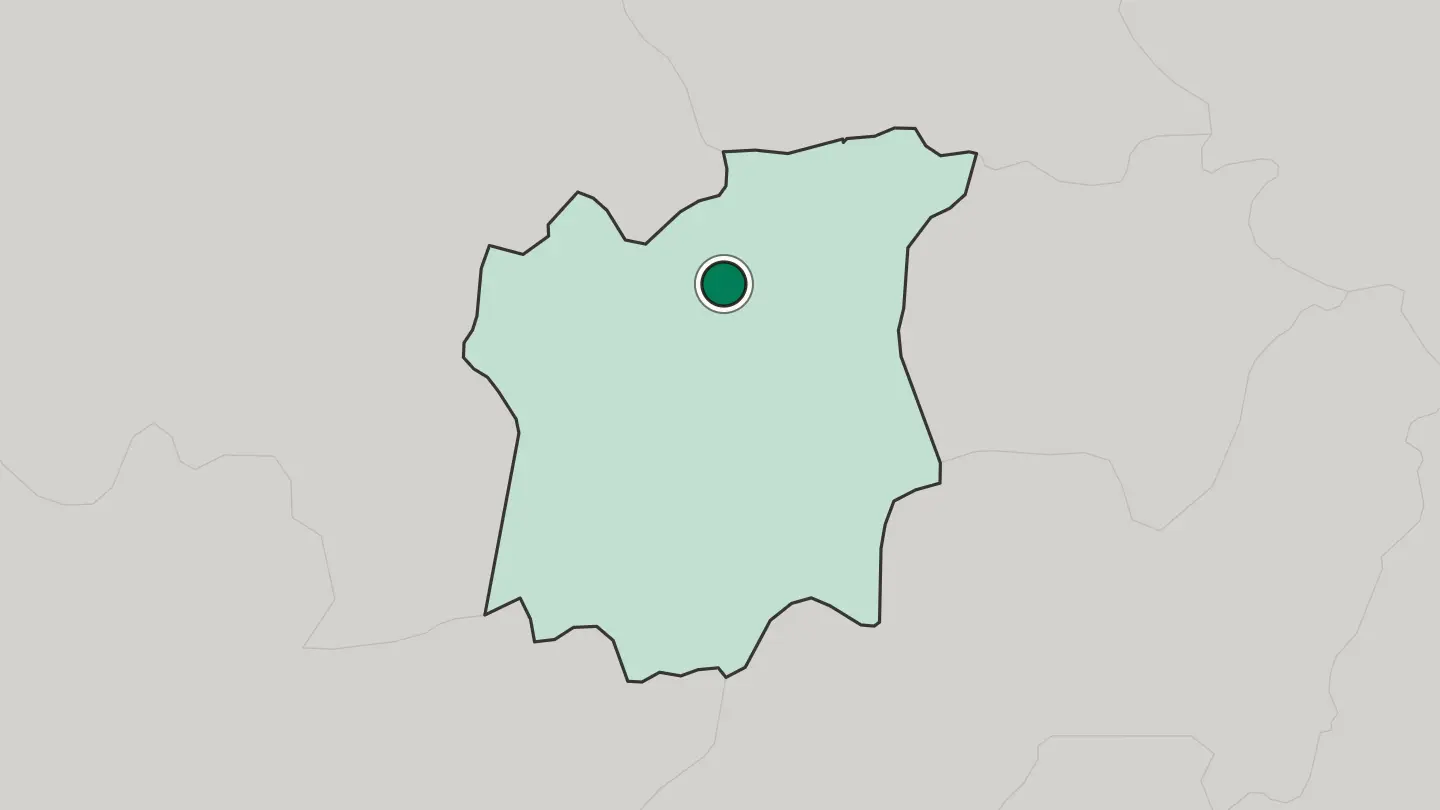
 Nigeria
Ile-Ife
Ile-Ife is the sacred city of the Yoruba in southwestern Nigeria, held to be the cradle of their people.Where to stay →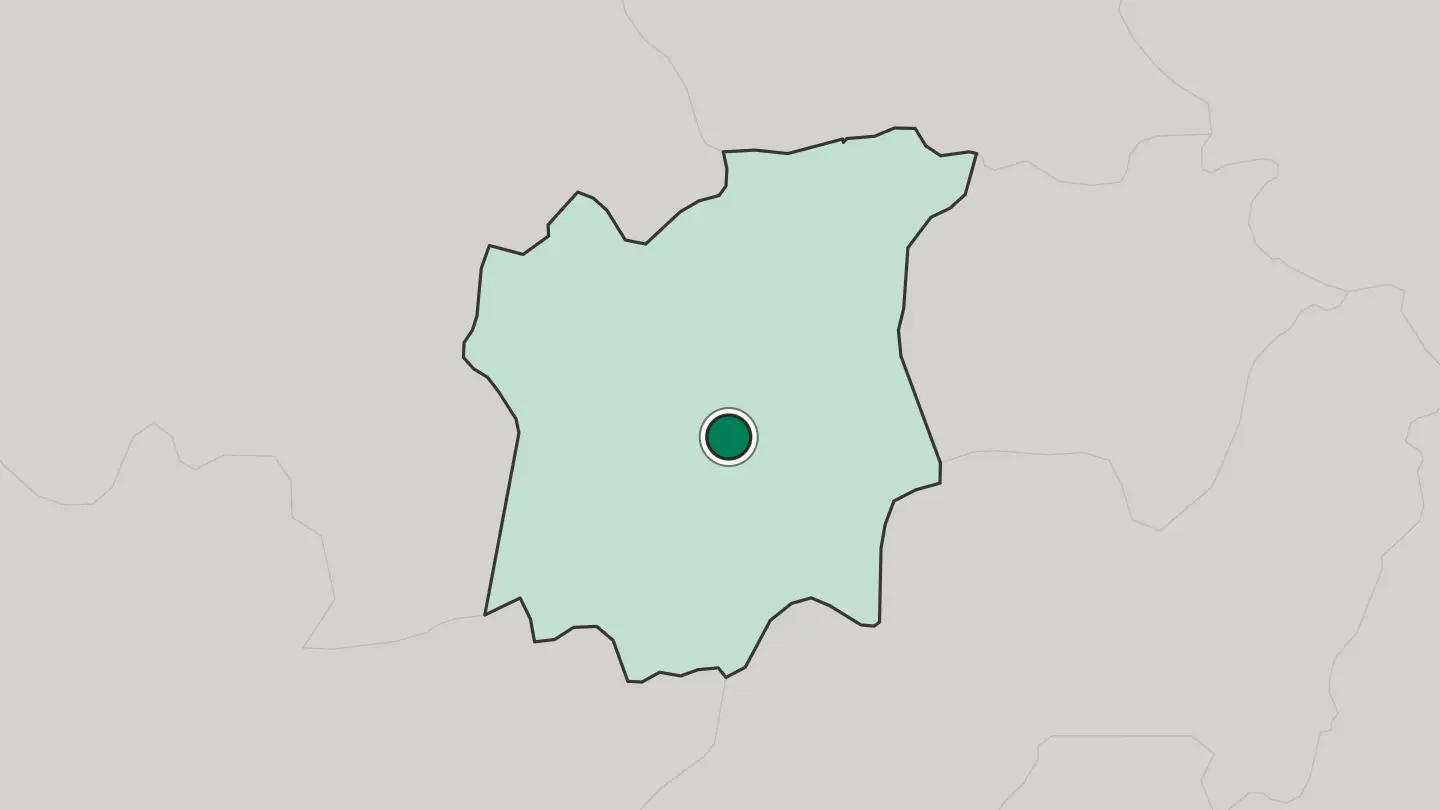
Hotel links are affiliate links: booking through them may earn us a commission, at no extra cost to you. It never affects how places are ranked. How this works
About Osun State
Osun State is Yoruba heartland.
What is Osun State known for?
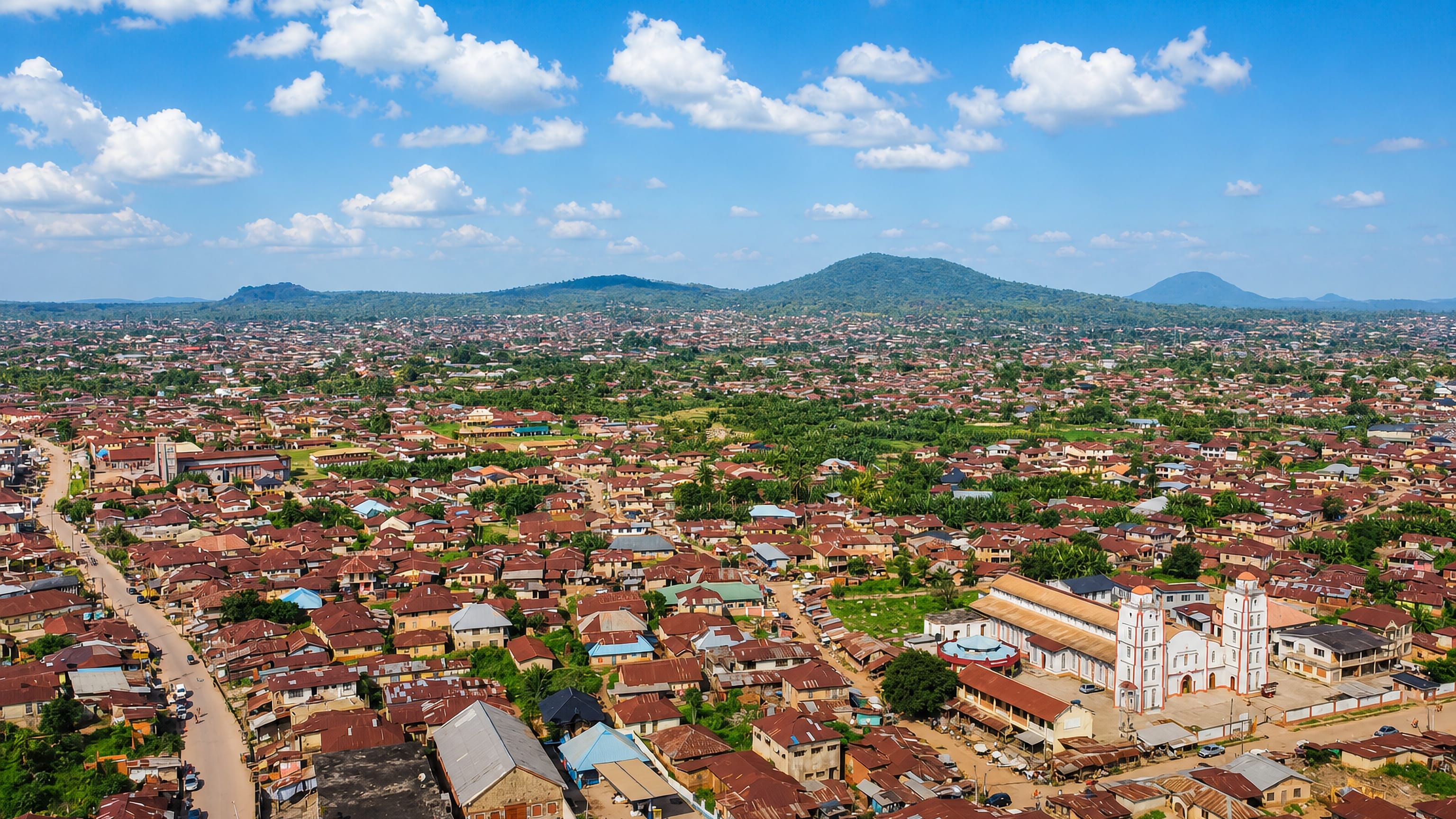
Its name comes from the Osun River, worshipped as a goddess, and its capital Osogbo holds the sacred grove where she is honoured each August. Ile-Ife, the ancient city that Yoruba tradition names as the cradle of their civilisation, sits within the state and drew the bronze and terracotta casters of the medieval Ife kingdom. Ilesa anchors the old Ijesha country to the east.
Farms of cocoa, cassava and yam cover the lowland forest between the towns.
Where is Osun State?
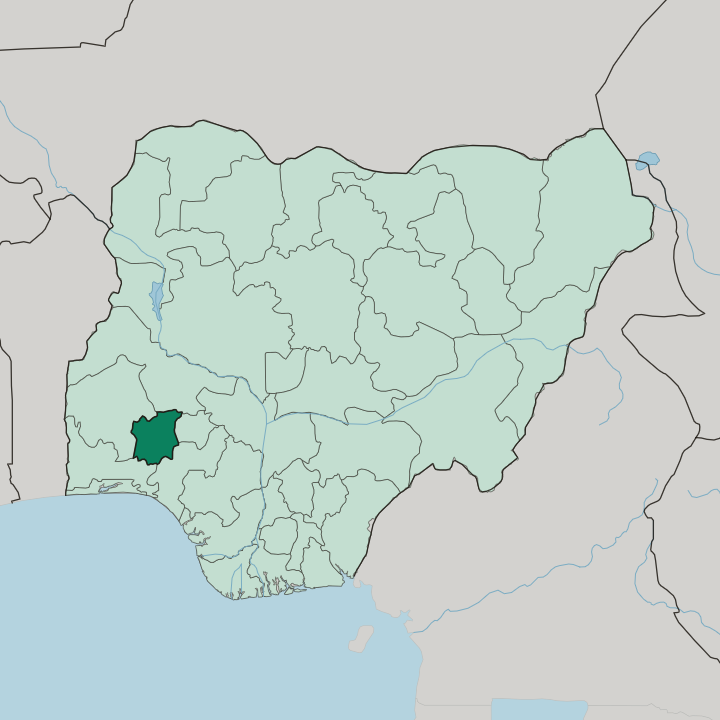
Osun State occupies a stretch of interior upland in south-western Nigeria, well back from the coast. Every border it has is with another state. Ekiti and Ondo states border it on the east, Kwara lies to the north, Ogun to the south, and Oyo to the west across the river that gives the state its name.
The Osun River rises in the Ekiti Hills beyond the eastern border, runs west into the state, then bends south-west at its meeting with the Erinle River near Ede before heading down through Ogun toward the Lekki Lagoon and the Atlantic. Lowland rainforest covers most of the ground. Toward the north that forest thins into the drier Guinean savanna mosaic, a belt of tall grass and scattered trees where the land begins its climb toward the middle belt of Nigeria.
Osogbo stands near the centre of the state, on the banks of the Osun. Ile-Ife lies to the south-east and Ilesa further east again, set at the road junction that ties Ife, Akure and the capital together. The country rolls in low hills and shallow wooded valleys throughout, cut by the Osun and its tributaries the Erinle and the Oba.
What is Osun State like?
Culture in Osun State turns on the Yoruba and their gods. The Osun-Osogbo festival is the clearest expression of it. Every August, worshippers and visitors walk from Osogbo into the sacred grove on the river bank, following the priestesses of the goddess Osun down to the water in rites that people here trace back some seven centuries.
The grove itself is both a working shrine and an open-air gallery, its sculptures and shrine walls shaped through the New Sacred Art movement that the Austrian artist Susanne Wenger built around the old worship after the 1950s. Ile-Ife carries the older weight. Yoruba tradition names it the place where the world began and the seat of Oduduwa, whose descendants founded kingdoms across Yorubaland, and its casters left the naturalistic bronze and terracotta heads that made Ife art famous.
Osogbo keeps a craft of its own in adire, the indigo tie-and-dye cloth that earned the city the nickname Ilu Aro. The Ijesha around Ilesa hold their own festivals and speak their own dialect. Language across all of it is Yoruba, spoken beside the English shared with the rest of Nigeria.
What is the history of Osun State?
Ile-Ife holds the deepest layer of the state's past, a Yoruba city old enough that its bronze and terracotta casting peaked between the years 1200 and 1400. Osogbo's own turning point came in about 1840. Ilorin cavalry pushing the Fulani jihad south were broken outside the town by the infantry of Ibadan, a night attack that halted the advance into Yorubaland and settled Ibadan as the dominant power among the successor states of the old Oyo Empire.
The modern state is far younger. It was carved from the south-east of Oyo State in 1991.
What is the climate of Osun State?
Osun State has a tropical wet-and-dry climate, warm the year round with no cold season. Across Osun State the calendar breaks cleanly into a wet half and a dry half. Rains run heavily from spring into autumn, fed by the moist south-westerly winds off the Gulf of Guinea, before the drier months settle in from about November.
The lowland forest in the south stays greener and wetter than the savanna edge in the north, where the dry spell bites harder and the harmattan haze drifts down from the Sahara. Humidity stays high through the wet months.
How do you get to Osun State?
Most travellers reach Osun State overland from Lagos or Ibadan, a few hours' drive to the south-west. No airport of its own serves the state. Osogbo sits on the rail line and the road network that fans out to Ibadan, Ife, Ilesa and Ilorin, the same six-route junction that made it worth defending in 1840.
From the capital, local roads run on to Ile-Ife and the Ijesha towns to the east. Buses and bush taxis cover the rest.
Common questions
What is the best area to stay in Osun State?
Osogbo: the Osun-Osogbo grove and festival. Ile-Ife: the cradle of Yoruba civilisation. Ilesa: the Ijesha hills and Erin-Ijesha waterfalls.
More regions in Nigeria
Updated September 2026