Peru
Departamento de San Martín, Peru — Towns & Travel Guide
Departamento de San Martín is a warm, forested region of northern Peru, where the Huallaga River carves wide valleys through the upper Amazon.
Hotel links are affiliate links: booking through them may earn us a commission, at no extra cost to you. It never affects how places are ranked. How this works


Towns & cities in Departamento de San Martín
One town here has its own guide — it links to where to stay.

 Peru
Peru
Moyobamba
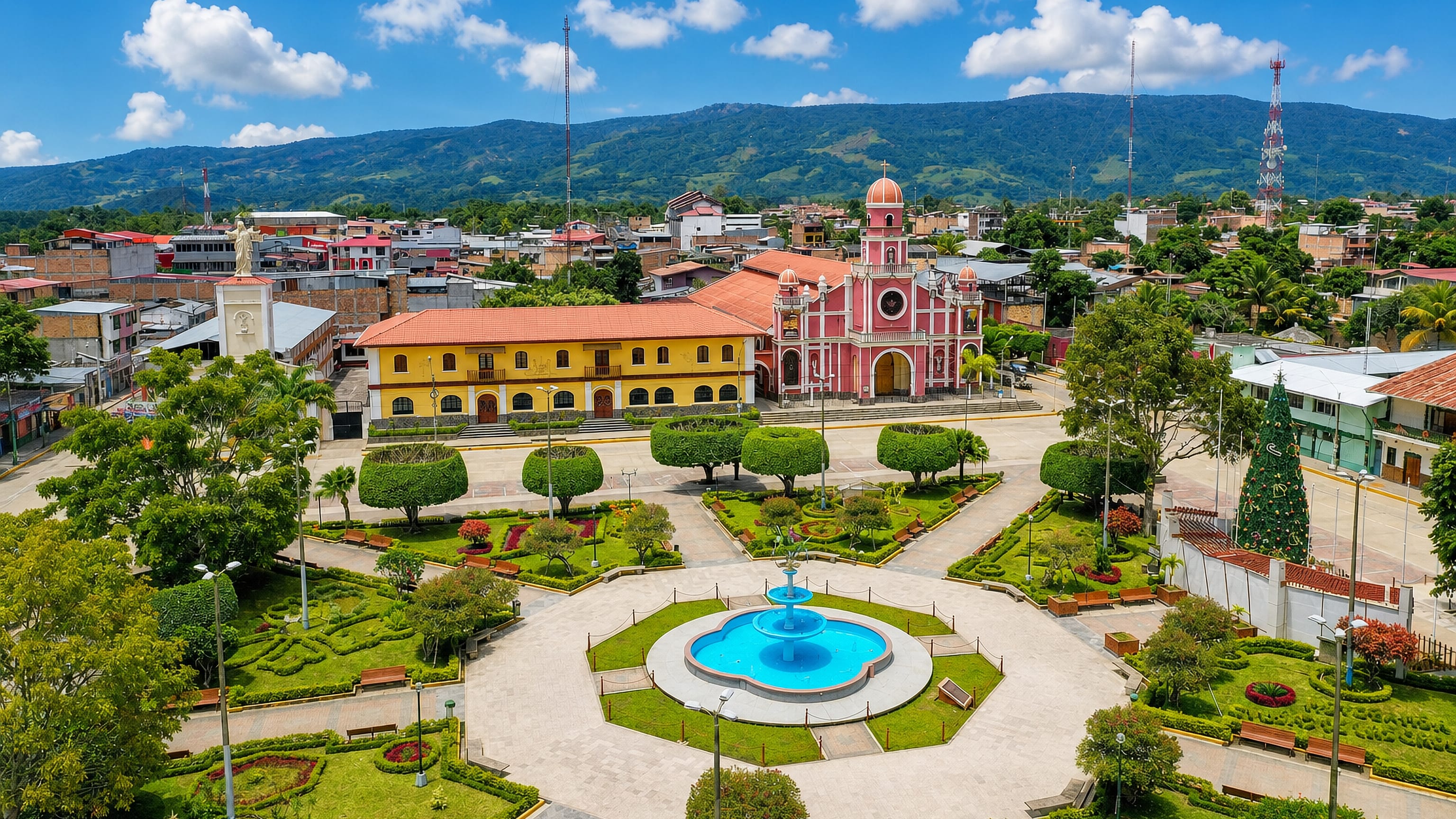
Moyobamba, the City of the Orchids, is the capital of the San Martín Region in northern Peru and was founded in 1540.Where to stay →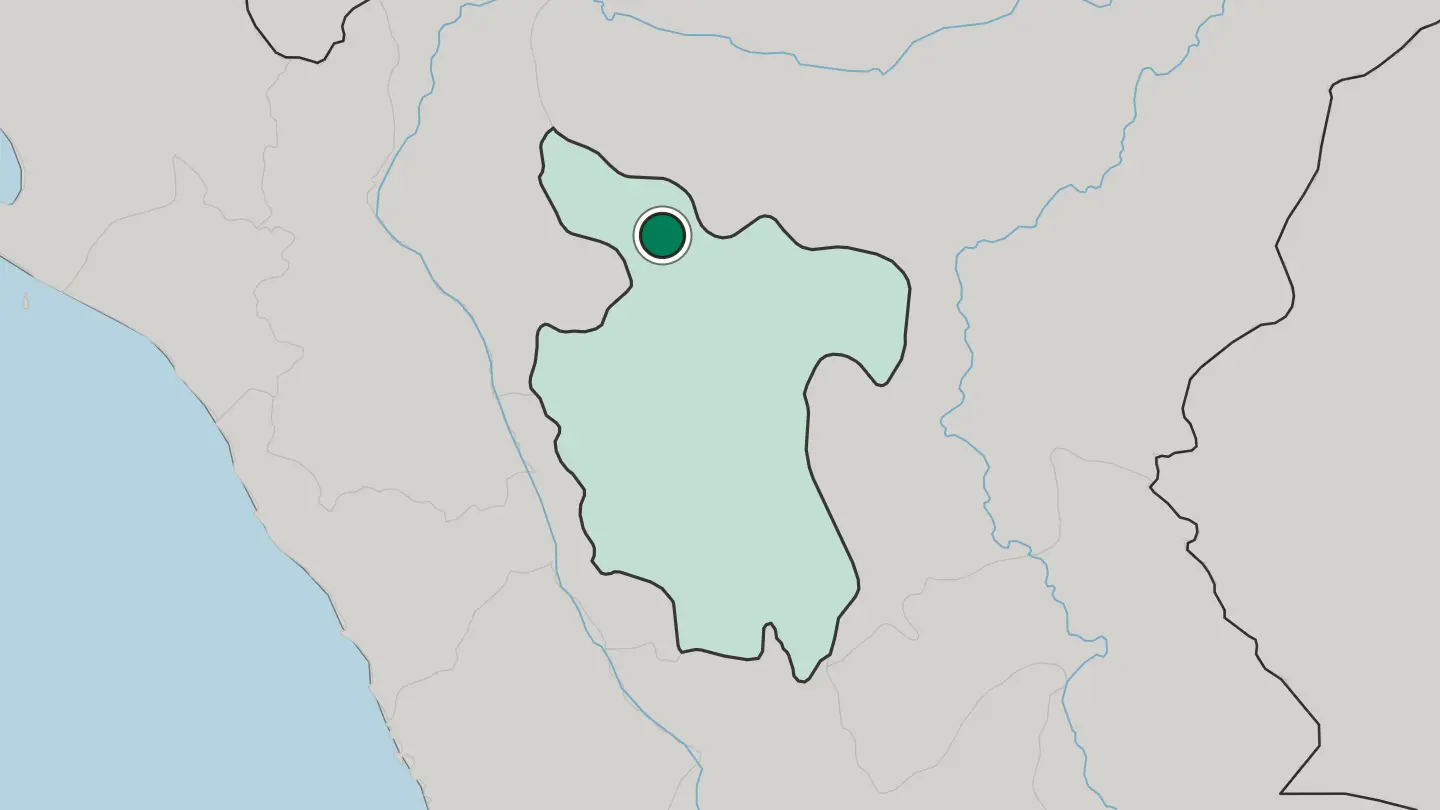
Hotel links are affiliate links: booking through them may earn us a commission, at no extra cost to you. It never affects how places are ranked. How this works
About Departamento de San Martín
What is Departamento de San Martín known for?
San Martín is one of Peru's high-jungle regions, the strip of humid forest the locals call the ceja de selva. Cloud forest, orchids, and waterfalls define it. Moyobamba, the capital, sits on a bluff above the Mayo River and answers to the nickname City of Orchids, with several thousand native species growing around it.
Tarapoto, an hour's flight from Lima, is the larger town and the usual base for reaching the Ahuashiyacu falls and the still water of Laguna Azul. Coffee and cacao grow across the valleys. Two forest reserves frame the region, the Cordillera Azul in the south and the Alto Mayo cloud forest in the north-west.
Where is Departamento de San Martín?
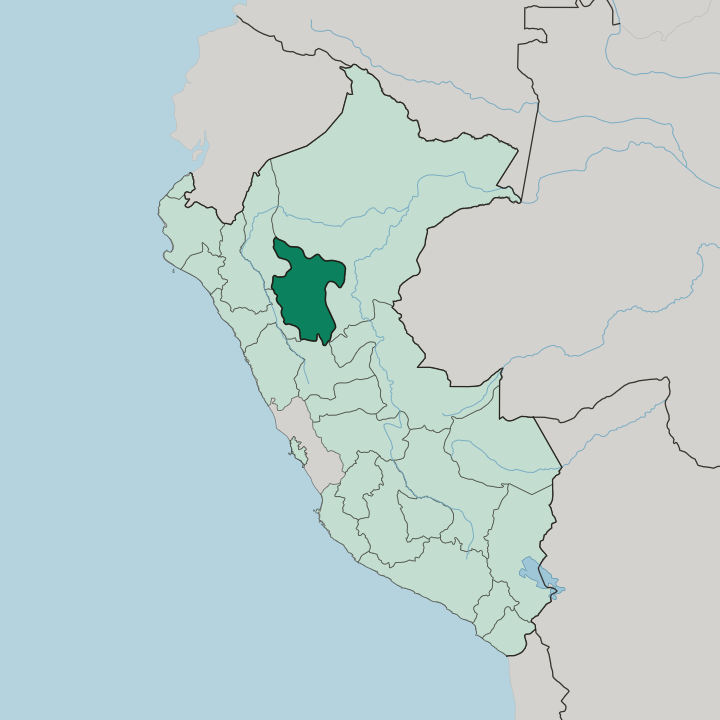
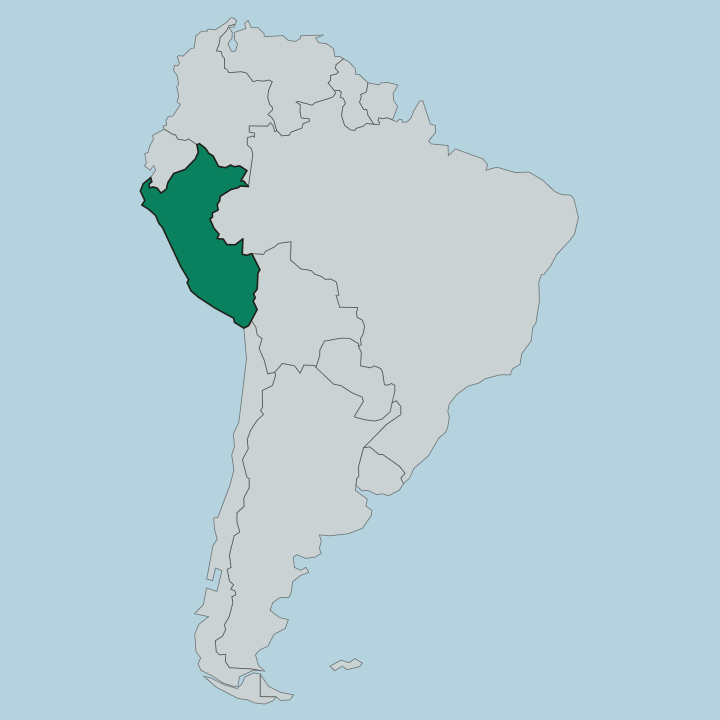
San Martín lies in northern Peru, on the eastern slope where the Andes break down into the upper Amazon. Nothing here sits at one level. The region climbs from flood-prone lowland jungle through wide river valleys to rough Andean ridges in the west, spanning roughly from two hundred metres of elevation to more than three thousand.
Its axis is the Huallaga River. That river runs the length of the department, cutting the stepped terraces that give the central valleys their shape, and it eventually pours north into the Marañón and on into the Amazon proper. Its tributary the Mayo drains the northern basin and slips past Moyobamba, the capital.
To the south the forested wall of the Cordillera Azul rises between the Huallaga and the Ucayali, its steepest ground protected as a national park. Further north-west lies the Alto Mayo cloud forest, a belt of wet yungas woodland feeding the Mayo valley below. Tarapoto, the largest town, stands on a plateau above the Huallaga's tributaries at a little over three hundred metres.
Little of San Martín is flat. Ridge, valley, and river braid together across the whole region, and the drop from Andean cloud to lowland jungle happens within the space of a single department.
What is Departamento de San Martín like?
Life in San Martín is jungle life, lived along the rivers rather than the coast or the high sierra. The forest sets the pace. Indigenous peoples have worked this land for far longer than the towns have existed, and Awajún and Chayahuita communities still hold ground in the valleys alongside Quechua-speaking families who came down the eastern slope of the Andes.
Spanish is the common language across the department. The orchid is the emblem of the place, and Moyobamba wears it openly as the City of Orchids, its gardens and festivals built around the several thousand species that grow in the surrounding cloud forest. Food leans on the forest too.
The juane, a bundle of rice and chicken wrapped in a bijao leaf and boiled, is the dish everyone associates with the high jungle, eaten in quantity at the Fiesta de San Juan each June. Coffee and cacao are more than crops here. They are the backbone of the rural economy, grown across the terraces the Huallaga carved, and increasingly the thing that brings outsiders to visit the farms.
The tone is unhurried and river-bound. It is a jungle culture with an Andean thread running through it, closer in feeling to the Amazon than to Lima or Cusco.
What is the history of Departamento de San Martín?
People shaped this forest long before Peru existed. Deep roots run west of here. The Chachapoyas culture built in the high country toward La Libertad, leaving the stone complex of Gran Pajáten, before the Inca ruler Túpac Yupanqui pushed east and brought the valley the Inca knew as Muyupampa under his rule.
The Spanish arrived in 1540, when Moyobamba was founded above the Mayo River as the first Spanish town in the Peruvian Amazon. It was Moyobamba, too, that declared its independence in 1821, ahead of much of the country. The modern department of San Martín was carved out later from that old jungle province.
What is the climate of Departamento de San Martín?
San Martín is warm the year round, with a tropical climate that holds temperatures in a narrow band from morning to night. Rain is the variable, not the heat. Downpours can come in any month across the upper Amazon, but they thin out between May and September, the driest stretch and the easiest time to reach the Ahuashiyacu waterfall or trek the Alto Mayo cloud forest.
Higher ground around Moyobamba stays a touch cooler and mistier than the lowland valleys along the Huallaga. Expect green, and expect humidity.
How do you get to Departamento de San Martín?
Most travellers fly into Tarapoto, roughly an hour by air from Lima and the busiest airport in San Martín. Its runway handles some of the heaviest passenger traffic in the whole Peruvian rainforest. From the terminal it is a short drive into town and on to the waterfalls and lagoons nearby, or a longer road run up to Moyobamba and the Alto Mayo forest.
Overland, a paved highway climbs the eastern Andes and drops into the Huallaga valleys, linking the region to the northern coast. The bus is slow. Most fly.
Common questions
What is the best area to stay in Departamento de San Martín?
Tarapoto: jungle trips and flight connections in San Martín. Moyobamba: orchids and the Alto Mayo cloud forest.
More regions in Peru
Updated September 2026