Peru
Provincia Constitucional del Callao, Peru — Towns & Travel Guide
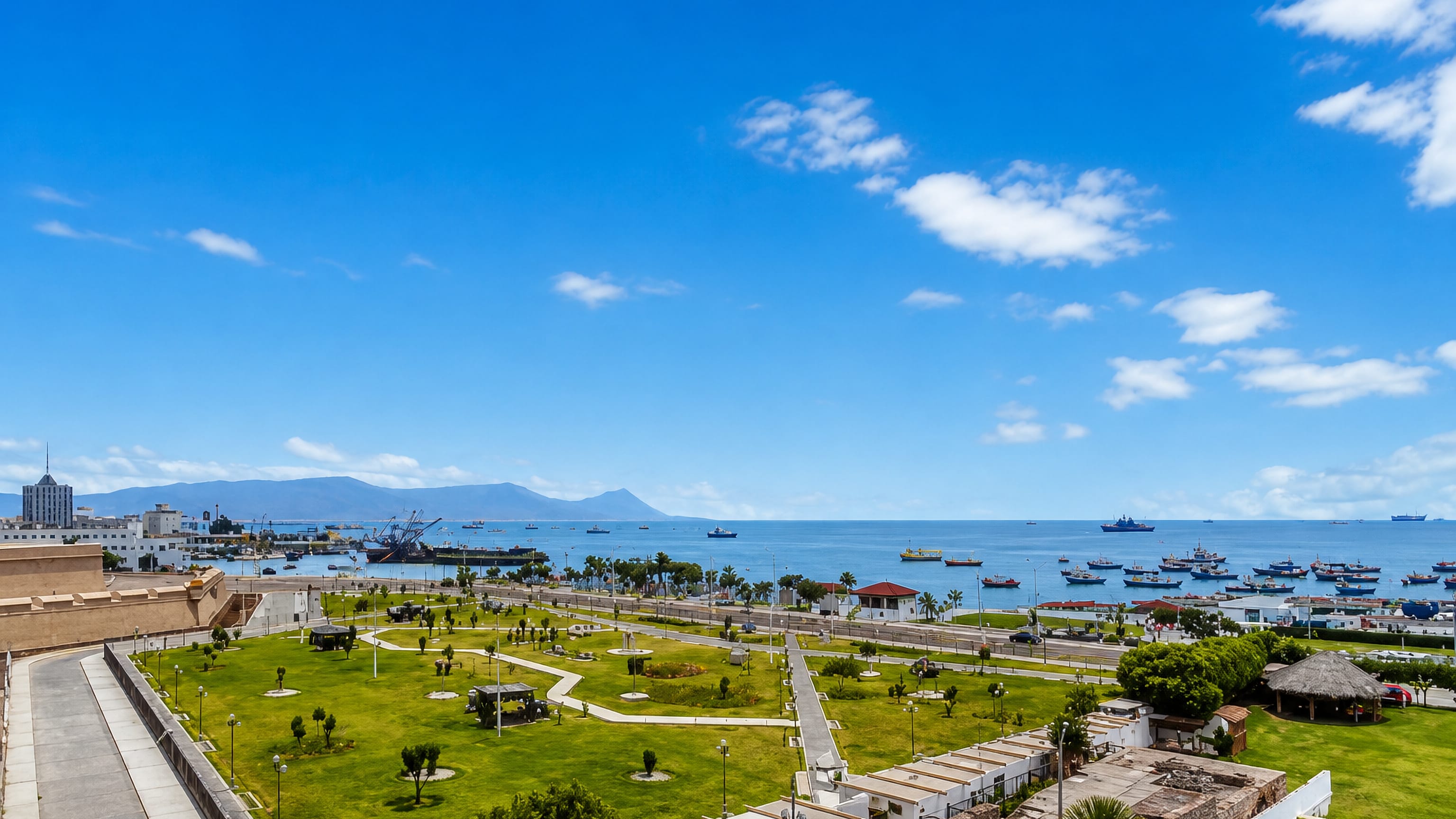
Callao is Peru's chief seaport, a constitutional province on the Pacific just west of Lima, guarding the harbour behind San Lorenzo Island.
Hotel links are affiliate links: booking through them may earn us a commission, at no extra cost to you. It never affects how places are ranked. How this works


Towns & cities in Provincia Constitucional del Callao
One town here has its own guide — it links to where to stay.

 Peru
Peru
Callao
Callao is the chief port of Peru, a historic harbour city on the Pacific beside Lima, guarded by a great Spanish fortress.Where to stay →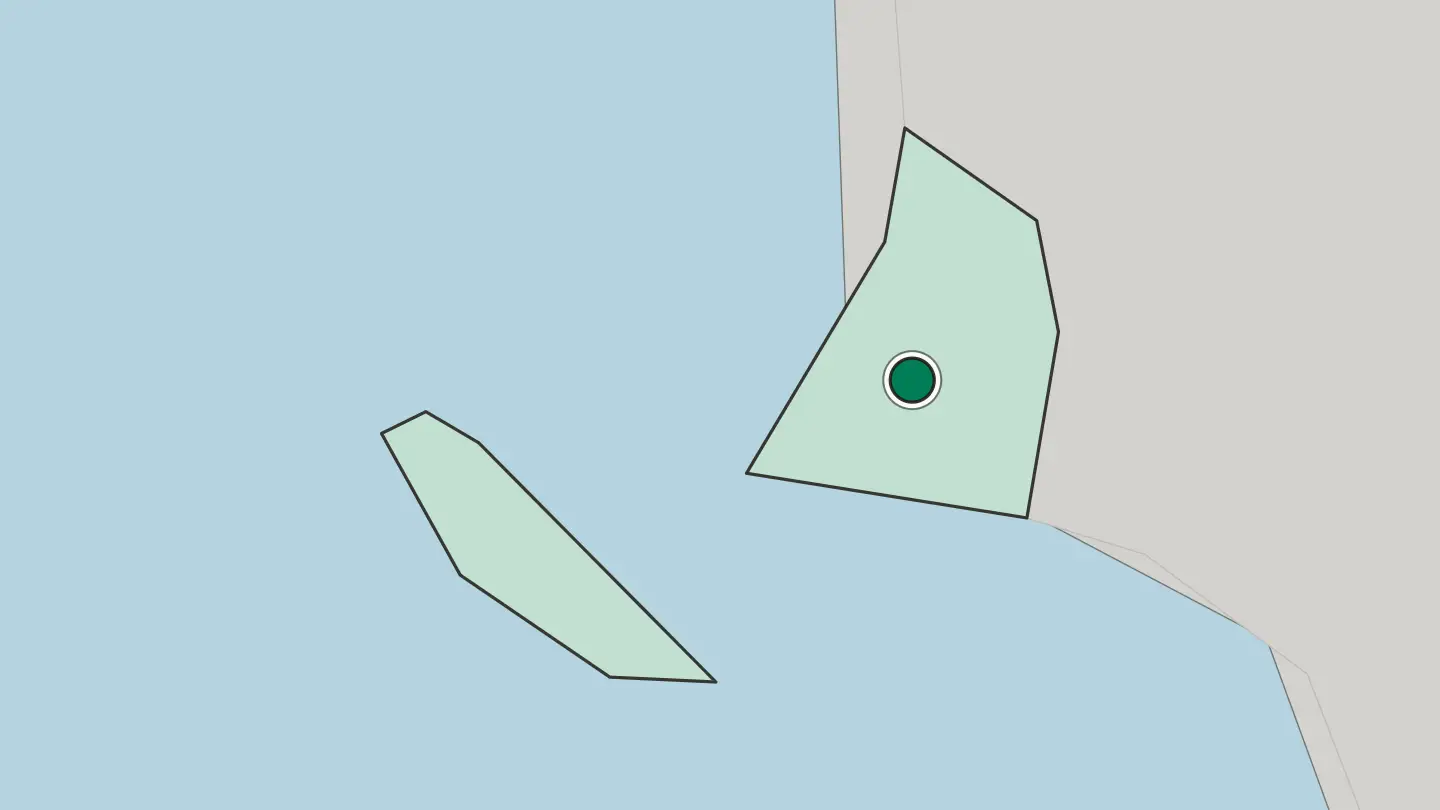
Hotel links are affiliate links: booking through them may earn us a commission, at no extra cost to you. It never affects how places are ranked. How this works
About Provincia Constitucional del Callao
Callao is the harbour.
What is Provincia Constitucional del Callao known for?
Peru's busiest port fills its waterfront, and Jorge Chávez International Airport, the country's main gateway, sits within the same province a short drive from the docks. Above the wharves rises the Real Felipe Fortress, the great colonial stronghold that once held off pirates and later withstood siege. Out on its own peninsula, the district of La Punta juts into the Pacific Ocean, ringed by rowing clubs and old sea-facing villas.
Ships, aircraft, and a fortress define the place.
Where is Provincia Constitucional del Callao?
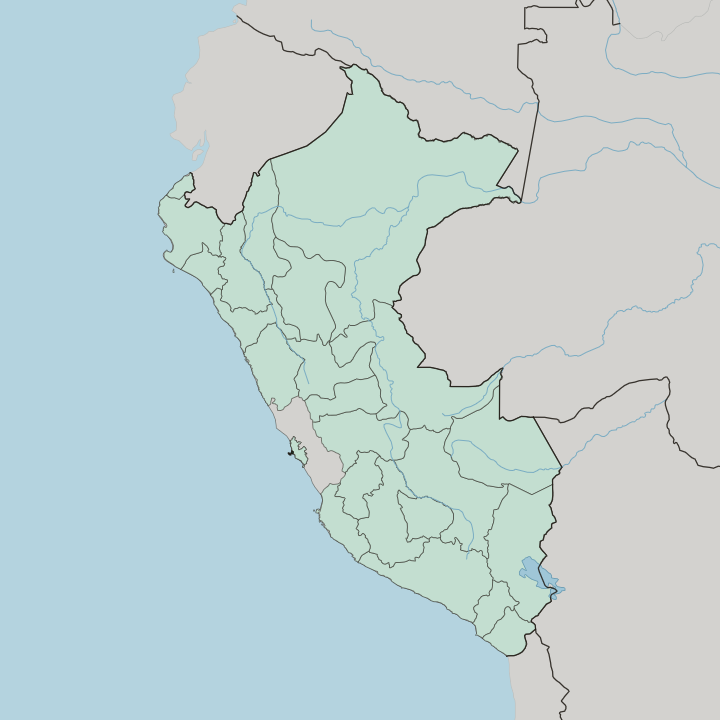
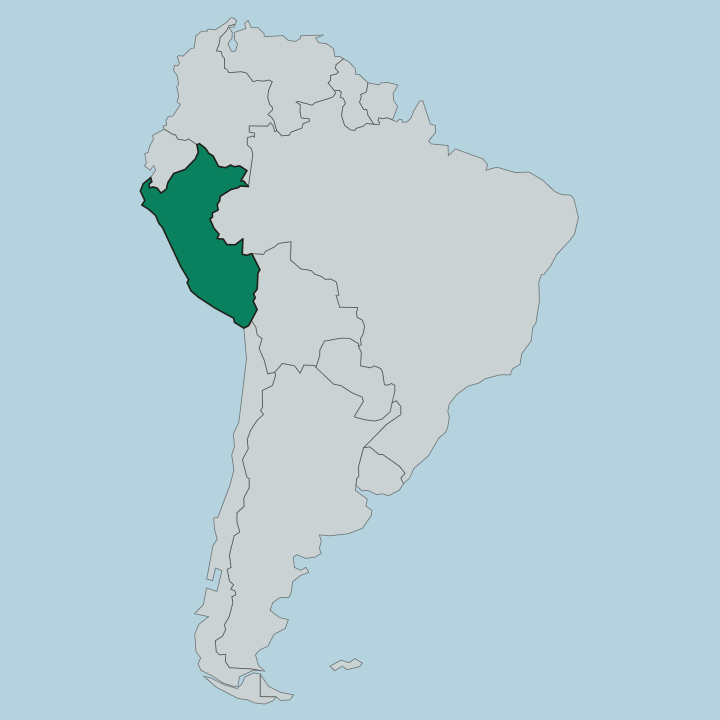
Callao is small. It is the most compact of Peru's first-level regions, a strip of the Pacific Ocean coast pressed against Lima on the western edge of the Lima metropolitan area. Central Callao lies roughly fifteen kilometres west of the historic centre of Lima, close enough that the two run together as one continuous built-up coast.
The Rímac River finishes its course here, dropping out of the Andean highlands and reaching the sea beside the airport runways. Callao's shore runs north from the La Punta peninsula toward the northern district of Ventanilla, more than thirty kilometres of Pacific edge. The province is more than mainland.
Four islands belong to it, spread offshore in the Pacific. San Lorenzo Island is the largest island in Peru, a long ridge of rock separated from the shore by the El Boquerón channel, and near it lie El Frontón, Cavinzas, and the Palomino islets. Together those islands shelter the harbour, which is why the port grew where it did.
Behind that protected water sits the flat, dry coastal plain shared with Lima, hemmed between the desert and the sea. It is a place defined by its harbour above all.
What is Provincia Constitucional del Callao like?
Callao thinks of itself as a port before anything else, and its identity is stitched to the sea. Chalacos, as the people of Callao are called, carry that seafaring pride with some fierceness. The province keeps its own constitutional standing apart from Lima, and it wears that separateness openly.
Naval history shapes the streets. The Real Felipe Fortress still stands over the old port as the Peruvian Army Museum, its ramparts full of colonial cannon and campaign relics. The food is the harvest of the cold current offshore.
Cebiche, the raw fish cured in lime, belongs to this coast as much as anywhere in Peru, and the fishing boats that supply it work the same waters the port was built to command. La Punta holds the older, sea-facing side of that culture, its rowing clubs and villas looking out over the Pacific Ocean. Spanish is the everyday language here, as across the country.
Callao guards its own story hard.
What is the history of Provincia Constitucional del Callao?
Francisco Pizarro's men founded the port of Callao in 1537, and it soon became Spain's main Pacific harbour in the Americas, the shipment point where silver from Peru and beyond was gathered for the long haul to Panama and Spain. An earthquake and its tidal wave levelled the whole town in 1746, and the Real Felipe Fortress went up in the wreckage the next year to guard the rebuilt port. Autonomy came slowly.
Callao was made a Littoral Province of the Peru-Bolivian Confederation in 1836, then a Constitutional Province under Ramón Castilla in 1857, the standing it still holds. Chilean forces occupied it during the War of the Pacific.
What is the climate of Provincia Constitucional del Callao?
Rain almost never falls on Callao. It lies in the coastal desert that the cold Humboldt Current keeps mild and dry, so the province sees only a few millimetres of rain in a whole year. Summer, from roughly December to March, is warm and clear over the Pacific Ocean, the season the beaches fill.
The rest of the year the current pulls a low grey overcast and a fine drizzle, the garúa, across the port from about April to October. Skies stay cloudy for months. This is a warm and humid shore that hardly ever sees rain.
How do you get to Provincia Constitucional del Callao?
The bulk of visitors land in Callao by air. Jorge Chávez International Airport, Peru's principal gateway and one of the busiest in South America, stands inside Callao itself, a short drive from the port and from central Lima. Ships still come too, since this is the country's chief seaport, though most travellers reach it overland from the capital next door.
Callao and Lima share one continuous street grid, so a taxi or the metropolitan road network links the two in minutes when traffic allows. The first railway in South America ran between them. It opened in 1851.
Common questions
What is the best area to stay in Provincia Constitucional del Callao?
La Punta: quiet seafront within reach of the docks. Bellavista: a settled base between airport and harbour. Central Callao: the fortress and the working waterfront. Lima: most travellers passing through the airport.
Good for
More regions in Peru
Updated September 2026