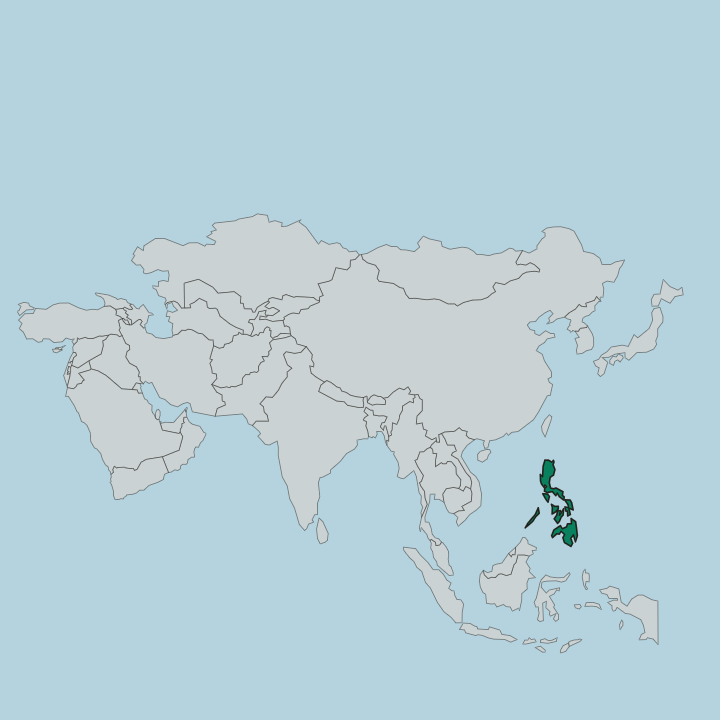
Philippines · National Capital Region
Where to Stay in Pateros, National Capital Region
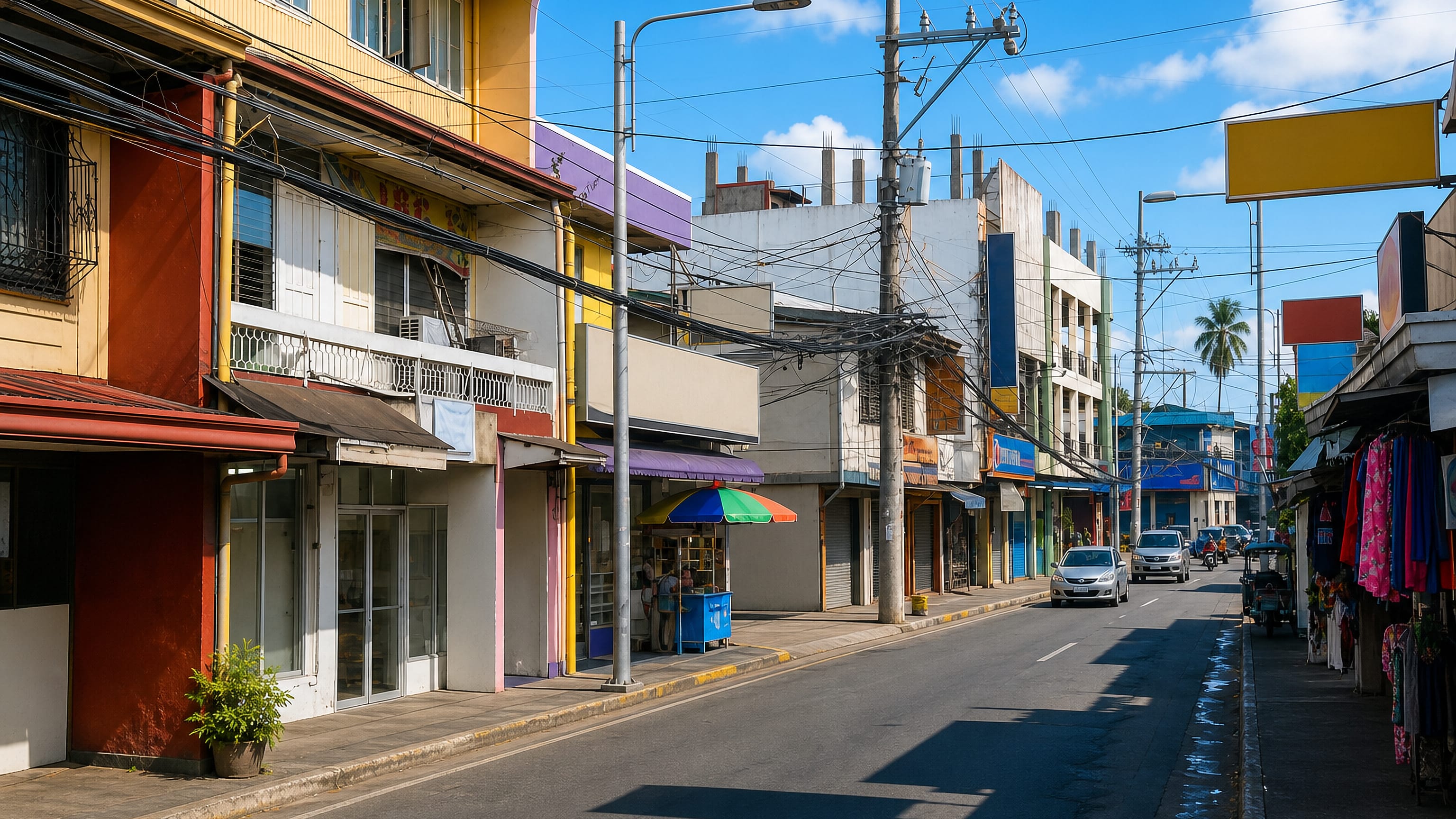
Pateros is the sole municipality of Metro Manila, a town of under two square kilometres known across the Philippines for balut and duck eggs.
Hotel links are affiliate links: booking through them may earn us a commission, at no extra cost to you. It never affects how places are ranked. How this works


Where to stay in Pateros
How the choice of base plays out on the ground.
Beds here are genuinely few. Pateros covers less ground than a single district of most of its neighbours and carries no business quarter of its own, so the honest answer for most visitors is a room in one of the surrounding cities and a short ride in for the morning. The town centre is the exception.
What little accommodation exists sits among the streets where the balut trade still works, and a stay there buys the one thing an outside base cannot, which is the town going about its business before the day visitors arrive. The alternatives all lie over the line. Rooms toward the Pasig City Museum and the Pasig World War II Memorial Monument put a traveller in a larger city with more choice, ten minutes from Pateros and considerably better served in the evening.
Arena crowds go elsewhere again. Anyone with tickets for the PhilSports Complex, the PhilSports Arena or the Ynares Sports Arena will find far more beds on those approaches than this town could ever hold, and families making for KidZania Manila or The Mind Museum tend to base themselves nearer those doors. Let the reason for the trip decide.
Nothing in a municipality of this size is more than a walk from anything else in it, so the real decision is whether you want to sleep inside the balut town or merely visit it.
Find hotels in Pateros
Direct booking searches for these neighbourhoods.
The Pateros town centre
The duck-egg trade works out of these few streets and nowhere else. Rooms are few around here — worth securing early.Find hotels in The Pateros town centreMore rooms within ten minutes of PaterosOver the line toward the Pasig City Museum
The Pasig City Museum and the Pasig World War II Memorial Monument sit on that side of the boundaryFind hotels in Over the line toward the Pasig City MuseumTicket holders for the PhilSports Arena or KidZania ManilaThe arena approaches
The PhilSports Complex and The Mind Museum draw crowds this municipality has no room to sleepFind hotels in The arena approachesHotel links are affiliate links: booking through them may earn us a commission, at no extra cost to you. It never affects how places are ranked. How this works
About Pateros
Duck eggs made the name.
What is Pateros known for?
Pateros is known across the Philippines for balut, and the trade behind that reputation is the reason a town of this size registers at all beside the cities packed around it. Its standing is unusual too. Every other unit of Metro Manila holds a city charter, which leaves Pateros the lone municipality in the capital region and, by ground covered, one of the smallest places in it.
What are the main landmarks in Pateros?
The landmark roll belongs to the neighbours. Pateros is too small to hold much beyond its own streets and the trade worked in them, so the names within easy reach of the town all stand outside its boundary rather than within it. Sport dominates that list.
The PhilSports Arena, the PhilSports Complex and the Ynares Sports Arena take the crowds, The Mind Museum and KidZania Manila take the children, and the Philippine Army Museum, the Pasig City Museum, the Pasig World War II Memorial Monument and the Felix Y. Manalo National Historical Landmark cover the historical record of the surrounding area.
What is the history of Pateros?
The town dates from 1770. Pateros grew up around the raising of ducks and the trade in their eggs, an occupation that gave the place both its living and, in the balut carried out of it, a product known far past the boundaries of the capital region. Size never changed much.
The municipality still covers under two square kilometres, a footprint that would fit several times over inside any of the cities now pressed against its edges. Charters went around it. As the towns of the metropolis were converted one after another into cities, Pateros stayed as it was, and it remains the only municipality in Metro Manila.
The distinction is administrative rather than ceremonial. Officially the Municipality of Pateros, it sits in the National Capital Region under the same regional roof as its far larger neighbours, with a fraction of their ground and none of their office districts. Much of what the wider area records is written next door instead.
The Pasig World War II Memorial Monument, the Felix Y. Manalo National Historical Landmark and the Pasig City Museum all stand beyond the line, near enough to reach in an afternoon from a town whose own history runs through ducks, eggs and a name that travelled a great deal further than the town ever did.
Where is Pateros?
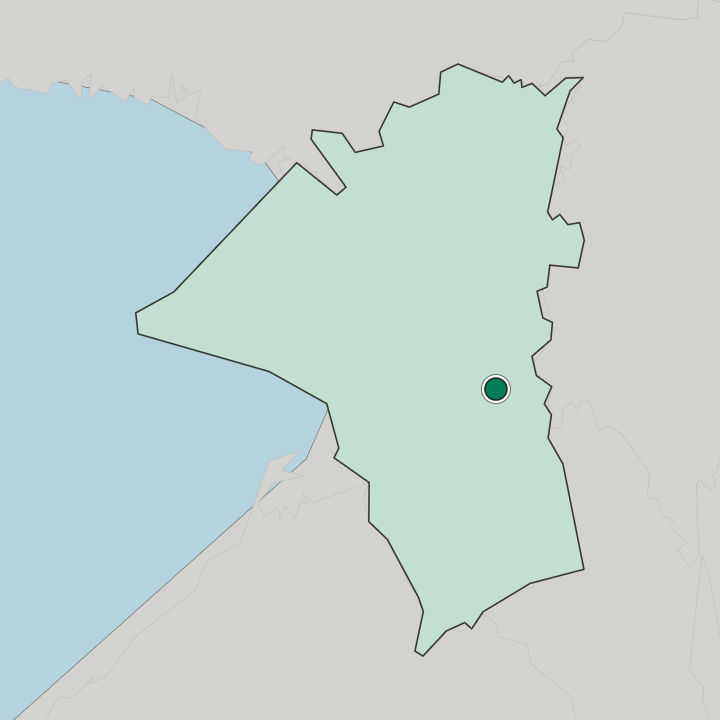
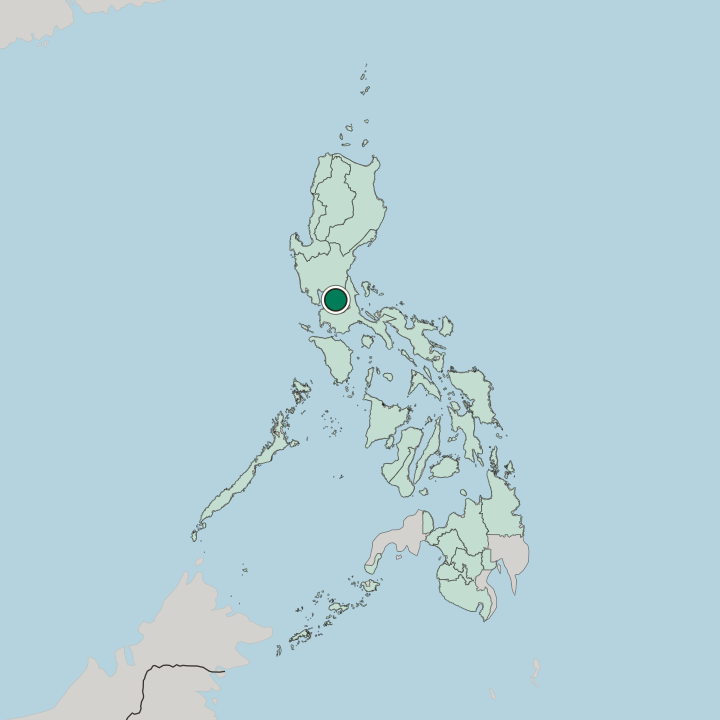
Few places in the region are smaller. Pateros holds not much over one and a half square kilometres of flat, low ground in the National Capital Region, enclosed on every side by the larger cities of Metro Manila and built across from one edge to the other. Open country is absent.
A walk of twenty minutes takes a visitor clean out of the municipality, which is why the PhilSports Complex and the Pasig City Museum, both outside it, serve as the usual reference points.
What is the climate of Pateros?
Pateros stays warm the year through. The year in this part of the tropics divides into a wet half and a dry one rather than into four seasons, which leaves rainfall the only thing worth checking before a visitor settles on a month. The trade ignores it.
Balut and duck eggs leave Pateros in every season, and what the calendar changes for a short visit is chiefly whether an umbrella comes along.
How do you get to Pateros?
Nobody arrives directly. Every approach to Pateros comes by road from the surrounding cities of Metro Manila, and the municipality is small enough that a wrong turn will carry a driver back out of it before the mistake has registered. Landmarks make the better directions.
Visitors tend to navigate by the PhilSports Complex or the Ynares Sports Arena, neither of them inside the town, because Pateros itself gives a driver very few large reference points to steer by.
Common questions
What is the best area to stay in Pateros?
The Pateros town centre: Waking up inside the balut town itself. Over the line toward the Pasig City Museum: More rooms within ten minutes of Pateros. The arena approaches: Ticket holders for the PhilSports Arena or KidZania Manila.
Good for
More cities in National Capital Region
Updated October 2026