Philippines · National Capital Region
Where to Stay in San Juan, National Capital Region
San Juan is the smallest city by land area in the Philippines, ringed by Manila, Mandaluyong and Quezon City at the centre of Metro Manila.
Hotel links are affiliate links: booking through them may earn us a commission, at no extra cost to you. It never affects how places are ranked. How this works


Where to stay in San Juan
Where the beds are, and what that means for the visit.
San Juan is small enough to cross on foot, which turns the question of where to sleep into a question of which boundary to sit against rather than which quarter to choose. Rooms near the Pinaglabanan Shrine and the Cathedral of St. Mary and St. John leave the museums, the older streets and Museo El Deposito within an easy walk. That side quietens after dark.
Nothing there sits more than a few blocks from anything else. The other approach is to sit against a neighbour. Manila, Mandaluyong and Quezon City all touch the city line, and a room a few streets over in any of them still leaves San Juan Gym, the Filoil EcoOil Centre and Club Filipino a short surface trip away.
Beds inside the boundary are few. The wider National Capital Region holds far more of them, so the neighbouring side that fits the day's plan matters more than the particular street, and match nights at the sports floors are the one thing worth planning the walk around.
Find hotels in San Juan
Direct booking searches for these neighbourhoods.
Around Pinaglabanan
The shrine, Museo El Deposito and the Cathedral of St. Mary and St. John fall inside a single walk. Rooms are few around here — worth securing early.Find hotels in Around PinaglabananMatch nights at San Juan Gym and the Filoil EcoOil CentreBy San Juan Gym
Club Filipino and the two basketball floors are the fixed points on this side of the city. Few places to stay nearby — book ahead.Find hotels in By San Juan GymAnyone wanting a wider choice of beds than San Juan itself holdsAcross the city line
Manila, Mandaluyong and Quezon City each touch the boundary and sit a short surface trip from the shrineFind hotels in Across the city lineHotel links are affiliate links: booking through them may earn us a commission, at no extra cost to you. It never affects how places are ranked. How this works
Things to do in San Juan
Ranked by global recognition; descriptions from Wikidata (CC0).
Museums & Galleries
3- Mira-Nila House Heritage
- Museo ng Katipunan
- Armed Forces of the Philippines Museum
Churches & Religious Sites
2- Iglesia ni Cristo chapel, F. Manalo-San Juan
- Cathedral of St. Mary and St. John
Castles & Historic Sites
1- Pinaglabanan Shrine Heritage
Stadiums & Sports
3- Filoil EcoOil Centre
- Amoranto Sports Complex
- Club Filipino
Landmarks & Notable Places
1- Villa Paciencia
worth knowingacross 5 categories in San Juan
About San Juan
The name carries two things.
What is San Juan known for?
One is the Pinaglabanan Shrine, with the Museo ng Katipunan beside it, holding this city's place in the national record; the other is basketball, played out at San Juan Gym and at the Filoil EcoOil Centre. Museums outnumber what the size suggests. Museo El Deposito, the Iglesia ni Cristo Museum and Club Filipino stand within the same few streets, which is all a city of under six square kilometres has room for.
What are the main landmarks in San Juan?
Begin at the Pinaglabanan Shrine. The Museo ng Katipunan stands on the same ground, and Museo El Deposito and the Iglesia ni Cristo Museum give this small city an unusually thick run of museums for the space it occupies. San Juan Gym and the Filoil EcoOil Centre carry the basketball.
Beyond those, the Cathedral of St. Mary and St. John, Club Filipino and the Legarda Ancestral House fill out a circuit that needs no transport at all.
What is the history of San Juan?
The city dates itself to 1783. What that founding left behind is not a preserved quarter but a scattering of individual survivals, each holding its own piece of the record, and the Legarda Ancestral House and Villa Paciencia still stand among far newer streets. Museo El Deposito keeps another layer.
The Iglesia ni Cristo Museum sits a few minutes away inside the same compact grid, close enough that one afternoon takes in both without any transport at all. Two sites carry the national story. The Pinaglabanan Shrine and the neighbouring Museo ng Katipunan hold the memory of the Katipunan, and they are the reason a good share of the visitors who come to San Juan from elsewhere in Metro Manila come at all.
Names, not districts, are what survived. Club Filipino belongs to the same short list of buildings the city has kept and named. The pattern reads easily on the ground.
A city of under six square kilometres cannot hold a heritage district, so it holds houses, a shrine and a handful of museums instead, and the National Capital Region has built around every one of them.
Where is San Juan?
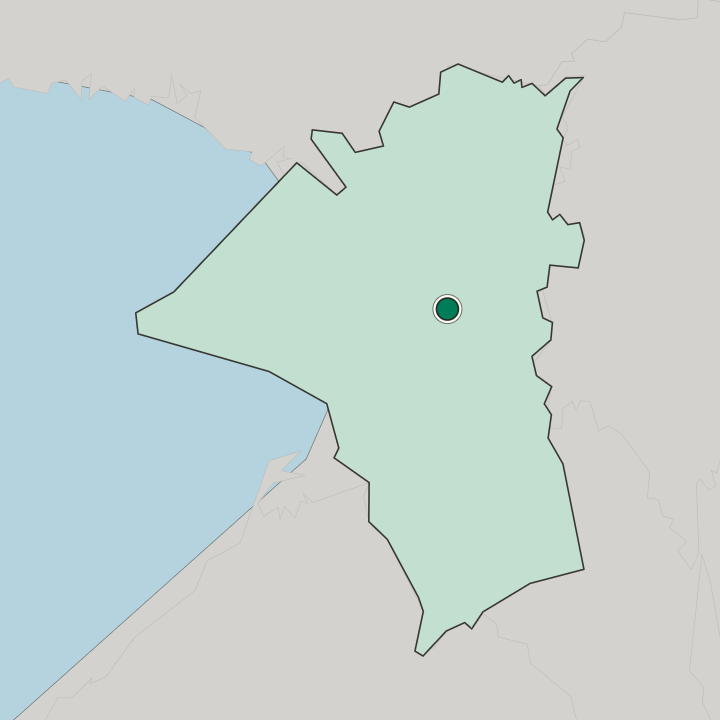
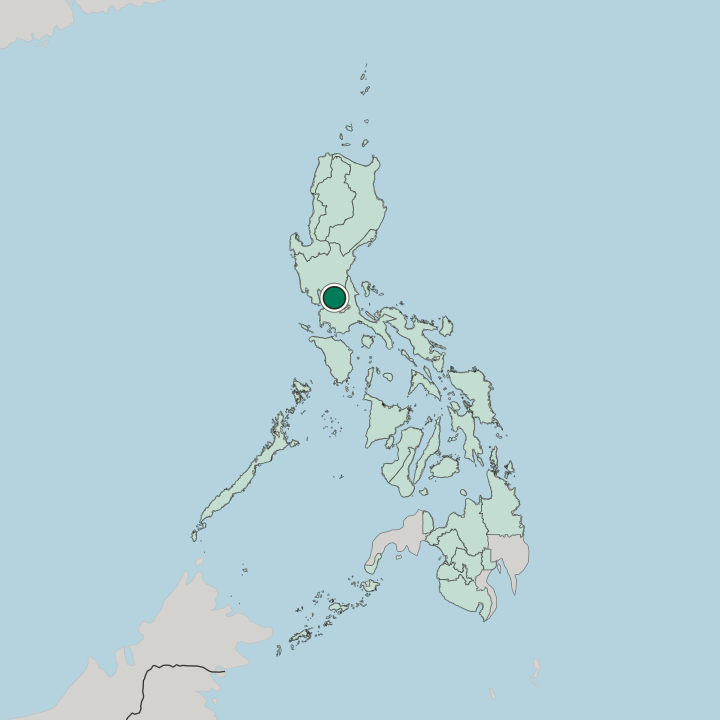
Under six square kilometres, and no more. San Juan occupies the approximate geographical centre of Metro Manila, with Manila, Mandaluyong and Quezon City pressed against its boundaries, which leaves every edge of the place a street rather than a shore or a ridge. It is the smallest city in the Philippines by land area.
Nothing here sits far from anything else, and the built lines of the National Capital Region run straight across the borders without a visible break.
What is the climate of San Juan?
Wet or dry decides the year. San Juan lies well inside the tropical band, so the year turns less on temperature than on whether the sky is dry or emptying, and the warm months simply give way to warmer and wetter ones. Evenings stay close.
With Manila, Mandaluyong and Quezon City built hard against every boundary, there is no open ground near enough to draw the heat back out of the streets after dark.
How do you get to San Juan?
Nobody flies into San Juan. Arrival is by road from the surrounding cities, because Manila, Mandaluyong and Quezon City wrap the entire boundary and their streets continue straight in without a formal edge, which makes the approach a matter of traffic rather than distance. Under six square kilometres leaves no room for a terminal.
Anything arriving in Metro Manila lands elsewhere in the National Capital Region, and the last leg is a short surface trip through neighbouring streets.
Common questions
What is the best area to stay in San Juan?
Around Pinaglabanan: Museum days built around the Pinaglabanan Shrine and Museo ng Katipunan. By San Juan Gym: Match nights at San Juan Gym and the Filoil EcoOil Centre. Across the city line: Anyone wanting a wider choice of beds than San Juan itself holds.
Good for
More cities in National Capital Region
Updated October 2026