Romania
Alba, Romania — Towns & Travel Guide
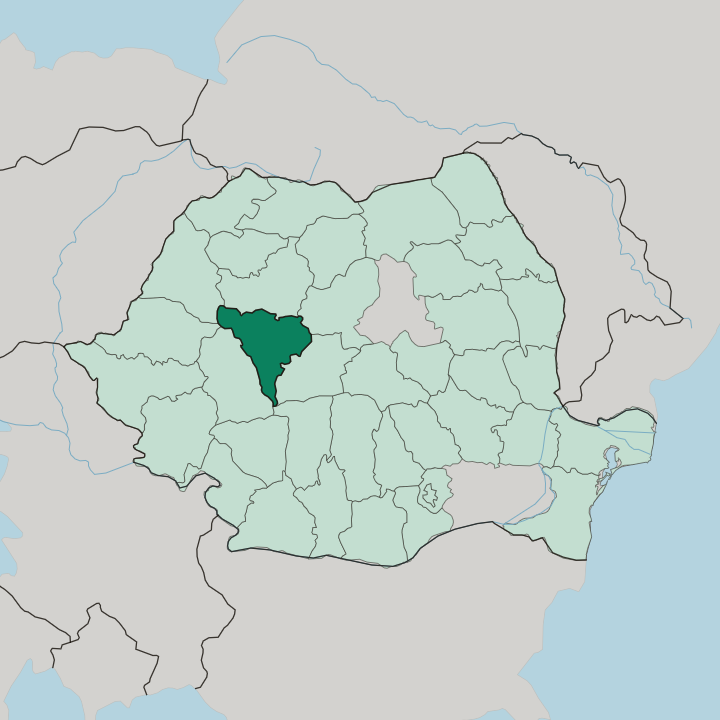
Alba is a county of central Romania in Transylvania, cut by the Mureș and ringed by the Apuseni Mountains.
Hotel links are affiliate links: booking through them may earn us a commission, at no extra cost to you. It never affects how places are ranked. How this works


Towns & cities in Alba
One town here has its own guide — it links to where to stay.

 Romania
Alba Iulia
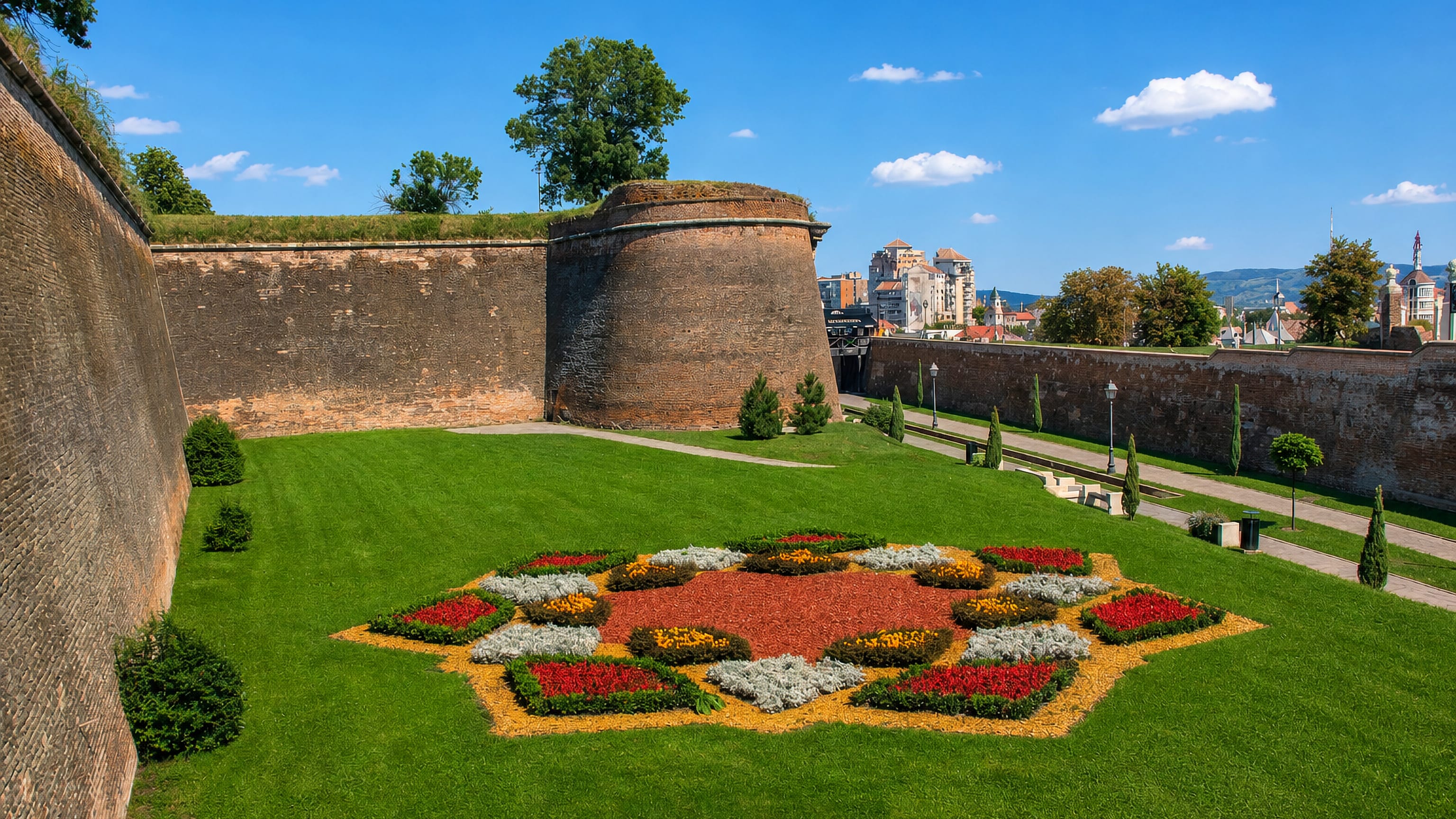
Alba Iulia stands over Roman Apulum in Alba County, a city of two cathedrals and of the National Museum of the Union.Where to stay →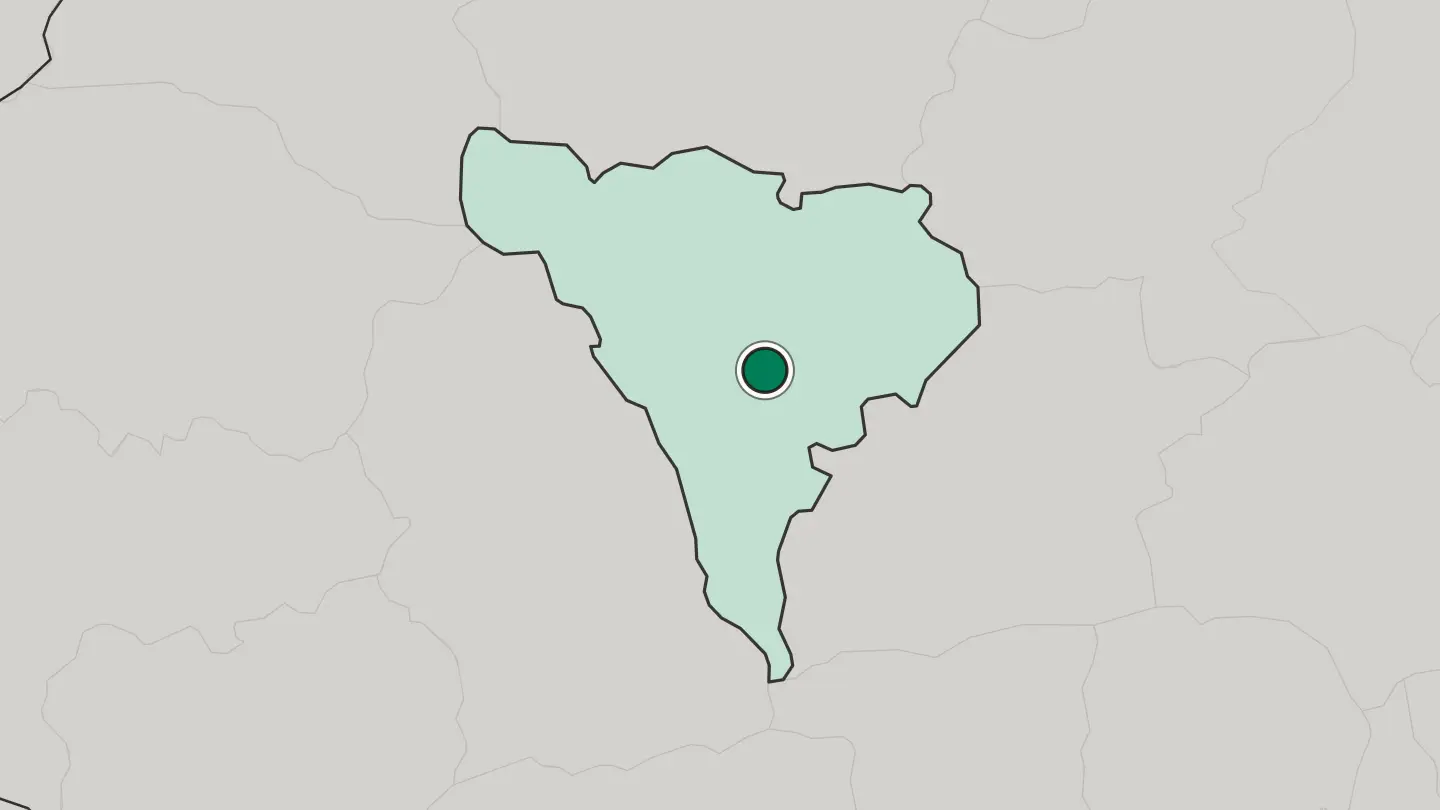
Hotel links are affiliate links: booking through them may earn us a commission, at no extra cost to you. It never affects how places are ranked. How this works
About Alba
What is Alba known for?
Alba is best known for Alba Iulia, its capital and the town where the union of Transylvania with Romania was proclaimed in 1918. The county carries that weight lightly. Its old core is the star-shaped Alba Carolina citadel, a Vauban fortress raised over the buried Roman city of Apulum, and the whole seat rises above the middle course of the Mureș.
Beyond the town the land climbs fast into the Apuseni Mountains, a limestone range honeycombed with caves. Wine and history share the ground here.
Where is Alba?
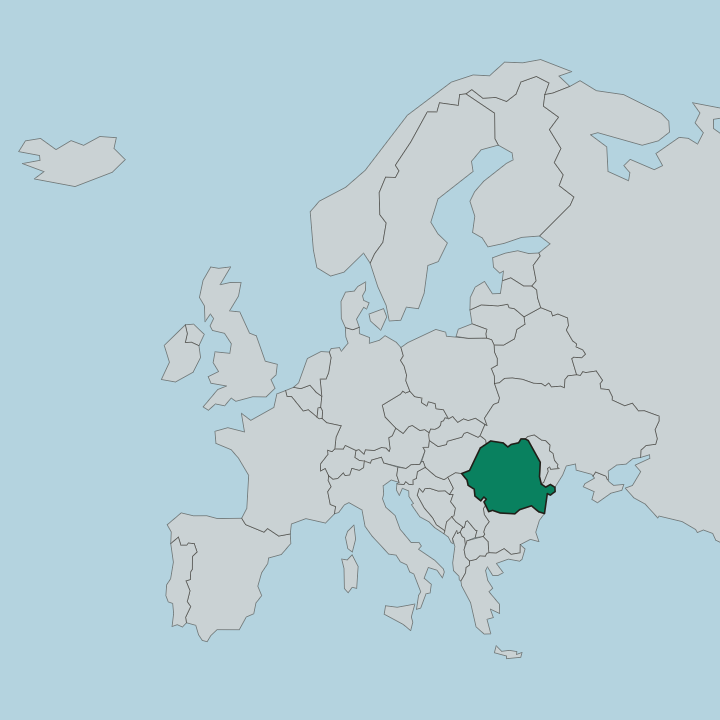
Alba sits in the middle of Transylvania, the historic region that fills central Romania inside the great arc of the Carpathians. The Mureș is its spine. The river cuts a broad diagonal valley across the county from the north-east toward the south-west, and nearly every town of any size stands on it or on one of its tributaries.
Mountains take up most of the rest. They climb steeply on both sides of the valley, so the county is far more highland than lowland. To the north-west rise the Apuseni Mountains, a limestone range of the Western Carpathians riddled with several hundred caves.
To the south stand the Șureanu and Cindrel massifs, the north-eastern shoulder of the Parâng group. Between the two the Mureș gathers the Târnava, the Sebeș and the Arieș, the tributaries that drain the surrounding heights. Alba Iulia, the capital, stands where the valley opens out in the county's centre.
Eastward the ground eases into the rolling Transylvanian Plateau, its wide valleys given over to vineyards. High rock and river valley make the county, in that order.
What is Alba like?
For Romanians, Alba is where their modern country was declared whole. On 1 December 1918 a national assembly gathered at Alba Iulia and voted the union of Transylvania with the Kingdom of Romania, and that date is now the country's national day. The town wears the memory openly.
A grand Orthodox cathedral, the coronation church of Romania's first king and queen, was raised beside the old Habsburg citadel, and the two together define the ceremonial heart of the county. The deeper past is layered underfoot. Roman Apulum lay here, the largest urban centre of the province of Dacia, and its walls sit below the streets of Alba Iulia.
Faith split the county in interesting ways. Blaj, upriver on the Târnava, became the seat of the Romanian Greek-Catholic church and the cradle of the Transylvanian School, the eighteenth-century scholars who first wrote Romanian in the Latin alphabet and argued its Roman descent. Vineyards climb the plateau slopes around it, and the Târnava hills remain some of Transylvania's best wine country.
Saxon, Hungarian and Romanian threads are woven through the villages. It is a county that argues its own history rather than merely displaying it.
What is the history of Alba?
Alba's history runs through one hill above the Mureș. The Romans built Apulum there, the seat of the Thirteenth Legion and the largest town of the province of Dacia. Later that same height became the capital of the Principality of Transylvania, held until the early eighteenth century, when the Habsburgs threw the vast star-shaped Alba Carolina citadel around it between 1716 and 1735.
The story reached its climax on 1 December 1918, when the assembly at Alba Iulia proclaimed the union of Transylvania with Romania. County lines were drawn around that seat in 1925. One fortress hill holds the whole thread.
What is the climate of Alba?
Alba has a temperate continental climate, with warm summers in the Mureș valley and cold, snowy winters. Altitude does most of the sorting. The valley floor around Alba Iulia and the plateau vineyards stay mildest, ripening the Târnava grapes through a long warm autumn, while the Apuseni and Șureanu heights run several degrees colder and hold snow well into spring.
Rain falls across the year rather than in one season. The mountains are always the cooler half.
How do you get to Alba?
Alba County flies nowhere from within its own borders. Most travellers fly into Sibiu or Cluj-Napoca and finish the trip overland, since both airports lie within a couple of hours of Alba Iulia by road or rail. Trains reach the county along the Mureș valley, the main Transylvanian line threading Aiud, Teiuș and Alba Iulia on its way between the larger cities.
The road network follows the same valley. Once you are in, the mountains are the slow part.
Common questions
What is the best area to stay in Alba?
Alba Iulia: a first visit to Alba county. Sebeș: the southern mountain edge. Blaj: the Târnava wine country. Aiud: the road into the Apuseni.
Good for
More regions in Romania
Updated September 2026