Romania
Arad, Romania — Towns & Travel Guide
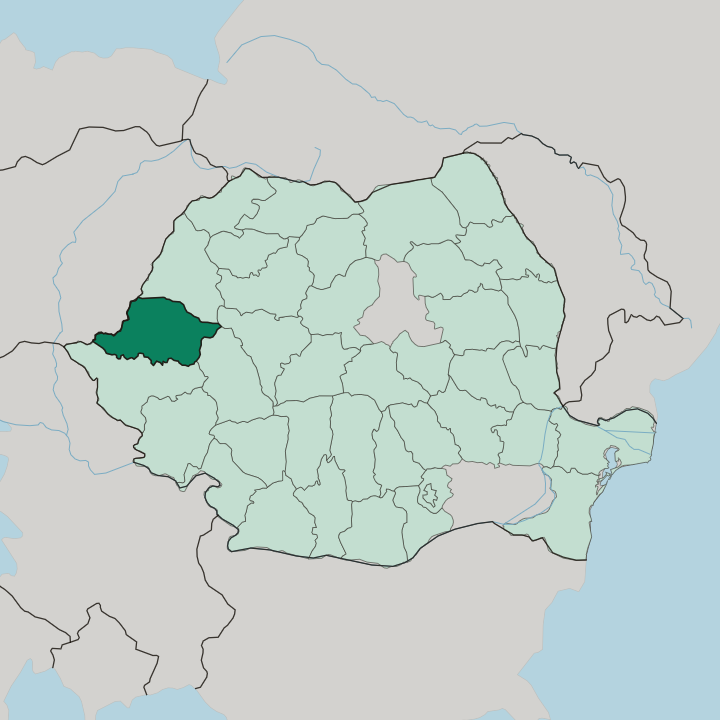
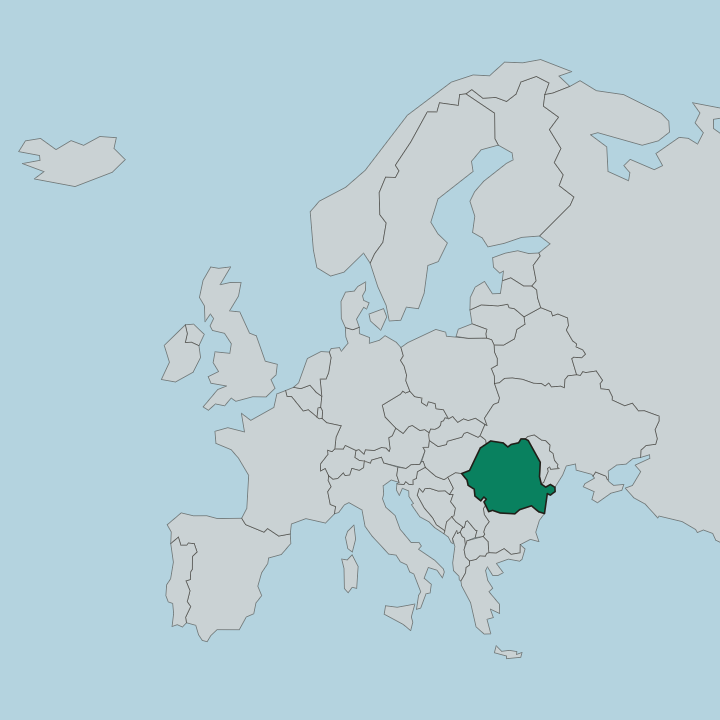
Arad County spreads across western Romania, where the Mureș leaves the hills for the plain toward the Hungarian border.
Hotel links are affiliate links: booking through them may earn us a commission, at no extra cost to you. It never affects how places are ranked. How this works


Towns & cities in Arad
One town here has its own guide — it links to where to stay.

 Romania
Arad
Arad is the capital of Arad County, an industrial city at the border of Crișana and Banat and a standing stop on the road to Hungary.Where to stay →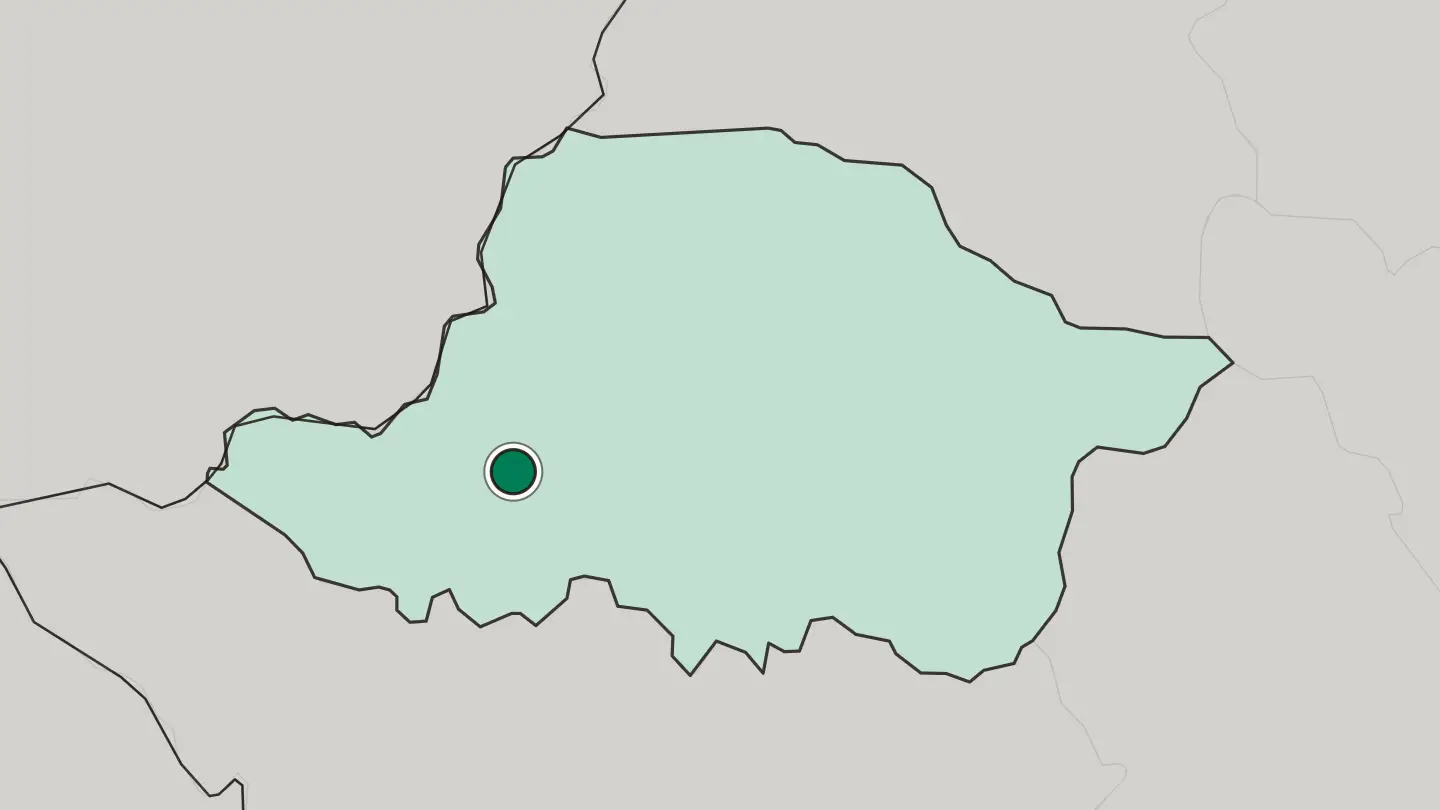
Hotel links are affiliate links: booking through them may earn us a commission, at no extra cost to you. It never affects how places are ranked. How this works
About Arad
Arad is a border county.
What is Arad known for?
It fills the far west of Romania against Hungary, split between the historical regions of Crișana in the north and a strip of Banat south of the Mureș. The city of Arad anchors it all, a rail and road hub on the river where trains from Budapest cross into the country. East of the plain the land climbs into the Zărand and Codru-Moma ranges, wooded and thinly settled.
Wine, spa towns, and a Habsburg-era fortress fill the middle ground between the two.
Where is Arad?
Arad County occupies the western edge of Romania, pressed against the Hungarian frontier. Two landscapes meet inside it. The west is flat: the Arad Plain and the Low Mureș Plain roll out toward Hungary, open farmland with few folds in it.
The east is the opposite, rising into the Western Carpathians where the Zărand Mountains and the Codru-Moma range close off the county in wooded ridges and narrow valleys. Between the two lie the Lipova Hills, a band of vineyards and orchards stepping up from the lowland. Rivers set the county's grain, and both run westward off the mountains toward Hungary.
The Mureș is the larger, cutting across the middle of the county and passing the city of Arad on its way to join the Tisza at Szeged over the border. The Crișul Alb drains the north, threading past Ineu and Sebiș before it too slips into Hungary. Most of the county belongs to the historical region of Crișana, with the villages south of the Mureș reckoned part of Banat.
Beyond the western fields there is no natural barrier at all. The plain simply continues into Hungary, which is why this has always been a crossing place.
What is Arad like?
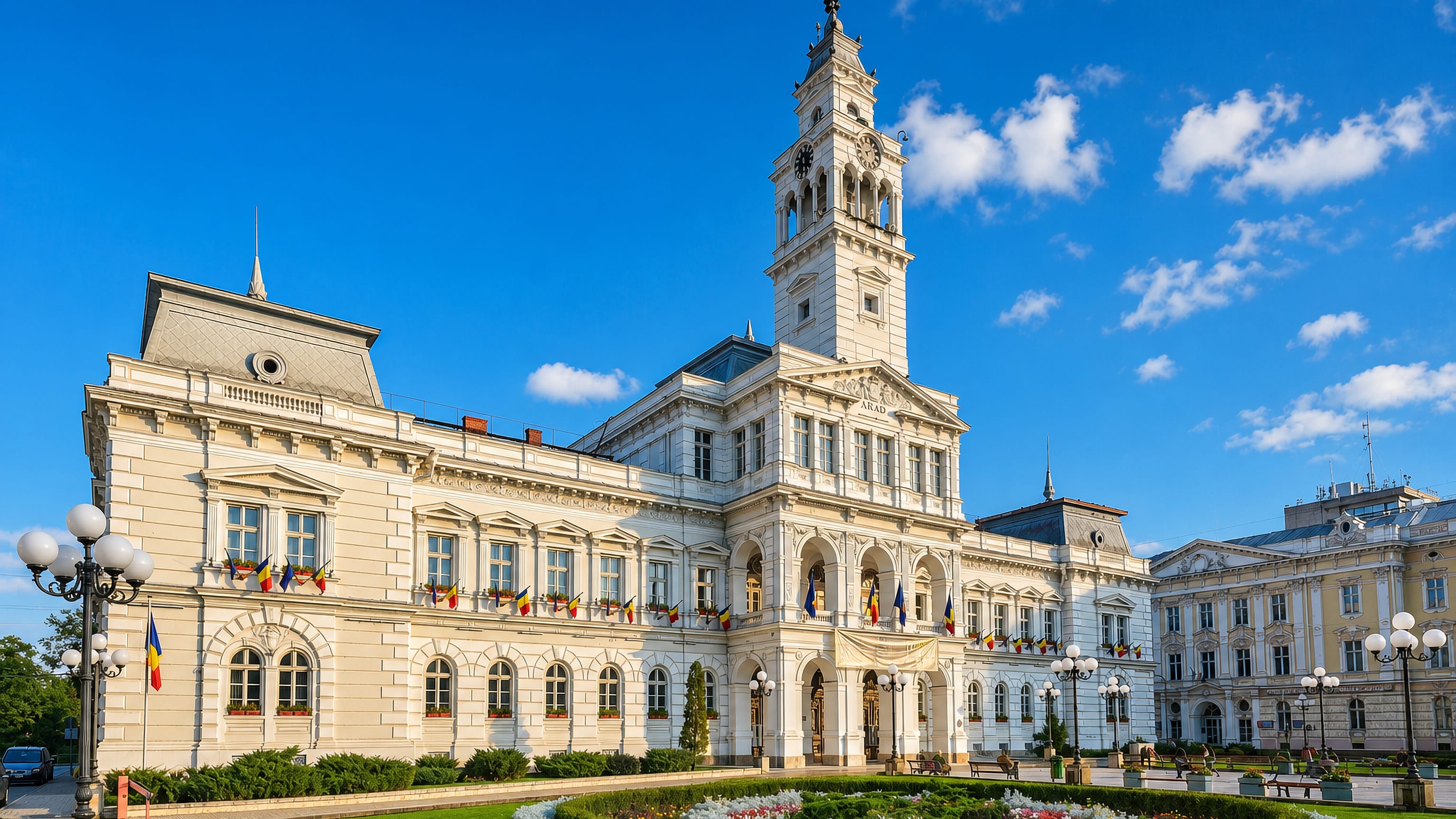
The county reads Central European more than Balkan, and its buildings say so plainly. Centuries under the Kingdom of Hungary and then the Habsburgs left the city of Arad a wide, ordered downtown of Neoclassical and mixed-style façades that earned it the nickname of a little Vienna. The Palace of Culture of 1913 gathers Neoclassical, Gothic, and Renaissance detail under one roof.
The Ioan Slavici Theatre runs to columns and pediment. It built early. One of the first music conservatories in Europe opened here, and one of the first car factories in the region followed not long after.
The mix of people runs as deep as the mix of styles. Romanians, Hungarians, Germans, and Serbs have long shared these towns, a legacy of the borderland that shows in church, language, and kitchen alike. Wine belongs to the identity too, pressed from the Lipova Hills and the slopes around Miniș, where the vineyards go back generations.
Faith left its mark on the hills: the Bodrog and Hodoș-Bodrog monasteries stand among the oldest in the country. The result is a culture built at a crossing, layered rather than singular.
What is the history of Arad?
The county grew up along the Mureș under the medieval Kingdom of Hungary, its first ispán on record in 1214. Then war reshaped it. For the better part of two centuries Lipova and its neighbours passed back and forth between the Ottomans and the Habsburgs, until the Habsburgs finally held the whole region after 1716.
It was they who raised the Vauban star-fort at Arad between 1763 and 1783. The county went to Romania with the Treaty of Trianon in 1920, when the western border with Hungary was drawn. It still runs there.
What is the climate of Arad?
Arad has a temperate continental climate with a touch of oceanic softness carried in from the west. The cold settles in over winter. January hovers around freezing on the plain, while July and August turn genuinely warm, and the low western flatland runs hotter than the shaded valleys of the Zărand and Codru-Moma ranges to the east.
Rain spreads through the year, heaviest in early summer, and the eastern hills catch more of it than the open ground by the Hungarian border. Spring and autumn are the kinder seasons for the vineyards.
How do you get to Arad?
Most visitors arrive in Arad by road or rail. The city sits on the main E68 route and the rail line between Budapest and Bucharest, so direct trains run west across the Hungarian border to Budapest in a matter of hours. Larger Timișoara and its international airport lie a short drive south, feeding most air arrivals into the county.
Arad has its own small airport as well, close to the city. Two airports serve the county. From the county town, road and rail fan out east up the Mureș toward Lipova and north along the Crișul Alb to Ineu.
Common questions
What is the best area to stay in Arad?
Arad: a base with rail links across the Hungarian border. Lipova: spa water and hill walks east of the city. Ineu: the Crișul Alb valley and the northern hills.
Good for
More regions in Romania
Updated September 2026