Romania
Ilfov, Romania — Towns & Travel Guide
Ilfov is the ring of plain, forest and lake that wraps around Bucharest on the Wallachian Plain.
Hotel links are affiliate links: booking through them may earn us a commission, at no extra cost to you. It never affects how places are ranked. How this works


Towns & cities in Ilfov
One town here has its own guide — it links to where to stay.
 Romania
Voluntari
Voluntari stands in Ilfov County, a kilometre past the northern boundary of Bucharest and joined to the capital in all but name.Where to stay →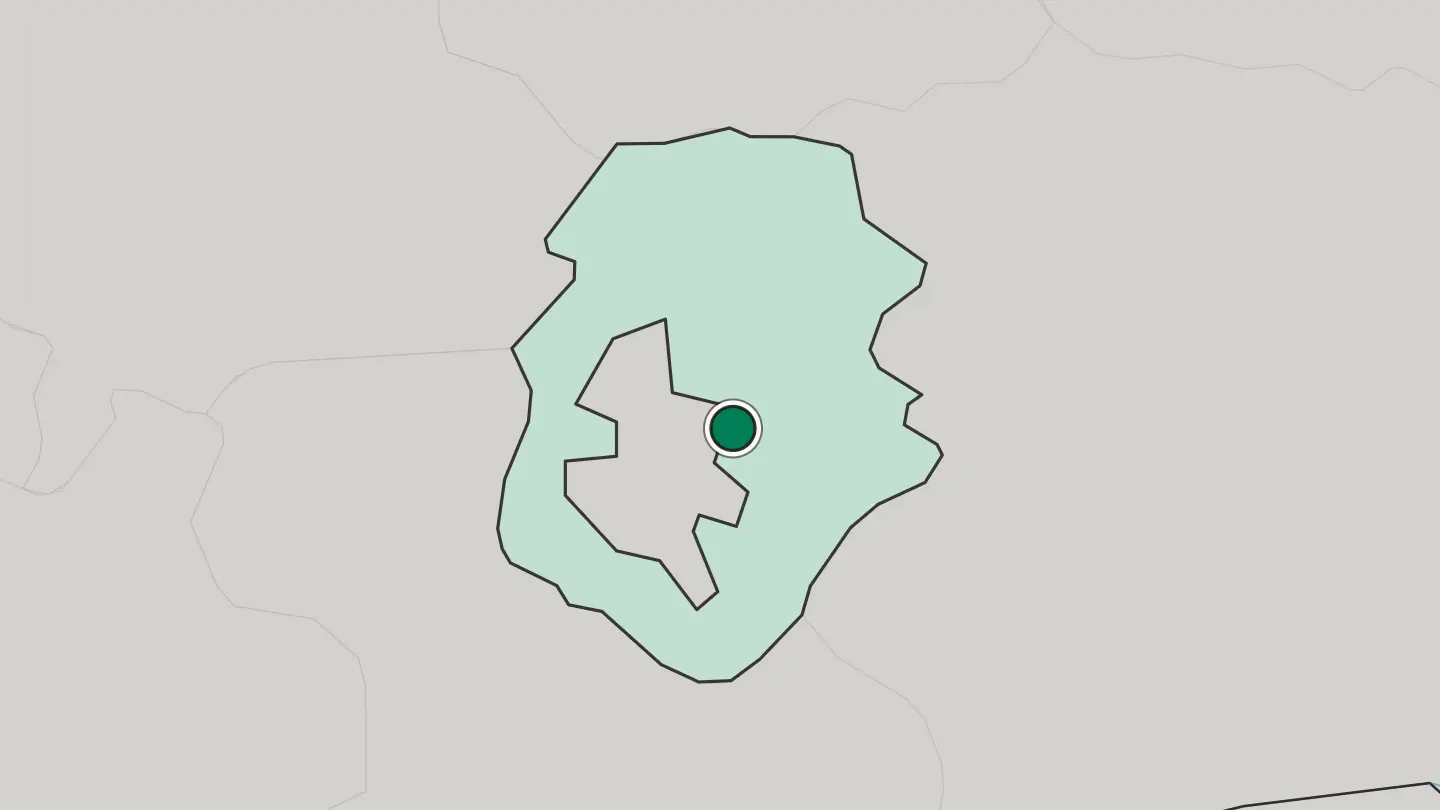
Hotel links are affiliate links: booking through them may earn us a commission, at no extra cost to you. It never affects how places are ranked. How this works
About Ilfov
What is Ilfov known for?
Ilfov is the county that encircles Bucharest, and the capital sits inside it as an enclave the county never actually contains. It is the smallest county in Romania by area. Two things pull travellers out here.
The lakes and old forests of the north hold Snagov, the island monastery where Vlad the Impaler is said to be buried, along with the Brâncovenesc palace at Mogoșoaia. Nearly everyone who flies into the country lands in Ilfov too, at Henri Coandă International Airport in Otopeni north of the city.
Where is Ilfov?
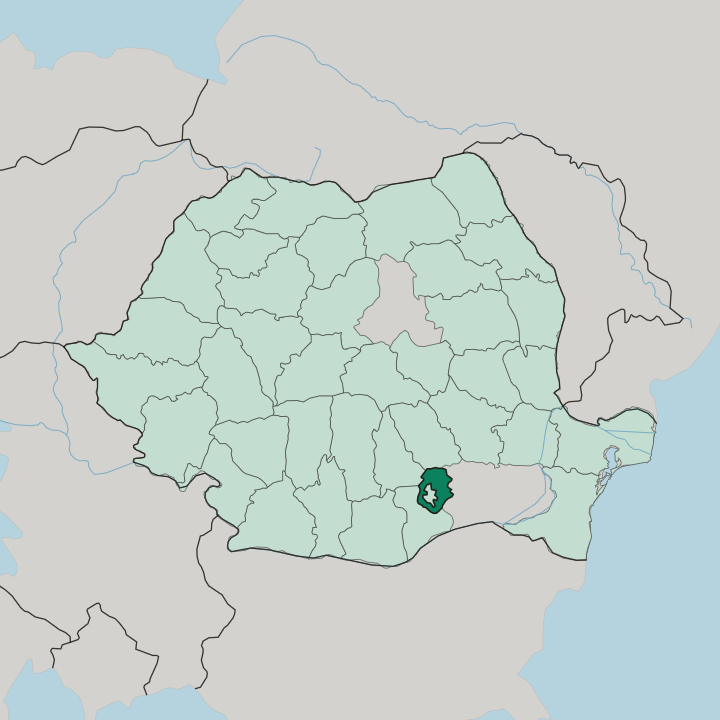
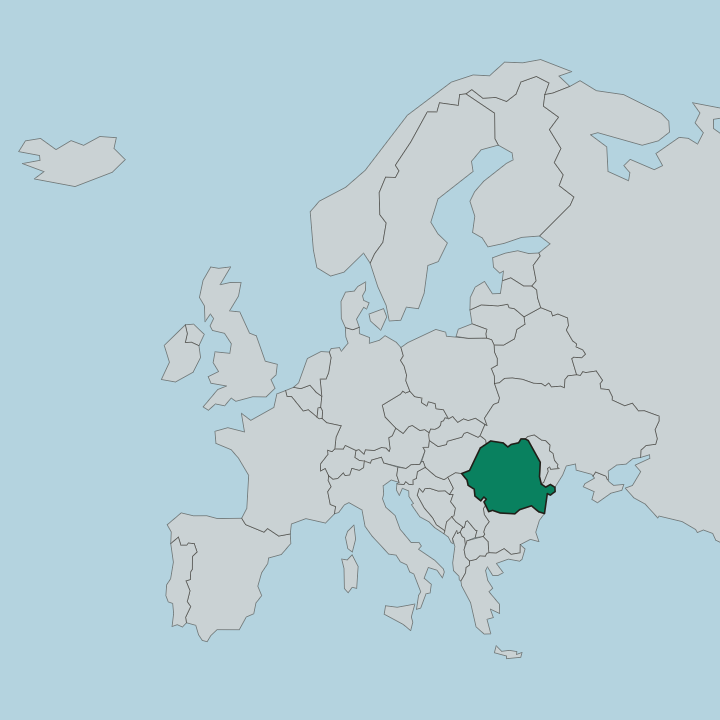
Ilfov lies in the far south of Romania, spread across the flat Wallachian Plain that runs down toward the Danube. It forms a doughnut around Bucharest. Ilfov is the one county in Romania whose administrative seat falls outside its own borders, with the capital sitting at its centre.
Low, open land fills the rest, cut by slow lowland rivers rather than shaped by any hill. The Dâmbovița threads through the county on its way through the capital, and the Colentina runs parallel to the north, its course dammed into a chain of lakes that includes Snagov, Cernica and Căldărușani. Beyond the built-up ring, the north keeps some of the old oak forest that once covered this part of the plain.
Around those lakes the country turns green and wooded, a contrast with the plainland farmland further out. Neighbouring counties box Ilfov in on every side, from Prahova in the north to Giurgiu in the south, with Dâmbovița to the west and Ialomița and Călărași to the east. No coast, no mountains, no border with another country.
The whole county is within an easy drive of the capital it surrounds.
What is Ilfov like?
Ilfov reads as the countryside of the capital rather than a place with a centre of its own. Its towns are commuter towns. Villages that were farmland a generation ago have filled with warehouses, offices and new houses, and the ring around Bucharest is the most developed county in Romania.
The culture that draws visitors is older than any of that, and it sits out among the lakes and the woods. Mogoșoaia Palace is the set piece. Constantin Brâncoveanu built it above a lake just outside the city in the Brâncovenesc style he gave his name to, a blend of Venetian, Ottoman and Byzantine lines that became the signature look of Wallachian building.
The monasteries carry the same weight. Snagov, on its island, and the walled houses of Cernica and Căldărușani were where the princes of Wallachia endowed churches and, in Snagov's case, buried them. Romanian is the language spoken throughout.
Between the palace, the island church and the forest lakes, the county keeps a quieter, older Wallachia within sight of a fast-growing capital.
What is the history of Ilfov?
The name comes from a small river. Ilfov has Slavic roots meaning alder forest, and it first appears in a donation act of the year 1482 that granted land to Snagov Monastery. For centuries this was the woodland edge of Wallachia around its capital, where princes such as Constantin Brâncoveanu raised palaces and endowed the island churches.
The modern county was drawn in 1968. Its shape has kept shifting around Bucharest ever since, but its role has not: it has always been the land that rings the capital.
What is the climate of Ilfov?
Ilfov has a temperate-continental climate, with a wide swing between the seasons out on the open plain. Summers are hot. July days push into the low thirties across the fields and the towns, cooling a little under the trees along the Snagov and Cernica lakes.
Winters turn cold and grey, with January nights below freezing and snow settling on the flat land. Rain is light for Europe and falls mostly in early summer, so the plain stays dry through much of the year.
How do you get to Ilfov?
Almost every visitor to Romania passes through Ilfov on arrival. Henri Coandă International Airport, at Otopeni north of Bucharest, is the country's busiest and the main way in from abroad, handling most international flights into the region. From the terminals it is a short drive south into the capital or out to the lakes at Snagov.
Road and rail fan out from Bucharest across the surrounding county. The plain is flat. Once you are in the city the rest of Ilfov is close, an easy drive in any direction.
Good for
More regions in Romania
Updated September 2026