
Romania
Buzău, Romania — Towns & Travel Guide
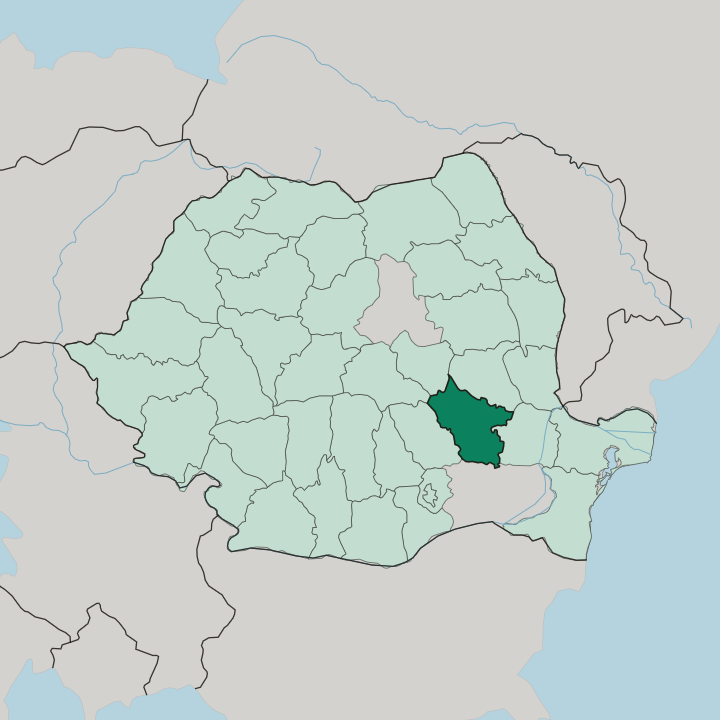
Buzău is a county of south-eastern Romania, running from the Carpathian curve down to the flat Bărăgan Plain.
Hotel links are affiliate links: booking through them may earn us a commission, at no extra cost to you. It never affects how places are ranked. How this works


Towns & cities in Buzău
One town here has its own guide — it links to where to stay.

 Romania
Buzău
Buzău is the seat of Buzău County, a town recorded from 1431 and centred on the Vergu-Mănăilă House and the Cathedral of the Ascension.Where to stay →
Hotel links are affiliate links: booking through them may earn us a commission, at no extra cost to you. It never affects how places are ranked. How this works
About Buzău
Buzău is known for strange ground.
What is Buzău known for?
In Scorțoasa the Berca Mud Volcanoes push grey, cold mud through cones a few metres high, a scrubbed moon-like patch unlike anywhere else in Romania. Near Lopătari the Living Fire burns where natural gas seeps up through cracks and ignites, best seen after dark. The subcarpathian slopes hold vineyards, and the pale wine of Pietroasele has been pressed on these south-facing hills for centuries.
Amber worked from the hills around Colți gives the county its own small museum.
Where is Buzău?
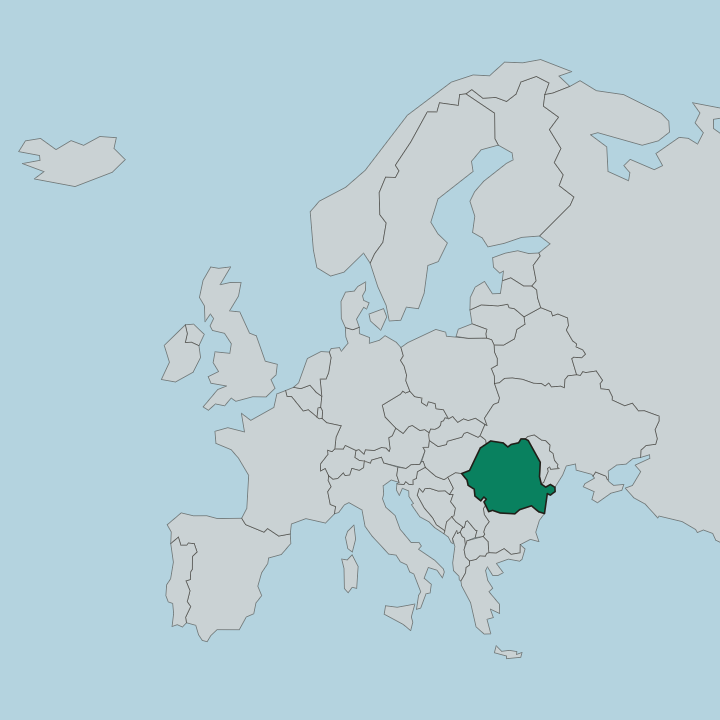
Buzău sits in south-eastern Romania, in the historical region of Muntenia. The county tilts. Its northern edge belongs to the southern end of the Eastern Carpathians, where the Buzău and Vrancea mountains rise past 1,700 metres, and from there the land steps down through a broad belt of subcarpathian hills before flattening out entirely into the Bărăgan Plain, which drops to roughly 80 metres in the south-east.
That fall from ridge to plain, across a county of some 6,000 square kilometres, is the whole shape of the place. One river binds it together. The Buzău River rises in the Carpathians east of Brașov, gathers the smaller mountain streams as it comes down, and runs east across the county to join the Siret.
The town of Buzău stands on its right bank, at the hinge where the mountains give way to the plain. It is that hinge position, at the curve of the Carpathians between the uplands and the open lowland, that has always defined the county.
What is Buzău like?
Buzău keeps a market-town character it earned honestly. The county town began as a customs and exchange point at the meeting of roads from Wallachia, Moldavia and Transylvania, and trade shaped it. That trading past still surfaces every Midsummer in the Drăgaica fair, a June gathering that traces back to shepherds' fairs held up in the Buzău mountains and drew producers and merchants down into the town before the 18th century.
Buzău remains a shepherds' county at heart, its hills grazed and its slopes planted to vine and orchard. The built heritage is modest but real. The Communal Palace, raised in a Neo-Romanian style between 1899 and 1903, is the town's signature building, and the shaded Crâng park is its lung.
Out in the county the character turns rural and devout: painted monasteries at Ciolanu and Rătești, the open-air sculpture camp at Măgura, and the amber that hill-country families dug and carved at Colți, now gathered in a small museum. Craft here is a local trade, not a spectacle.
What is the history of Buzău?
The name is old. The river was recorded as the Mousaios in a 4th-century account of the martyrdom of Saint Sava, and the town of Buzău first appears as a market town and customs station in a charter of 1431 issued by Dan II of Wallachia. Its position at the Carpathian curve, on the roads between Wallachia, Moldavia and Transylvania, made it a natural place of exchange through the Middle Ages, though war, plague and earthquakes repeatedly emptied it.
The county has carried that crossroads role ever since.
What is the climate of Buzău?
Buzău runs on a temperate-continental climate that hardens as you move south onto the plain. Winters bite. The Bărăgan lowland counts around 92 days of frost a year and takes the brunt of the cold, while the same open plain bakes and dries under summer heat and drought.
The subcarpathian hills soften the extremes, and on the south-facing slopes around Pietroasele a near sub-Mediterranean warmth, with hot days and cool nights, is exactly what the vines want. In the northern mountains snow and blizzards close the picture.
How do you get to Buzău?
Most travellers reach Buzău from Bucharest. The town of Buzău sits on the main rail and road line running north-east from the capital toward Moldavia, so trains and coaches call there regularly and the county has no airport of its own. From the town of Buzău the county road climbs up the Buzău valley into the hills, reaching the Berca Mud Volcanoes within a short drive and the mountain villages and the Living Fire further up.
A car makes the county's scattered sights far easier to string together.
Common questions
What is the best area to stay in Buzău?
Buzău town: a base with the county museum and Crâng park. The Buzău valley and hills: the mud volcanoes and the vineyards. The northern mountains: high forest and the eternal flames.
Good for
More regions in Romania
Updated September 2026