
Romania
Galaţi, Romania — Towns & Travel Guide
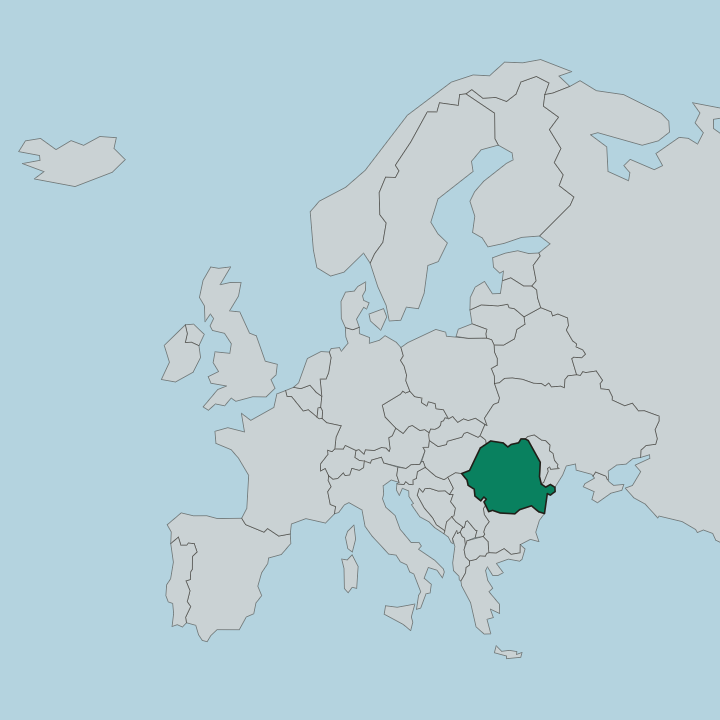
Galați is a Danube county in south-eastern Romania, wedged between the Prut and the Siret near the Black Sea.
Hotel links are affiliate links: booking through them may earn us a commission, at no extra cost to you. It never affects how places are ranked. How this works


Towns & cities in Galaţi
One town here has its own guide — it links to where to stay.

 Romania
Galaţi
Galați works the Danube. The port, the shipyard, and the Galați steel works drive a city of Western Moldavia.Where to stay →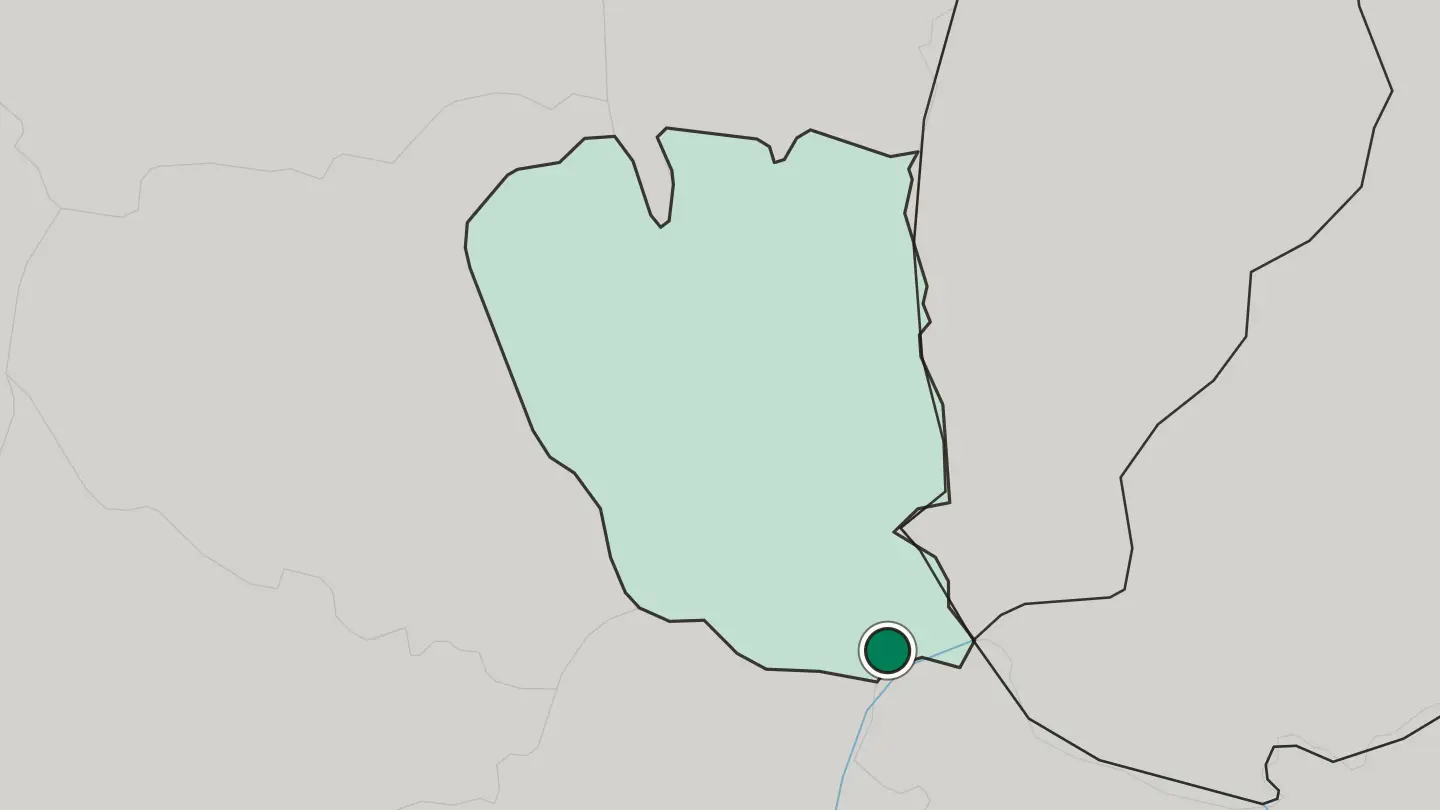
Hotel links are affiliate links: booking through them may earn us a commission, at no extra cost to you. It never affects how places are ranked. How this works
About Galaţi
Steel and ships.
What is Galaţi known for?
The port city of Galați anchors the county, running Romania's largest steelworks and its biggest Danube shipyard from a waterfront some 80 kilometres upriver of the Black Sea. Three rivers box the county in. The Danube forms the south-eastern edge, the Prut marks the border with Moldova to the east, and the Siret closes it off to the west.
Inland lie the Covurlui Plateau and flat meadows, farmland that feeds a grain trade older than the mills.
Where is Galaţi?
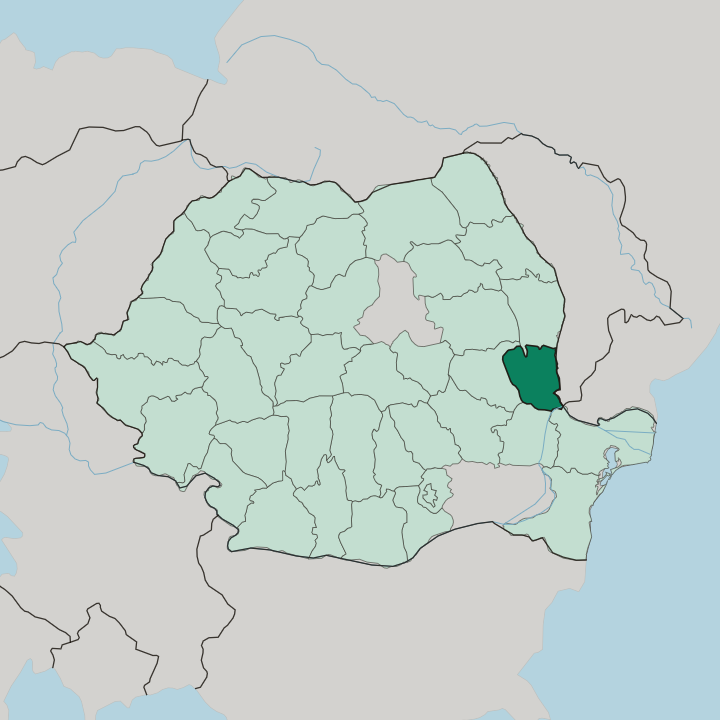
Galați lies in south-eastern Romania, in the historical region of Western Moldavia, a county drawn almost entirely by water. Three rivers hem it in. The Danube runs along the south-eastern side, dividing the county from Tulcea and bending toward the Black Sea some 80 kilometres downstream.
Eastward the Prut traces the whole edge, and that river is also the international border with Moldova. Down the western and south-western flank comes the Siret, joining the Danube near the point where the county narrows to its southern tip. Inland the land is quiet and low.
The Covurlui Plateau rises across the north to a little over 300 metres, its wooded hills falling away south into the Tecuci and Covurlui plains and the flat meadows of the lower Siret and Prut. Lake Brateș spreads across 24 square kilometres just north of the port city, a shallow sheet left where the Prut once wandered. Where the three rivers nearly meet, at the county's south-eastern corner, sits Galați itself, and everything in the county tips toward that confluence and the Danube beyond.
What is Galaţi like?
Galați wears its industry openly. This is a working river county, and the port city grew up around grain wharves, shipyards and the great steelworks that opened in the 1960s, so its character is that of a Danube labour town rather than a museum quarter. Yet the water gives it another face.
The riverfront promenade draws people out in the evening, and the Natural Sciences Museum Complex gathers a botanical garden, an aquarium and a planetarium along that same stretch, filling it with specimens from the Danube basin. Romanian is the everyday language, spoken here in the soft Moldavian manner of the north-east. The University of Galați, founded in 1974, keeps naval architecture and food science close to the industries that pay for them, and its students give the port city a younger edge than its factories suggest.
Old rivalry with Brăila, the twin port a short way down the Danube, runs through local talk. Both cities claim the river. Neither concedes it, and the argument is half the fun.
What is the history of Galaţi?
Galați first appears in the record in 1445, in a charter of the Moldavian prince Stephen II, though people had fished and traded at the Danube bend long before. Its fortunes turned on the river. After Russia took the land east of the Prut in 1812, Galați became Moldavia's only port, and free-port status from 1837 to 1882 made it the great grain gate of the lower Danube, shipping wheat toward the Black Sea and beyond.
Steel and shipbuilding came in the century that followed, but the harbour made the county long before the furnaces did.
What is the climate of Galaţi?
The county has a sharp continental climate. Summers on the lower Danube plains run very hot and dry, baking the meadows of the Siret and Prut, while winters bring hard frosts and the blizzards the locals call viscol sweeping across the open Covurlui Plateau. In Galaţi the shoulder seasons pass quickly.
Rain is thin and comes mostly in warm-season storms, so the farmland leans on the rivers as much as the sky for its water.
How do you get to Galaţi?
Rail and road bring most travellers in. From Bucharest it is roughly a quarter-day's journey to the south-west across the plains, and Galați sits at the end of a main line, a rail junction shared with Tecuci out west and with Brăila just down the Danube. The river carries cargo more than passengers.
Ferries still cross the Danube toward Tulcea, and Moldova lies right over the Prut to the east, a single border crossing away from the port city.
Common questions
What is the best area to stay in Galaţi?
Galați: the Danube waterfront and the museums. Tecuci: a stop between trains on the Bârlad.
More regions in Romania
Updated September 2026