
Romania
Satu Mare, Romania — Towns & Travel Guide
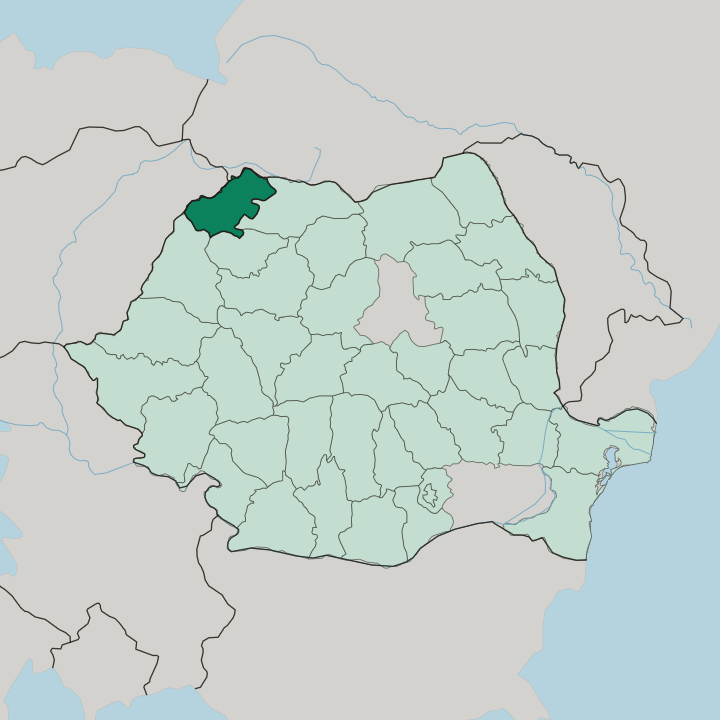
Satu Mare is Romania's north-western corner, where the Someș plain meets the Oaș hills at the Hungarian and Ukrainian borders.
Hotel links are affiliate links: booking through them may earn us a commission, at no extra cost to you. It never affects how places are ranked. How this works


Towns & cities in Satu Mare
One town here has its own guide — it links to where to stay.

 Romania
Satu Mare
Satu Mare is a city on the Someș in the far northwest of Romania, a Partium border town of Baroque and Secession streets near the Hungarian frontier.Where to stay →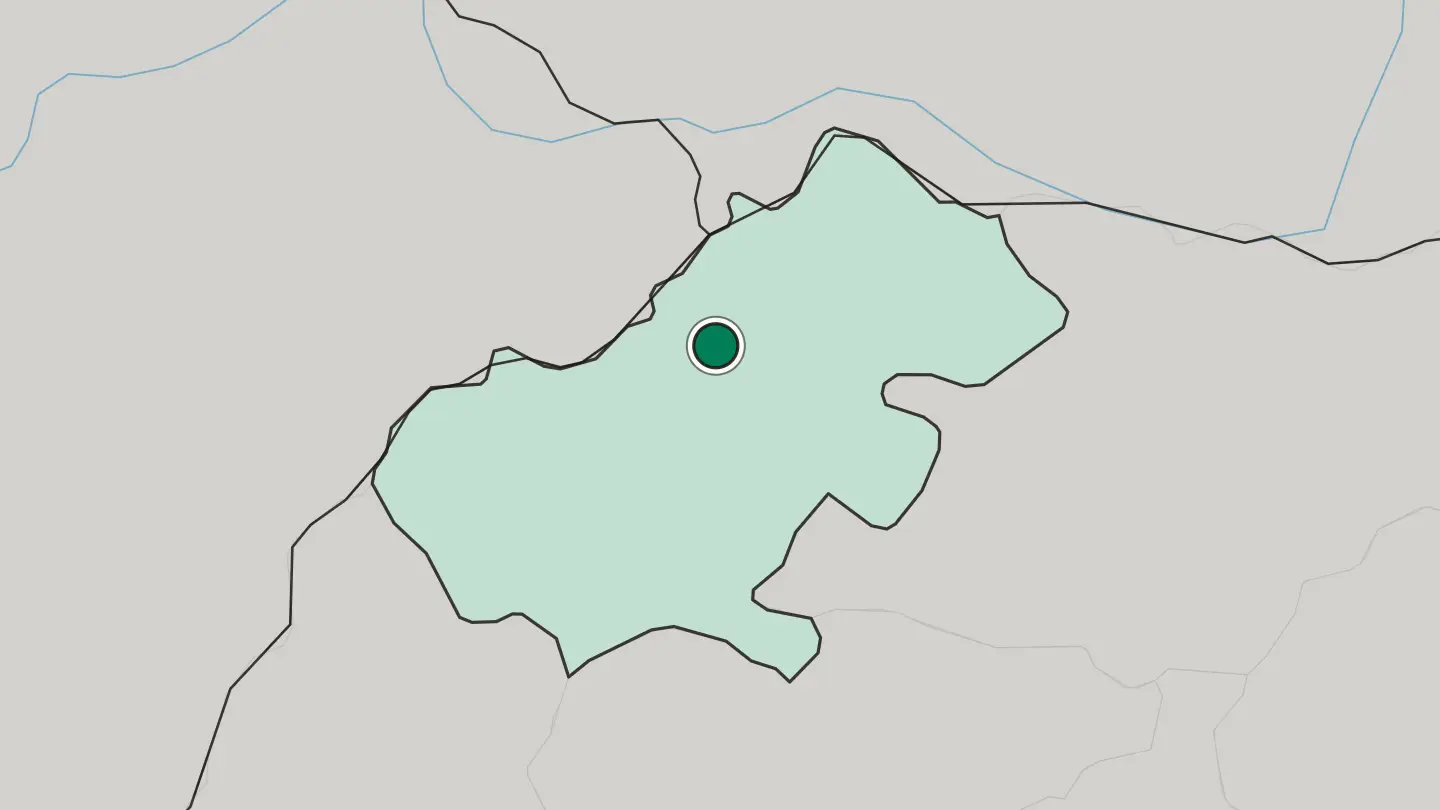
Hotel links are affiliate links: booking through them may earn us a commission, at no extra cost to you. It never affects how places are ranked. How this works
About Satu Mare
What is Satu Mare known for?
Satu Mare is a county in the far north-west of Romania, pressed against Hungary and Ukraine. Two cultures share it. The county seat, also called Satu Mare, carries Secession-era facades and the tall Firemen's Tower above the Someș, and its people speak both Romanian and Hungarian in the street.
Carei holds the Baroque Károlyi Castle, and the thermal water at Tășnad draws bathers to the plain. Rising behind them, the Oaș Mountains keep some of the country's most stubborn folk traditions alive.
Where is Satu Mare?
Satu Mare fills the far north-western corner of Romania, where the country runs out against Hungary to the west and Ukraine to the north. Satu Mare slopes from mountain down to plain. In the north the Oaș Mountains rise as an outlier of the Eastern Carpathians, a volcanic range that covers roughly a sixth of the county and shelters the ethnographic pocket known as Țara Oașului.
Below them come hills, and then the ground flattens westward into the Pannonian Plain that carries on across the border into Hungary. The Someș is the county's spine. It threads north-westward off the Transylvanian highlands, past the county seat, and on toward its meeting with the Tisza beyond the frontier.
Two smaller rivers frame the county: the Tur, which gathers in the Oaș Mountains and skirts the north, and the Crasna, which drains the southern flats. Water and slope divide the place cleanly. The east is highland and forest, the west is farmland and marsh-drained plain, and the seat sits where the two trade off along the river.
That split shapes everything, from where the vineyards grow to which language you hear first.
What is Satu Mare like?
Satu Mare is a bilingual county, and the mix is not decorative. Romanian and Hungarian have shared these towns for centuries, and both are spoken openly across the seat, Carei, and the border villages, where the Hungarian community gathers most densely. That doubling shows in the architecture too.
The county seat wears Secession and Art Nouveau facades from its Austro-Hungarian decades, and Carei is anchored by the Baroque Károlyi Castle, seat of a family that once ran much of this corner of the old kingdom. The other half of the county's character lives in the hills. Țara Oașului, the Oaș Country around Negrești-Oaș, is one of Romania's more tenacious folk regions, known for shrill polyphonic singing, hand-worked costume, and weddings staged with an intensity that outsiders rarely forget. Two worlds, one county.
The plain leans toward the Central-European towns just over the border, while the highland villages keep an older, distinctly Romanian grain. Between them runs the Someș, and along it the food, the churches, and the festivals borrow freely from both traditions.
What is the history of Satu Mare?
For most of its recorded life this corner belonged to Hungary, held within the historic Szatmár County of the medieval and later Habsburg kingdom. Power sat with the great landed families, the Károlyi among them, whose castle still stands at Carei. Boundaries were redrawn around Szatmár.
The Treaty of Trianon transferred the territory to Romania in 1920, and the present county was drawn up under its Romanian name in 1925. The old bilingual society stayed behind the new border, which is why Hungarian and Romanian still share these streets.
What is the climate of Satu Mare?
Satu Mare has a temperate continental climate, softened where the Pannonian Plain opens west toward Hungary. Cold grips Satu Mare through the winter months. The north lies colder still.
Snow settles on the Oaș Mountains and lingers longer in the highland north than down on the Someș flats, where the growing season runs warm and long enough for the county's vineyards and orchards. Summers bring heat and heavy afternoon storms rolling in off the plain, and rainfall spreads through the year rather than piling into one season. The hills stay cooler and wetter than the low western farmland throughout.
How do you get to Satu Mare?
Most arrivals land at Satu Mare International Airport, just south of the county seat, which runs scheduled flights to Bucharest and a handful of European cities. The border does much of the rest. Hungary lies only a short drive west of the seat, with a crossing near Carei, and Ukraine sits close to the north, so many visitors simply drive in from either side.
The railway carries its share into Satu Mare as well. Rail links the county seat south and east into the wider Romanian network, and roads fan out from it to Carei, Tășnad, and the Oaș hills.
Common questions
What is the best area to stay in Satu Mare?
Satu Mare: the Secession-era county seat on the Someș. Tășnad: a thermal-spa base on the plain. Carei: the Baroque castle and the Hungarian border towns. Negrești-Oaș: the Oaș folk country in the hills.
Good for
More regions in Romania
Updated September 2026