
Romania
Sibiu, Romania — Towns & Travel Guide
Sibiu County sits in southern Transylvania, where the Cibin valley meets the Făgăraș wall and the Saxon town of Hermannstadt.
Hotel links are affiliate links: booking through them may earn us a commission, at no extra cost to you. It never affects how places are ranked. How this works


Towns & cities in Sibiu
Pick a town or city — each links to where to stay.

 Romania
Sibiu
Sibiu straddles the Cibin River. The Transylvanian county seat holds the Brukenthal National Museum and towers that carry the names of old trades.Where to stay →
 Romania
Mediaş
Mediaș is a Transylvanian city. Saint Margaret Church heads a list of five landmarks in a Sibiu County town chartered in 1267.Where to stay →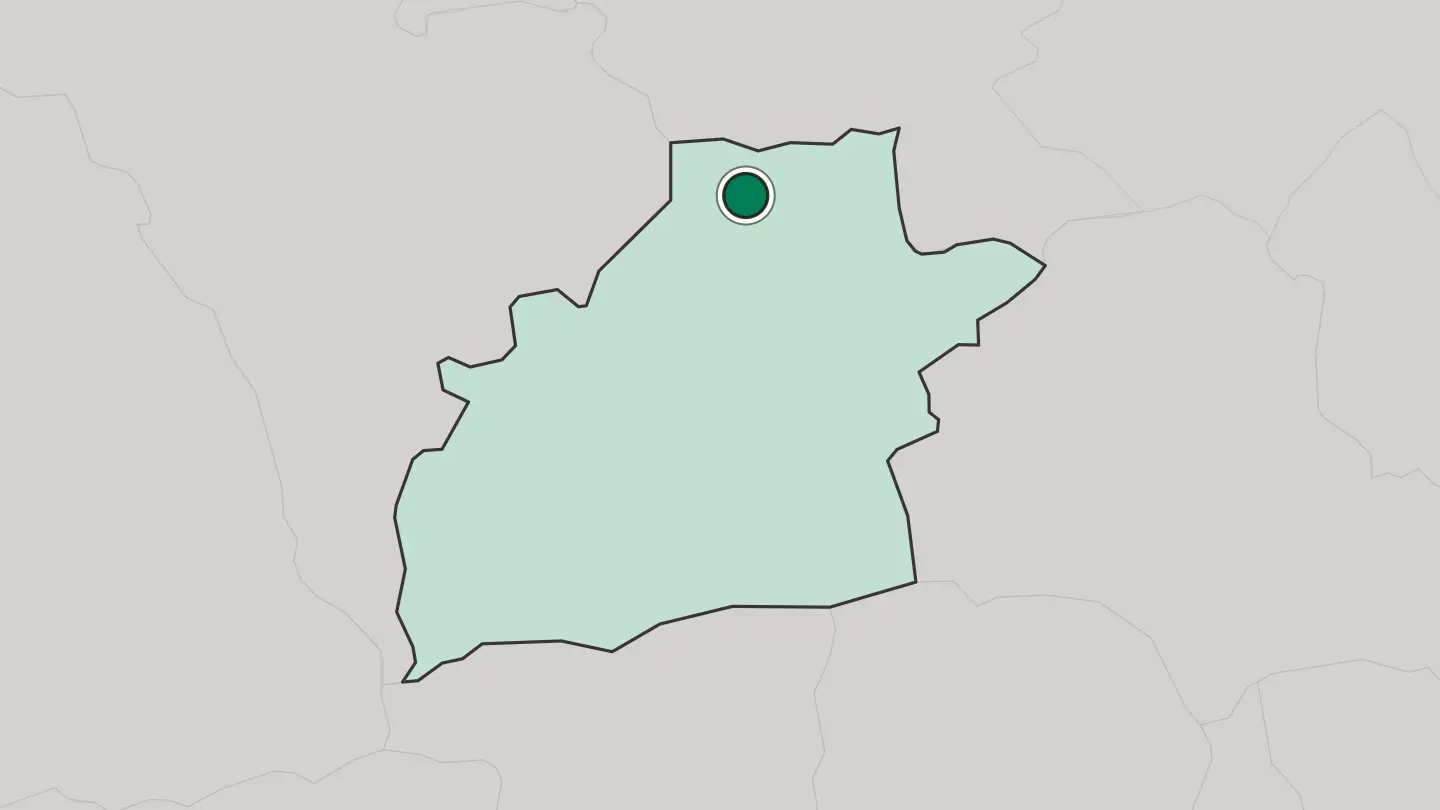
Hotel links are affiliate links: booking through them may earn us a commission, at no extra cost to you. It never affects how places are ranked. How this works
About Sibiu
Saxon Transylvania has its heart here.
What is Sibiu known for?
The county capital, Sibiu, was the German settlers' Hermannstadt, the richest of the seven walled towns that gave the whole region its old name of Siebenbürgen. Fortified churches still stand over the villages of the Hârtibaciu valley, ringed by stone against Ottoman and Tatar raids. To the south rise the Făgăraș Mountains, crossed by the Transfăgărășan road up to the glacier tarn of Bâlea Lake.
Come for the medieval core and the high Carpathians in one short trip.
Where is Sibiu?
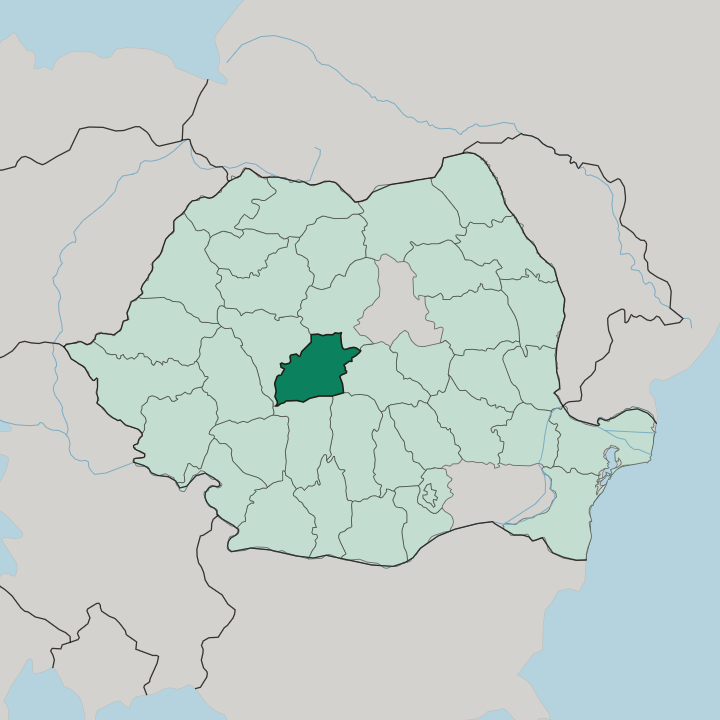
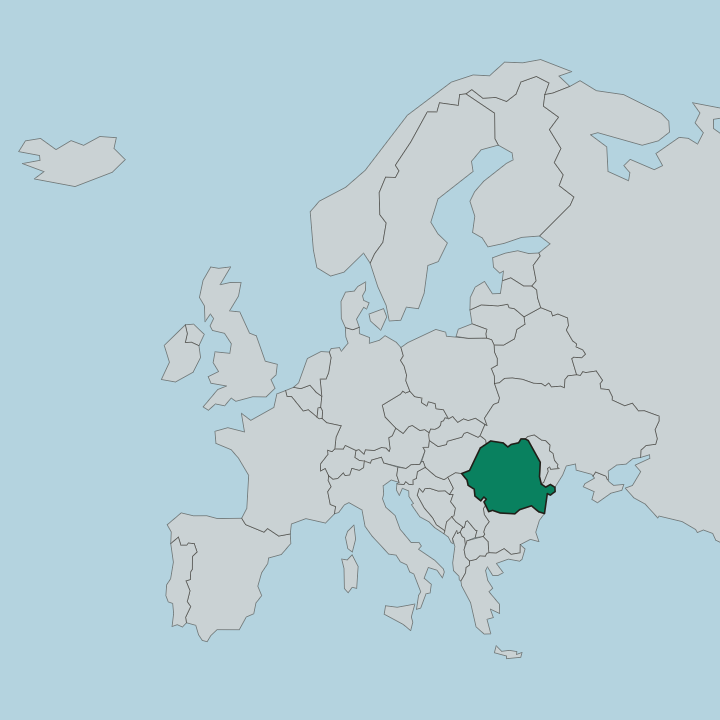
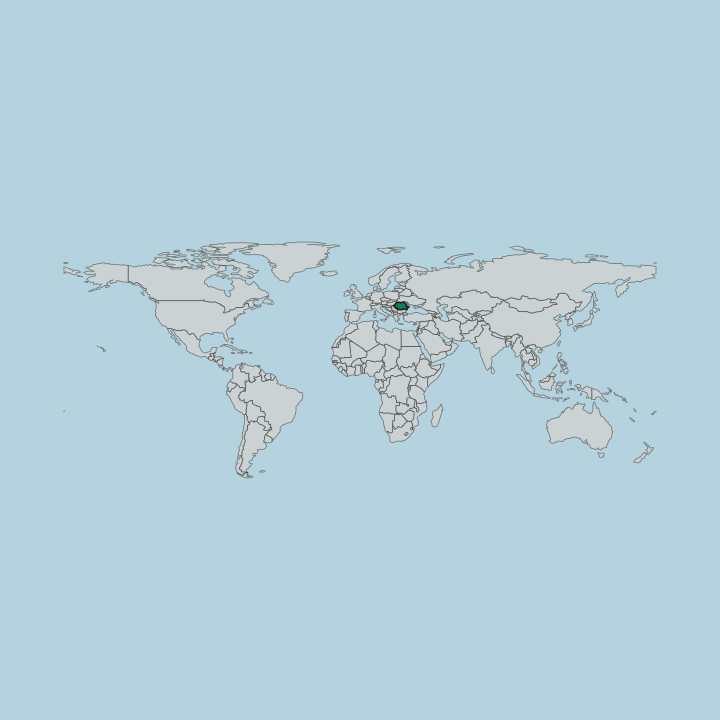
Sibiu County covers a wide slice of southern Transylvania, in the centre of Romania. It splits cleanly in two. The south is mountain: a stretch of the Southern Carpathians where the Făgăraș Mountains break past 2,500 metres and the Cindrel and Lotru ranges fill the ground beside them.
North of that ridge the land drops into the rolling farmland and low hills of the Transylvanian Plateau, and that plateau makes up most of the county's surface. Water ties the halves together. The Cibin rises among the Cindrel Mountains, gathers the smaller streams off the highlands, and runs through the county seat before it joins the Olt near Tălmaciu, in the gap where the Olt cuts its gorge out of Transylvania toward the south.
In the north the Târnava and the Hârtibaciu drain the plateau's valleys, past the Saxon villages and their fortified churches. The whole county spans a little over 5,432 square kilometres. Neighbouring counties ring it on every side, and Bucharest lies roughly 275 kilometres away by road to the south-east, beyond the Carpathian passes.
What is Sibiu like?
Three peoples built this county side by side. Transylvanian Saxons arrived from the German-speaking west in the twelfth century, Romanians farmed the valleys and the mountain edge, and Hungarians held land across the plateau. The Saxons left the deepest mark.
Their guild halls, gabled squares and fortified churches shape Sibiu and the villages around it, and the German name Hermannstadt still travels with the place. Much of that Saxon population left in the late twentieth century, yet the architecture stayed. That inheritance is what visitors come to see.
Sibiu keeps two linked squares, the Large Square and the Small Square, joined by the passage under the old Council Tower, and it wears the painted eyelid windows the town is known for. Just outside the county seat, the ASTRA open-air museum gathers timber houses, mills and churches carried in from villages across Romania. Folk craft runs deep in the Mărginimea Sibiului, the shepherds' villages west of the city under the Cindrel range.
Romanian is the working tongue. German and Hungarian are still heard among the older communities, and since the county capital's turn as a European Capital of Culture, its Christmas market has drawn winter crowds into the old squares.
What is the history of Sibiu?
The story starts with the Saxons. German settlers reached the Cibin valley in the twelfth century, and their church at Hermannstadt was organised as a provostship by 1191. Over the following centuries Sibiu grew into the leading town of the Transylvanian Saxons and, in two later stretches, the capital of the Principality of Transylvania.
The surrounding villages walled their churches against raiders and stored their grain behind the same defences. Transylvania passed to Romania after the First World War, and the county in its present borders was drawn in 1968.
What is the climate of Sibiu?
Sibiu County has a humid continental climate, shaped by its inland seat and the Carpathian barrier to the south. Sibiu County endures a bitter cold season. Hard frost grips the county for something like 120 days a year, and snow lasts long on the Făgăraș and Cindrel heights, which keep their winter cover well after the plateau has thawed.
Summers turn mild and green in the Cibin valley, warm enough for the town squares but rarely hot. Rain falls through the year rather than in one wet season, feeding the streams off the mountains.
How do you get to Sibiu?
Most arrivals land at Sibiu. The county seat runs its own international airport on the edge of town, flying to a scatter of European cities that makes the region reachable without a change in Bucharest. Trains and coaches also reach Sibiu across Transylvania and up from the capital, roughly 275 kilometres to the south-east by road over the Carpathian passes.
From the city, roads fan out to Mediaș in the north and to the mountain villages in the south. One route is seasonal. The Transfăgărășan over the Făgăraș ridge opens only in the warm months, once the snow clears from Bâlea Lake near the crest.
Common questions
What is the best area to stay in Sibiu?
Sibiu: a first stay in Saxon Transylvania. Mediaș and the Târnava valley: the vineyard north of the county. Păltiniș and the Cindrel foothills: the Cindrel Mountains on Sibiu's doorstep. The Făgăraș foot and Bâlea: the Transfăgărășan and the high Carpathians.
Good for
More regions in Romania
Updated September 2026