Romania
Teleorman, Romania — Towns & Travel Guide
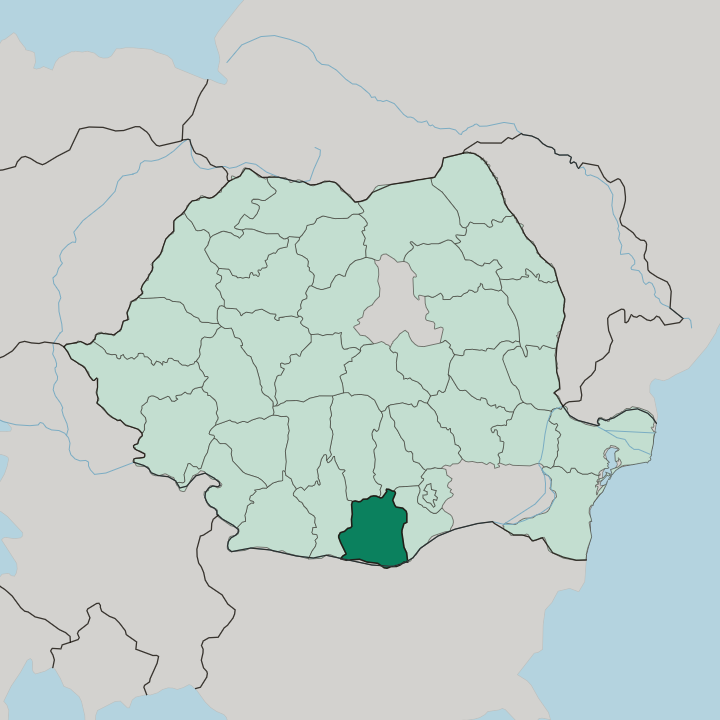
Teleorman is a flat farming county of southern Romania, pressed against the Danube on the Bulgarian border, its capital at Alexandria.
Hotel links are affiliate links: booking through them may earn us a commission, at no extra cost to you. It never affects how places are ranked. How this works


Towns & cities in Teleorman
One town here has its own guide — it links to where to stay.
 Romania
Alexandria
Alexandria is the seat of Teleorman, a Muntenian town founded in 1834 on the plain south-west of Bucharest, short of the Bulgarian border.Where to stay →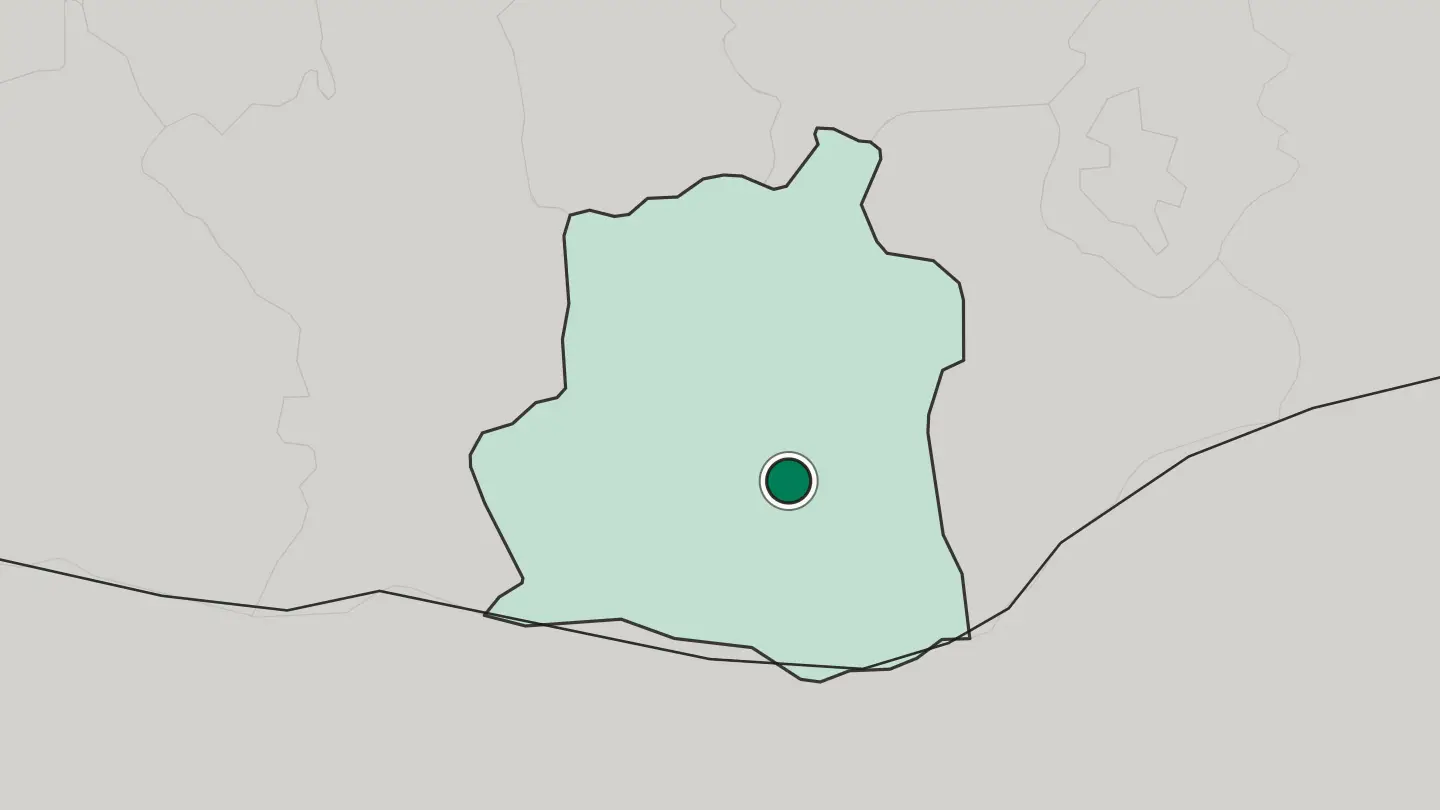
Hotel links are affiliate links: booking through them may earn us a commission, at no extra cost to you. It never affects how places are ranked. How this works
About Teleorman
Teleorman is grain country.
What is Teleorman known for?
Its name is Cuman, a Turkic word for the wild forest that once shadowed the plain before the ploughs came. What survives now is open field, worked for wheat, sunflowers, and vegetables that feed the markets of nearby Bucharest. The Vedea River threads down through the middle of it toward the Danube, and the county seat, Alexandria, sits on that river's bank.
Few foreign travellers stop here, and that plainness is the point of the place.
Where is Teleorman?
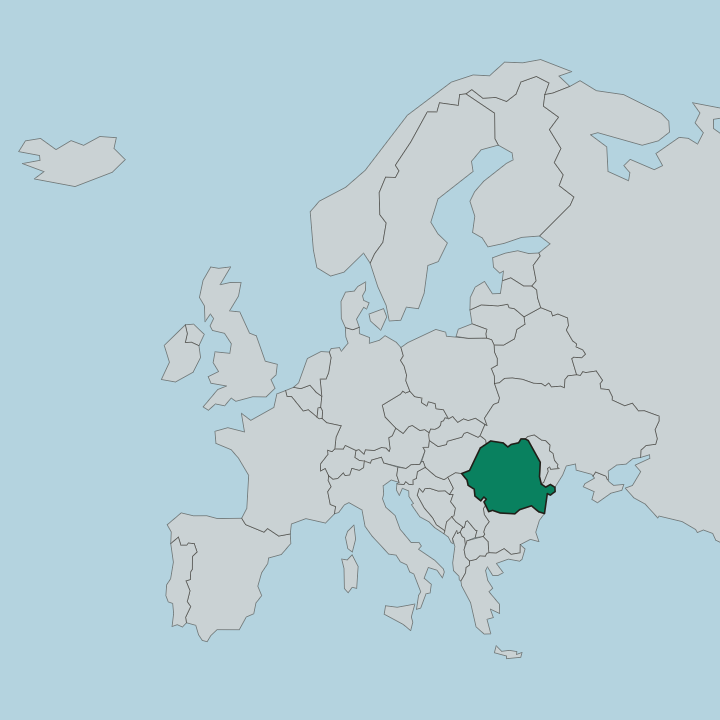
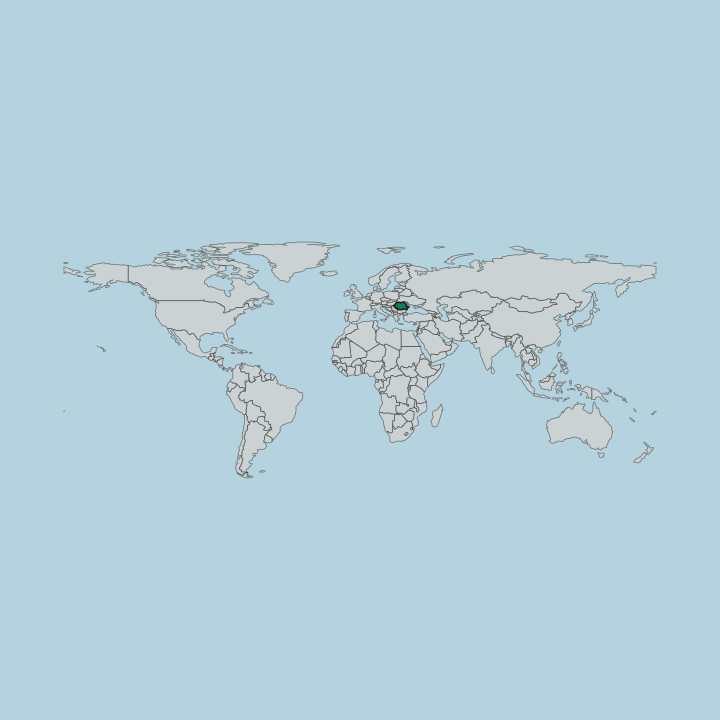
Teleorman lies in southern Romania, in the historical region of Muntenia, spread across the flat lowlands of the Romanian Plain. The Danube forms its whole southern edge. Across that water is Bulgaria, so the county's bottom rim is also an international border, and the river towns of Turnu Măgurele and Zimnicea look straight over to the Bulgarian bank.
The land is low and open almost everywhere. Northern and central Teleorman is plain, cut by shallow river valleys that sometimes bite deep into the loess; the far south drops into the wide Danube valley, a belt of floodplain, ponds, and small channels. Rivers order the whole county.
The Vedea runs down the middle from the hills above Pitești and gives the county seat, Alexandria, its riverbank. To the west the Olt marks the edge, sliding into the Danube near Turnu Măgurele. Between them the Teleorman River, the one that lent the county its name, drains south across the same plain.
Bucharest sits off to the north-east, close enough that Teleorman's fields grow much of the capital's vegetables. Nothing here is high. It is a county of horizons, grain, and slow water.
What is Teleorman like?
Teleorman is rural Romania at its most agricultural. Life here follows the field year. The county is one of the country's grain baskets, and the rhythm of wheat and sunflower, sowing and harvest, sets the pace of its villages as much as any town does.
Romanian is the everyday language, spoken across the plain, and the culture is the plainland Muntenian one shared with the counties around it. Markets are the social hinge of most settlements. Much of what the fields produce goes up the road to Bucharest, so Teleorman has long been a supplier to the capital rather than a place the capital visits.
Alexandria carries what urban culture the county holds. It is a planned nineteenth-century town, drawn up on a grid, with the Saint Alexander Cathedral at its centre and a museum tracing the region's past. The older texture lives elsewhere.
Roșiorii de Vede counts among the oldest towns in Romania, and the Danube ports carry centuries of crossing-and-trading history in their bones. This is not a county of grand sights. It rewards the traveller who takes the plain, the river towns, and the slow ordinary life along the Vedea on their own quiet terms.
What is the history of Teleorman?
The county's name is older than any of its towns. Teleorman is a Cuman word for the wild, shadowy forest that covered this plain before it was cleared for grain. Down on the Danube the past runs deeper still: at Turnu Măgurele the Romans held a fort called Turris, and the medieval river tower there passed in and out of Ottoman hands for centuries.
Alexandria itself is young. The capital was laid out on a plan in 1834 and named for Alexandru D. Ghica, the ruling prince of the day, making it one of Romania's few deliberately founded towns.
What is the climate of Teleorman?
Teleorman has a temperate continental climate, and the open plain gives the weather nothing to soften it. On Teleorman's open plain the summers turn hot and rainless. Out on the treeless fields the July heat can push toward the high twenties, and rainfall, thin to begin with, often fails in the growing season and leaves the county prone to drought.
Dry years come often. Winters are cold, with frost and snow blown across the flat land off the Danube valley. Spring and autumn carry most of the year's rain.
It is a farmer's climate, of long sun and hard droughts.
How do you get to Teleorman?
Most travellers come from Bucharest. The capital's airport is the nearest air gateway, and Alexandria lies a short drive south-west of it, down the roads that run out across the plain toward the Danube. Rail reaches the county too, with Roșiorii de Vede an old junction on the line south from Bucharest.
From the far bank there is another way in: ferries cross the Danube from Bulgaria into the river ports, Nikopol to Turnu Măgurele and Svishtov to Zimnicea. Inside Teleorman it is roads and the flat plain the rest of the way.
Common questions
What is the best area to stay in Teleorman?
Alexandria: the market centre of the plain. Roșiorii de Vede: an old railway town on the Vedea. Turnu Măgurele: the Olt-and-Danube confluence. Zimnicea: the crossing to Svishtov.
More regions in Romania
Updated September 2026