
Romania
Vaslui, Romania — Towns & Travel Guide
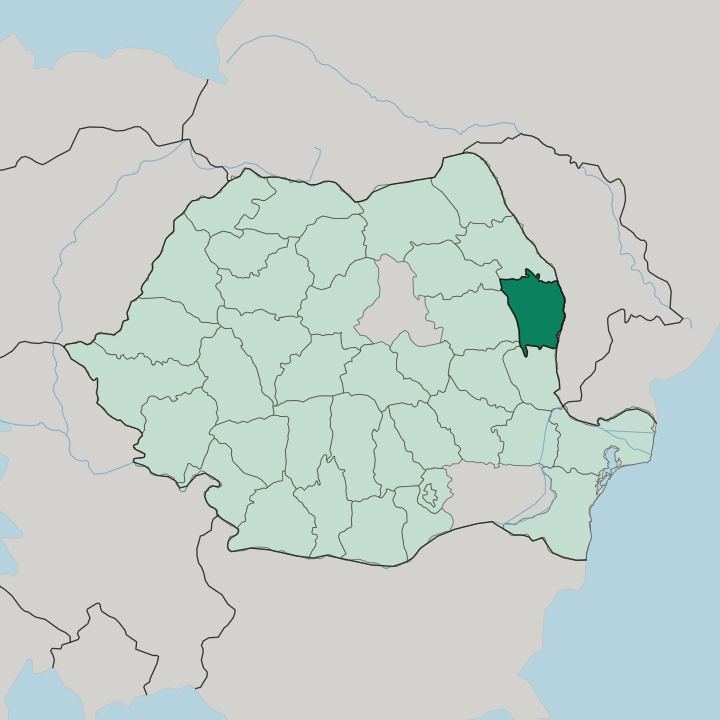
Vaslui is a hilly county of eastern Romania, in Western Moldavia, where the Bârlad River threads its towns and the Prut marks the Moldovan border.
Hotel links are affiliate links: booking through them may earn us a commission, at no extra cost to you. It never affects how places are ranked. How this works


Towns & cities in Vaslui
Pick a town or city — each links to where to stay.
 Romania
Bârlad
Bârlad is a city of Vaslui County in Romania, on the river of the same name, known for the Gheorghe Roșca Codreanu National College.Where to stay →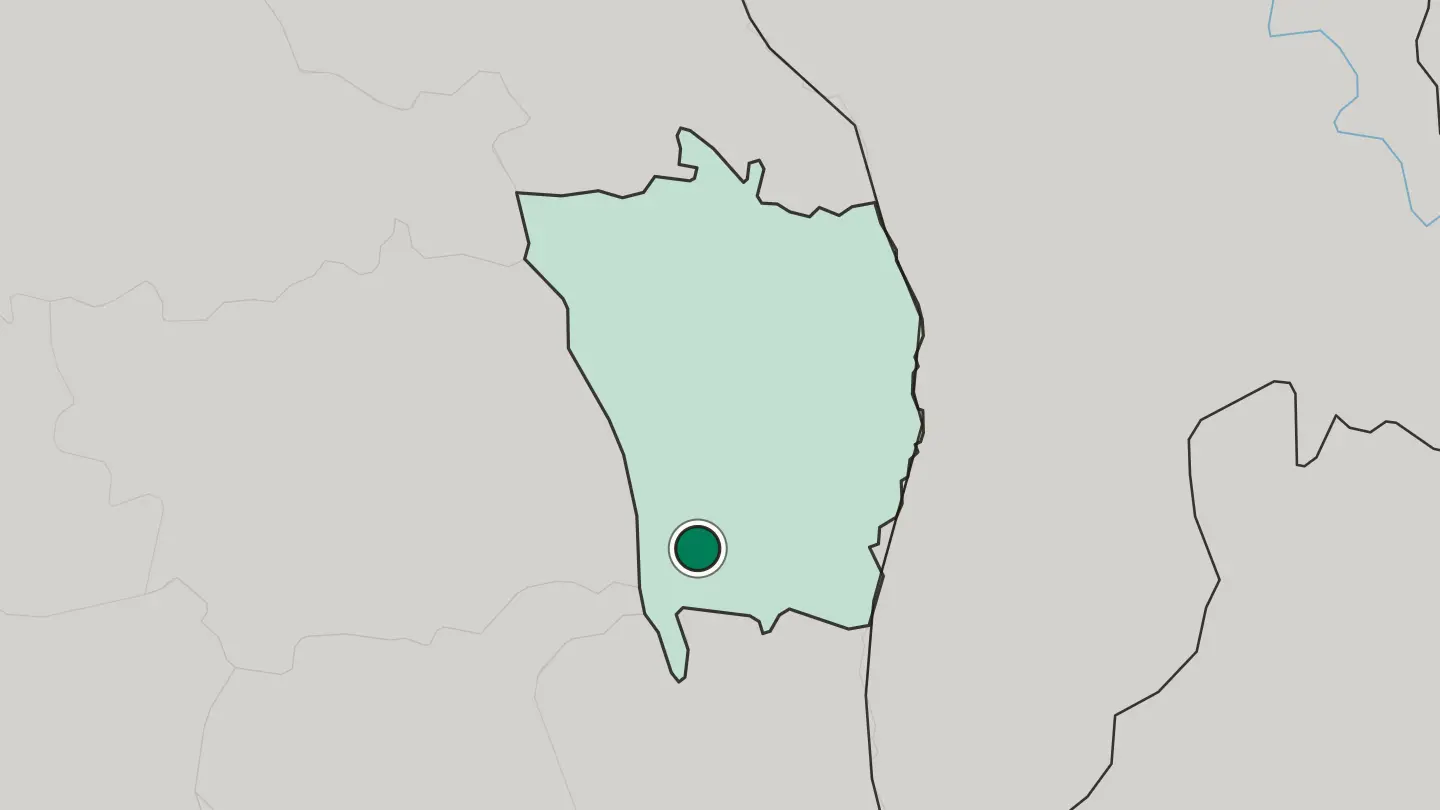
 Romania
Vaslui
Vaslui, the seat of Vaslui County in Western Moldavia, keeps a princely church, the Palace of Justice and the old Casa Mavrocordat.Where to stay →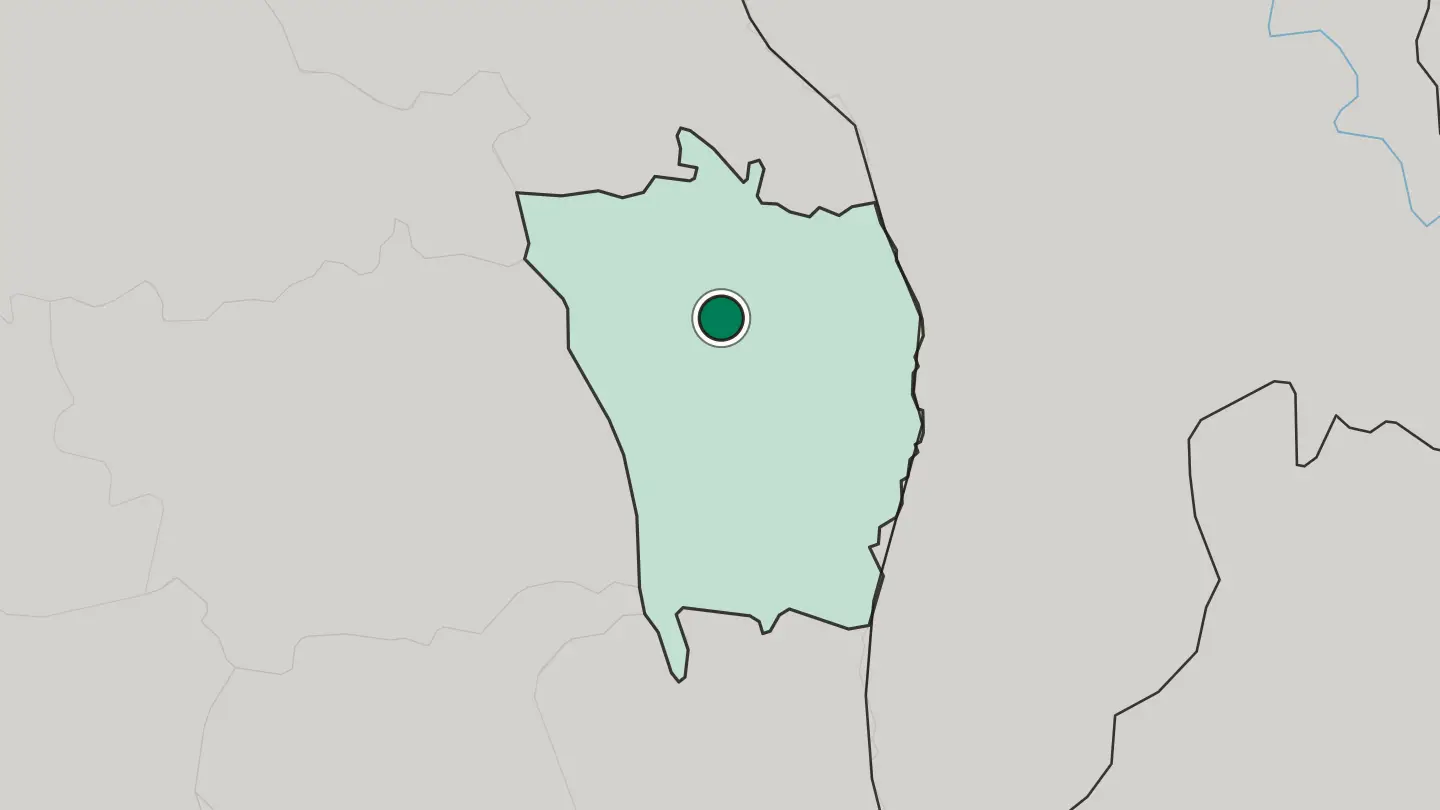
Hotel links are affiliate links: booking through them may earn us a commission, at no extra cost to you. It never affects how places are ranked. How this works
About Vaslui
Vaslui is battlefield country.
What is Vaslui known for?
In January 1475, Stephen the Great routed a far larger Ottoman army at Podul Înalt, just outside the county seat, and the name has carried that weight ever since. The land itself is quieter work: rolling hills of the Moldavian Plateau, farmed in wheat and sunflower, sloping east toward the Prut. Wine is the other calling card, pressed from the Huși vineyards near the Moldovan border.
Bârlad, the county's largest town, anchors the south along the river of the same name.
Where is Vaslui?
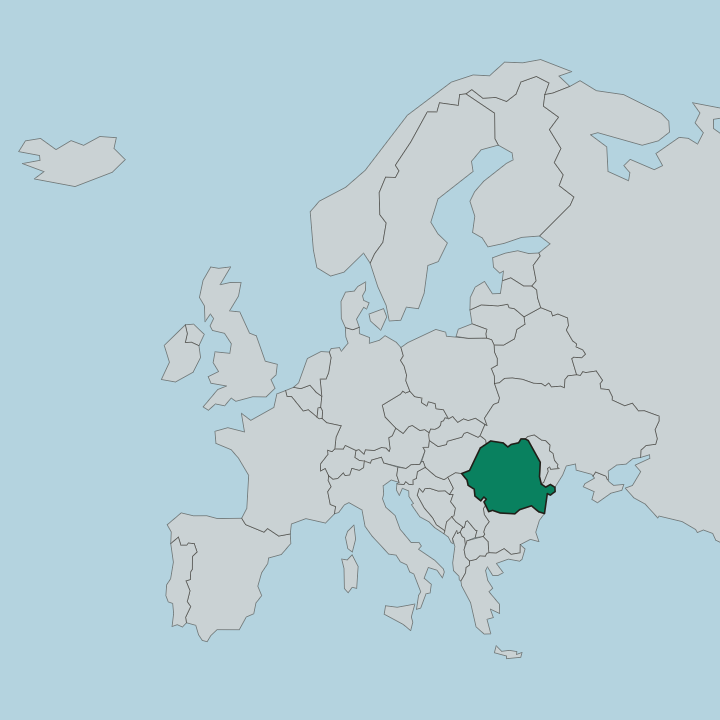
Vaslui lies in eastern Romania, in the historical region of Western Moldavia, pressed against the country's border with the Republic of Moldova. The frontier is a river. The Prut runs the whole eastern edge of the county, dividing Romania from Moldova along its length.
Everything drains toward it or toward the Siret away to the west. The land in between is the south-eastern reach of the Moldavian Plateau, a country of rounded hills rather than mountains, rising from roughly a hundred metres in the valleys to around four hundred and fifty on the higher ridges. The Bârlad River is the county's spine.
It enters from the north near Negrești, curves down through the county seat at Vaslui in the centre, then runs on south past Bârlad before leaving to join the Siret, a left tributary of that larger river. Smaller streams feed it from either side, the Tutova and the Elan among them, cutting the plateau into long parallel valleys. Iași, the great city of the region, stands just beyond the northern boundary.
Galați lies to the south, Bacău and the Carpathian foothills to the west. Vaslui itself keeps to the middle of that frame, farmland on every slope and the border never far to the east.
What is Vaslui like?
This is deep Moldavian country, and the culture is rural before it is anything else. Villages outnumber towns by a long way. Life follows the farming year across the plateau, and the folk traditions of Western Moldavia, the winter customs, the carols, the costumed processions between Christmas and the new year, run stronger here than in most of Romania.
Orthodox faith shapes the calendar. Old wooden and stone churches stand in villages that have kept them for centuries. Wine gives the county a second, gentler identity.
The Huși vineyards near the Prut have pressed grapes since the Middle Ages, and the Averești estate carries the reputation, known for its Fetească Regală and the aromatic Busuioacă de Bohotin. Bârlad adds the county's cultural weight in the south, with its Vasile Pârvan museum and a theatre older than most in the region. The county has sent out its share of names, among them the writer Alexandru Vlahuță, born in a Vaslui village.
Romanian is the everyday language throughout. The tone across it all is unhurried, tied to the land and the river.
What is the history of Vaslui?
One day made Vaslui's name. On 10 January 1475, at Podul Înalt near the county seat, Stephen the Great of Moldavia lured a much larger Ottoman army into the marshy Bârlad valley and destroyed it, a defeat the Ottomans reckoned among their worst, and a victory that briefly held their advance out of Moldavia. The medieval princes ruled from courts at Vaslui and Huși long before and after that winter.
Bârlad grew up as a market and garrison town on the river road. Centuries later these hills marked the very edge of the Romanian state, the Prut a hard frontier through the twentieth century's shifting borders.
What is the climate of Vaslui?
The seasons pull hard apart. Vaslui has a humid continental climate, and winters here turn cold and snowy, the open plateau exposed to freezing winds that sweep in off the plains of Moldova to the east. Summers run hot and often dry.
July afternoons push well into the high twenties, with the odd heatwave beyond thirty-five, and most of the year's rain arrives in late spring and early summer, when storms build over the hills and feed the Bârlad. It is a farmer's climate, generous in a good year and punishing in drought.
How do you get to Vaslui?
Fly to Iași. The city's international airport, just north of the county line, is the nearest gateway by far, an hour or so down from Vaslui by road or rail. The DN24 national road is the main artery, running north to south through Iași, Vaslui and Bârlad, tracing the Bârlad valley the whole way.
Trains follow much the same line, linking the three towns and reaching on to Iași and Galați. Huși sits off on its own branch toward the Prut. Reaching the county from abroad almost always means Iași first.
Common questions
What is the best area to stay in Vaslui?
Vaslui: a first stop and the shortest hop from Iași. Bârlad: the southern river towns. Huși: the wine country by the border.
More regions in Romania
Updated September 2026