Russia
Respublika Ingushetiya, Russia — Towns & Travel Guide
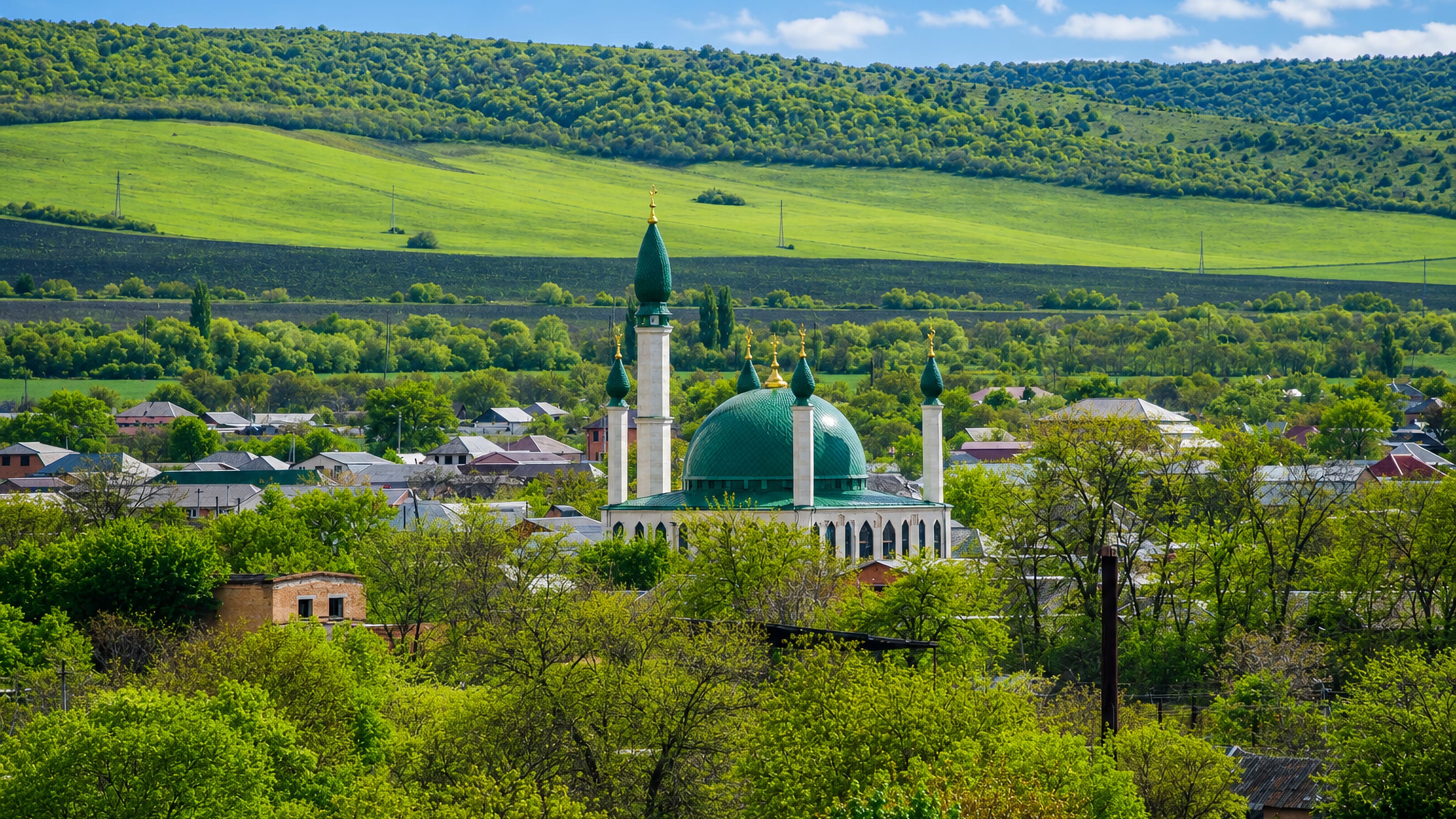
Respublika Ingushetiya is Russia's smallest republic, a wall of medieval stone towers on the northern slopes of the Caucasus Mountains.
Find your area →


Towns & cities in Respublika Ingushetiya
Pick a town or city — each links to where to stay.
 Russia
Nazran
Nazran is the largest city of Ingushetia, founded in 1781 and capital of the republic until Magas was built to take the seat.Where to stay →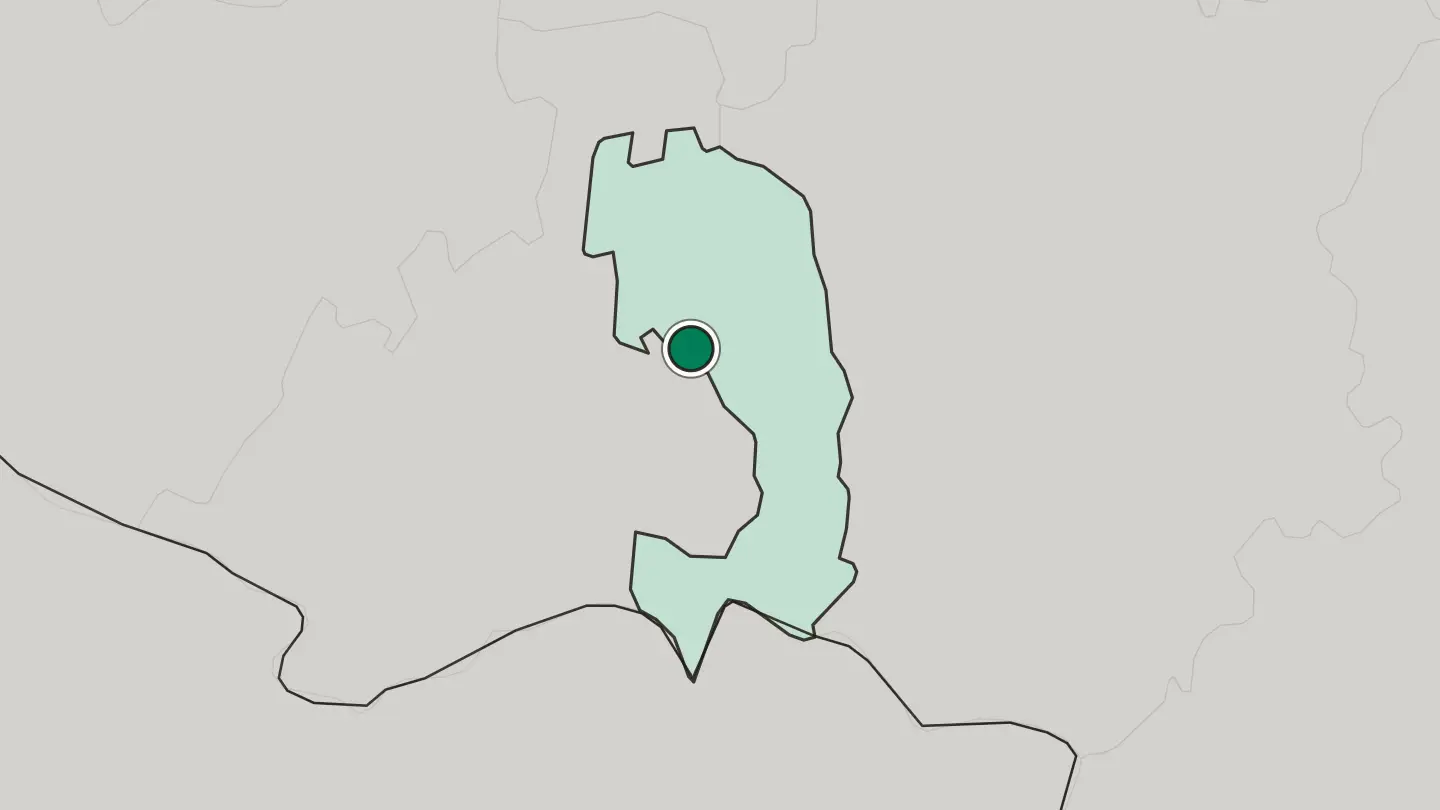
 Russia
Sunzha
Sunzha became a town in 2016. The Ingushetia settlement was laid out in 1845 as the stanitsa Ordzhonikidzevskaya and heads Sunzhensky District.Where to stay →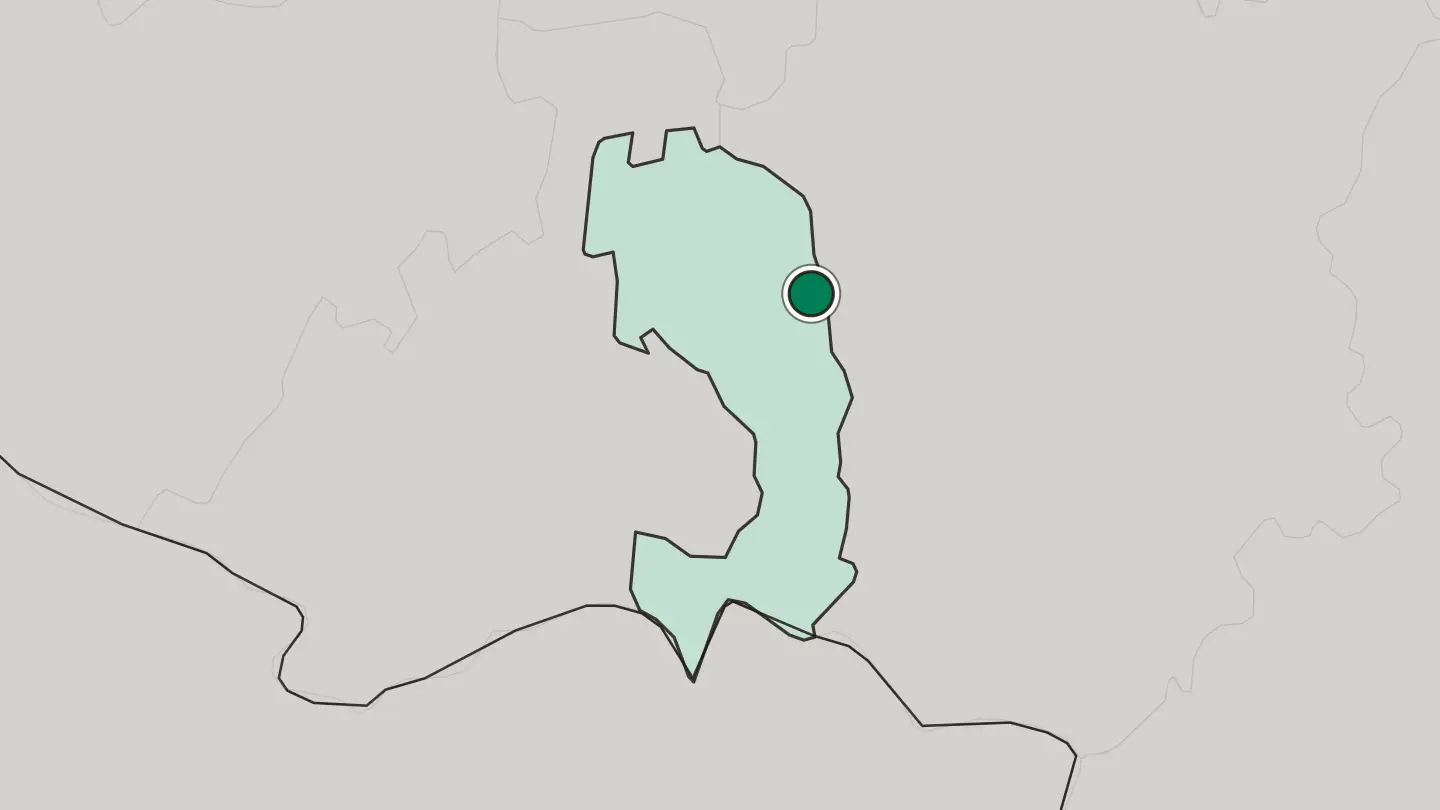
About Respublika Ingushetiya
Towers.
What is Respublika Ingushetiya known for?
Respublika Ingushetiya is the land of the Ingush, and its calling card is the clustered stone watchtowers that crown the ridges of the Dzheyrakh gorge. The Vovnushki complex, three towers balanced on two facing crags, is the image reproduced on postcards and stamps, and the wider Erzi reserve shelters dozens more of these medieval fortress-houses. Magas, the purpose-built capital, is barely a generation old, while Nazran remains the largest town and the everyday face of the republic.
Where is Respublika Ingushetiya?
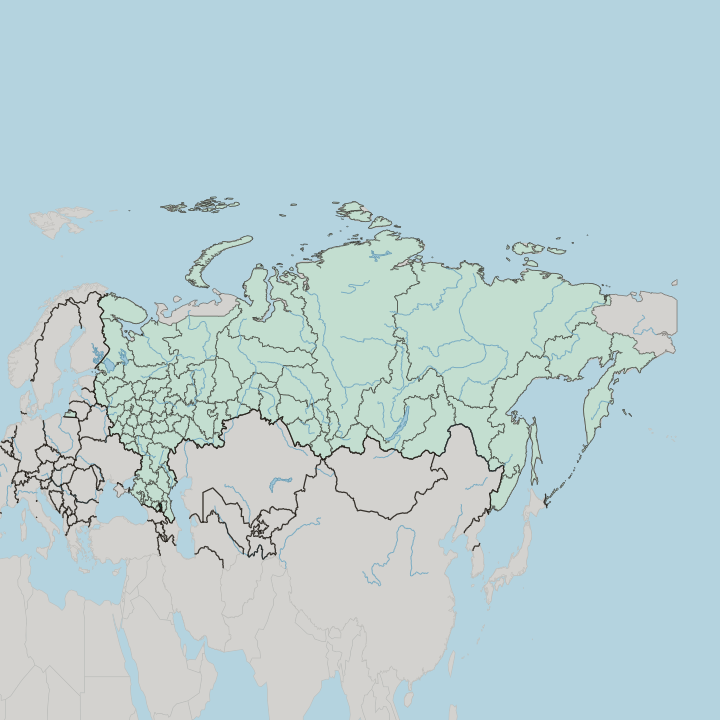
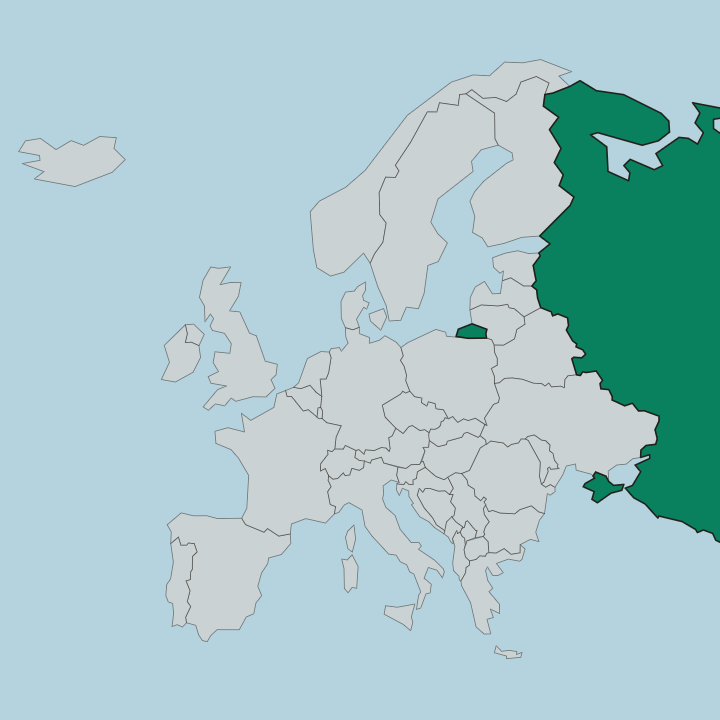
Respublika Ingushetiya sits on the northern slopes of the Caucasus Mountains, in the North Caucasus of southern Russia. Ingushetia is compact. By area it is the smallest of Russia's republics, a narrow strip of land that climbs from lowland plain in the north to high peaks along its southern rim. Georgia lies over that southern watershed, reached only through the high passes.
North Ossetia-Alania borders it to the west and north, and Chechnya wraps around the east and north-east, the two republics with which the Ingush share the deepest history. The land rises in bands as you travel south. A forested foothill ridge gives way to a pasture ridge, and then to the bare rocky range that walls off Georgia, with the republic's high summits crossing four thousand metres.
The Sunzha and the Assa are the working rivers here, both draining north toward the Terek, the great river of the whole North Caucasus. The Assa carves the Dzheyrakh gorge, and it is along that gorge and its side valleys that the medieval towers of the Erzi reserve stand. Nazran and Magas both lie down on the plain, in the north where the land flattens.
The mountains hold the towers; the plain holds the towns.
What is Respublika Ingushetiya like?
This is Ingush country, and it is unusually singular. Almost the whole population is Ingush, a Nakh people whose language belongs to the same small Vainakh family as neighbouring Chechen. Most are Sunni Muslim.
The old social order was built on the teip, the clan, and the clan expressed itself in stone: every well-to-do family aspired to its own tower, and the towers still cluster on the ridges like a stone census of the medieval Ingush. There were rules to the building. A defensive tower was meant to be raised within a single year, and a family that could not finish it in time lost face, so the mason worked against the calendar as much as against gravity.
That tower-building tradition, running from the Dzheyrakh gorge up through the Vovnushki and Erzi complexes, is the thread that ties the republic to its own past more tightly than any monument in the lowland towns. Hospitality and kinship still carry real weight. The Ingush language shares the airwaves and the schoolroom with Russian, and both are official.
Deportation shadows the culture too, the mass exile of the Ingush and Chechen under Stalin in 1944, an event that colours how the republic remembers the twentieth century. The past here is not decoration. It is lineage, and it is written into the towers.
What is the history of Respublika Ingushetiya?
The republic itself is young. It was created in 1992, when the Soviet-era Checheno-Ingush republic was split and the Ingush half became a federal subject of its own. The centuries before that bound the Ingush tightly to their Chechen neighbours, through the shared Vainakh tongue, the tower-building culture of the mountains, and the wound of the 1944 deportation to Central Asia.
When the split came, the Ingush had no capital of their own. So Magas was built from nothing through the following decade to serve as one, taking its name from a medieval city and replacing Nazran as the seat of government in 2002.
What is the climate of Respublika Ingushetiya?
Height, more than season, dictates Ingushetia's weather. On the northern plain around Nazran the climate is a moderate continental one, with warm summers and cool, fairly dry winters. Climb south into the Caucasus and it changes fast, growing colder and snowier with every band of ridge until the high peaks along the Georgian border hold snow deep into the year.
The Dzheyrakh gorge and its towers can be bright and mild in summer yet locked under snow in winter, which is why the Armkhi slopes above it double as a ski resort. One republic, two climates, sorted by height.
How do you get to Respublika Ingushetiya?
Most arrivals come through Magas. The republic's airport, out by Ordzhonikidzevskaya, carries the Magas name and links the plain to Moscow by air. The train is the slower alternative, a service that runs from Moscow down to Nazran, the largest town and the end of the line.
From either the airport or Nazran it is a road journey south and upward to reach the towers, climbing off the plain into the Caucasus and the Dzheyrakh gorge. Note one thing before you go: the mountain border zone near Georgia needs a permit, so the high tower country is not a place you simply wander into.
Common questions
What is the best area to stay in Respublika Ingushetiya?
Nazran: the largest town and rail arrival.
Good for
More regions in Russia
Updated September 2026