Russia
Vladimirskaya Oblast’, Russia — Towns & Travel Guide
Vladimir Oblast lies east of Moscow, where the Klyazma winds through the Golden Ring, past the white cathedrals of Vladimir and Suzdal.
Find your area →


Towns & cities in Vladimirskaya Oblast’
Pick a town or city — each links to where to stay.
 Russia
Vladimir
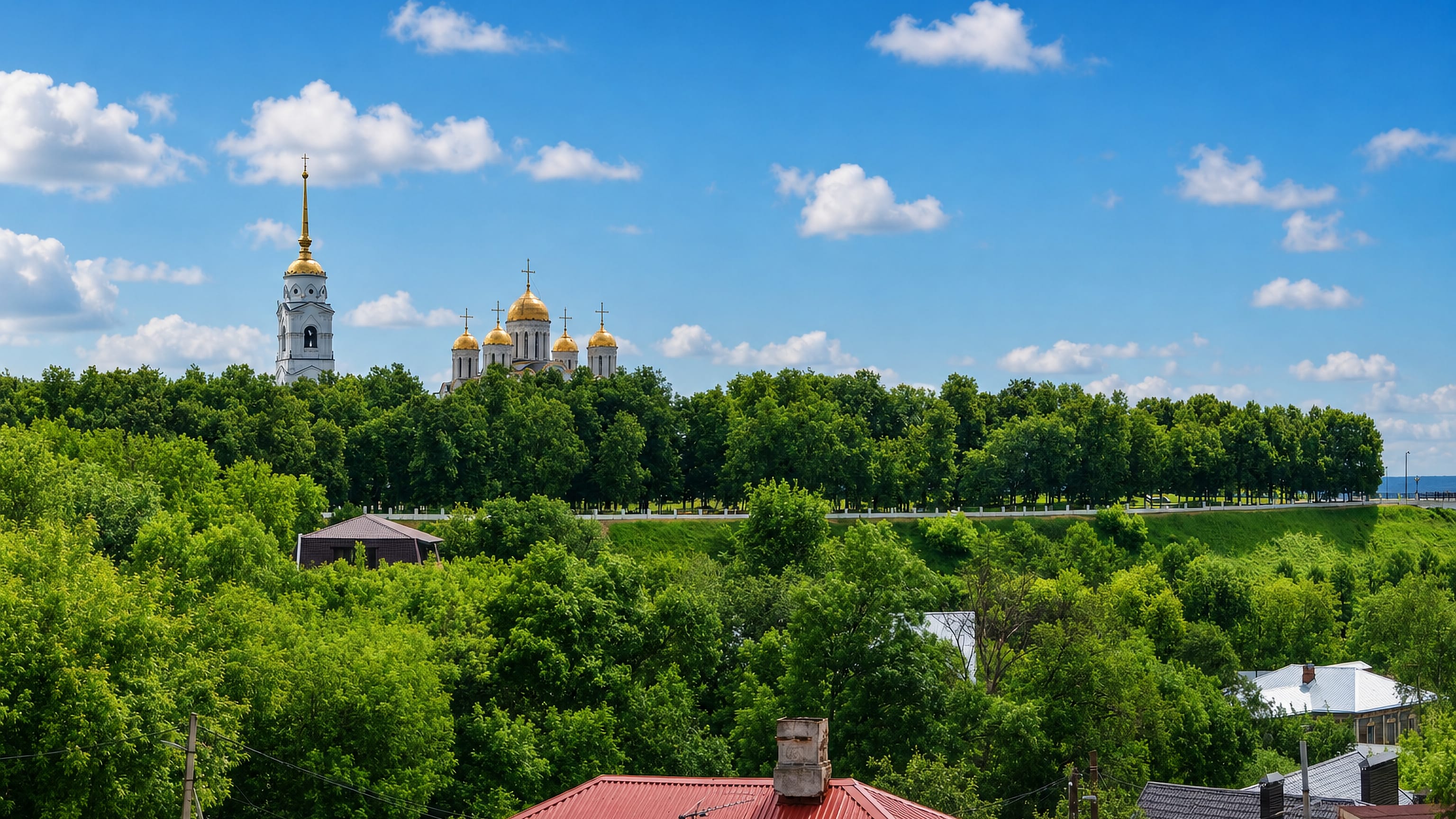
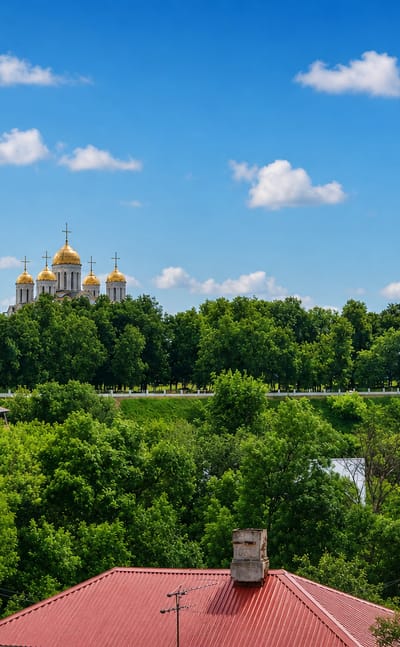
White-stone cathedrals crown the ridge at Vladimir, a city in Vladimir Oblast known for the Dormition Cathedral and the Golden Gate.Where to stay →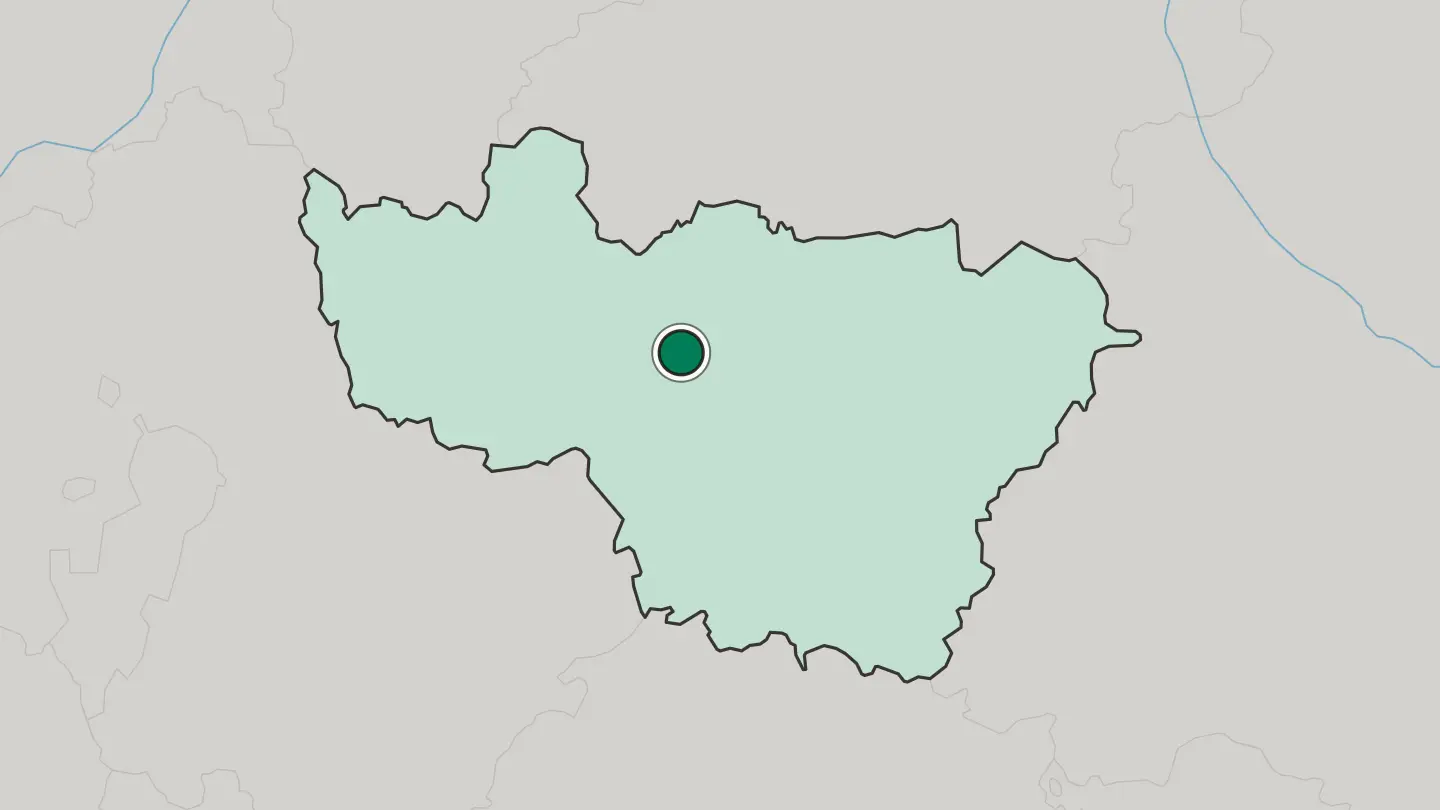
 Russia
Kovrov
Kovrov holds the right bank of the Klyazma River in Vladimir Oblast, dated to 1157. Only Vladimir outranks it.Where to stay →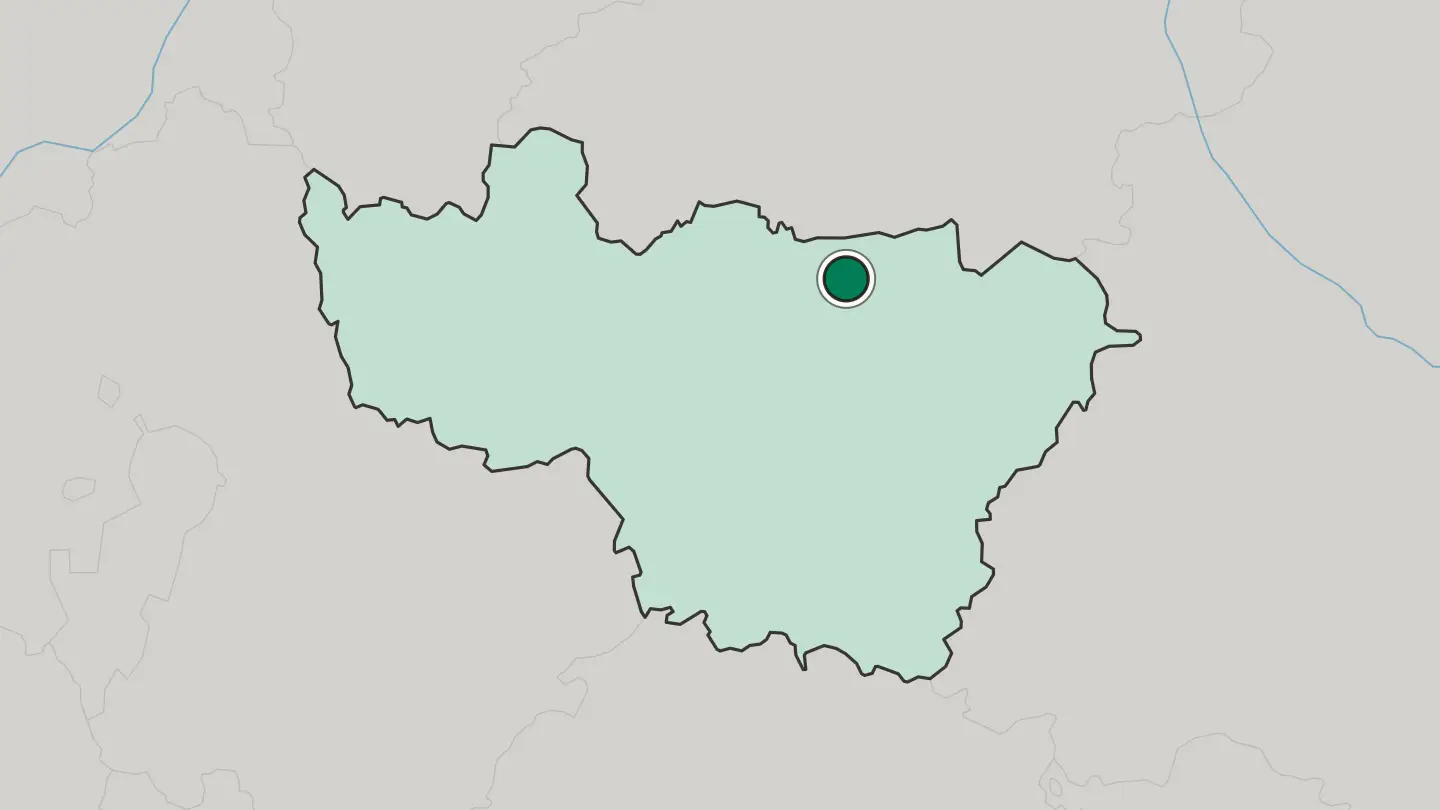
 Russia
Murom
Murom lines the west bank of the Oka River in Vladimir Oblast, a historical city of monasteries. Nizhny Novgorod Oblast adjoins.Where to stay →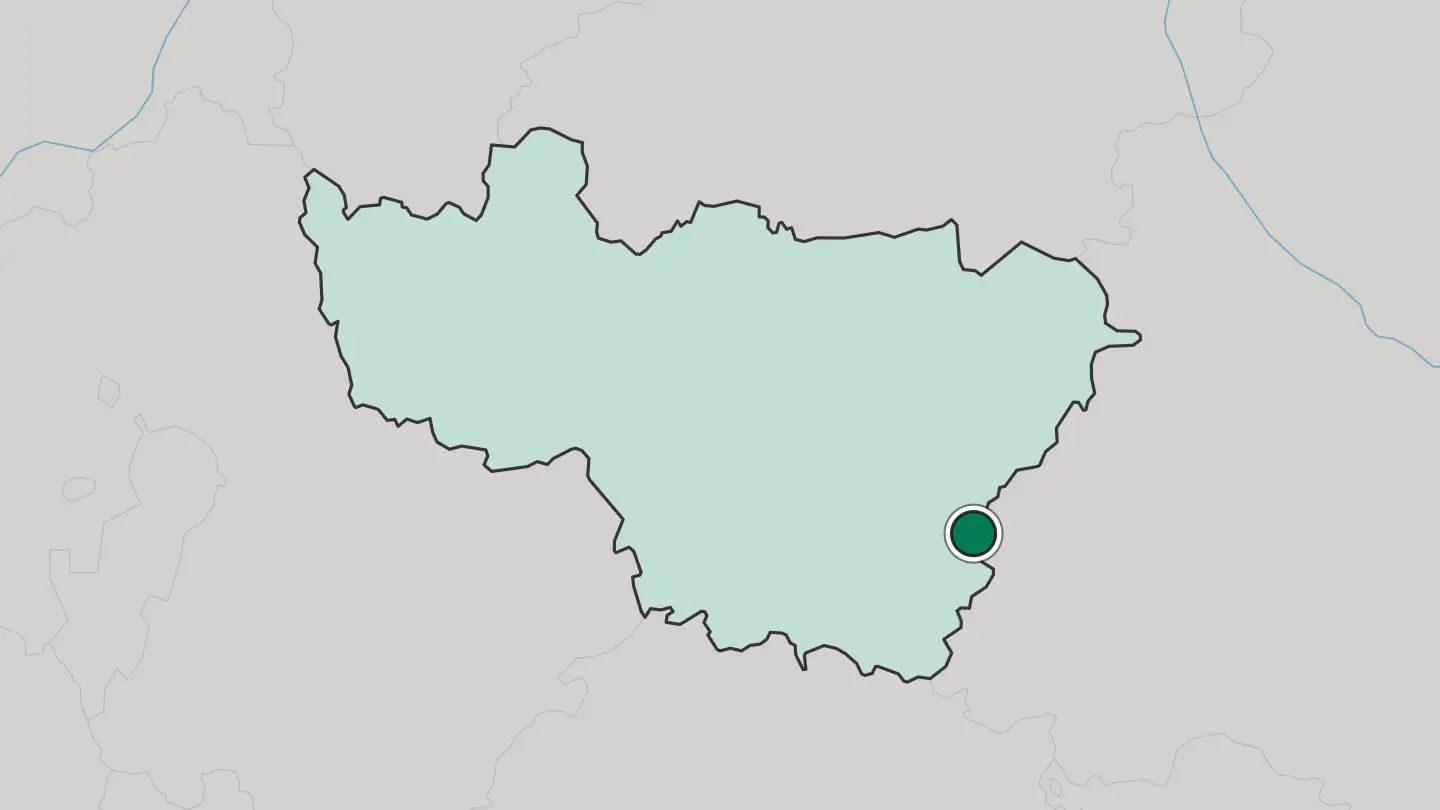
 Russia
Aleksandrov
A medieval princely residence made Aleksandrov, and its walled ground in Vladimir Oblast still outranks all the town has. Dated to 1301.Where to stay →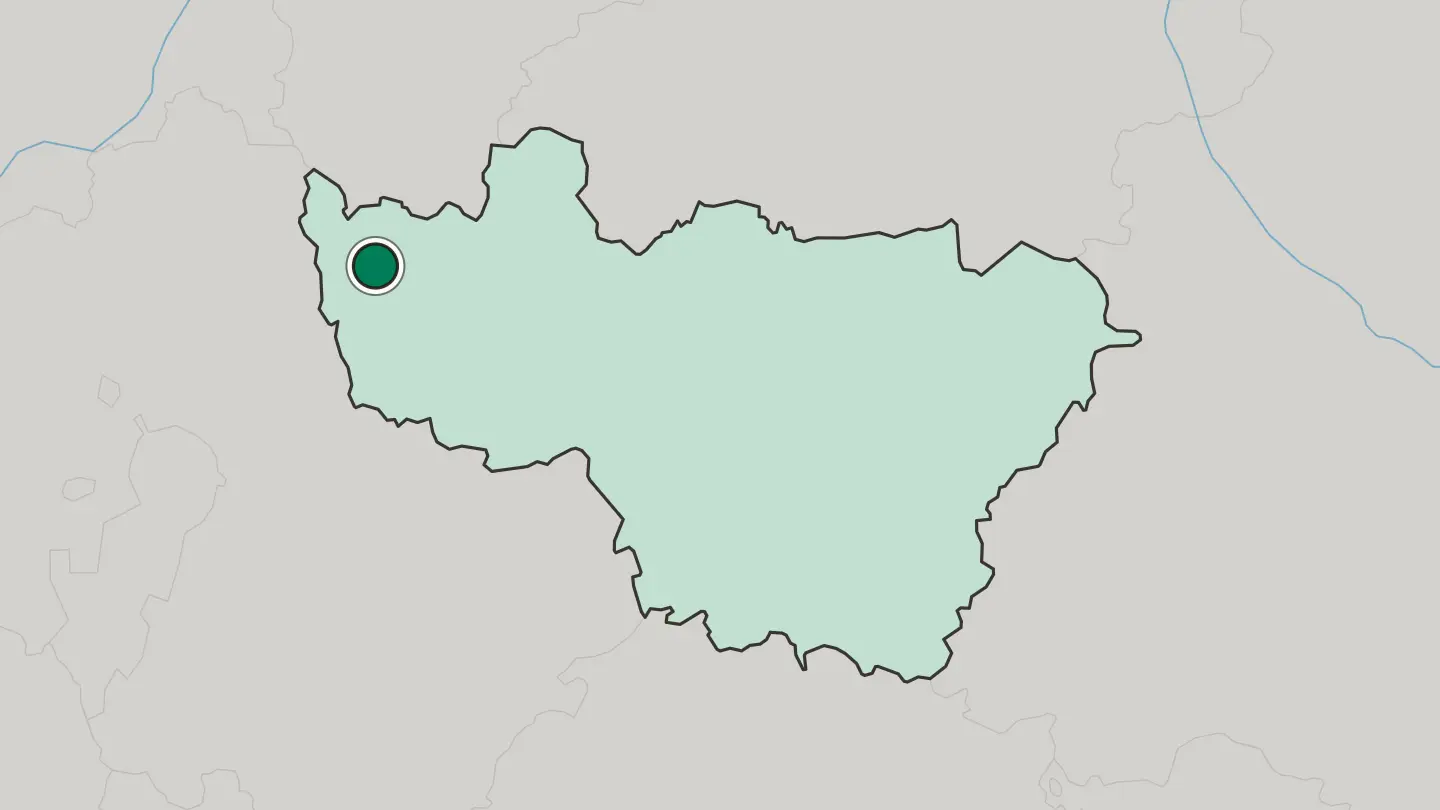
 Russia
Gus’-Khrustal’nyy
Gus'-Khrustal'nyy keeps to the Gus River in Vladimir Oblast and dates from 1756. Its cathedral holds a crystal museum.Where to stay →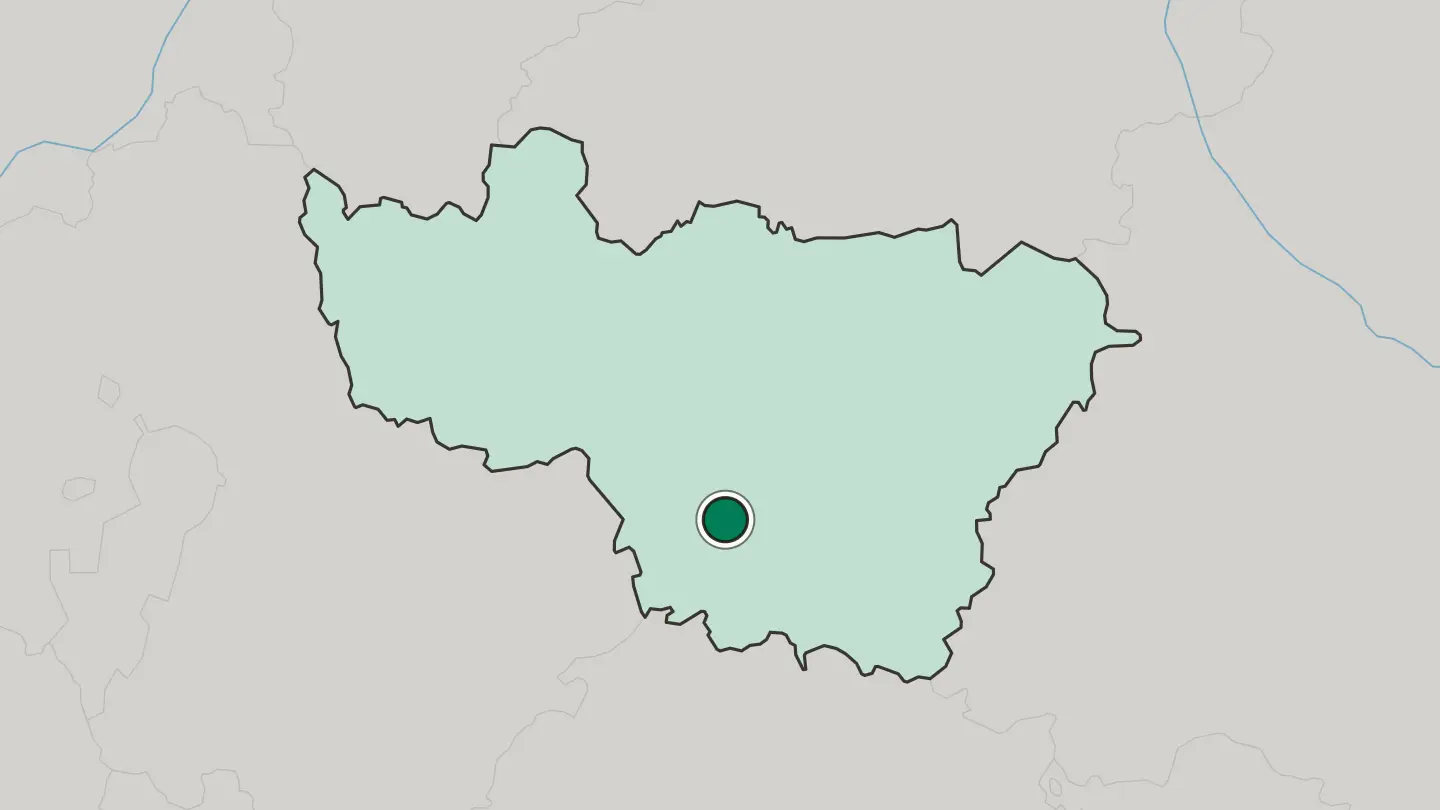
About Vladimirskaya Oblast’
What is Vladimirskaya Oblast’ known for?
This is the Golden Ring's cradle. The region carries the white-stone churches that medieval Russia built when Vladimir, not yet Moscow, led the northern principalities. Vladimir keeps its Golden Gate and its Dormition Cathedral above the Klyazma, while Suzdal, a short drive north, packs a kremlin, five monasteries and dozens of churches into a town you can cross on foot.
Out beyond Bogolyubovo stands the Church of the Intercession on the Nerl, a single white cube in a water meadow that has become the emblem of the whole region. Murom guards the Oka in the east, older in legend than the record can prove.
Where is Vladimirskaya Oblast’?
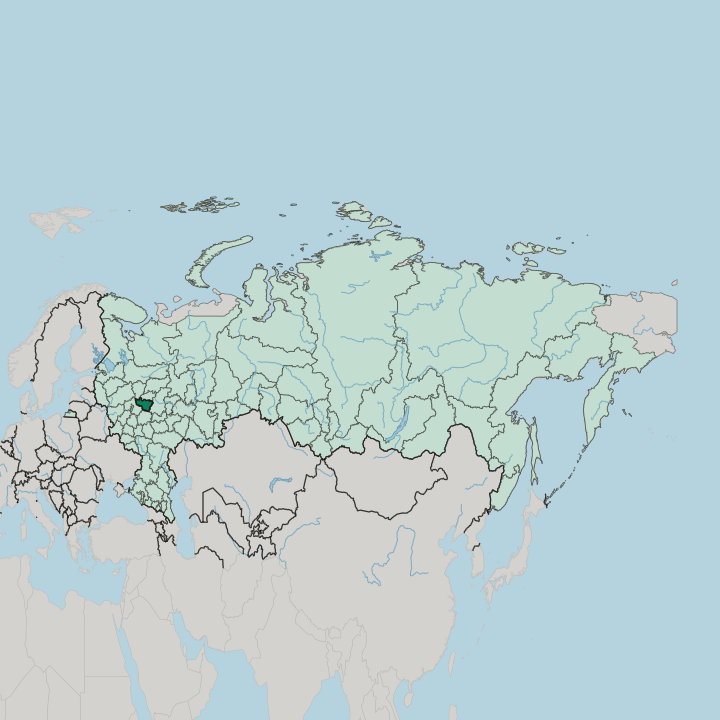
Vladimir Oblast lies on the East European Plain in western Russia, its western edge only a couple of hours east of Moscow. The Klyazma is the thread that ties it together. The river enters from the west near Moscow's own borders and runs the full width of the region before joining the Oka away to the east, and it splits the land in two as it goes.
North of the Klyazma the ground rises into low rolling farmland, the opolye, the belt of fertile clearing where Suzdal and the oldest towns grew. South of the river the country drops and softens into the Meshchera Lowland, a flat expanse of pine forest, peat bog and shallow lakes running down toward the Oka. Water and forest fill most of the map between the towns.
The Oka forms much of the region's southern and eastern boundary, and Murom stands where the old road meets that river. Vladimir, the capital, sits on the high right bank of the Klyazma near the middle of the region, its cathedrals visible for miles across the floodplain below. Suzdal lies just north, on the Kamenka.
That little stream feeds the Nerl, which feeds the Klyazma in turn. Beyond the river valleys the plain simply rolls on, low and wooded, east toward Nizhny Novgorod and the wider basin of the Volga.
What is Vladimirskaya Oblast’ like?
White stone is the region's signature. The twelfth-century masons here cut soft local limestone into churches so finely carved that four of the surviving buildings, in Vladimir, Suzdal, Bogolyubovo and Kideksha, are inscribed together on the UNESCO list as the White Monuments of Vladimir and Suzdal. Their carved lions, griffins and saints set the pattern that later Russian architecture would follow.
Faith shaped the towns as much as the stone did. Suzdal alone keeps five working monasteries behind its walls, and pilgrims and painters have come to draw them for two centuries. Craft carries the same weight as architecture.
Gus-Khrustalny in the southern forest has blown and cut crystal glass since the eighteenth century, and its name is byword enough that Russians know the town for its glassworks before anything else. The village of Mstyora, off in the east, keeps the tradition of lacquer miniature, tiny scenes in bright tempera and gold on black papier-mâché boxes. The everyday language is Russian, as across the country.
What marks the oblast is the density of the old: this is a landscape of small monastery towns and carved churches, and the deep quiet between them is part of the appeal.
What is the history of Vladimirskaya Oblast’?
For a while this was the centre of Russia. Under Andrey Bogolyubsky in the twelfth century the Grand Principality of Vladimir became the leading power of the north-east, and its prince raised the Golden Gate, the Dormition Cathedral and the little church out on the Nerl before Moscow was more than a stockade. The Mongol invasion broke that primacy, and leadership drifted west to Moscow over the following centuries, leaving the old capital a provincial town.
Alexandrov had one strange moment of its own: Ivan the Terrible ruled Russia from its fortress for a spell in the 1560s. The modern oblast dates to 1944.
What is the climate of Vladimirskaya Oblast’?
Winters here are long. The oblast has a humid continental climate, and snow settles for months on end, the Klyazma freezing hard enough that the white churches spend half the year standing against a white ground. Summers are brief and green, warm rather than hot, and the peat bogs of the Meshchera Lowland steam in the July heat.
Rain falls all year. Autumn turns the birch forests gold before the freeze returns.
How do you get to Vladimirskaya Oblast’?
The main line does the work. Vladimir sits on the great railway east out of Moscow toward Nizhny Novgorod and Siberia, and fast Lastochka trains cover the roughly 190 kilometres from the capital in under two hours, which makes the region an easy day's reach from Moscow. Most visitors come exactly this way.
Suzdal has no station of its own, so you finish the last stretch north from Vladimir by bus or car. Murom sits on its own eastern line toward the Oka. Off the rail spine a car opens up Bogolyubovo, Gus-Khrustalny and the forest towns.
Common questions
What is the best area to stay in Vladimirskaya Oblast’?
Vladimir: arriving on the Moscow line at the heart of the Golden Ring. Murom: a night on the Oka heading east.
More regions in Russia
Updated September 2026