Sweden · Norrbotten County
Where to Stay in Jukkasjärvi, Norrbotten County
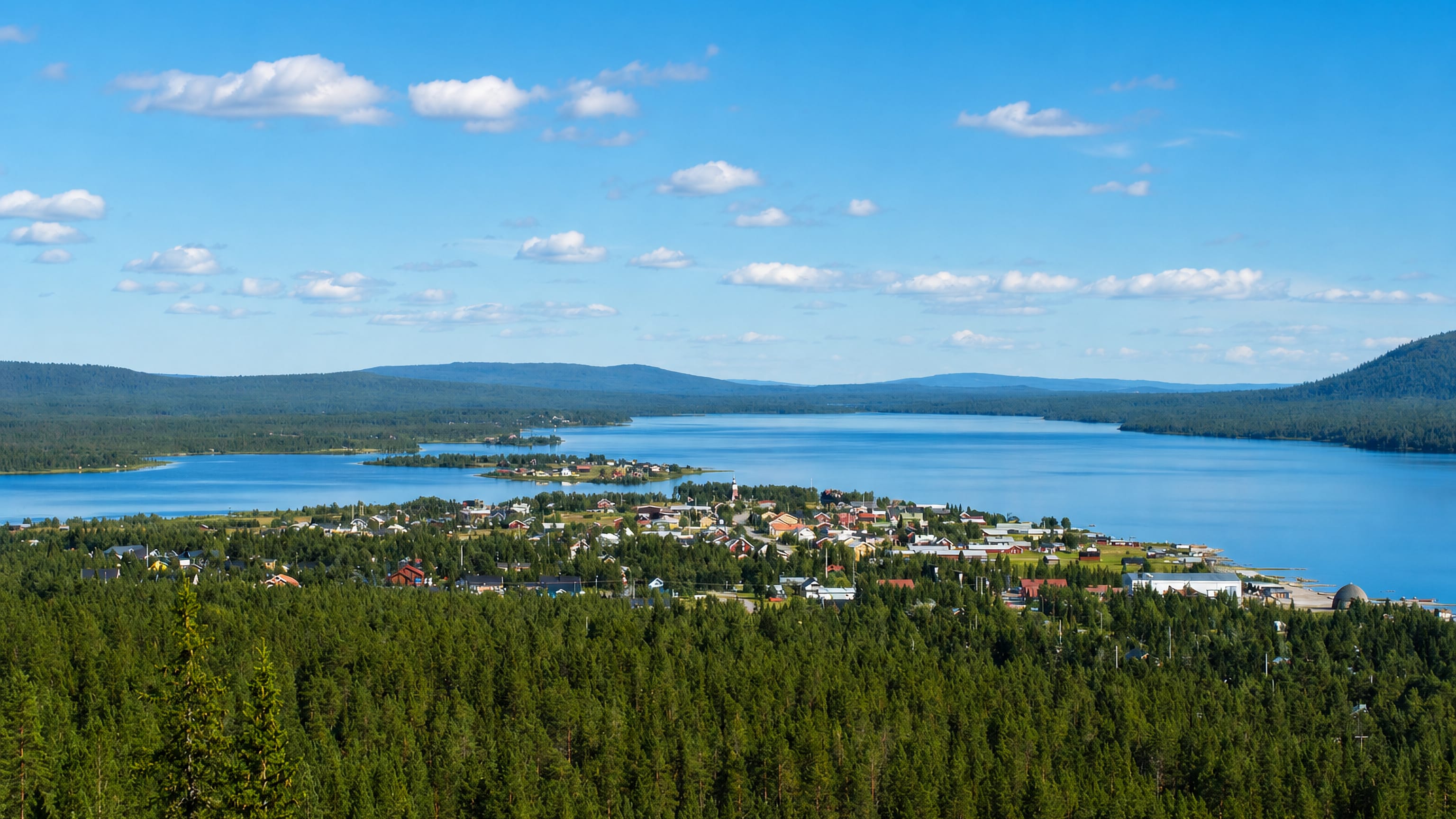
Ice from the Torne river is carved into a new hotel each winter at Jukkasjärvi, a Sami market village in Norrbotten County east of Kiruna.
Hotel links are affiliate links: booking through them may earn us a commission, at no extra cost to you. It never affects how places are ranked. How this works


Where to stay in Jukkasjärvi
Where visitors usually base themselves, and why.
Jukkasjärvi sleeps its guests on ice and on solid ground side by side. The ICEHOTEL compound by the Torne river holds the carved cold rooms, warm hotel rooms, and cabins, and it suits you if the ice suite itself is the point of the trip, with dinner and gear hire steps away. Cold rooms are for one night.
Most guests pair a single night on ice with warm nights either side, so the warm cabins book out as fast as the famous suites in the December to March peak. The village street offers a handful of guesthouses and holiday cottages among the houses of the old market town, close to the wooden church. Kiruna sits a short drive west.
The mining town carries the area's larger hotels and its airport, a practical base for combining the ICEHOTEL with the town sights, and bus tours run between the two all winter.
Few places to stay in Jukkasjärvi — most visitors book in Kiruna nearby.
Find hotels in Jukkasjärvi
Direct booking searches for these neighbourhoods.
ICEHOTEL riverside
cold suites, warm cabins, and dinner beside the Torne river. Few places to stay nearby — book ahead.Find hotels in ICEHOTEL riversidequiet stays near the old churchJukkasjärvi village
guesthouses along the market street of the old Sami meeting place. Rooms are few around here — worth securing early.Find hotels in Jukkasjärvi villageHotel links are affiliate links: booking through them may earn us a commission, at no extra cost to you. It never affects how places are ranked. How this works
About Jukkasjärvi
What is Jukkasjärvi known for?
Jukkasjärvi is known as the home of the ICEHOTEL, rebuilt every winter since 1989 from blocks of frozen Torne river and melted back into it each spring. Artists carve each suite new. A year-round ice hall keeps sub-zero rooms open even in summer, while the village around it offers dog sledding, northern lights, and Sami culture at the Márkanbáiki open-air museum.
The wooden church holds an altarpiece by Bror Hjorth.
What are the main landmarks in Jukkasjärvi?
Jukkasjärvi kyrka has stood by the Torne river since the early sixteen hundreds, the oldest surviving church in this part of Lapland, and behind its red timber walls glows an altar triptych carved and painted by Bror Hjorth. The ICEHOTEL rises beside the river each December. Its ice art lasts one winter.
At the Márkanbáiki open-air museum, Sami buildings and a reindeer enclosure keep the village's herding story present, and rockets climb from the Esrange space base in the forest beyond the village.
What is the history of Jukkasjärvi?
Jukkasjärvi grew up as a meeting place. Sami herders, Finnish-speaking settlers, and Swedish traders gathered here from the sixteen hundreds for winter markets and church festivals where the Torne river offered a natural road of ice. The wooden church anchored the village.
Missionaries and tax collectors followed the markets, and the parish once stretched across an enormous sweep of fell and forest, reaching to the Norwegian border. Kiruna's iron changed the balance. When the mining town rose west of the village around 1900, Jukkasjärvi settled into quiet, until an idea from the river bank remade it.
In 1989 the first ice hotel was raised from frozen Torne water as an art gallery that guests asked to sleep in, and the annual rebuilding has carried the village's name around the world. The old market village hosts winter visitors instead of winter fairs.
Where is Jukkasjärvi?
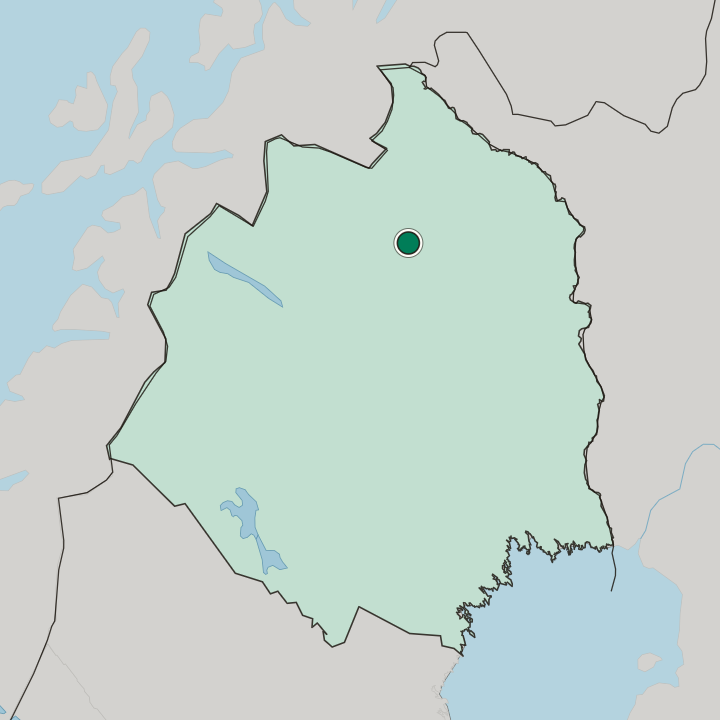
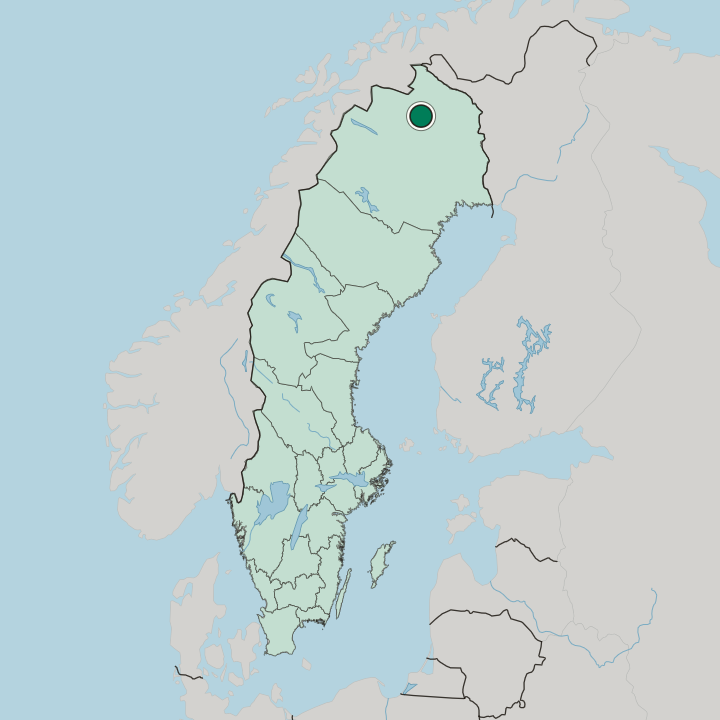
Jukkasjärvi stands on the north bank of the Torne river in Norrbotten County, where the water widens into the lake that gave the village its Finnish name. Pine forest and bog stretch in every direction. Kiruna and its mine lie a short way west, the fells around Kebnekaise rise far beyond them, and the river runs east toward the Finnish border country of Tornedalen.
The land here is low, wide, and open to the sky.
What is the climate of Jukkasjärvi?
Cold is Jukkasjärvi's raw material. River ice on the Torne grows thick enough by late winter to be sawn into building blocks, and the ICEHOTEL's harvest depends on that long deep freeze each year. Polar night brings aurora skies.
Winter holds from October into April, with still, dry cold rather than coastal storms, and the midnight sun then swings the village to the opposite extreme. Summers are brief, bright, and full of mosquitoes in the river meadows.
How do you get to Jukkasjärvi?
Most visitors reach Jukkasjärvi through Kiruna. Flights from Stockholm land at Kiruna Airport on the far side of town, and transfers cover the last stretch to the village in well under an hour. Night trains serve Kiruna station.
From there, local buses and hotel shuttles run east along the road to the Torne river, and taxis fill the gaps in the dark months. Drivers follow the E10 to Kiruna and turn off for the village. Winter tyres are essential in the snow months.
Common questions
What is the best area to stay in Jukkasjärvi?
ICEHOTEL riverside: a night on carved ice. Jukkasjärvi village: quiet stays near the old church. Kiruna: bigger hotels and the airport.
Good for
More cities in Norrbotten County
Updated September 2026