Sweden · Stockholm County
Where to Stay in Märsta, Stockholm County
Märsta is a commuter town in Stockholm County, the largest in Sigtuna Municipality, spread across the plains between the capital and Uppsala.
Hotel links are affiliate links: booking through them may earn us a commission, at no extra cost to you. It never affects how places are ranked. How this works


Where to stay in Märsta
Where the beds are, and what that means for the visit.
The strongest reason to sleep here is the airport. Hotels around Märsta and along the road to Stockholm Arlanda cater to travellers with early departures or late arrivals, and many run shuttle links to the terminals, so an overnight before a flight is the obvious use of the town. The town centre, beside Märsta station, suits anyone moving by train rather than car.
From here you can reach central Stockholm to the south and Uppsala to the north without changing, which makes the centre a cheaper base than the capital for a few nights of city visits in either direction. Shops and everyday restaurants are close at hand. For a more atmospheric stay, look to neighbouring Sigtuna on the lake, where low wooden houses line one of the oldest main streets in the country.
It is a short hop away. Travellers chasing history rather than convenience will find the older town the more rewarding place to wake up, with Märsta kept for the airport run.
Find hotels in Märsta
Direct booking searches for these neighbourhoods.
Märsta centrum
trains both directions without changingFind hotels in Märsta centrumearly flights and airside workersStockholm Arlanda
airport hotels with terminal shuttlesFind hotels in Stockholm Arlandahistory over convenienceSigtuna
old wooden main street on MälarenFind hotels in SigtunaHotel links are affiliate links: booking through them may earn us a commission, at no extra cost to you. It never affects how places are ranked. How this works
About Märsta
What is Märsta known for?
Märsta lives in the orbit of Stockholm Arlanda Airport, only a few kilometres east, which makes it a natural overnight stop for early flights and a home for many who work airside. The town grew up around the railway. Trains run south to Stockholm and north to Uppsala, so it serves as much as a junction as a destination, and the historic town of Sigtuna sits close by on the shore of Mälaren for those who want older streets.
What are the main landmarks in Märsta?
Märsta keeps its landmarks low-key. The medieval Märsta kyrka anchors the older settlement, and Valsta kyrka serves the larger postwar housing area to the west. Local football is played at Midgårdsvallen.
The bigger draws lie just outside the town: Sigtuna's ruined churches and rune stones a short way west, and the great expanse of Mälaren beyond, both within an easy outing for anyone based here for a night or two.
What is the history of Märsta?
Märsta sits in the province of Uppland, a short distance from Sigtuna and the inlets of Lake Mälaren. Long before the modern locality took shape, this was farming country dotted with parishes and runestones. Sigtuna, founded around 980, ranks among the oldest surviving towns in Sweden, and for centuries the surrounding district looked to it as its centre of trade and worship.
The land around Märsta stayed rural and thinly settled. Manors, churches, and tenant farms shaped the landscape well into the nineteenth century. Change came with the rails.
The Stockholm-Uppsala railway opened in 1866 and gave the parish a station, drawing workshops and the first commuters to the line. A decisive shift came in 1962, when Stockholm Arlanda Airport opened on the nearby heaths and made the district a point of arrival for travellers from across the world. Growth followed fast.
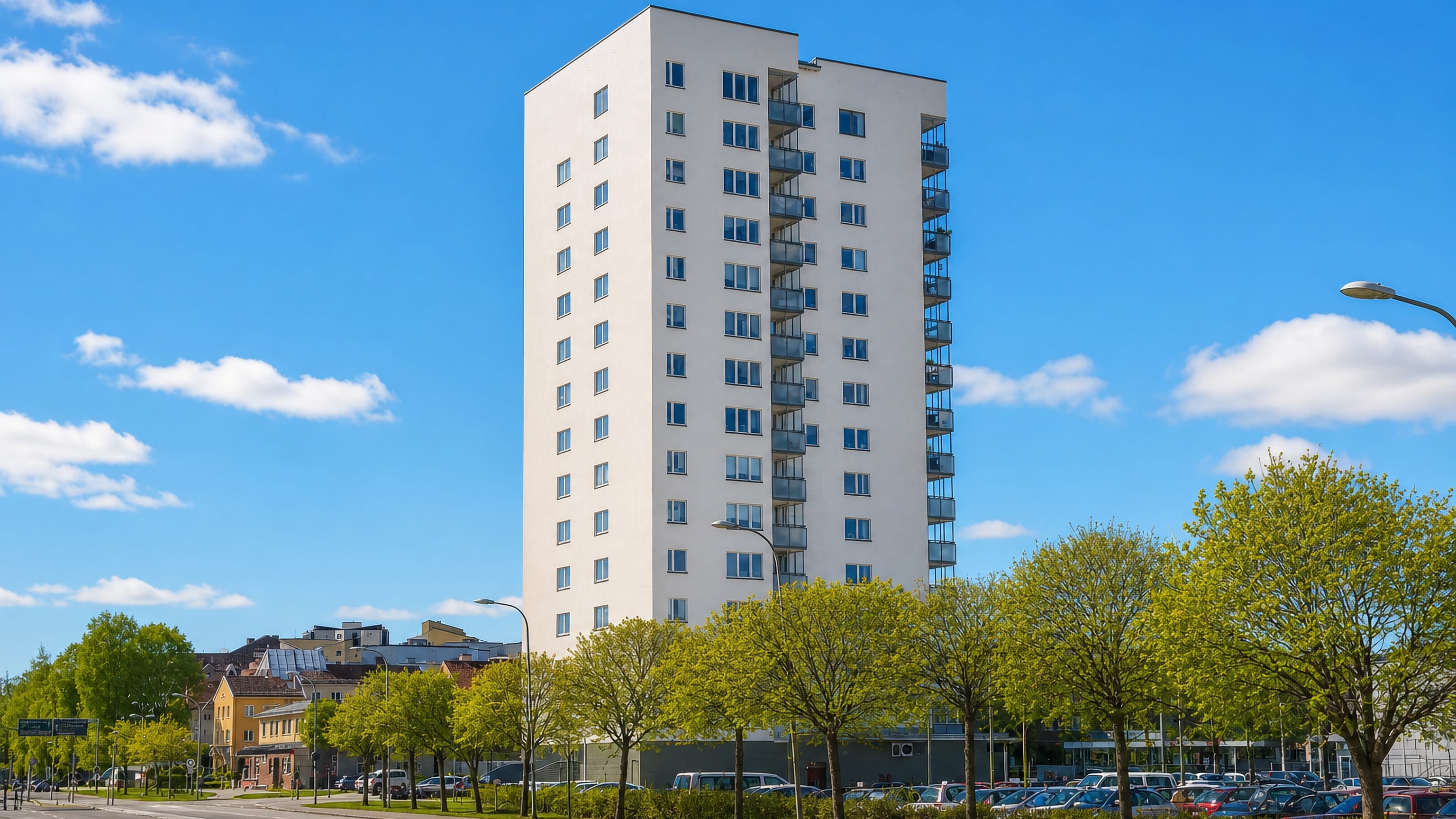
When Sigtuna Municipality was formed in 1971, Märsta became its administrative seat, and planned housing rose where fields had been. Through the postwar decades, tower blocks, schools, and shopping streets filled in around the station. Commuter trains still bind it to Stockholm and Uppsala, and the airport remains the engine of the local economy.
Where is Märsta?
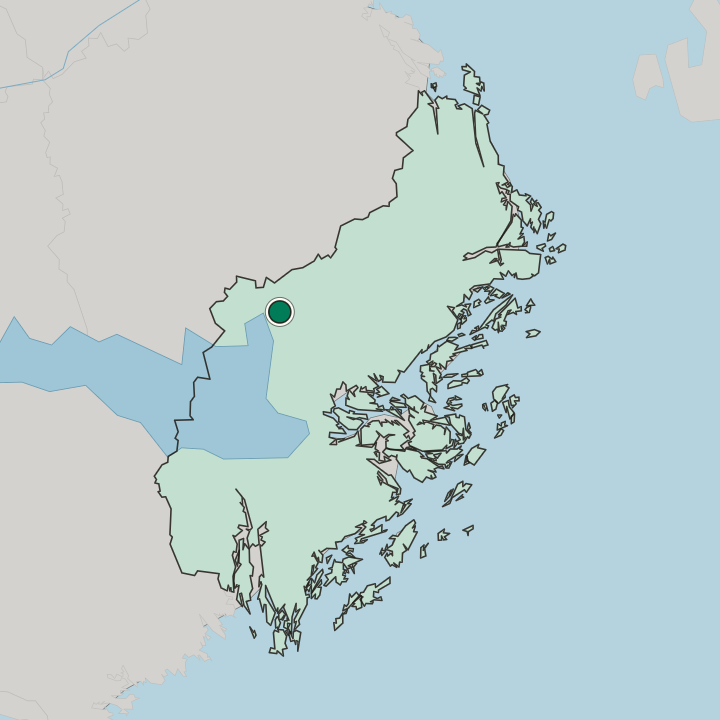
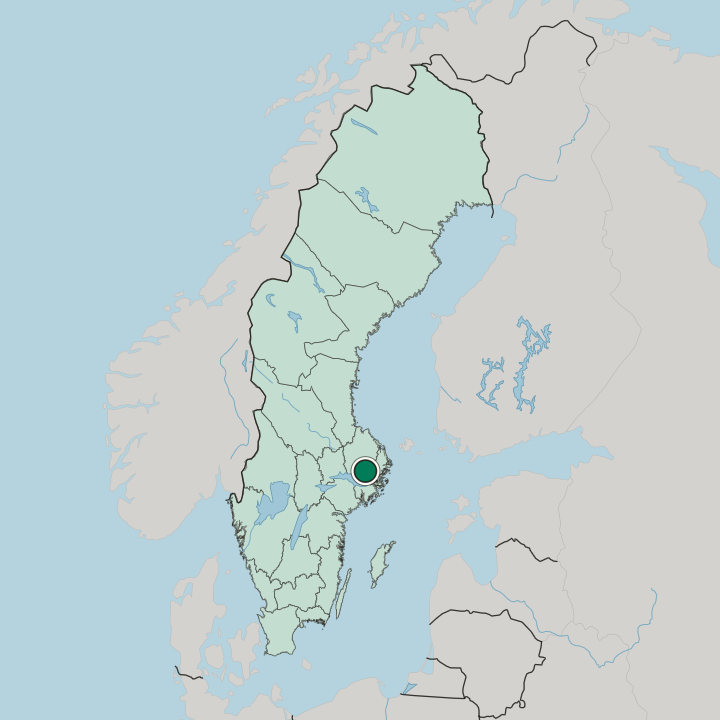
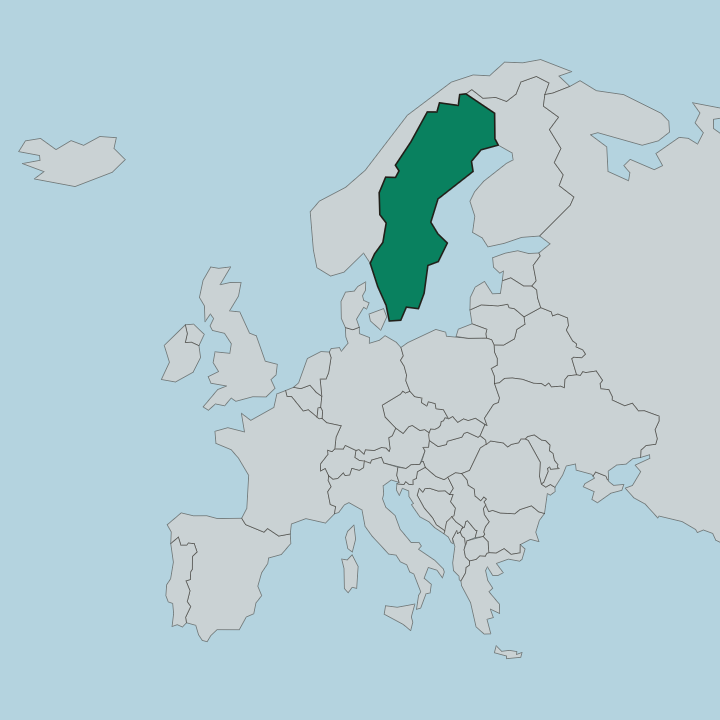
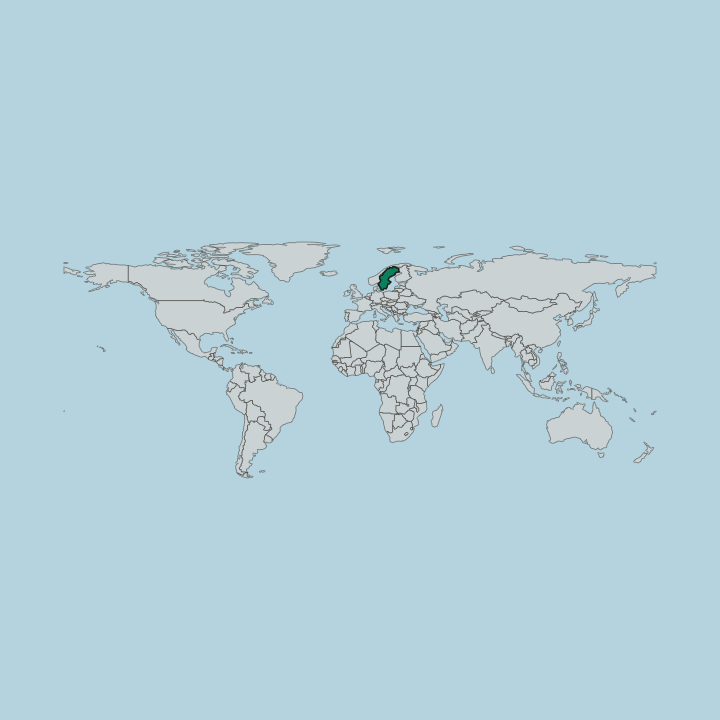
Märsta lies in the north-western part of Stockholm County, in eastern Sweden, on low farmland north of the capital. The bays of Mälaren reach in to the west around Sigtuna. The airport heath stretches east.
Around Märsta the land lies low, flat, and open toward the airport heath. Stockholm sits to the south and Uppsala to the north, each roughly half an hour away by train, which leaves the town squarely on the corridor between the two cities.
What is the climate of Märsta?
Märsta shares the humid continental climate of the Mälaren plains, a little more land-locked in feel than the coast proper. The winter months turn sharply frosty. Snow cover comes and goes through the dark months, and frosts settle readily on the open farmland around the town.
Summers are mild and long in daylight, with warm spells broken by showers drifting across the flat country, and the shoulder seasons run grey and changeable between them.
How do you get to Märsta?
Few towns are easier to reach. Stockholm Arlanda Airport sits just to the east, with rail and bus links covering the last few kilometres to the centre. Trains do the rest: commuter and regional services on the main line connect Märsta station with Stockholm to the south and Uppsala to the north, while the E4 motorway runs past the town on the same axis for drivers heading either way.
Common questions
What is the best area to stay in Märsta?
Märsta centrum: rail travellers visiting Stockholm or Uppsala. Stockholm Arlanda: early flights and airside workers. Sigtuna: history over convenience.
Good for
More cities in Stockholm County
Updated October 2026