
Turkey
Edirne, Turkey — Towns & Travel Guide
Edirne is Turkey's far north-western corner in Eastern Thrace, a former Ottoman capital where the Meriç and Tunca rivers meet close to Greece.
Hotel links are affiliate links: booking through them may earn us a commission, at no extra cost to you. It never affects how places are ranked. How this works


Towns & cities in Edirne
One town here has its own guide — it links to where to stay.

 Turkey
Edirne
Three rivers meet at Edirne, the chief city of Eastern Thrace in northwest Turkey, once the Ottoman capital Adrianople and crowded with grand mosques.Where to stay →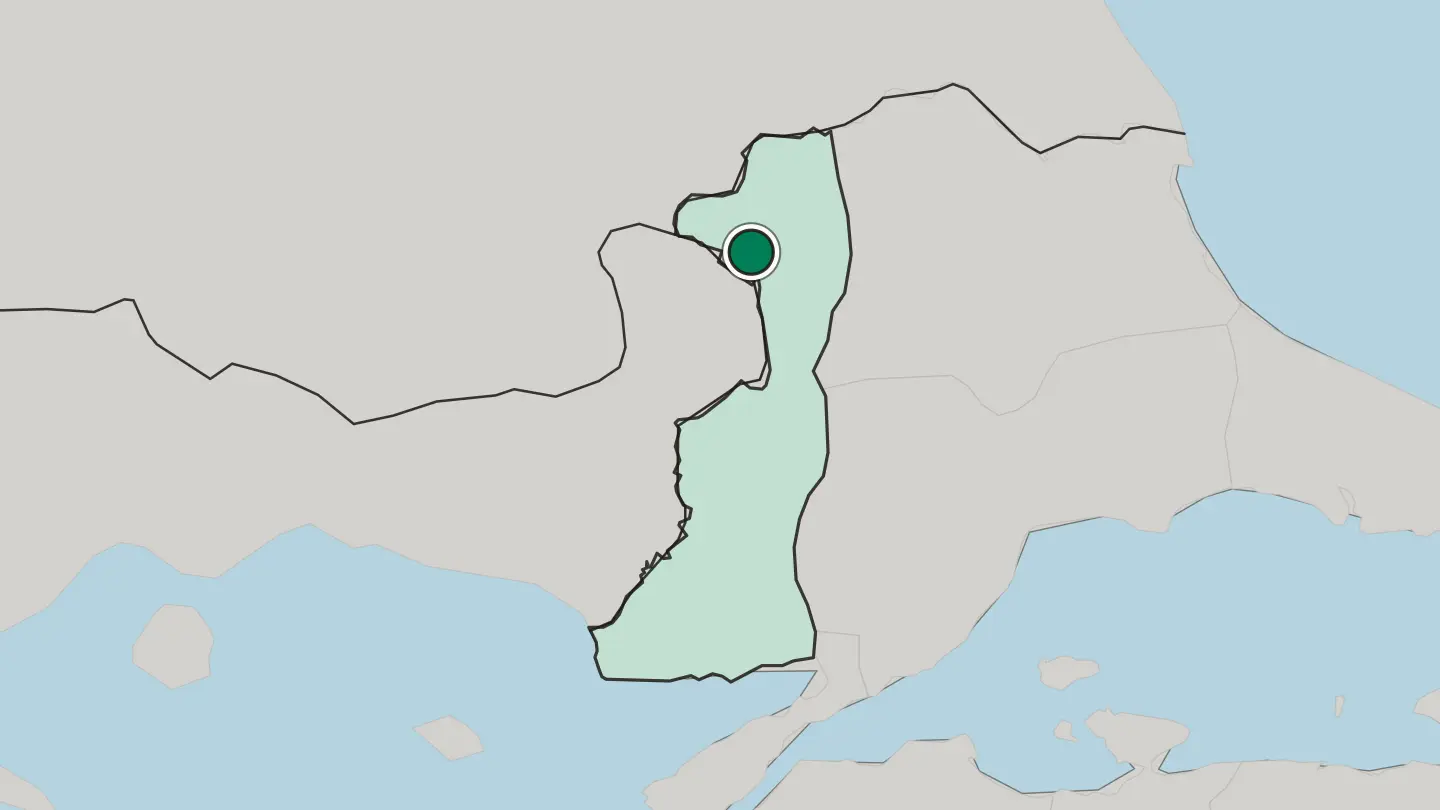
Hotel links are affiliate links: booking through them may earn us a commission, at no extra cost to you. It never affects how places are ranked. How this works
About Edirne
What is Edirne known for?
Edirne trades on the Ottoman century when sultans ruled from here. The skyline belongs to Mimar Sinan. His Selimiye Mosque, raised for Selim II, lifts a dome as wide as Hagia Sophia's above four pencil-thin minarets, and the whole complex carries a UNESCO listing.
Two older imperial mosques share the centre, the Eski Cami and the four-minaret Üç Şerefeli Mosque. Then comes the wrestling. Every summer the Kırkpınar tournament oils its pehlivans and grapples them across a meadow, a rite old enough to hold its own heritage title.
Cooks fry calf's liver, the dish each Edirne kitchen is judged by.
Where is Edirne?
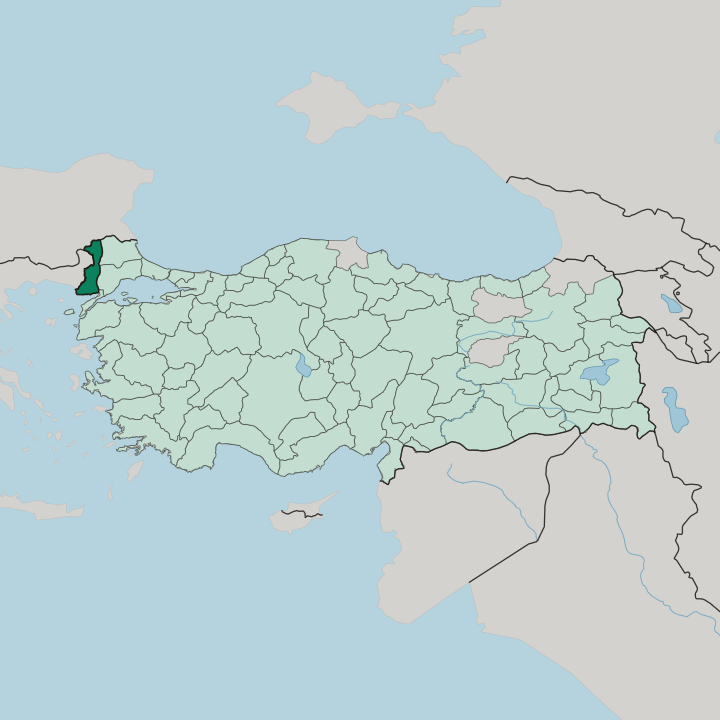
Edirne sits at the far north-western tip of Turkey, the corner where the country runs out of Europe. All of it lies in Eastern Thrace, the strip of Turkish land on the European side of the straits, which makes Edirne one of the few provinces set wholly on the continent. Two international borders wrap it.
Greece lies to the west, traced for miles by the Meriç, while Bulgaria closes off the north. Within Turkey it meets Kırklareli and Tekirdağ to the east, and the land narrows south-east toward the Gallipoli peninsula of Çanakkale. This is flat country.
The Thracian plain spreads out in low, open farmland that barely rises above the rivers draining it. The Tunca comes down from Bulgaria to join the Meriç beside the city of Edirne, and the Ergene gathers the interior before adding its own water further down. Grain, sunflower and rice blanket the plains, and the paddies of the İpsala delta grow much of the country's rice.
Only at the far south does the province touch salt water, where Enez and the Meriç mouth open onto the Gulf of Saros and the Aegean Sea. The rest is river, field and border.
What is Edirne like?
Edirne keeps a loud public life for a border town. Its calendar peaks in high summer, when the Kırkpınar tournament fills a meadow with oiled pehlivans who lock arms and heave to throw one another, a contest the Ottomans ran here for centuries and UNESCO now guards as living heritage. Food is the other pride.
The city fries thin calf's liver until it crackles, serves it with dried chilli, and argues endlessly over which house does it best. Sweets follow, the almond paste and fruit-shaped soaps sold under the vaults of the old bazaars. Layers of people left a mark.
A large Sephardic community once prayed in the Grand Synagogue, among the biggest in Europe, and Roma families still bring the Kakava spring festival down to the banks of the Tunca each May with drums and fire. The Ottoman court set the tone above all. Sultans wintered here, hunted the Thracian plains, and paid for the mosques, bridges and bath-houses that still order the streets.
Craft lingers in the covered markets. It is a provincial town that once dressed like an imperial capital.
What is the history of Edirne?
The Romans founded the city as Hadrianopolis for the emperor Hadrian, and Europe knew it for centuries as Adrianople. The Ottomans seized it in the 1360s and raised it to their capital, the second after Bursa. From here they pushed deep into the Balkans.
It stayed the seat of empire until Constantinople fell in 1453, and even after the court moved on, sultans came back to hunt the plains and build. The frontier centuries were harder. The city changed hands in the Balkan wars, and only the Treaty of Lausanne fixed the modern border in 1923, handing Karaağaç back across the Meriç to Turkey.
What is the climate of Edirne?
Edirne runs to extremes for a province so near two seas. The plains lie inland and wide open, so summers turn hot and dry, and the town ranks among the hottest corners of Turkey once the Thracian heat settles in. Winter is the counterweight.
Cold air spills off the Balkans, snow whitens the flat fields, and hard frosts grip the Meriç and Tunca valleys. Rain mostly keeps to autumn and the cold months, leaving the growing season parched enough that the İpsala paddies lean on the rivers rather than the sky.
How do you get to Edirne?
Edirne guards the overland approach into Turkey. The O-3 motorway and the older D100 run straight from Istanbul across the Thracian plain, so intercity buses make the trip in a handful of hours and drop travellers near the centre. Two border posts sit here.
Kapıkule handles the crossing to Bulgaria and İpsala the crossing to Greece, funnelling the Europe-to-Asia traffic through Thrace. The railway is historic too, running from the old Karaağaç terminus on the Meriç that once welcomed the Orient Express into the city. No large airport serves the province, so most arrive through Istanbul and drive west.
Common questions
What is the best area to stay in Edirne?
Edirne old town: the imperial mosques on foot. Karaağaç and the Meriç bank: riverside quiet by the old Orient Express station. The Gulf of Saros coast: Aegean beaches at Enez and Erikli. Uzunköprü: the great stone bridge over the Ergene.
Good for
More regions in Turkey
Updated October 2026