Turkey
Tekirdağ, Turkey — Towns & Travel Guide
Tekirdağ is the wine-growing Thracian province on the north shore of the Sea of Marmara, in the corner of Turkey that lies inside Europe.
Hotel links are affiliate links: booking through them may earn us a commission, at no extra cost to you. It never affects how places are ranked. How this works


Towns & cities in Tekirdağ
Pick a town or city — each links to where to stay.
 Turkey
Çorlu
Çorlu is a textile and industrial town of Tekirdağ Province, built on Thracian flatland along the Otoyol 3 motorway east of Misinli Castle.Where to stay →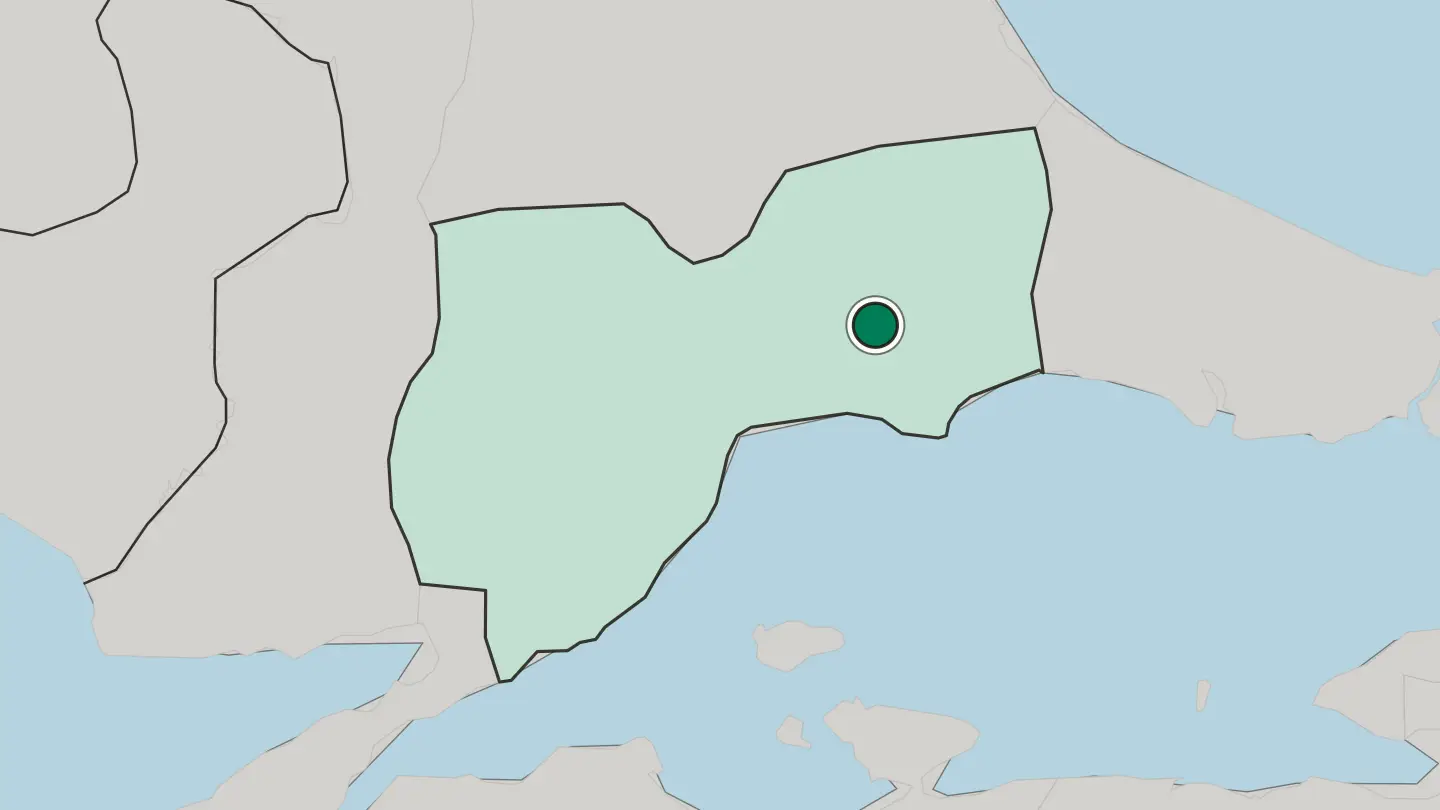 Turkey
Tekirdağ
Tekirdağ is a Sea of Marmara port and the seat of Tekirdağ Province, holding the Rákóczi Museum on the East Thrace shore.Where to stay →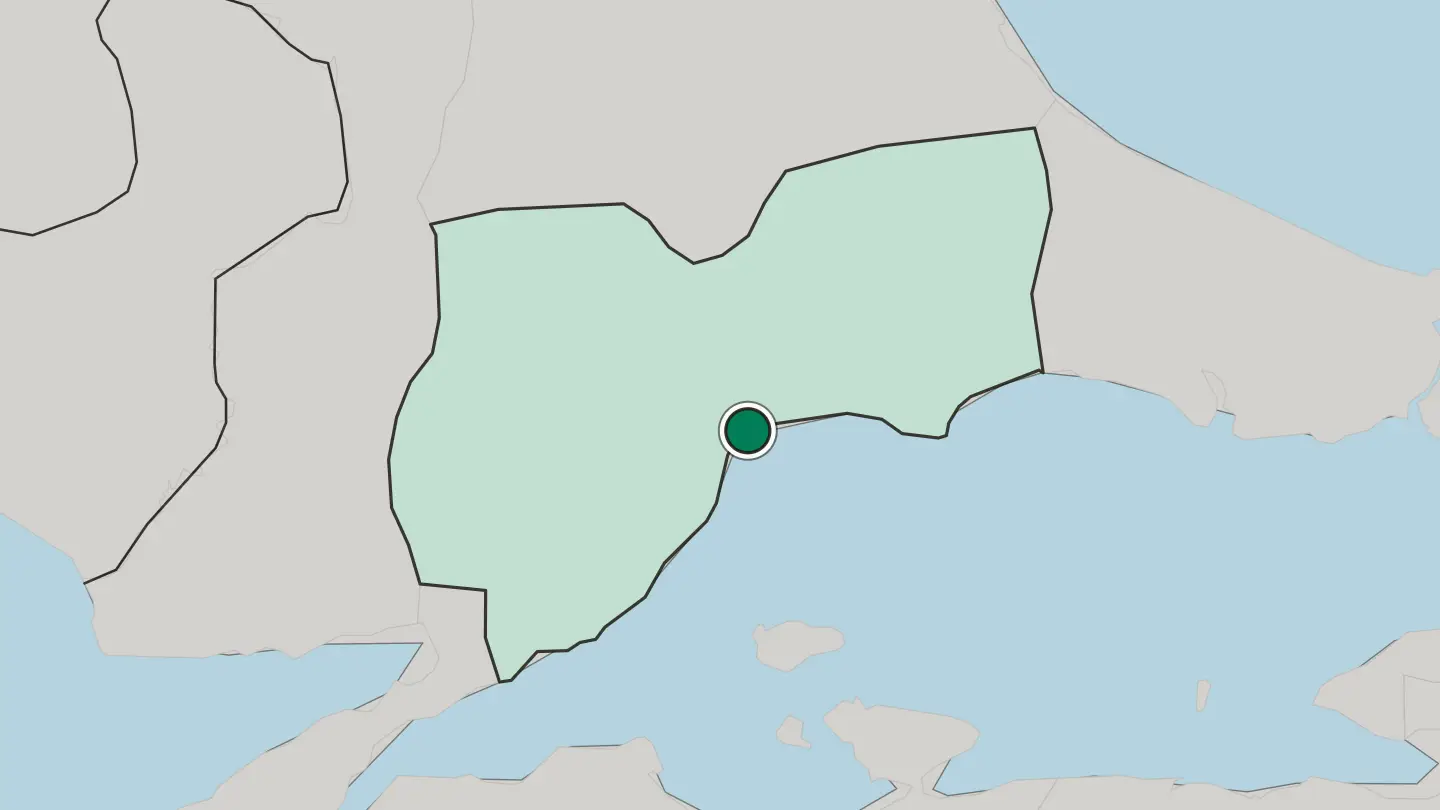
 Turkey
Çerkezköy
Çerkezköy is an industrial town of inland Thrace, west of the outlying Istanbul districts of Çatalca and Silivri.Where to stay →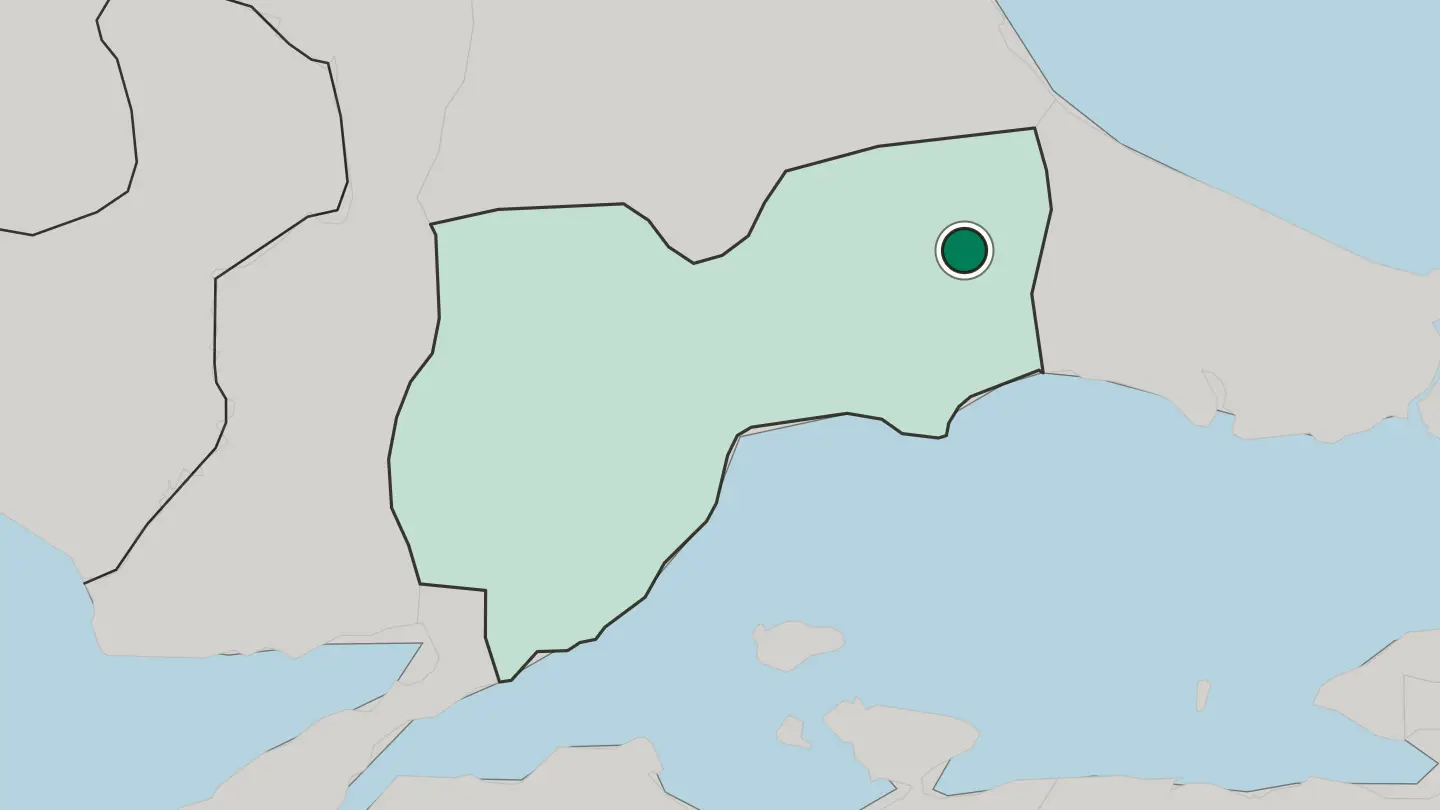
Hotel links are affiliate links: booking through them may earn us a commission, at no extra cost to you. It never affects how places are ranked. How this works
About Tekirdağ
Wine and rakı carry the name.
What is Tekirdağ known for?
The province holds some of Turkey's most important vineyards, planted in a belt that runs west from Tekirdağ town toward Şarköy and the village of Mürefte on the shore of the Sea of Marmara. Tekirdağ rakı, the anise spirit, is distilled here and drunk with the town's own köfte, small grilled meatballs served hot. Behind the coast the Işıklar mountains climb steeply from the water.
Hungary keeps a house here too, where Ferenc Rákóczi II lived out his exile.
Where is Tekirdağ?
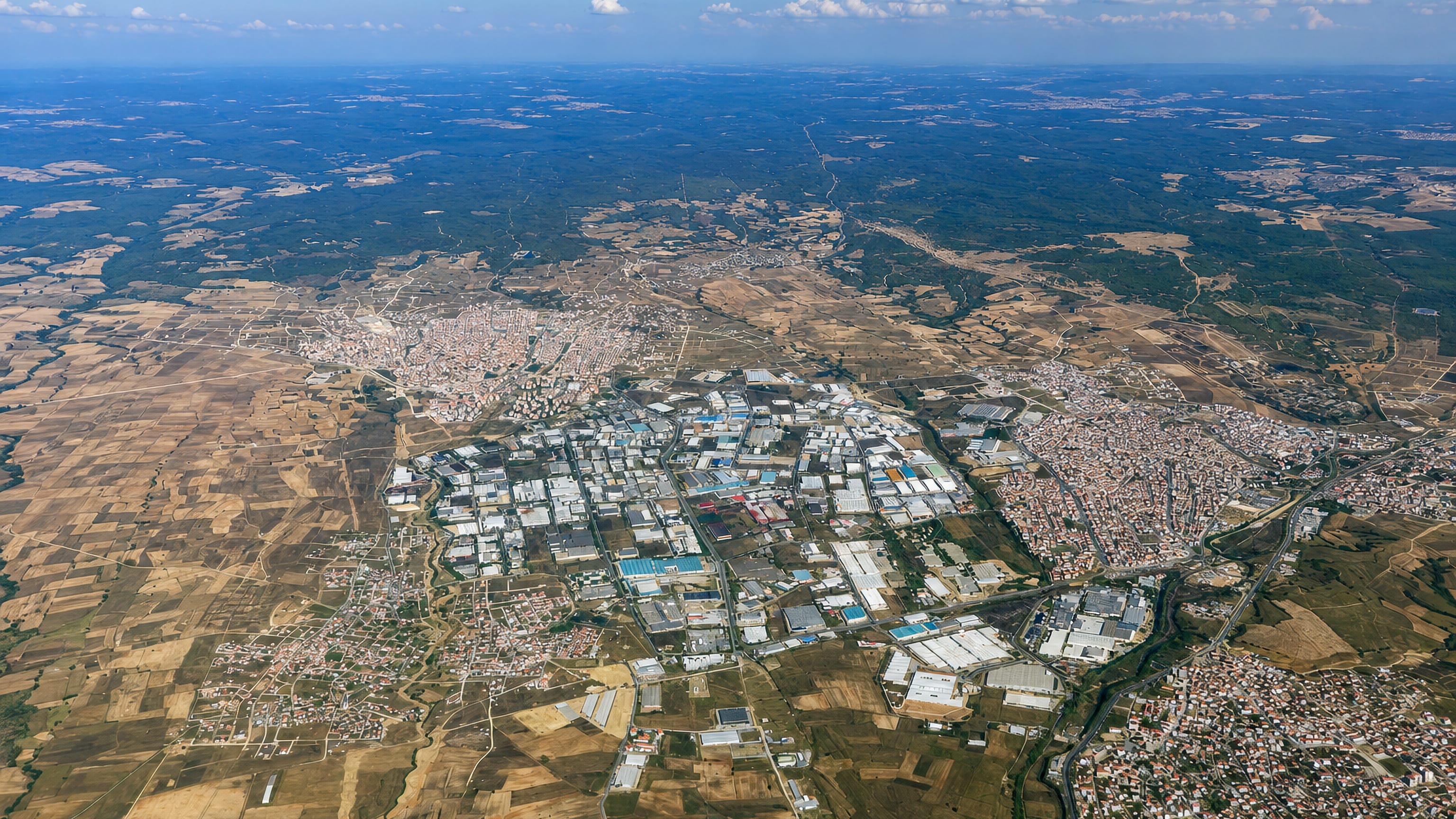
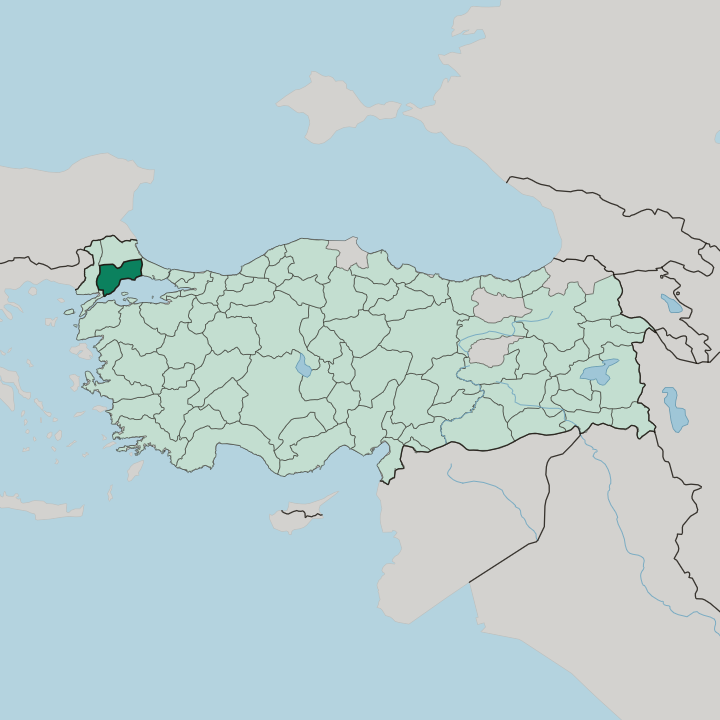
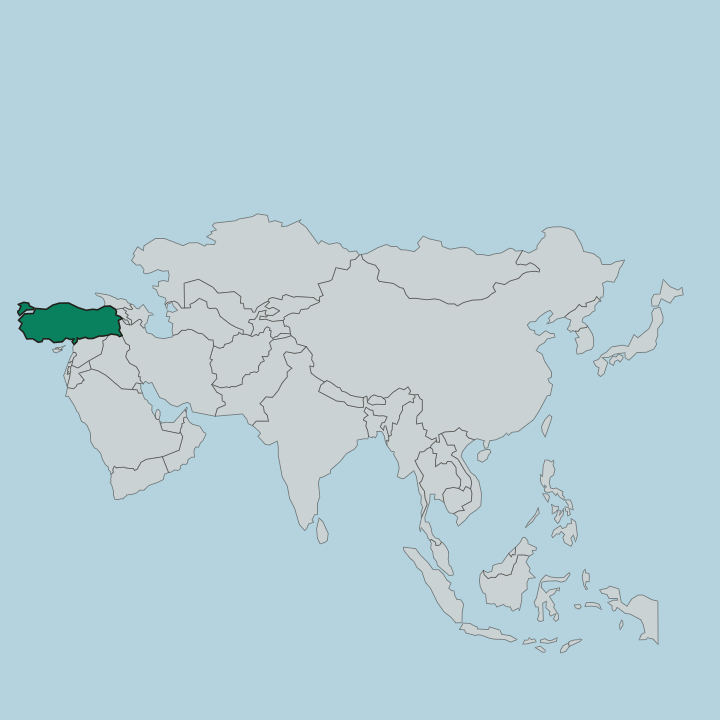
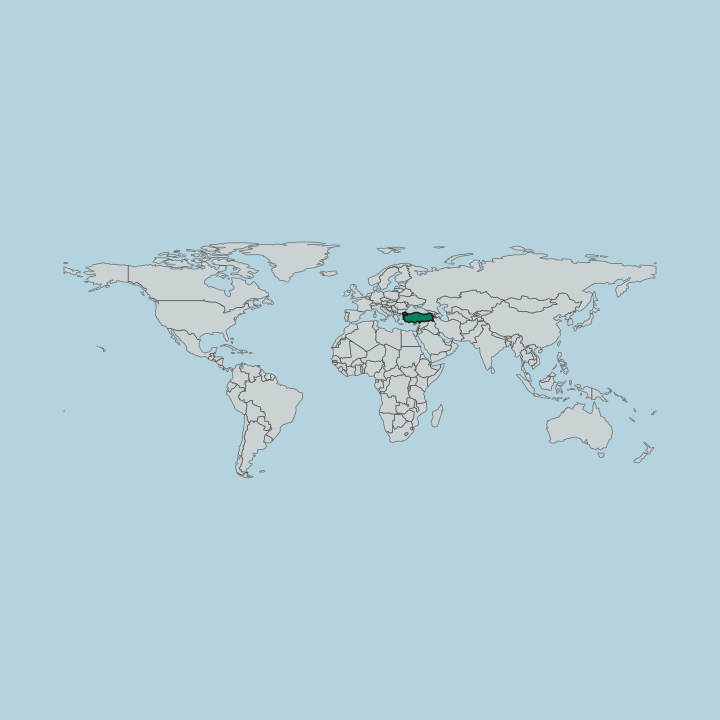
Tekirdağ occupies the middle of East Thrace, the only part of Turkey that sits on the European mainland. It fronts the Sea of Marmara along its whole southern edge. The land climbs from that shore into the Işıklar range, the old Ganos massif, whose wooded ridge shadows the coast road between Şarköy and the provincial town.
Vineyards cover the lower slopes above the water, where the Marmara light and the limestone favour the grape. Inland the ground flattens. The Ergene River drains the wide Thracian plain that fills the interior, a low expanse of wheat and sunflower fields reaching north toward Kırklareli.
Neighbours ring it on three sides. İstanbul lies east across the plain, Edirne west toward the Greek and Bulgarian frontier, and Kırklareli north over the low Thracian watershed. To the south, past the town of Malkara, the province narrows to the neck of the Gallipoli peninsula in Çanakkale. The coast bends through small bays.
Rivers here run to the Ergene rather than the sea, gathering off the plain before joining the Meriç on the Greek border far to the west. Fishing harbours, wide farming districts, and the factory towns around Çorlu share one rolling Thracian ground.
What is Tekirdağ like?
The table defines the place. Two things carry Tekirdağ's name beyond Thrace: its rakı, the clear anise spirit poured over ice until it clouds, and its köfte, finger-length grilled meatballs that arrive hot with bread and sharp pepper. The spirit was distilled in the town's state works for generations before the trade passed to private hands.
Wine belongs to the same table. The vineyards around Şarköy and Mürefte have supplied Turkish winemakers for over a century, and the autumn grape harvest still sets the rhythm of the coastal villages. History left odder marks too.
A Hungarian prince, Ferenc Rákóczi II, spent his last years exiled in a wooden house on the Tekirdağ waterfront, and that house is still Hungarian property, kept as a museum to him. The Ottoman architect Mimar Sinan raised the Rüstem Paşa Mosque above the harbour in the sixteenth century. You will hear Turkish spoken everywhere in Tekirdağ.
The poet Namık Kemal, a founder of modern Turkish literature, was born in the town, and his birthplace joins the mosque and the exile's house on the short walk through the old centre.
What is the history of Tekirdağ?
The town is old under many names. Greek settlers knew it as Bisanthe, and later antiquity called it Rhaedestus, the Rodosto of Byzantine and Ottoman maps. Venice held the port for three decades after the Fourth Crusade before the Ottomans took the Thracian coast and renamed the place Rodosçuk.
The modern name Tekirdağ settled later still. In the eighteenth century the exiled Hungarian leader Ferenc Rákóczi II was granted refuge here, and after the compulsory exchange between Greece and Turkey that followed the collapse of Ottoman rule, its Greek families left the town for good.
What is the climate of Tekirdağ?
The coast and the interior keep different weather. Along the shore of the Sea of Marmara the climate runs mild and damp, with warm humid summers and cool wet winters softened by the sea. Snow reaches the Işıklar ridge most winters and dusts the town less often.
Inland the sea's hand weakens. The open Ergene plain swings hotter in summer and colder in the wind off Thrace, drying out as the coastal breeze falls away behind the hills.
How do you get to Tekirdağ?
Most arrivals come overland from İstanbul. The motorway west along the Sea of Marmara puts the province within a short drive of İstanbul and the two large airports that serve the city. Çorlu keeps a smaller airfield of its own on the Thracian plain, used for regional flights. Trains are scarce here.
Buses run constantly between İstanbul, Çorlu and the provincial town, and the coast road carries on west through Şarköy toward Gallipoli and the Dardanelles.
Common questions
What is the best area to stay in Tekirdağ?
Süleymanpaşa: Tekirdağ's seafront old town. Çorlu: the İstanbul road and business travel. Şarköy: the Marmara wine coast.
Good for
More regions in Turkey
Updated October 2026