
Uzbekistan
Tashkent, Uzbekistan — Towns & Travel Guide
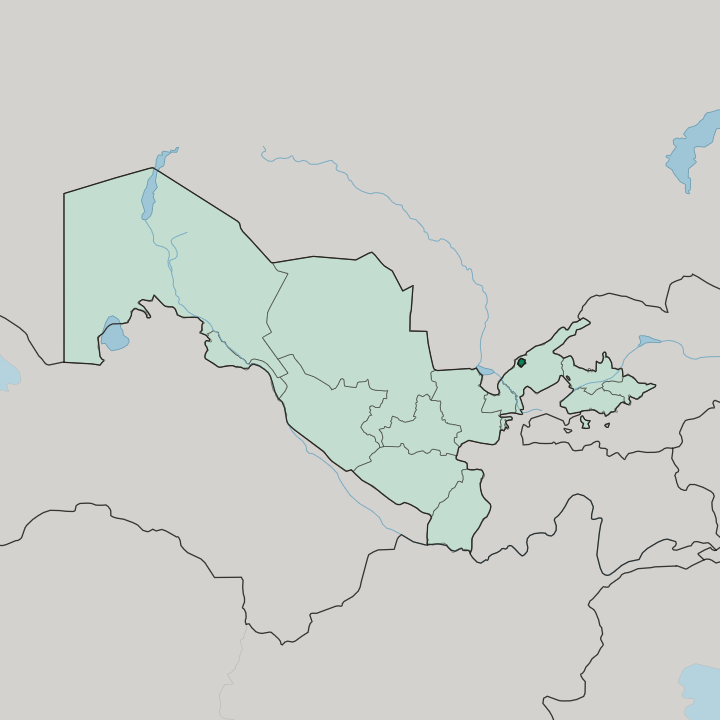
Tashkent is the northeastern region of Uzbekistan, the province that surrounds and contains the national capital city of the same name.
Hotel links are affiliate links: booking through them may earn us a commission, at no extra cost to you. It never affects how places are ranked. How this works


Towns & cities in Tashkent
One town here has its own guide — it links to where to stay.
 Uzbekistan
Tashkent
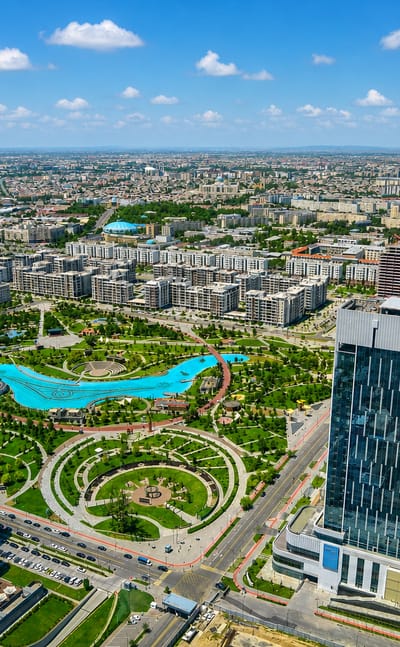
Tashkent is the capital of Uzbekistan, an ancient Silk Road city rebuilt in broad Soviet boulevards around the Kukeldash Madrasah.Where to stay →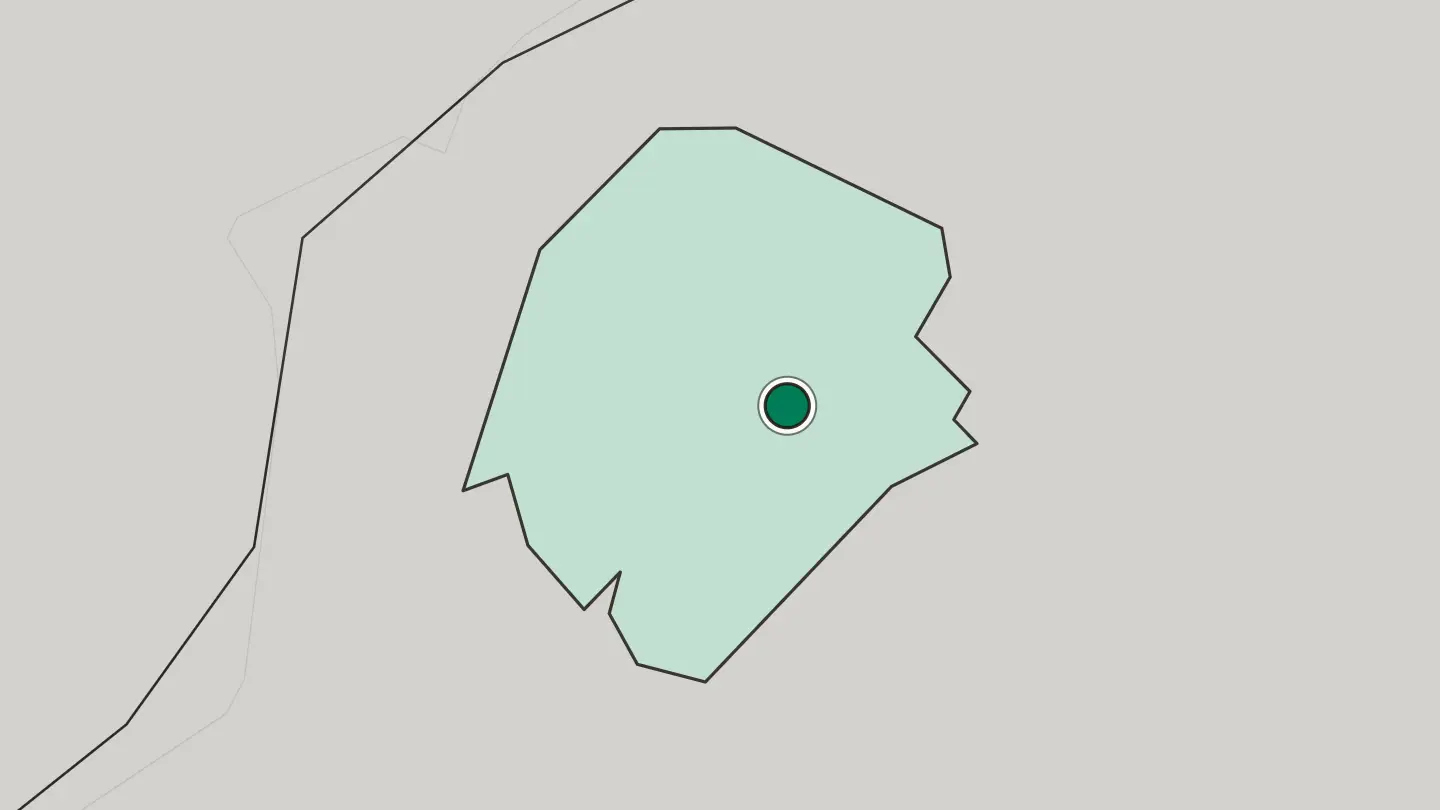
Hotel links are affiliate links: booking through them may earn us a commission, at no extra cost to you. It never affects how places are ranked. How this works
About Tashkent
What is Tashkent known for?
Tashkent is known as the region that holds Uzbekistan's national capital and the country's main point of arrival. Its centre is the hub. The province takes its name and its role from the capital city at its core, long a crossroads on the Silk Road where routes bent onward toward Samarkand and Bukhara.
Travel through it is easy.
Where is Tashkent?
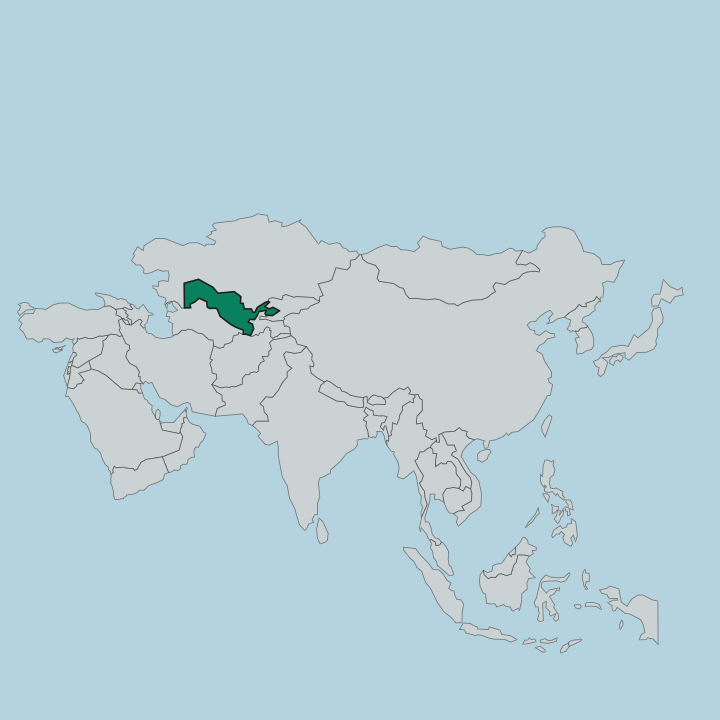
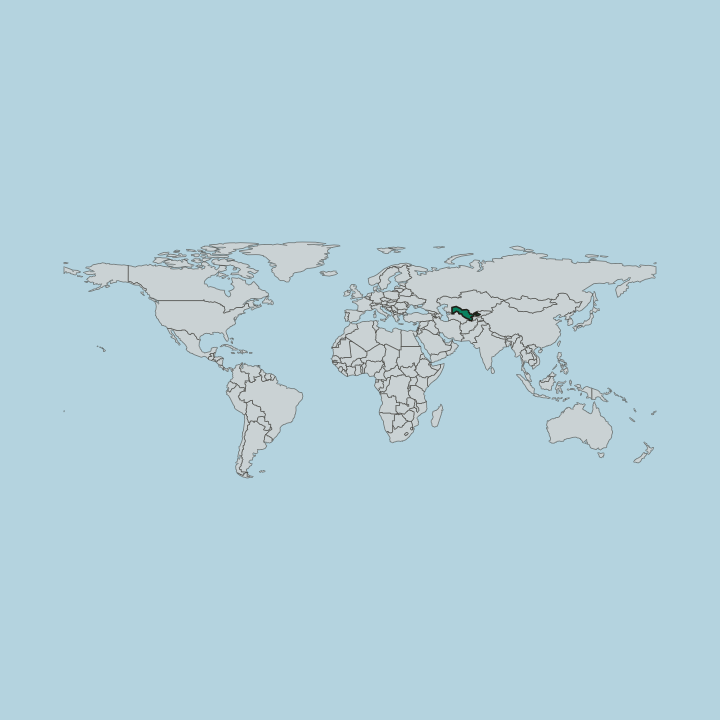
Tashkent occupies the northeastern corner of Uzbekistan, in the wider expanse of Central Asia. The region is compact. Its territory gathers around the national capital that gives the province its name, so the geography of the region is really the geography of a great city and the country immediately surrounding it, set inland at a distance from any sea.
Geography here has always been about connection rather than barrier. The routes run everywhere. As the country's main transport hub, the region sits at the meeting of roads and rails that fan out across Uzbekistan, carrying travellers on toward Samarkand and Bukhara and back toward the borders of Central Asia.
This junction role reaches far back, to the days when the Silk Road threaded through the area on its long course between China and Europe, making the region a natural crossroads of goods and people rather than a place defined by mountain or coast. The result is a region best understood by its links. Distance is the theme.
Everything about the area, from the reach of its routes to the position of its capital, reflects a corner of Uzbekistan shaped by movement across Central Asia rather than by any single landform, and that has held true since the earliest days of the Silk Road.
What is Tashkent like?
Tashkent has the feel of a modern place laid over an ancient one. The past is buried, not gone. Much of what a visitor sees dates from the rebuilding that followed the earthquake of 1966, when the region's capital was reconstructed in Soviet style, its centre laid out along broad boulevards rather than the tight lanes of an old town.
Wide avenues set the tone. Underneath that modern surface runs a much older identity. This has always been a crossroads.
Long a meeting point of cultures, goods, and ideas carried along the Silk Road between China and Europe, the region absorbed influences from every direction, and the mixture still shows in a culture that belongs to Central Asia yet looks outward. Uzbek is the everyday language. That blend of the ancient and the rebuilt, the local and the arrived, is the region's defining cultural note.
For the visitor, the region's culture reads in these layers. History sits near the surface. Relics of the Silk Road centuries stand not far from the plain concrete forms of the post-earthquake decades, so that the area holds both its ancient role as a trading crossroads and its modern face as a rebuilt Central Asian capital region within the same streets.
The contrast is the point.
What is the history of Tashkent?
Tashkent's history reaches back to its days as an ancient city on the Silk Road, the trading network that ran between China and Europe. That role made it old and important. The turning point of its modern era came in 1966, when an earthquake wrecked the capital at the region's core and the city was rebuilt in Soviet style, giving the area much of the form it carries in the present.
Old and new now sit side by side.
What is the climate of Tashkent?
Tashkent has a dry continental climate, set well inland in Central Asia within the wider interior of Uzbekistan, far from the sea. Summers are hot and long. Winters turn cold across the region, and the sharp swing between the seasons is the mark of a place cut off from any softening ocean air.
Rainfall stays light through much of the year.
How do you get to Tashkent?
Reaching Tashkent is straightforward, because the region is Uzbekistan's national transport hub. Most arrivals land here first. Roads and rail lines converge on the capital at the region's centre, the same convergence that made it a Silk Road junction in earlier centuries, and from here routes run onward to Samarkand and Bukhara and out toward the borders of Central Asia.
It is the country's front door.
Good for
More regions in Uzbekistan
Updated September 2026