Vietnam
Hung Yen, Vietnam — Towns & Travel Guide
Hưng Yên is a Red River Delta province of Vietnam, centred on the old trading town of Phố Hiến, with longan orchards across its flat plain.
Hotel links are affiliate links: booking through them may earn us a commission, at no extra cost to you. It never affects how places are ranked. How this works


Towns & cities in Hung Yen
One town here has its own guide — it links to where to stay.
 Vietnam
Thái Bình
Thái Bình, in the Red River Delta 110 km from Hanoi, was the capital of Thái Bình Province and holds its Sacred Heart Cathedral.Where to stay →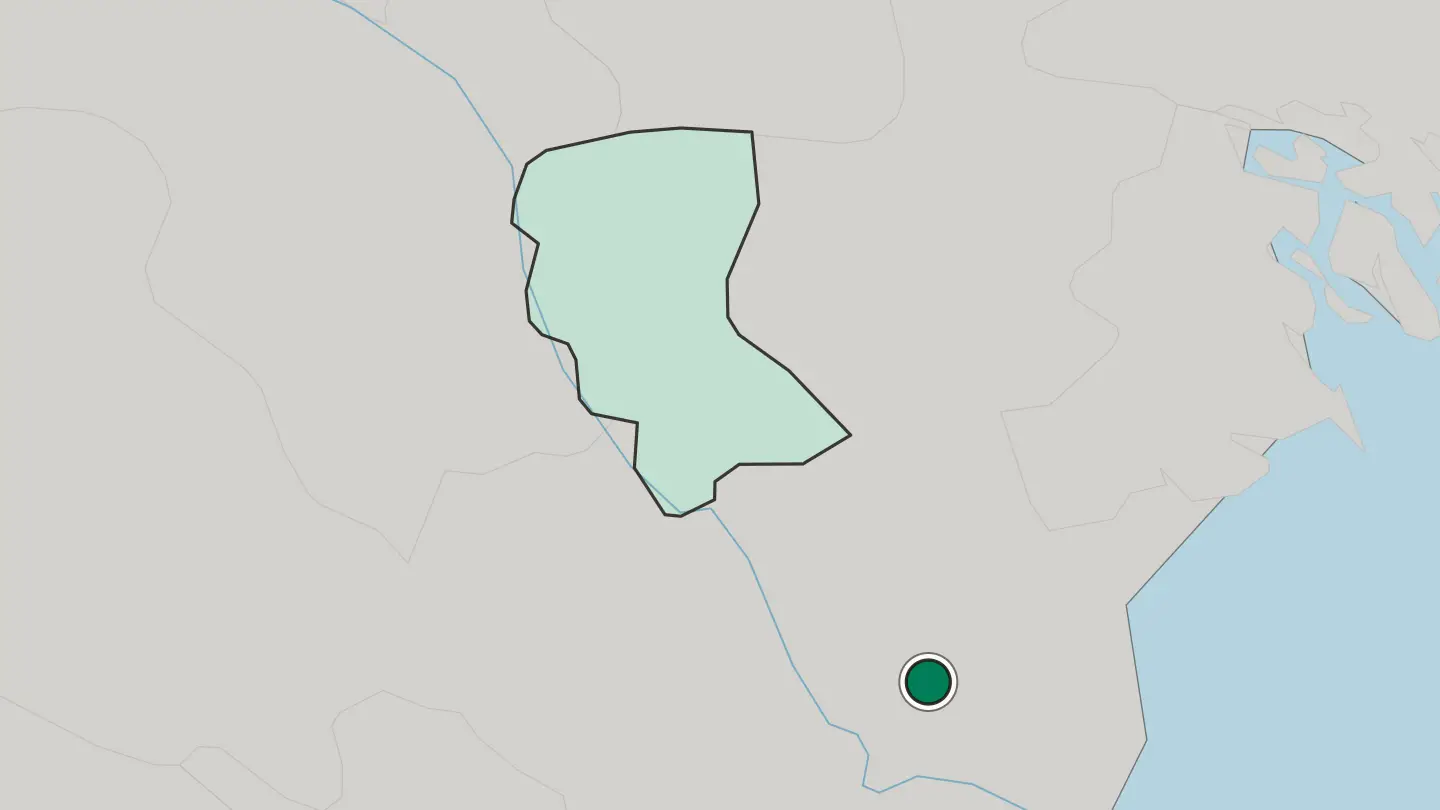
Hotel links are affiliate links: booking through them may earn us a commission, at no extra cost to you. It never affects how places are ranked. How this works
About Hung Yen
What is Hung Yen known for?
Two things carry Hưng Yên's name: Phố Hiến and the longan. Phố Hiến was the great river trading town of the delta, and a Vietnamese saying still ranks it second only to the capital at Thăng Long, the old name for Hanoi. The province's thick-fleshed longan, once sent to the royal court as tribute, ripens across orchards near Hưng Yên City every summer.
Craft villages line its lanes. Temples to Chử Đồng Tử stand on the Red River bank at Đa Hòa.
Where is Hung Yen?
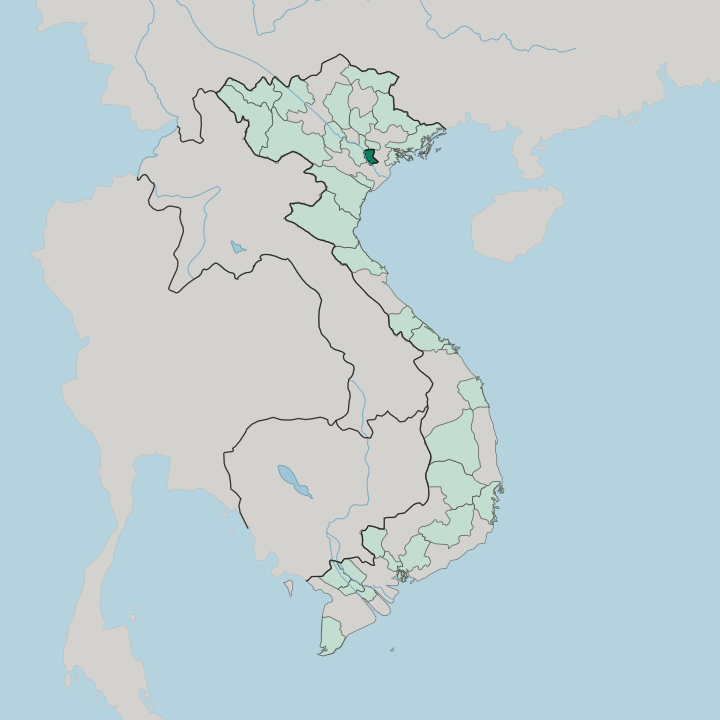
Hưng Yên lies in the middle of the Red River Delta, just south-east of Hanoi. Hưng Yên is level throughout. Not a hill or a patch of forest breaks its plain, which is built entirely from silt the Red River has laid down over centuries.
The Red River itself runs along the province's western and southern flank, and the Luộc River, one of its branches, traces the old southern boundary. Dikes hold both rivers back from the fields. That alluvial soil is what feeds the province's famous longan gardens.
Rice paddies and fruit gardens divide the rest, packed tight behind the dike lines in one of the most closely worked corners of the delta. Provinces and city border it all around. Hanoi lies to the west and north-west, across the Red River, and Bắc Ninh reaches down from the north on a land border.
Eastward and southward the flat delta rolls on toward the sea. No mountain rises within it. Roads and rivers, rather than any relief, set the shape of the place.
Hưng Yên City stands on the Red River bank, the old river town at the plain's low edge.
What is Hung Yen like?
Hưng Yên's character was shaped by trade and by learning. When Phố Hiến was a working river town, merchants from China, Japan, the Dutch Republic and Britain kept warehouses along its wharves, and a Vietnamese proverb ranked it just below the capital. Their brick temples and merchant guild halls still stand among the older pagodas.
The Văn Miếu Xích Đằng, a Temple of Literature in Hưng Yên City, keeps stone stelae cut with the names of local men who passed the old imperial examinations. Confucian study mattered here. Folk belief runs just as strong.
Riverside temples at Đa Hòa honour Chử Đồng Tử, a poor fisherman who married a princess and became one of Vietnam's Four Immortals, and his festival fills the banks each spring. The countryside keeps its old craft and its cooking alive. Làng Nôm guards an ancient nine-arch stone bridge and a pagoda full of terracotta figures, while nearby villages are known for the fat-legged Đông Tảo chicken and the fermented Bần soybean sauce that flavours delta tables.
Hundreds of village festivals mark its calendar, from spring pagoda fairs to the longan harvest. And over all of it hangs the longan.
What is the history of Hung Yen?
Phố Hiến made Hưng Yên's early name. Through the 16th and 17th centuries it was the delta's busiest trading town after the capital, and foreign merchants set up posts there, the Dutch in 1637, the English in 1672, before the Red River silted and the trade drifted away. Emperor Minh Mạng fixed the province's name in 1831.
Its later story turned to resistance: from the reed marshes here, Nguyễn Thiện Thuật led the Bãi Sậy uprising against French rule in the 1880s. The river had the last word.
What is the climate of Hung Yen?
Hưng Yên runs on a monsoon calendar. From May to October the delta turns hot and wet, and most of the year's rain falls in those months, drumming on the paddies and swelling the Red River behind its dikes. Winters are cooler and much drier, with grey drizzle blowing in off the north.
Longan trees flower in the damp spring and swell through the summer heat. The seasons set the harvest.
How do you get to Hung Yen?
No planes land in Hưng Yên. Travellers fly into Nội Bài International Airport at Hanoi, then drive south-east across the delta, an hour or so on the road. Two routes carry most of the traffic: the old National Highway 5 and the newer Hà Nội-Hải Phòng Expressway, both threading the province as they link Hanoi with the port at Hải Phòng.
Once, boats did the work, tying Phố Hiến to the sea by the Red River. The river brought the first visitors.
Common questions
What is the best area to stay in Hung Yen?
Hưng Yên City: walking the Phố Hiến relics. Văn Giang: an Ecopark base near Hanoi. Phố Nối: business at the industrial parks. Khoái Châu: riverside temples and longan gardens.
More regions in Vietnam
Updated September 2026