Vietnam
Tỉnh Hà Tĩnh, Vietnam — Towns & Travel Guide
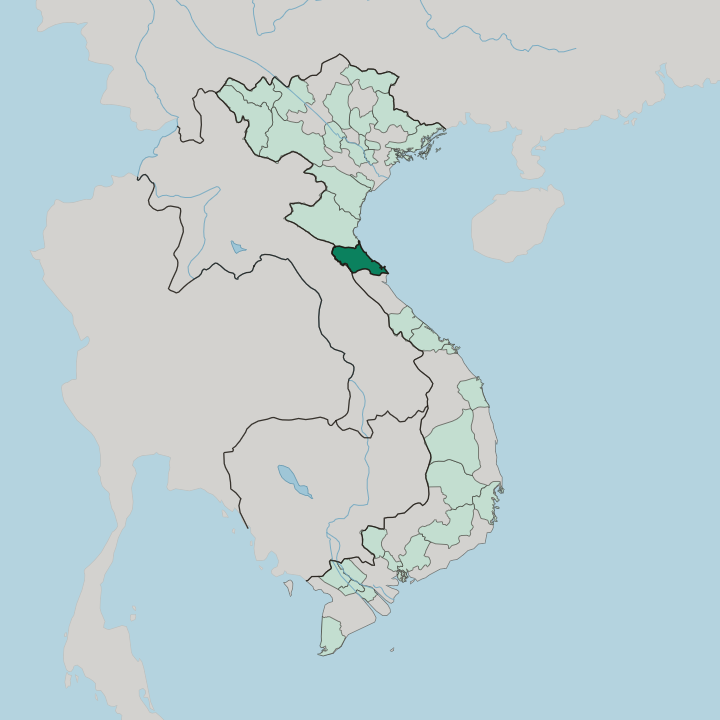
Hà Tĩnh is a mountainous province on Vietnam's north-central coast, where the Annamite Range drops to a narrow shore on the Gulf of Tonkin.
Hotel links are affiliate links: booking through them may earn us a commission, at no extra cost to you. It never affects how places are ranked. How this works


Towns & cities in Tỉnh Hà Tĩnh
One town here has its own guide — it links to where to stay.

 Vietnam
Hà Tĩnh
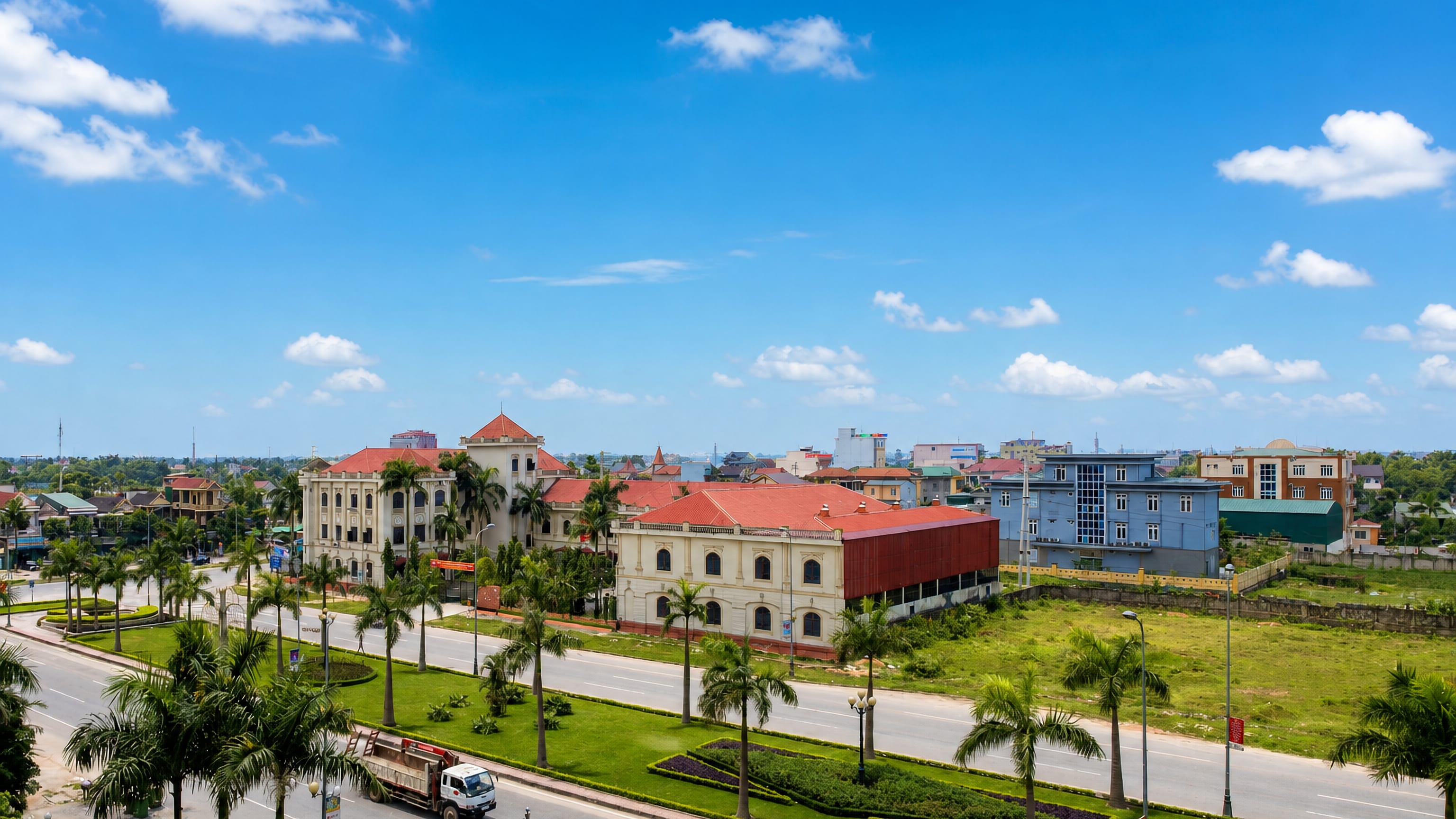
Hà Tĩnh, capital of Hà Tĩnh Province, stands on National Highway 1A in the North Central Coast region, a dozen kilometres from the South China Sea.Where to stay →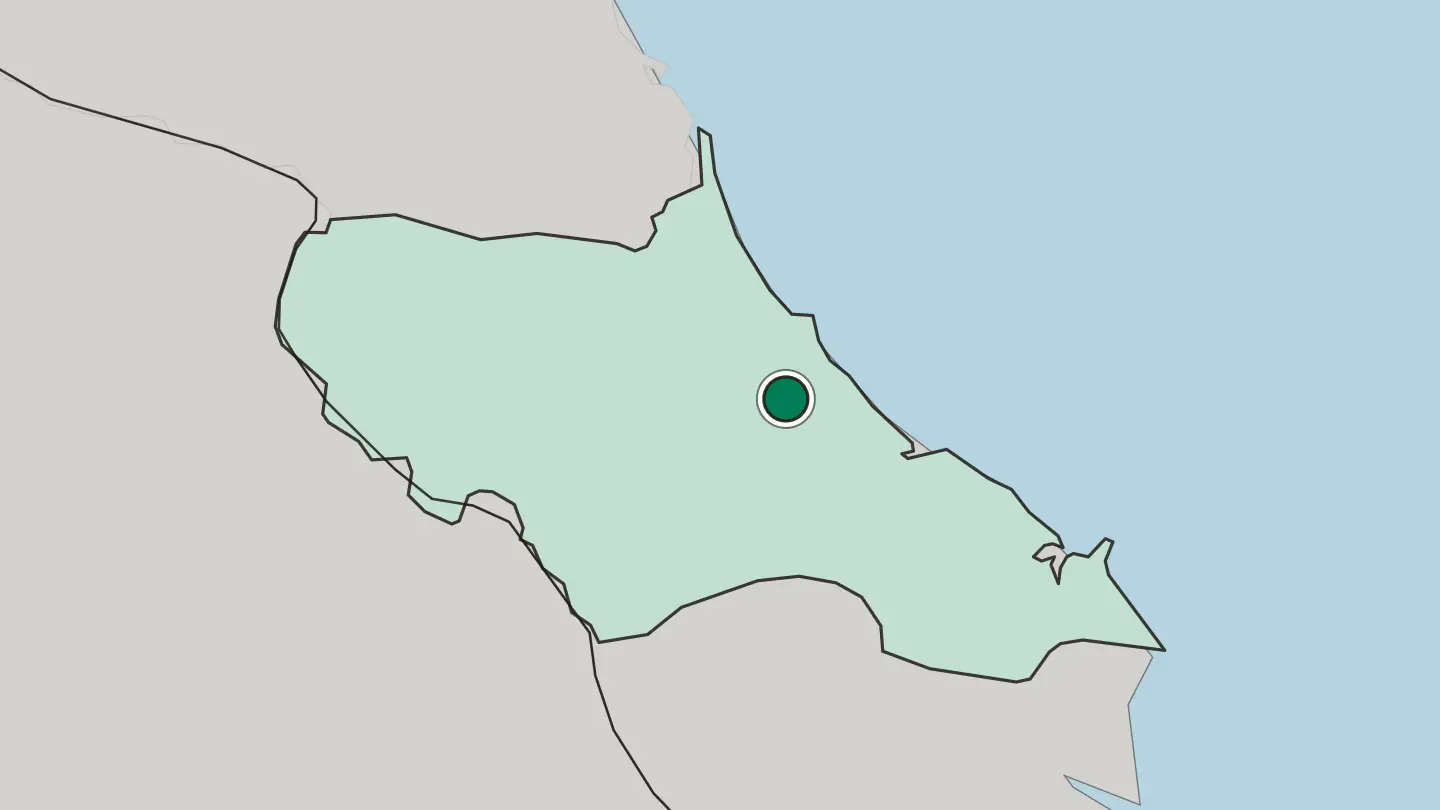
Hotel links are affiliate links: booking through them may earn us a commission, at no extra cost to you. It never affects how places are ranked. How this works
About Tỉnh Hà Tĩnh
What is Tỉnh Hà Tĩnh known for?
This is poets' country. Hà Tĩnh is the home province of the poet Nguyễn Du, author of the verse novel The Tale of Kiều. The unaccompanied Ví and Giặm folk songs, sung over rice fields and rowing boats, carry a UNESCO listing shared with neighbouring Nghệ An.
Its hills gave writers the ninety-nine peaks of Hồng Lĩnh; its shore gave them Thiên Cầm and the Đèo Ngang pass. The deep-water port at Vũng Áng anchors a harder, industrial name for the same province.
Where is Tỉnh Hà Tĩnh?
Hà Tĩnh is squeezed between mountain and sea. It runs as a narrow slice of Vietnam's north-central coast, wider in the mountains than on the shore. Nghệ An lies to the north across the Lam River.
To the west the Annamite Range carries the long land border with Laos along its watershed, the same wall of mountains that keeps the monsoon rain on the far side. The Gulf of Tonkin, the northern arm of the South China Sea, takes the whole eastern edge. In the south the land pinches almost shut at the Đèo Ngang pass.
Hills and forest cover most of the interior. Fields fill the midland hollows and a thin coastal plain. Two mountain rivers, the Ngàn Sâu and the Ngàn Phố, gather rain off the Annamite slopes and join to form the La River before it slips past the fields to the sea.
Near the northern shore stand the ninety-nine peaks of Hồng Lĩnh, the range that fixed itself in Vietnamese verse. Behind the beaches at Thiên Cầm and Xuân Hải, the reservoir of Kẻ Gỗ floods a wooded valley kept as a nature reserve. The shore stays low and sandy.
Lone hills and tidal salt flats break it, and the Vũng Áng headland juts into the gulf far to the south.
What is Tỉnh Hà Tĩnh like?
Hà Tĩnh thinks of itself as a land of study and verse. The poet Nguyễn Du grew up among the scholars of Tiên Điền in Nghi Xuân, and his six-eight verse novel The Tale of Kiều is learned by heart across Vietnam. Poverty and floods shaped the same character.
The province turned out mandarins and teachers out of proportion to its size, and its people carry a reputation for stubborn schooling against hard ground. Nguyễn Du still presides over it. Pilgrims come to his memorial garden below Hồng Lĩnh.
The region announces itself by ear. Ví and Giặm, the unaccompanied folk singing shared with Nghệ An, once kept time with rice planting, boat rowing and the making of conical hats, and UNESCO added it to its heritage list. The words ride the blunt, rising Nghệ Tĩnh dialect that marks a speaker as soon as they open their mouth.
Vietnamese is the everyday language, in that unmistakable local accent. At roadside stalls the sweet of choice is kẹo cu đơ, molasses and peanuts set hard between two rice crackers. It is a poor province that has always exported words.
What is the history of Tỉnh Hà Tĩnh?
Hà Tĩnh became a province in 1831, when Emperor Minh Mạng split it off from Nghệ An in the great reordering of the Nguyễn state. It has a hard modern record. The countryside rose in the Nghệ Tĩnh Soviet of 1930, one of the early grounds of the rural Soviet movement, and it was crushed.
Later the province lay astride the wartime supply roads south. At Đồng Lộc a squad of young volunteers died in 1968 keeping one bombed junction open. That crossroads became a place of pilgrimage.
What is the climate of Tỉnh Hà Tĩnh?
Hà Tĩnh runs to extremes for a coastal province. Early summer is fierce. A dry föhn wind the locals call the gió Lào, or Laos wind, spills down off the Annamite Range and pushes the heat among the highest in Vietnam.
The wet comes late, in autumn, when typhoons drive in off the Gulf of Tonkin and the mountain rivers flood the plain. Winters are cool and grey, with a fine drizzle blowing in on the northeast monsoon. Rain, not cold, is what the province fears.
How do you get to Tỉnh Hà Tĩnh?
Hà Tĩnh has no airport of its own. The nearest runway is at Vinh, just over the border in Nghệ An, an hour up the road from the provincial city. Most people arrive overland.
National Route 1 and the North-South railway both run the length of the coast, threading through the towns on their way between Hanoi and the south. From the western hills a single mountain highway climbs to the Cầu Treo gate and crosses into Laos. The trains stop at Hà Tĩnh city.
Common questions
What is the best area to stay in Tỉnh Hà Tĩnh?
Hà Tĩnh: a first base with steady city hotels. Thiên Cầm: a summer beach stay on the harp-shaped bay. Kỳ Anh: port and business trips in the south. The western hills: forest and the Laos border road.
Good for
More regions in Vietnam
Updated October 2026