Argentina
Chubut Province, Argentina — Towns & Travel Guide
Chubut is a Patagonian province of Argentina, running from the Andes to the Atlantic, famous for whales and Welsh tea towns.
Hotel links are affiliate links: booking through them may earn us a commission, at no extra cost to you. It never affects how places are ranked. How this works


Towns & cities in Chubut Province
Pick a town or city — each links to where to stay.
 Argentina
Comodoro Rivadavia
Comodoro Rivadavia is a city of Patagonia in southern Argentina on the Atlantic, the country's oil capital, a windswept town below Cerro Chenque.Where to stay →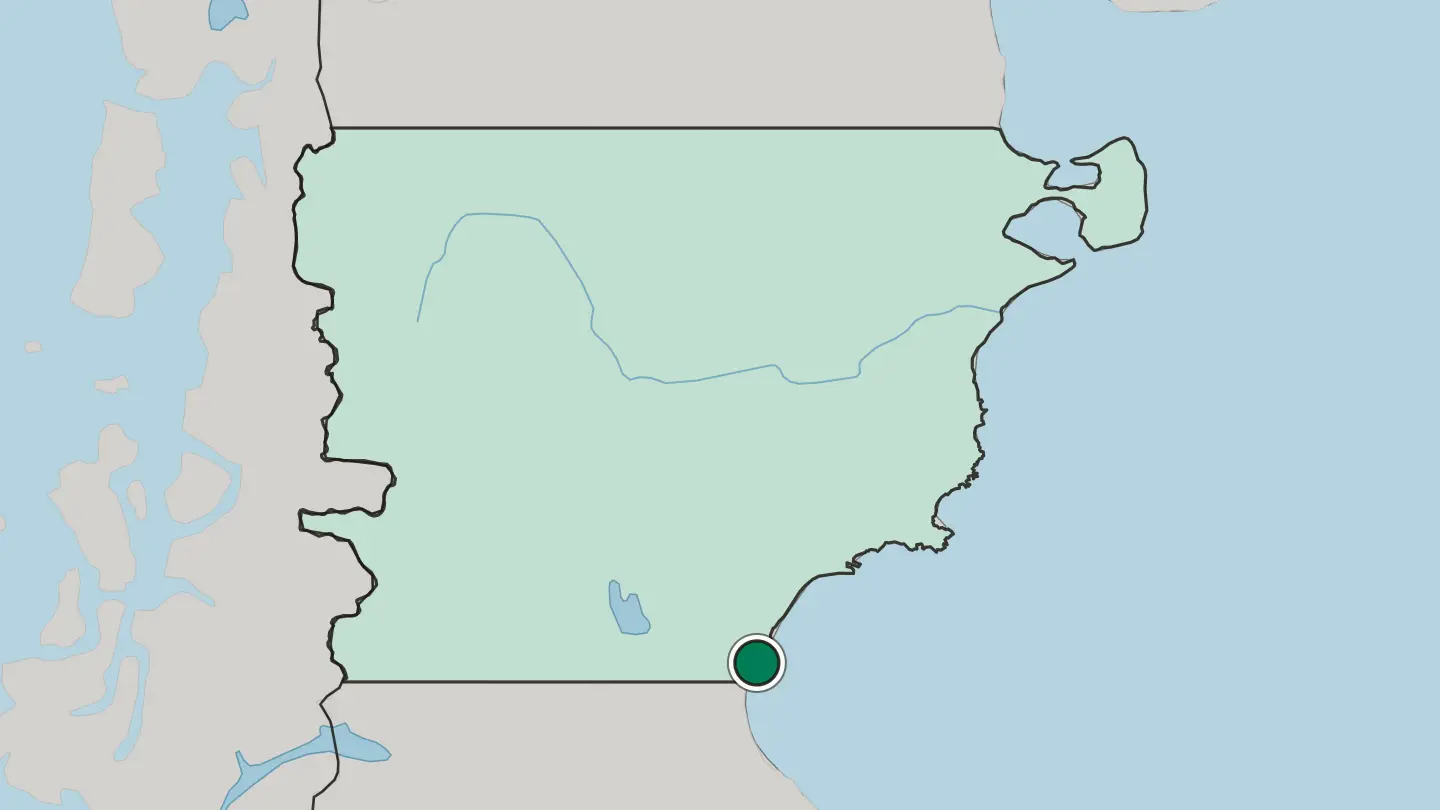 Argentina
Trelew
Trelew stands in the lower valley of the Chubut River in eastern Patagonia, a city founded by settlers from Wales some 20 km inland from the Atlantic.Where to stay →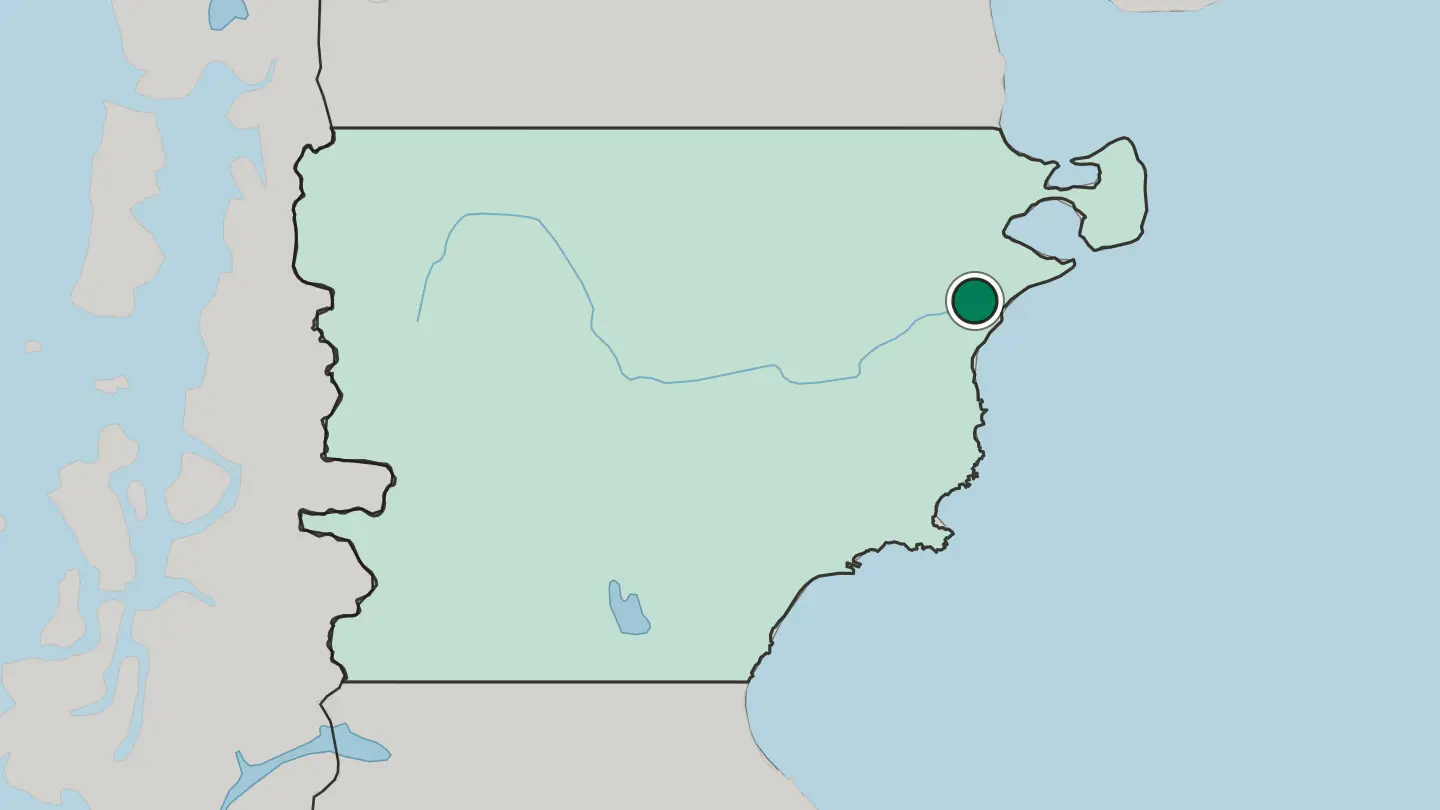
 Argentina
Puerto Madryn
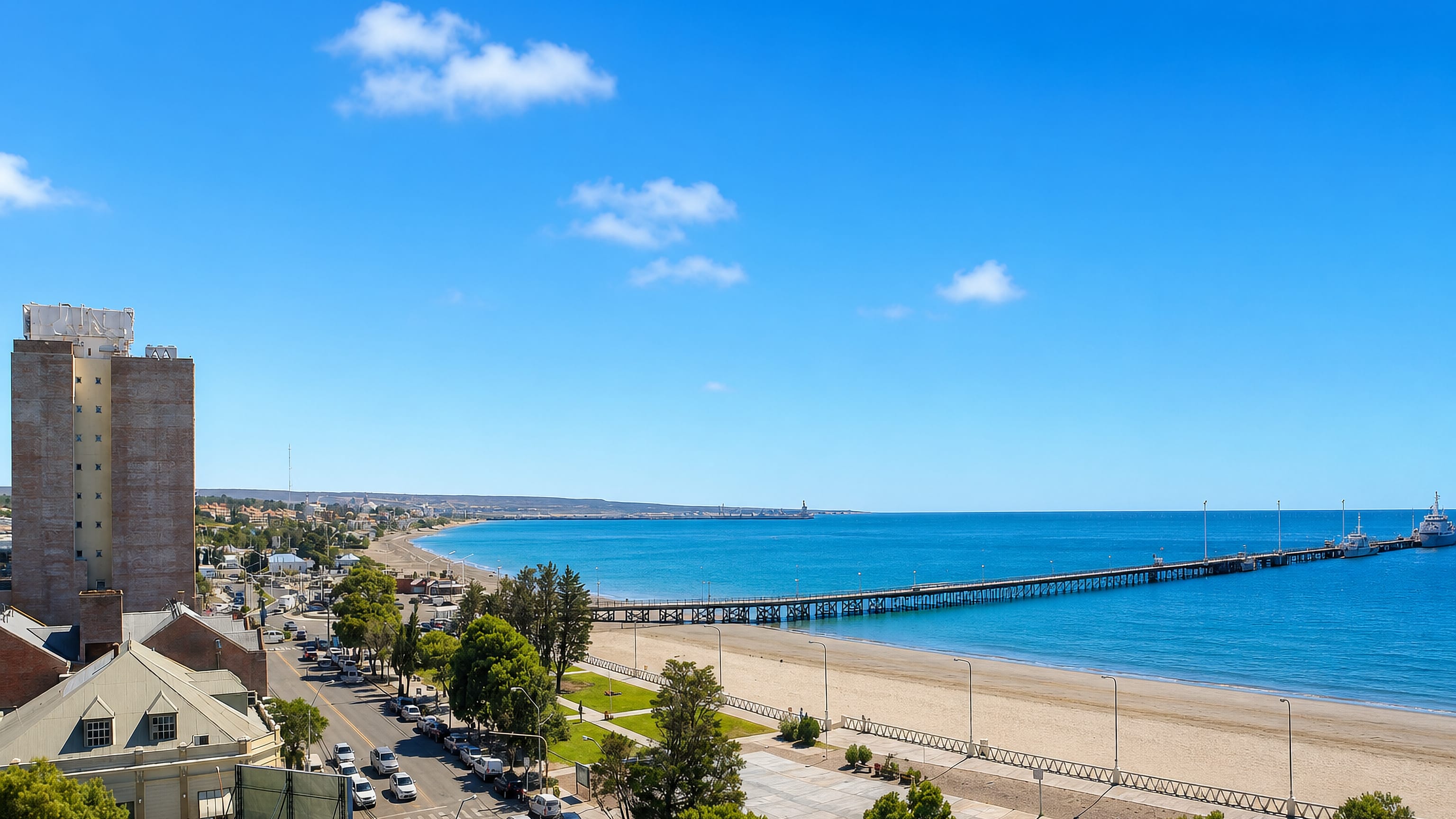
Puerto Madryn is a coastal city of Patagonia in southern Argentina, the whale-watching town beside the great wildlife reserve of Península Valdés.Where to stay →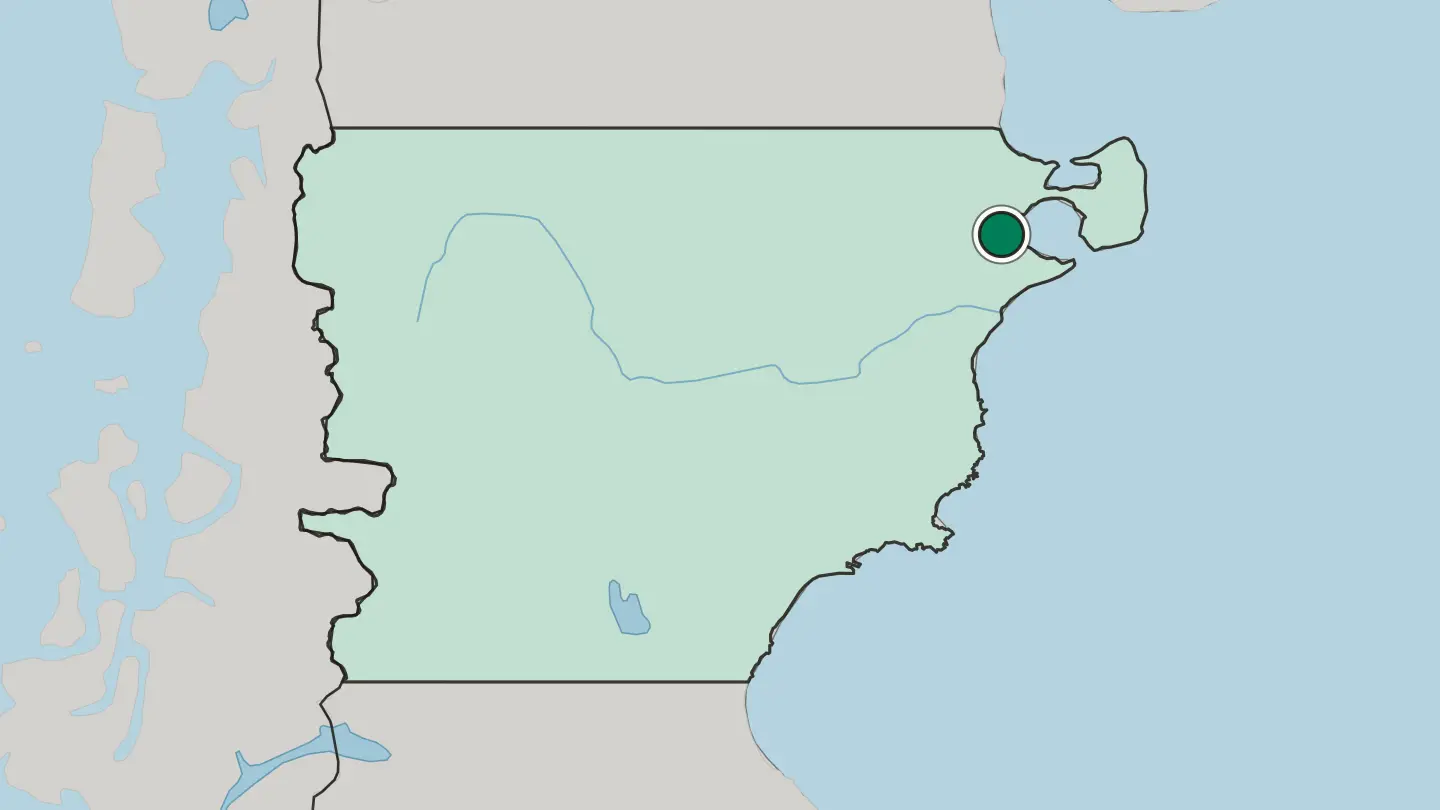
Hotel links are affiliate links: booking through them may earn us a commission, at no extra cost to you. It never affects how places are ranked. How this works
About Chubut Province
Whales define Chubut.
What is Chubut Province known for?
Every winter southern right whales calve in the gulfs on either side of Península Valdés, the province's headline wildlife stage and a place travellers cross the country to reach. Away from that coast, Chubut is known for something stranger: Welsh chapels, tea houses and Eisteddfod festivals in valley towns like Gaiman, left by settlers who landed in 1865. Comodoro Rivadavia anchors the oil-rich south, while Esquel opens the forested Andes to the west.
Where is Chubut Province?
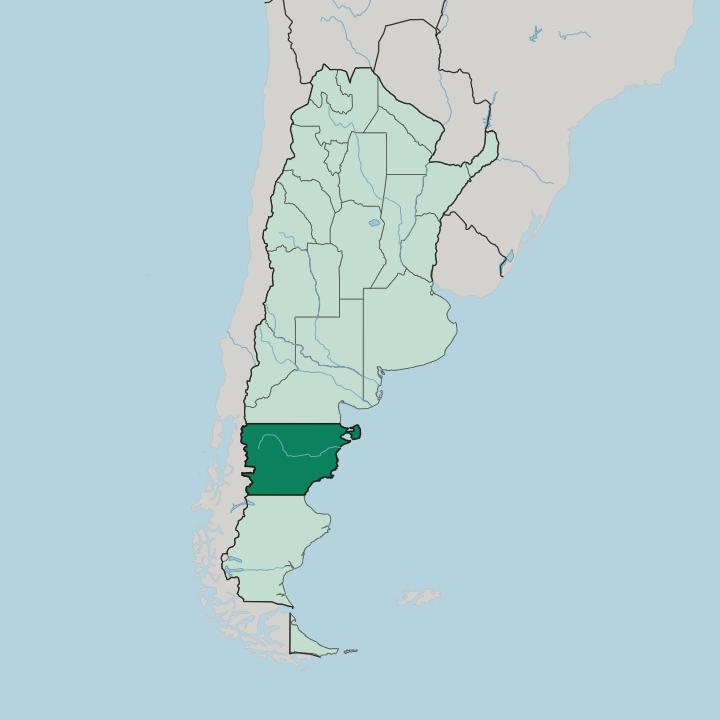
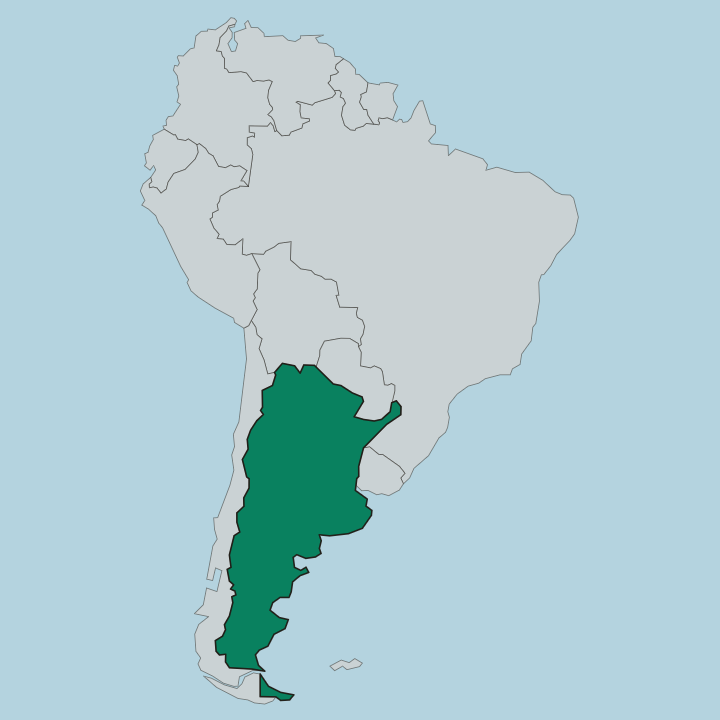
Chubut sits in central Patagonia, in southern Argentina. Its western edge follows the crest of the Andes along the border with Chile, and its eastern edge is the Atlantic Ocean, so the province spans the full width of Patagonia from mountains to sea. Río Negro Province lies to the north and Santa Cruz Province to the south.
Between the two coasts the land falls into three bands. In the west stand the Andes, lower here than further north, with peaks that mostly rise between 1,500 and 2,000 metres and shelter lakes and forest. East of the mountains spreads the great central plateau, a dry, wind-scoured steppe that covers most of the province.
The Atlantic coast forms the third band, indented by gulfs and headlands. Cutting across all of it runs the Chubut River. It rises in the Andes and flows east for some 800 kilometres before emptying into the ocean near Rawson, the capital, at Engaño Bay.
Rawson stands at its mouth. The river gave the province both its lifeline and its name, from the Tehuelche word chupat, meaning transparent. Its irrigated lower valley is where the Welsh towns grew.
Península Valdés juts north-east into the Atlantic, tethered to the mainland by a narrow neck and cradling two sheltered gulfs. From the Andean lakes to the gulfs of Valdés, water sets the shape of Chubut.
What is Chubut Province like?
Two cultures meet across Chubut, and neither is quite what you expect of Argentina. The older belongs to the Tehuelche and Mapuche peoples, who ranged the steppe and the Andean valleys long before any ship arrived, and whose voices are only now being properly heard against the settler story. The other is Welsh.
In 1865 the first colonists stepped ashore and built a Wales in miniature along the Chubut River, and its traces survive with surprising stubbornness. Gaiman keeps chapels, black cake and casas de té where you take Welsh tea in the afternoon. Trevelin, over near the Andes, does the same beneath the mountains.
The Welsh language still turns up in these valley towns, taught in schools and sung by choirs. Each year the Eisteddfod returns. That festival of poetry, music and song is held now in both Welsh and Spanish, a fair emblem of how the two languages have learned to share the same valley.
Spanish is the everyday tongue across the province, as it is across Argentina. Beyond the valleys, Chubut is a place of long distances and small towns, of sheep stations on the plateau and oil camps in the south. It is Patagonian to the bone: spare, windblown and unhurried.
What is the history of Chubut Province?
Chubut's modern history opens in 1865. That July the clipper Mimosa landed a group of Welsh settlers on the bay near what became Rawson, sent to found a colony where their language and chapels could survive far from British rule. They struggled at first on the arid coast, then moved up the Chubut River and dug irrigation canals to farm the valley, founding Trelew and Gaiman as the settlement spread inland.
The territory was governed directly from Buenos Aires for decades before Chubut became a full province of Argentina in the mid-twentieth century.
What is the climate of Chubut Province?
Wind is the constant here. Chubut has a dry Patagonian climate, and near-relentless westerlies drive up evaporation and keep most of the province arid. The west is coldest: up in the Andes the higher ground pulls the annual average down toward the low single figures, and winter brings snow to Esquel and Los Alerces.
The Atlantic coast around Puerto Madryn runs milder, a few degrees warmer through the year and drier than the mountains that catch the rain. Little falls anywhere on the central steppe between them.
How do you get to Chubut Province?
For most visitors, Chubut begins with a flight. Trelew and Puerto Madryn share the gateway airport for the whale coast, a short domestic hop from Buenos Aires, while Comodoro Rivadavia serves the oil south and Esquel the Andean west. On the ground the distances are Patagonian and long.
The paved Ruta 3 runs down the Atlantic side, and Ruta 40 threads the foot of the Andes toward Esquel and Los Alerces, linking the province's far corners across the empty steppe.
Common questions
What is the best area to stay in Chubut Province?
Puerto Madryn: whale and penguin watching on the Chubut coast. Gaiman: Welsh Patagonia and the lower Chubut valley. Esquel: the Andes and Los Alerces National Park. Comodoro Rivadavia: the oil south and onward flights.
Good for
More regions in Argentina
Updated September 2026