Democratic Republic of the Congo
Lualaba, Democratic Republic of the Congo — Towns & Travel Guide
Lualaba is the copper-and-cobalt province of southern Democratic Republic of the Congo, named for the river that becomes the Congo.
Hotel links are affiliate links: booking through them may earn us a commission, at no extra cost to you. It never affects how places are ranked. How this works


Towns & cities in Lualaba
One town here has its own guide — it links to where to stay.
 Democratic Republic of the Congo
Kolwezi
Kolwezi is the capital of Lualaba Province, a railway city west of Likasi with an airport of its own and the Inga-Shaba inverter plant on its edge.Where to stay →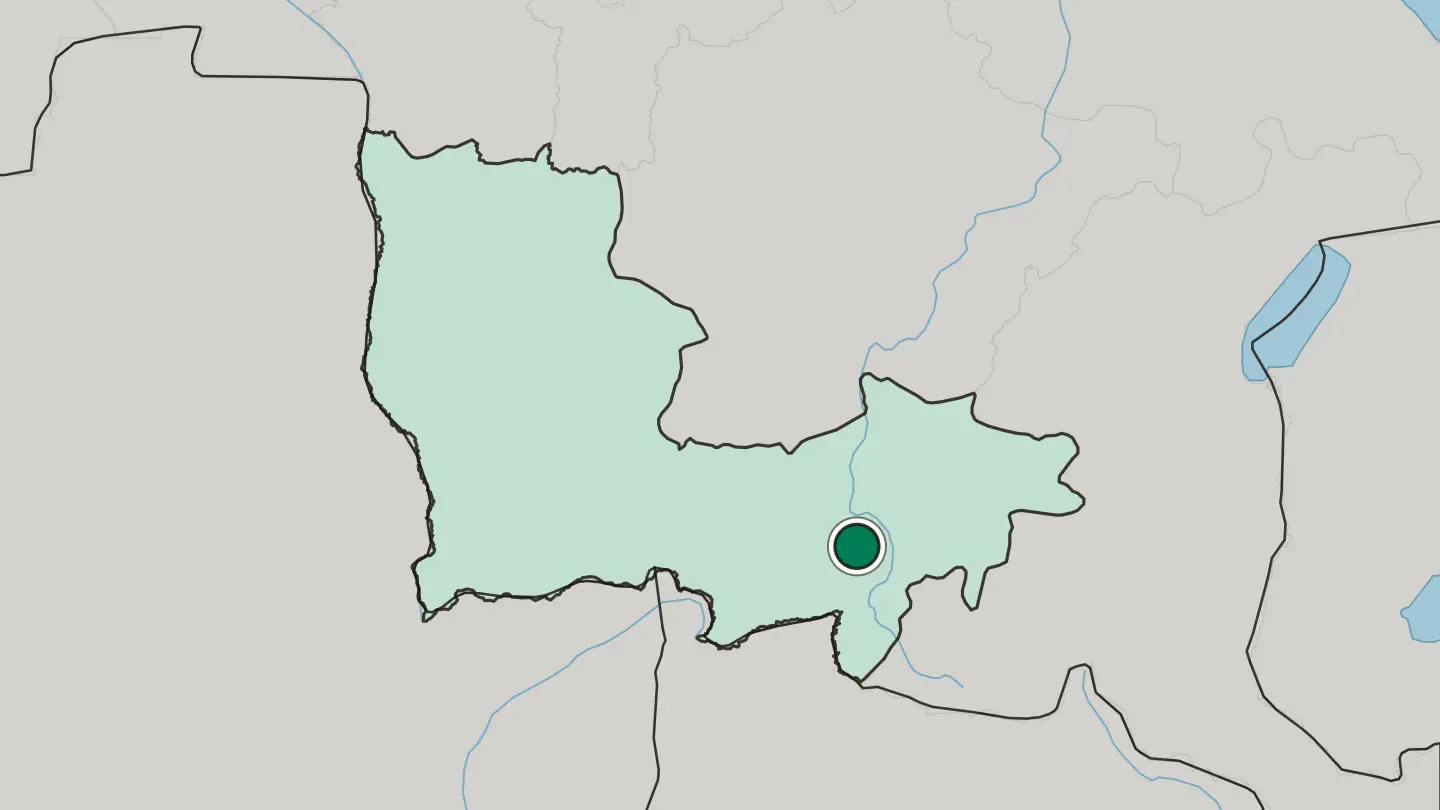
Hotel links are affiliate links: booking through them may earn us a commission, at no extra cost to you. It never affects how places are ranked. How this works
About Lualaba
Copper and cobalt.
What is Lualaba known for?
The open pits around Kolwezi, the provincial capital, sit on some of the richest such ground on the planet, and the Musonoi mine has cut metal from the earth here since the 1940s. Lake Nzilo, a reservoir dammed across the Lualaba River, powers the smelters and pumps that keep those pits working. Most of who comes to Lualaba comes for the mines, not the scenery.
Where is Lualaba?
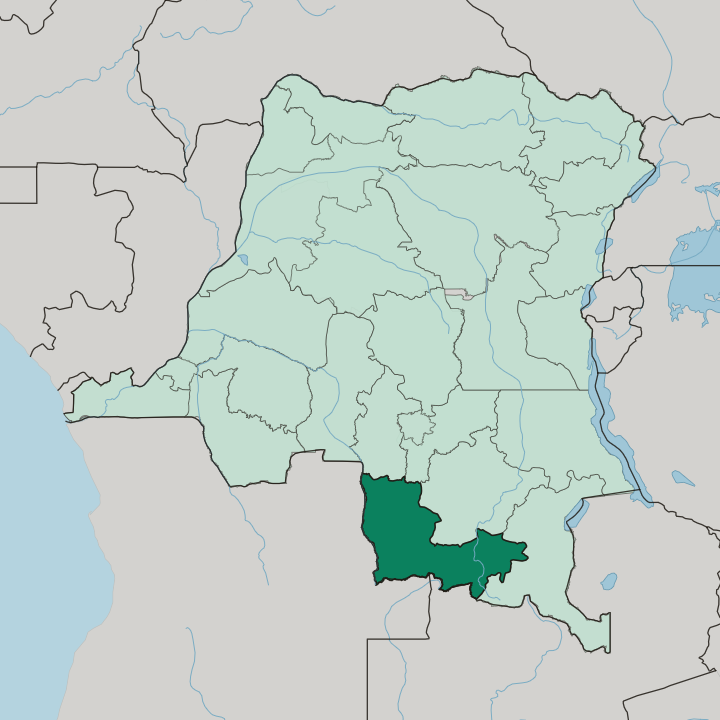
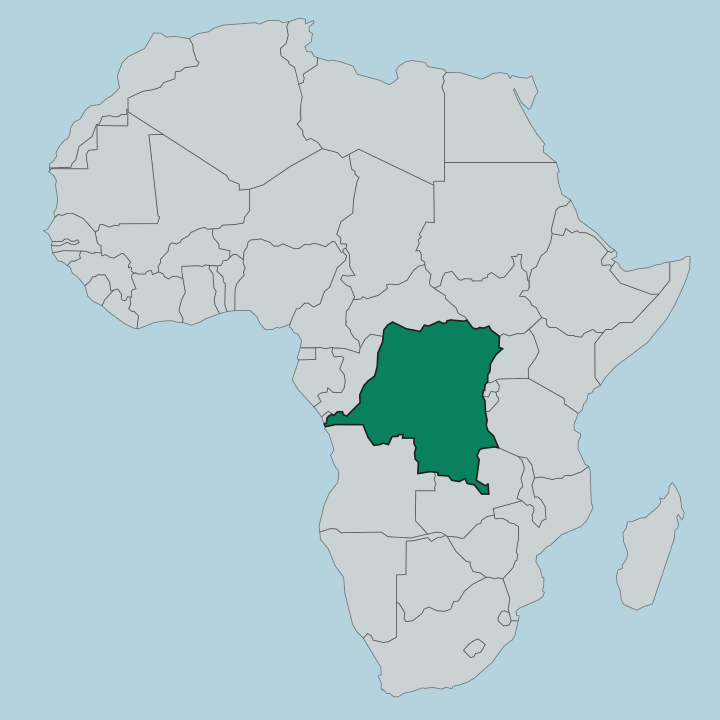
Lualaba fills the south-western corner of the old Katanga country, in the far south of the Democratic Republic of the Congo. It is one of the larger provinces of the country. The land is high savanna, the Katanga plateau, dry grassland broken by wooded ridges and the deep valleys the rivers have cut into it. Angola lies along the southern border, reached through the town of Dilolo.
The Lualaba River gives the province both its name and its shape. Rising on the plateau near the Zambian frontier, it runs north through the province in falls and rapids, dropping off the high ground toward the marshes and lakes downstream, and it is this river that becomes the Congo far to the north. Kolwezi stands on the plain in the province's east, close to where the river has been dammed to make Lake Nzilo.
Five territories fan out around the capital, Mutshatsha and Lubudi to the east, Sandoa, Kapanga and Dilolo stretching west and south toward Angola. Nothing in Lualaba lies close together. Roads are few and hard, and the railway does much of the carrying the roads cannot.
What is Lualaba like?
The people of Lualaba trace their lines to old kingdoms of the savanna. The Lunda and the Chokwe hold the deepest roots here, the Lunda whose court once ruled a wide commonwealth across this plateau and into what is now Angola, the Chokwe who split from that court and are known far beyond the province for their masks and their carving. Kaonde, Luba and other peoples share the land alongside them.
Kiswahili is the tongue of the street and the market across the south, the working language that ties the mining towns together, while French carries the business of the state. Much of daily life bends around the pits. Kolwezi grew as a company town and still moves to the rhythm of the mine, its shifts, its camps, its incomers drawn from across the country to the copper.
That mix of old Lunda country and hard modern mining sets the character of the place. This is a working province.
What is the history of Lualaba?
Lualaba is a young province on old ground. It was drawn up in 2015, when the vast former Katanga Province was broken into four, and its western copper districts became a province in their own right. Kolwezi, the capital, is younger still as a town, laid out in 1938 by the Union Minière du Haut Katanga to run the western mines.
The mines came first and the province followed them.
What is the climate of Lualaba?
Lualaba has a tropical savanna climate, split hard into two seasons. A long wet season soaks the plateau from about November to April, when heavy rain green the grassland and swell the Lualaba River. The dry months that follow are warm by day and cool at dawn, the sky clear and the ground hardening.
Height tempers the heat here, for Kolwezi sits well above sea level on the Katanga plateau. Dust marks the dry season, mud the wet.
How do you get to Lualaba?
Most arrivals come through Kolwezi Airport, a short way south of the capital, on flights up from the mining hub at Lubumbashi and from the wider country. The old Benguela railway also reaches the town, running east to Lubumbashi and south toward Dilolo and the Angola border on its way to the Atlantic. Road travel is slow and hard across the province.
Fly to Kolwezi if you can, and plan the ground journeys carefully once you land.
Common questions
What is the best area to stay in Lualaba?
Kolwezi: the only practical base in the province. Mutshatsha and the western territory: the copper frontier west of the capital. Dilolo and the Angola border: the rail frontier at the southern edge.
Good for
More regions in Democratic Republic of the Congo
Updated September 2026