China
Tianjin Shi, China — Towns & Travel Guide
Tianjin is a port municipality on the Bohai Sea, where the Hai River meets the coast east of Beijing.
Hotel links are affiliate links: booking through them may earn us a commission, at no extra cost to you. It never affects how places are ranked. How this works


Towns & cities in Tianjin Shi
One town here has its own guide — it links to where to stay.

 China
China
Tianjin
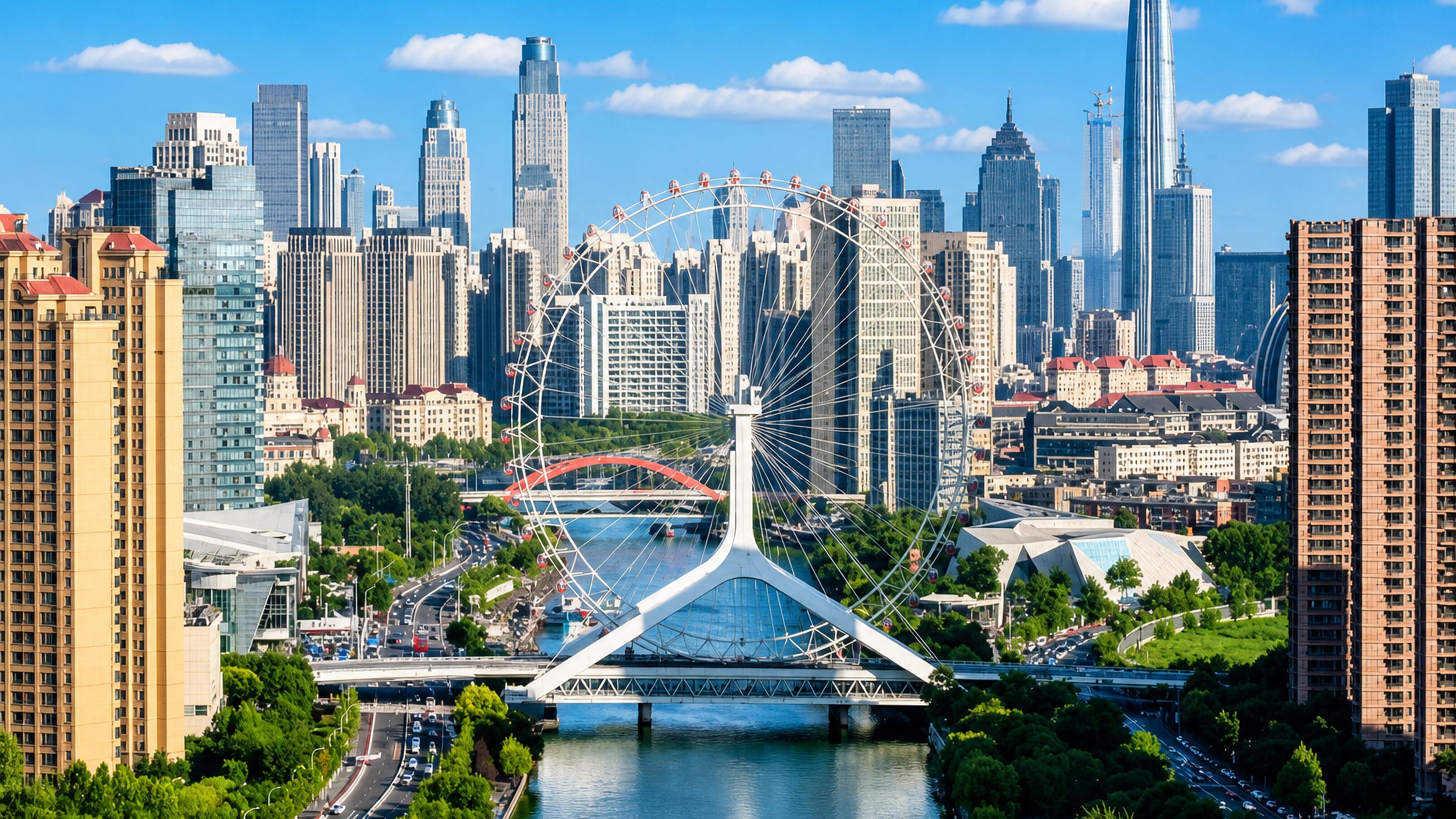
Tianjin fronts the Bohai Sea southeast of Beijing, a direct-administered municipality of northern China known for Guwenhua Jie and the Tianjin Eye.Where to stay →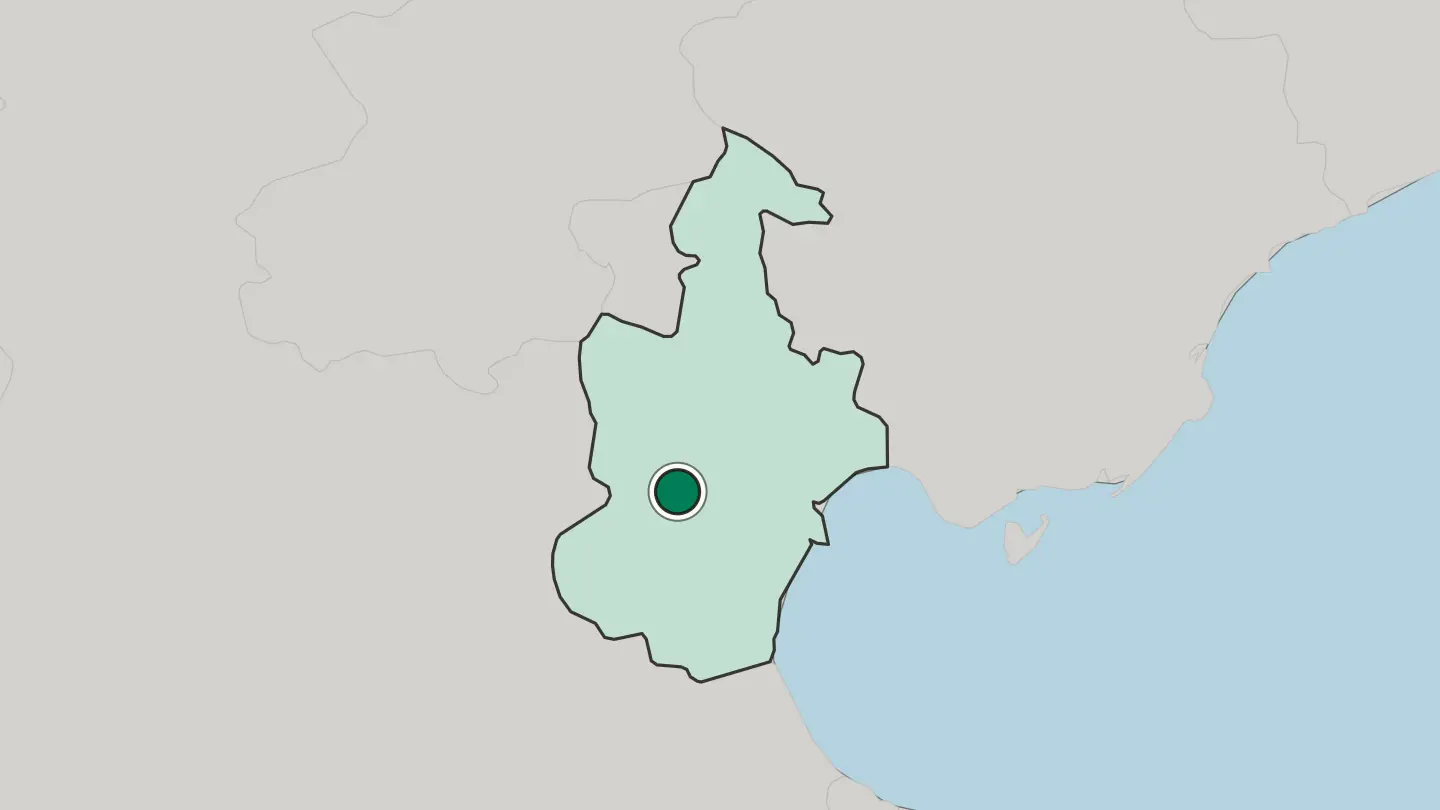
Hotel links are affiliate links: booking through them may earn us a commission, at no extra cost to you. It never affects how places are ranked. How this works
About Tianjin Shi
What is Tianjin Shi known for?
Tianjin is China's northern port, the seaward gateway of the capital Beijing just up the Hai River. Concession-era Europe left its mark. Foreign powers built quarters along the water in the nineteenth century, and their brick and stone streets still stand across the central districts.
The Five Great Avenues hold hundreds of the old mansions. The restored Italian quarter draws weekend crowds to its piazza and cobbled lanes, and out at the coast the Binhai New Area answers with towers, container berths and the wheel called the Tianjin Eye turning above the river.
Where is Tianjin Shi?
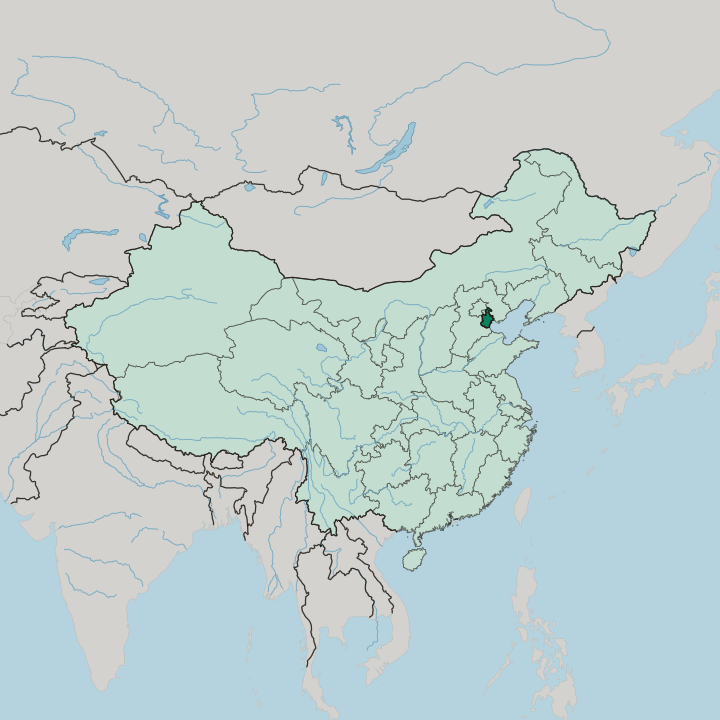
Tianjin spreads across the flat, low delta of the Hai River in the north-east corner of the North China Plain. Tianjin lies nearly flat above the sea. Most of the municipality sits only a few metres above the sea, and near the coast it turns marshy where the river silt has been settling for centuries.
The Hai River runs through the centre of the city and empties east into the Bohai Sea, which forms the whole eastern edge of the territory. That coastline stretches for some 153 kilometres of tidal flat and port. Hebei province wraps around Tianjin on every other side, and Beijing lies a short way inland to the north-west. The Hai River gathers five northern watercourses before it reaches the sea, and the Grand Canal of China joins it in the heart of Tianjin, tying the port to the Yellow and Yangtze basins far to the south.
To the north the ground finally lifts toward low hills, the only relief in an otherwise level land. Everywhere else is plain, river and coast. Tianjin is water country, and the sea and the river have shaped it more than any hill ever could.
What is Tianjin Shi like?
Tianjin carries two cultures at once, the old river port and the foreign concessions grafted onto it. Tianjin's river harbour came before all the rest. Craftwork grew up where the Grand Canal met the Hai River, a place of dockers, salt merchants and folk artisans, and that working past still runs through its arts.
Yangliuqing woodblock New Year prints have been carved and hand-painted in a town on the city's western edge for more than 400 years, and the painted clay figures of the Zhang family are as much a part of the place as the buns and fried dough twists sold on its streets. Comedy is the other signature. Tianjin is a home of xiangsheng, the two-person crosstalk that fills its teahouses, and locals claim the city as the country's capital of quyi storytelling and sung performance.
The concession century layered something else on top. British, French, Italian and other quarters built European streets along the Hai River, and their banks, churches and mansions still line the Five Great Avenues and the restored Italian town. Nankai University, founded in the city and once the school of the premier Zhou Enlai, anchors a strong scholarly tradition.
The result is a place that feels neither purely Chinese port nor European transplant, but plainly and only Tianjin.
What is the history of Tianjin Shi?
Tianjin took its name and its garrison in 1404, when the Ming court fortified the spot where the Grand Canal meets the Hai River and called it the emperor's ford. It guarded the water road to Beijing. Its modern shape came from defeat and treaty, as the wars of the nineteenth century forced the port open and a string of foreign powers carved concessions along the river, each building its own European quarter.
Those quarters made Tianjin one of China's great treaty ports, and their streets survive as the city's most distinctive inheritance.
What is the climate of Tianjin Shi?
Tianjin has a monsoon-driven climate of sharp seasons. Winters are cold and dry. Frigid air off the northern land holds January near freezing, with little snow and hard, clear skies over the Bohai coast.
Summer flips the pattern completely, turning hot and heavy as the monsoon arrives, and July and August drop most of the year's rain in humid, thundery bursts along the Hai River. Spring blows windy and dusty, autumn runs cool and dry, and those two shoulder seasons are the easiest time to walk the concession streets.
How do you get to Tianjin Shi?
Most travellers reach Tianjin from Beijing, and the high-speed train covers the gap between the two cities in about half an hour. The rail link is the usual way in. Tianjin also has its own coastal gateway, Binhai International Airport out toward the port, for those flying straight to the city.
Trains run on from Tianjin to the Binhai New Area and down the Bohai coast, and the same fast line ties the whole port region back to the capital.
Common questions
What is the best area to stay in Tianjin Shi?
The central Hai River districts: concession streets and Tianjin food. Binhai New Area: the port, the coast and early flights.
More regions in China
Updated September 2026