Germany · Bavaria
Where to Stay in Passau, Bavaria
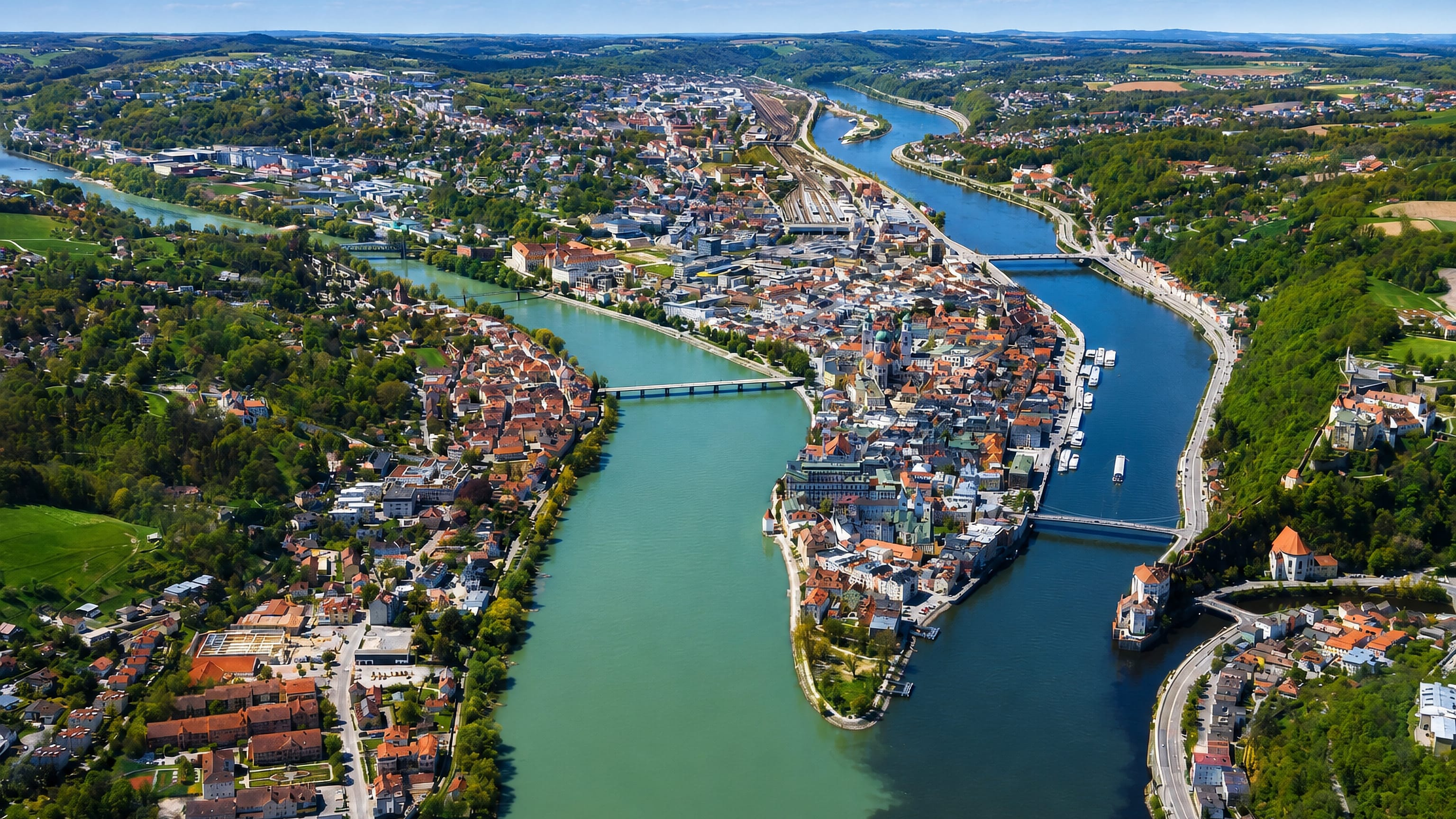
Passau is the Dreiflüssestadt of Lower Bavaria, a cathedral city near the Austrian border where the Inn and the Ilz meet the Danube.
Hotel links are affiliate links: booking through them may earn us a commission, at no extra cost to you. It never affects how places are ranked. How this works


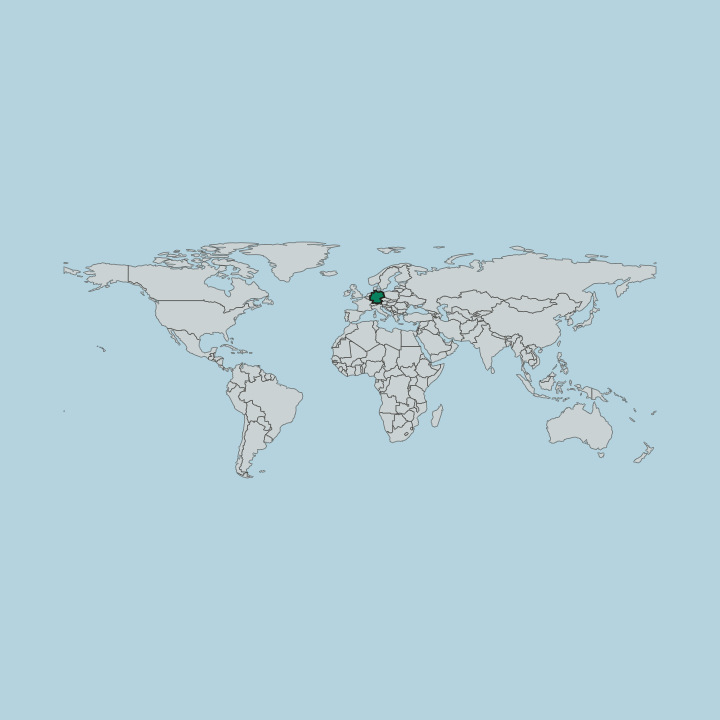
Where to stay in Passau
Where you base yourself shapes the visit — here's the character of each area.

 PassauGermany
Haidenhof
Haidenhof is a district of Passau named after the Schloss Haidenhof and its predecessor, and a commune in its own right between 1855 and 1908.Where to stay →PassauGermanyKellberg
Kellberg is one of the districts of Passau, in Germany, a name on the city's register rather than a destination a trip is planned around.Where to stay →PassauGermanyKohlbruck
Kohlbruck carries a founding year of 1997, a residential district of Passau rather than a destination within the German city.Where to stay → PassauGermany
Innstadt
Castrum Boiodurum and the Museum Castrum Boiotro anchor the Innstadt, one of the quarters of Passau.Where to stay →Hotel links are affiliate links: booking through them may earn us a commission, at no extra cost to you. It never affects how places are ranked. How this works
Find hotels in Passau
Direct booking searches for these neighbourhoods.
The cathedral lanes
The Domschatz- und Diözesanmuseum Passau and the Schaiblingsturm sit in the same set of narrow streets. Lodging is scarce in this area; reserve in advance.Find hotels in The cathedral lanesMornings that begin with the climb rather than the queueThe fortress side
Ground near the Oberhausmuseum and Veste Niederhaus, apart from the cathedral quarterFind hotels in The fortress sideArrivals by car with Burg Hals and the Ilz in mindOut toward Hals
Burg Reschenstein and the Fernmeldeturm Passau-Haidenhof mark the higher ground out that wayFind hotels in Out toward HalsHotel links are affiliate links: booking through them may earn us a commission, at no extra cost to you. It never affects how places are ranked. How this works
Things to do in Passau
Ranked by global recognition; descriptions from Wikidata (CC0).
Museums & Galleries
3- Glass Museum, Passau
- Museum of Modern Art
- Museum Castrum Boiotro
Churches & Religious Sites
8- St. Stephan's Cathedral, Passau Heritage
- Kloster Niedernburg Heritage
- St. Michael's Church Heritage
- St. Paul in Passau Heritage
- Abbey of St. Nikola in Passau Heritage
Show 3 more →
- Sankt Salvator church Heritage
- Votivkirche Heritage
- St. Matthäus Heritage
Castles & Historic Sites
6- Veste Niederhaus Heritage
- Burg Hals Heritage
- Castrum Boiodurum Heritage
- Burg Reschenstein Heritage
- Burgus Passau-Haibach Heritage
Show 1 more →
- Schloss Eggendobl Heritage
Landmarks & Notable Places
3- Schaiblingsturm Heritage
- Ehemaliges Bauernhaus Heritage
- Wohnhaus Heritage
worth knowingacross 4 categories in Passau
About Passau
Three rivers do the work.
What is Passau known for?
The Danube takes in the Inn from the south and the Ilz from the north at Passau, and that meeting is what the city is named for, the Dreiflüssestadt. St. Stephan's Cathedral stands at the centre of the old town. A university, the Glass Museum, the Museum of Modern Art and the Domschatz- und Diözesanmuseum Passau fill in around the historic streets the place is visited for.
What are the main landmarks in Passau?
St. Stephan's Cathedral is the fixed point, and the Domschatz- und Diözesanmuseum Passau belongs with it. Fortification accounts for much of the rest: the Oberhausmuseum, Veste Niederhaus, Burg Hals, Burg Reschenstein and the Schaiblingsturm on the water. Roman ground survives too.
Castrum Boiodurum and the Burgus Passau-Haibach are the older layer, explained at the Museum Castrum Boiotro, while Kloster Niedernburg, the Abbey of St. Nikola in Passau, the Franziskanerkloster Passau and Sankt Salvator church carry the monastic side.
What is the history of Passau?
Rome got here first. Castrum Boiodurum and the Burgus Passau-Haibach mark the frontier works of that period, and the Museum Castrum Boiotro exists to explain what the excavations turned up beneath a city that never stopped being built on. The rivers made the site worth holding.
Anything moving on the Danube had to pass the point where the Inn and the Ilz come in. Bishops shaped the centuries that followed. St. Stephan's Cathedral and the Domschatz- und Diözesanmuseum Passau record the wealth of that arrangement, while Kloster Niedernburg, the Abbey of St. Nikola in Passau and the Franziskanerkloster Passau show how much of the ground the church held outright.
Parish churches multiplied alongside them. The Spitalkirche, Sankt Salvator church, St. Michael's Church, St. Paul in Passau and St. Peter all date from that long ecclesiastical stretch, and the Votivkirche came out of a later devotional impulse. Defence was the other constant.
The Oberhausmuseum occupies fortress buildings, Veste Niederhaus stands below them, and Burg Hals and Burg Reschenstein guarded approaches further out, with the Schaiblingsturm left over from the works that once protected the river frontage. Later centuries added quieter things. Schloss Eggendobl and the Fernmeldeturm Passau-Haidenhof belong to a city that had stopped worrying about sieges and started teaching students instead, and St. Anton and St. Matthäus belong to its later parishes.
Where is Passau?
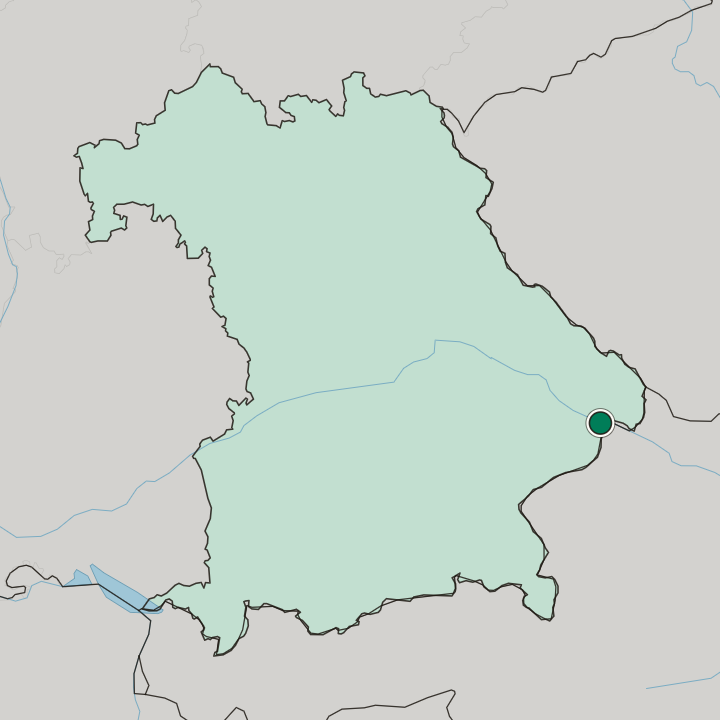
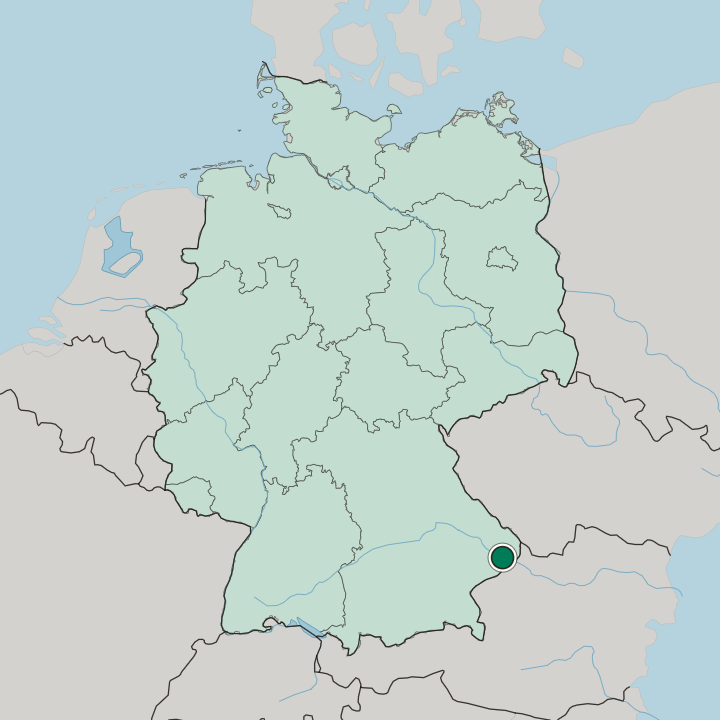
Passau sits at a confluence. The Danube runs through Lower Bavaria to this point, where the Inn arrives from the south and the Ilz from the north, and the three of them together give the city its name of Dreiflüssestadt. Austria begins just beyond.
Hills rise on either side of the water, and the built-up area works around them rather than across them.
What is the climate of Passau?
The valleys do the sorting here. Passau lies in the temperate band, so the year separates into four distinct seasons rather than a wet half and a dry one, and three river valleys meeting in one place keep the low ground damp when the air cools. Snow belongs to the hills above.
How do you get to Passau?
Trains stop here before Austria. Passau holds the last German station on the line, which makes it a natural break for anyone crossing between the two countries, and the roads follow the same logic down the Danube. The border is minutes away.
Inside the city, the old town is walked rather than driven.
Common questions
What is the best area to stay in Passau?
The cathedral lanes: Guests keeping St. Stephan's Cathedral and the Glass Museum within one walk. The fortress side: Mornings that begin with the climb rather than the queue. Out toward Hals: Arrivals by car with Burg Hals and the Ilz in mind.
Good for
More cities in Bavaria
Updated October 2026