Spain · Andalusia
Where to Stay in Estepona, Andalusia
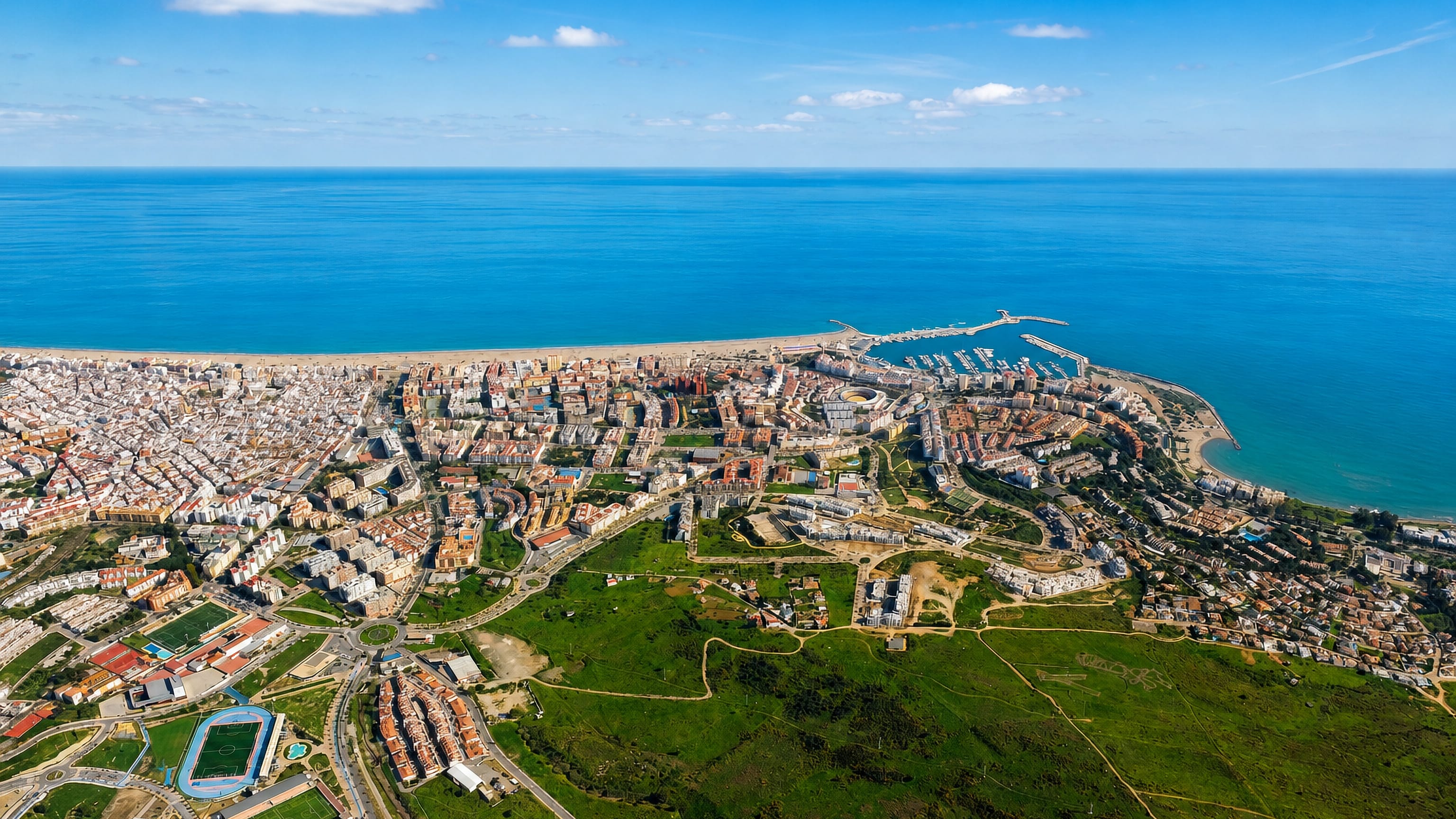
Estepona is a seaside town on the Costa del Sol, in the province of Málaga, with Sierra Bermeja rising behind it.
Hotel links are affiliate links: booking through them may earn us a commission, at no extra cost to you. It never affects how places are ranked. How this works


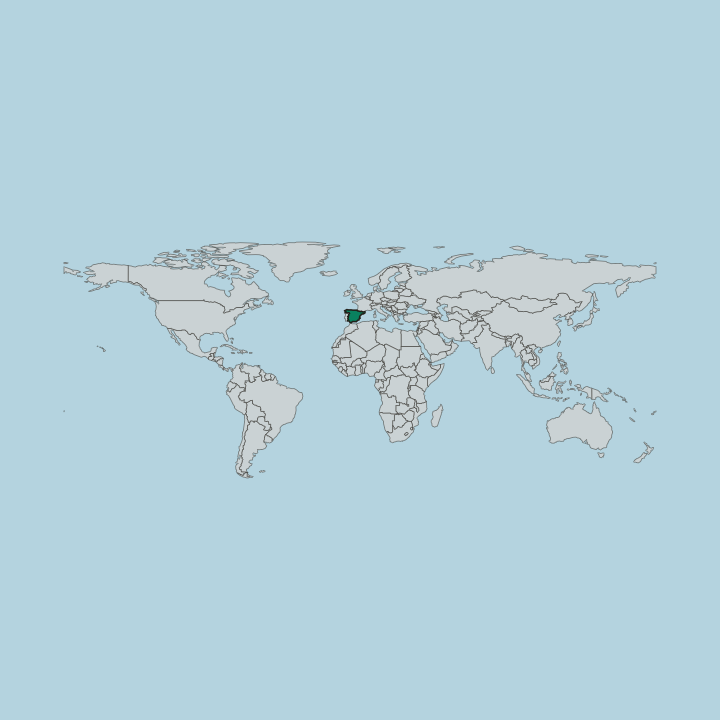
Where to stay in Estepona
How the choice of base plays out on the ground.
Two axes run through Estepona. One is the shoreline of the Costa del Sol, the other the climb inland towards Sierra Bermeja, and a bed on either of them produces a noticeably different week, sea air and short walks against quiet ground and a car. The old streets sit near the water.
Castillo de San Luis, Iglesia de los Remedios and the Museo Municipal de Estepona are all within that compact quarter, which makes it the base for anyone who wants the town itself rather than a view of it. The Parroquia Nuestra Señora de los Remedios stands among them. Inland, the arithmetic is different.
The municipality reaches well inland across valley and mountainside, so a room out among the streams below Sierra Bermeja means driving in for the Museo Arqueológico de Estepona and driving back out again after dinner. Los Reales tops the range. Beds thin out at that end, and the Museo Etnográfico Municipal de Estepona, the Seghers Club and Cementerio de la Lobilla are addresses to pass on the way rather than stay beside.
Málaga province supplies the wider bed pool along the same stretch of the Costa del Sol.
Find hotels in Estepona
Direct booking searches for these neighbourhoods.
Around Castillo de San Luis
Castillo de San Luis, Iglesia de los Remedios and the Museo Municipal de Estepona are packed into a few blocks near the water, which is as short as the walking gets here.Find hotels in Around Castillo de San LuisSea-facing rooms on the Costa del Sol edge of EsteponaThe Costa del Sol shoreline
The shoreline strip keeps open water on one side and the Museo Arqueológico de Estepona within a short walk on the other.Find hotels in The Costa del Sol shorelineQuiet nights under Sierra Bermeja and Los RealesThe valley below Sierra Bermeja
Rooms among the small streams of the valley put Sierra Bermeja and the peak of Los Reales in front of the window, and the town at the end of a drive. Lodging is scarce in this area; reserve in advance.Find hotels in The valley below Sierra BermejaHotel links are affiliate links: booking through them may earn us a commission, at no extra cost to you. It never affects how places are ranked. How this works
Things to do in Estepona
Ranked by global recognition; descriptions from Wikidata (CC0).
Museums & Galleries
2- Museo Municipal de Estepona
- Museo Arqueológico de Estepona
Churches & Religious Sites
2- Iglesia de los Remedios
- Parroquia Nuestra Señora de los Remedios
Castles & Historic Sites
2- Castillo de San Luis Heritage
- Cementerio de la Lobilla Heritage
Stadiums & Sports
1- Seghers Club
worth knowingacross 4 categories in Estepona
About Estepona
Museums outnumber the castles here.
What is Estepona known for?
The Museo Municipal de Estepona, the Museo Arqueológico de Estepona and the Museo Etnográfico Municipal de Estepona split the town's collections three ways, while Castillo de San Luis carries the only fortified name on the list. Excavation is part of the record: prehistoric remains have come out of the ground here, and Roman, Phoenician and Moorish traces sit alongside them. The Costa del Sol supplies the rest.
Iglesia de los Remedios and the Parroquia Nuestra Señora de los Remedios hold the church side.
What are the main landmarks in Estepona?
Three museums carry the town's history. The Museo Municipal de Estepona, the Museo Arqueológico de Estepona and the Museo Etnográfico Municipal de Estepona divide civic, archaeological and ethnographic material between them, and each one keeps a separate address in the town. Castillo de San Luis is the fortified name.
Iglesia de los Remedios and the Parroquia Nuestra Señora de los Remedios repeat the same dedication twice over, and Cementerio de la Lobilla and the Seghers Club close the register.
What is the history of Estepona?
Prehistory turns up in the ground here. Excavated remains put people on this stretch of the Costa del Sol well before any of the town's surviving buildings, and the Museo Arqueológico de Estepona is the address that record now belongs to. Romans, Phoenicians and Moors all left marks on the town.
No founding year is recorded for Estepona, so the sequence has to be read from what the museums hold and from the names that survive on the map rather than from a charter. Layers rather than a founding date. Castillo de San Luis is the clearest survivor.
The fort gives the town a defensive name to set against its churches, and Iglesia de los Remedios and the Parroquia Nuestra Señora de los Remedios show how far the same dedication was carried through the later town. Three museums answer for the rest. Cementerio de la Lobilla and the Seghers Club are the two remaining entries on the municipal register.
The Museo Municipal de Estepona and the Museo Etnográfico Municipal de Estepona carry the record past the archaeology, which leaves the town keeping its own record rather than borrowing one from Málaga.
Where is Estepona?
Sierra Bermeja sets the backdrop. Estepona's district runs over 137 square kilometres, from a fertile valley crossed by small streams up into mountainous ground dominated by Sierra Bermeja, whose highest point is the peak of Los Reales. The Costa del Sol takes the seaward edge.
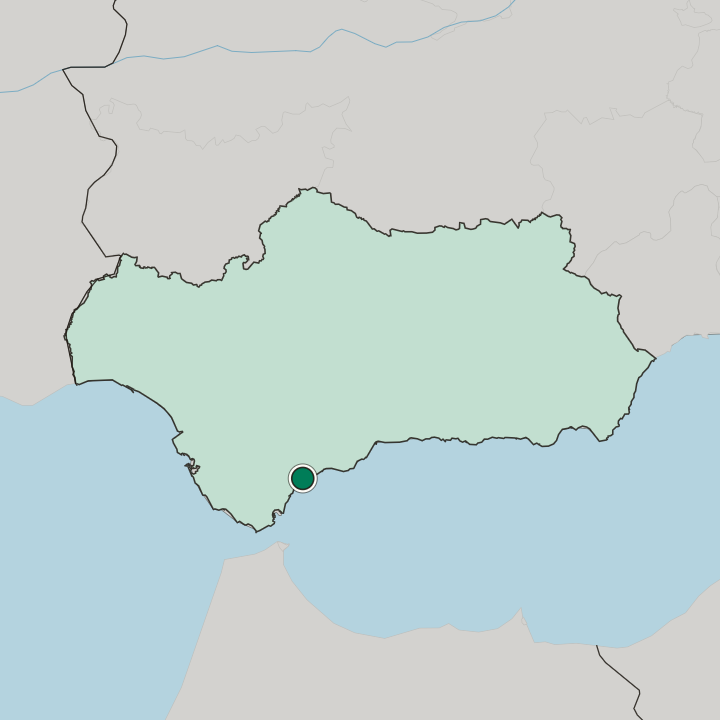
Málaga province holds the whole of it, with Andalusia the wider frame.
What is the climate of Estepona?
Sierra Bermeja does the sheltering. Mountain ground rises behind the valley and open water lies in front of it, and that pairing keeps the temperate band recorded for this stretch of the Costa del Sol from swinging far in either direction across the year. Height changes it quickly.
Los Reales sits high above the shore, so a day on the peak and a day at Castillo de San Luis are not the same day.
How do you get to Estepona?
Arrivals come along the coast. Estepona sits on the Costa del Sol between the sea and Sierra Bermeja, so the approach is a coastal one and the mountain side of the municipality is reached by turning inland off it. The province of Málaga contains it.
Distances inside the district are real: 137 square kilometres of valley and mountainside separate the shoreline from the ground below Los Reales, and a car is the practical way to cover that.
Common questions
What is the best area to stay in Estepona?
Around Castillo de San Luis: Old-town walking to Castillo de San Luis and Iglesia de los Remedios. The Costa del Sol shoreline: Sea-facing rooms on the Costa del Sol edge of Estepona. The valley below Sierra Bermeja: Quiet nights under Sierra Bermeja and Los Reales.
Good for
More cities in Andalusia
Updated October 2026