Spain · Andalusia
Where to Stay in Torremolinos, Andalusia
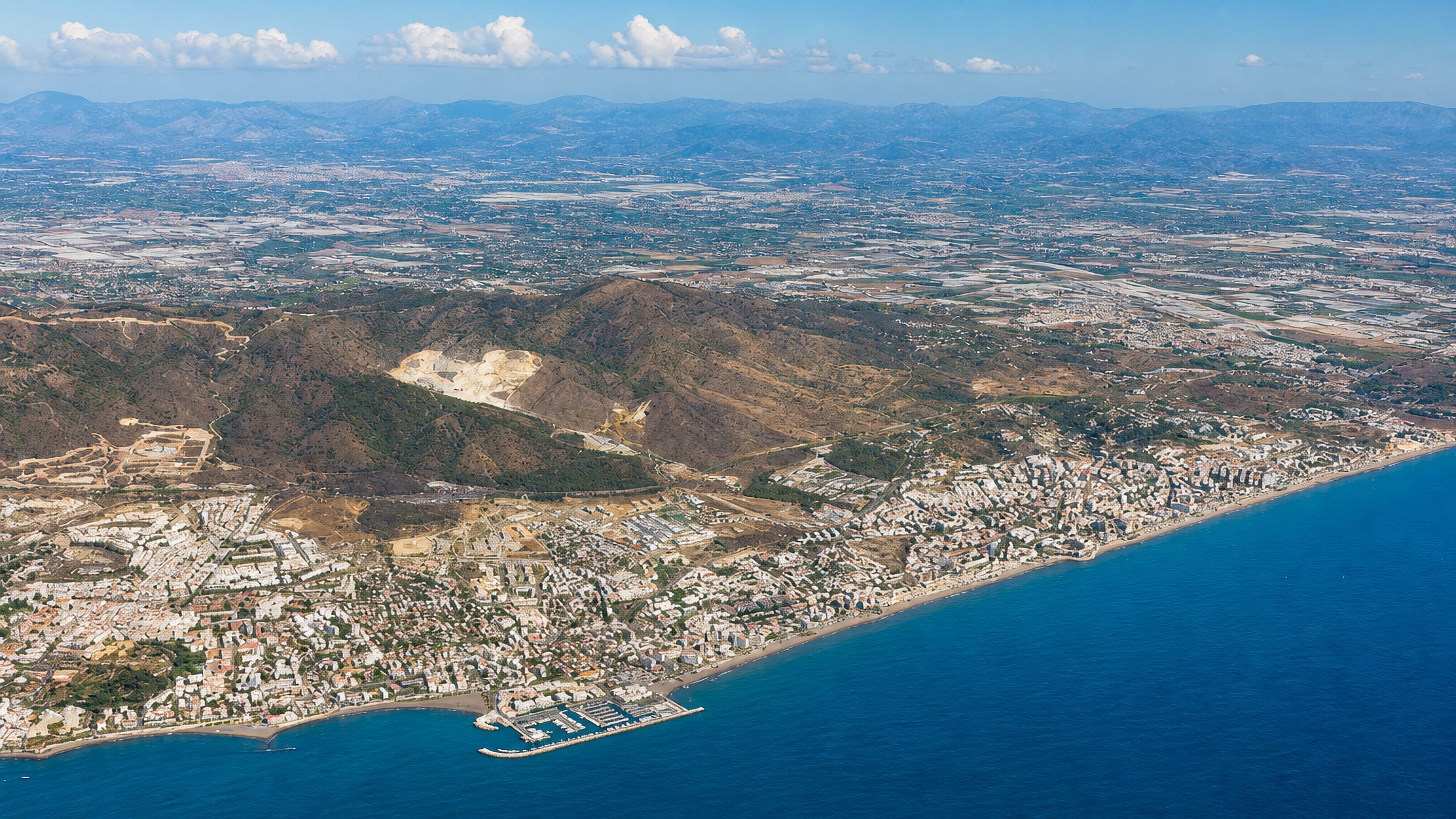
Torremolinos, the first Costa del Sol resort to be built up, holds a sand frontage between Málaga Bay and the Mijas Mountains.
Hotel links are affiliate links: booking through them may earn us a commission, at no extra cost to you. It never affects how places are ranked. How this works


Where to stay in Torremolinos
The practical side of choosing where to sleep.
Conjunto Playamar is the shorthand. Those towers stand on the sand itself, and a room in them or beside them trades character for the shortest possible walk to the water, which is what most first bookings here are actually after. Bajondillo is the other beach name.
Bajondillo cave sits on that same side of town. The frontage runs flat and wide. Inland the ground climbs toward the Mijas Mountains, and the streets around the Iglesia de San Miguel Arcángel and the Iglesia de Santa María del Mar keep more of the pre-resort town than the seafront does.
Noise drops back there. Church of Cristo Resucitado marks the same quarter. Both of the older parishes sit within a few minutes of one another, which makes that centre walkable in a way the beach strip is not.
The Polideportivo Arroyo de la Miel and Sea Life Benalmádena pull traffic toward the Benalmádena side, and beds out that way suit guests with a car who want Crocodile Park and the sports halls within a short drive rather than a walk. Rapto de Europa and Mujeres corriendo por la playa stand on the public routes between the two ends. Pick the end that matches the trip.
Find hotels in Torremolinos
Direct booking searches for these neighbourhoods.
Conjunto Playamar on the sand
The Conjunto Playamar towers stand on the beach frontage itself, with Bajondillo cave on the same side of town.Find hotels in Conjunto Playamar on the sandGuests after the pre-resort streets and less noiseThe older parishes uphill
The Iglesia de San Miguel Arcángel, the Iglesia de Santa María del Mar and the Church of Cristo Resucitado stand within a few minutes of each other above the sand.Find hotels in The older parishes uphillCar trips built around the parks and the sports hallsThe Arroyo de la Miel side
The Polideportivo Arroyo de la Miel, Sea Life Benalmádena and Crocodile Park draw traffic to this end of the municipality.Find hotels in The Arroyo de la Miel sideHotel links are affiliate links: booking through them may earn us a commission, at no extra cost to you. It never affects how places are ranked. How this works
Things to do in Torremolinos
Ranked by global recognition; descriptions from Wikidata (CC0).
Churches & Religious Sites
3- Iglesia de Santa María del Mar
- Church of Cristo Resucitado, Torremolinos
- Iglesia de San Miguel Arcángel
Castles & Historic Sites
3- Colegio de Huérfanos de Ferroviarios Heritage
- Bajondillo cave
- Rapto de Europa, Torremolinos
Landmarks & Notable Places
1- Conjunto Playamar
worth knowingacross 3 categories in Torremolinos
About Torremolinos
The beach made this town.
What is Torremolinos known for?
Torremolinos was the first Costa del Sol resort to be developed, and the tower blocks of Conjunto Playamar are the built record of that decision, raised where a fishing village had stood before the late 1950s. Domestic visitors come, along with Northern Europeans, families and LGBT travellers. Bajondillo cave, Crocodile Park and Sea Life Benalmádena take much of the rest of the attention, while the Colegio de Huérfanos de Ferroviarios carries a name from an older institution.
What are the main landmarks in Torremolinos?
Bajondillo cave is the oldest thing here. Three churches carry the parish names, the Iglesia de San Miguel Arcángel, the Iglesia de Santa María del Mar and the Church of Cristo Resucitado, while the Colegio de Huérfanos de Ferroviarios is the surviving institutional block. Conjunto Playamar answers them from the beach.
Sea Life Benalmádena, Crocodile Park and the Polideportivo Arroyo de la Miel handle visitors on the inland side, and Rapto de Europa and Mujeres corriendo por la playa are the sculpture the town put in public view.
What is the history of Torremolinos?
A fishing village came first. Torremolinos worked the shore at the foot of the Mijas Mountains with no particular claim on anyone's attention, and Bajondillo cave shows the ground was in use a great deal earlier than that. The Colegio de Huérfanos de Ferroviarios belongs to the years before the resort, an institutional block set among low houses.
Churches mark the same period. Iglesia de San Miguel Arcángel and the Iglesia de Santa María del Mar served the village, and the Church of Cristo Resucitado is the third parish name on the list. Tourism arrived in the late 1950s.
Torremolinos was the first of the Costa del Sol resorts to be developed, so what went up here on the sand went up before the rest of the coast had settled on a pattern of its own. Conjunto Playamar is what that looked like in concrete. Rapto de Europa and Mujeres corriendo por la playa stand in public space, and Sea Life Benalmádena, Crocodile Park and the Polideportivo Arroyo de la Miel belong to the visitor economy that followed. Málaga stayed close throughout.
The city lies 12 km off, and the bay it names has kept this stretch of shore inside its orbit through the fishing years and the resort years alike, with the Mijas Mountains closing the view inland.
Where is Torremolinos?
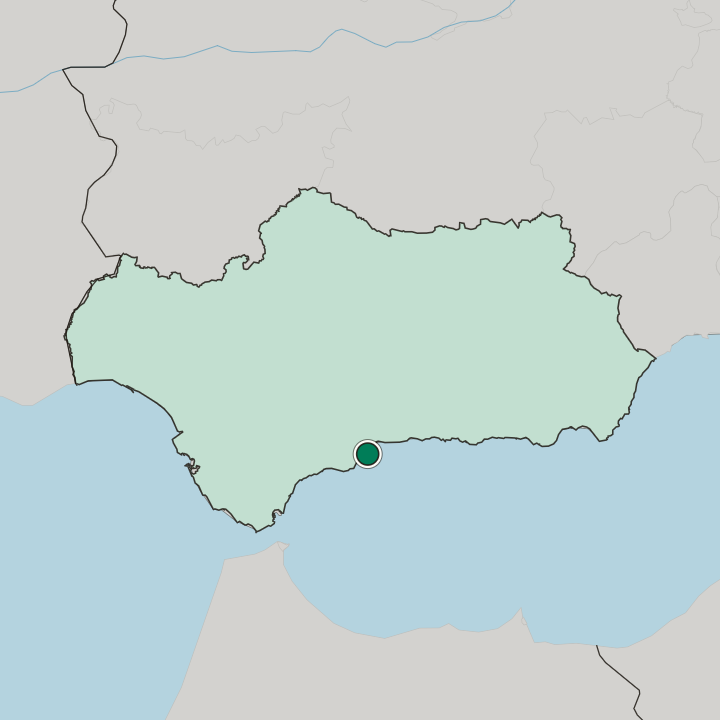
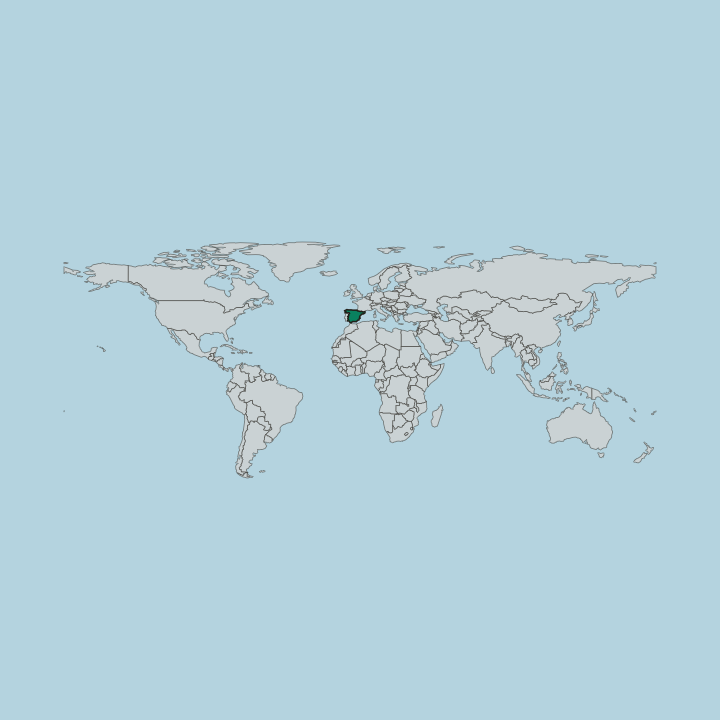
The Mijas Mountains close the back of it. Torremolinos occupies a narrow shelf between those hills and Málaga Bay, roughly 12 km from Málaga, on a municipal area small enough that the beach at Bajondillo cave and the inland edge near the Polideportivo Arroyo de la Miel fall inside the same short span. The Costa del Sol runs either side.
Ground falls steadily from the mountain side down to the sand, which is why so much of the built town faces one way.
What is the climate of Torremolinos?
The Mijas Mountains take the edge off. They stand between Torremolinos and the interior, so the air settling over the beach at Bajondillo cave arrives off Málaga Bay far more often than it comes down from the hills behind. Both ends of the year stay temperate.
That combination is what the Costa del Sol resorts were built on.
How do you get to Torremolinos?
Málaga is 12 km off. That short run along the Costa del Sol is how most arrivals reach Torremolinos, whether the trip begins at the bay or somewhere further along the shore. Inside the municipality the distances stay small, with the Conjunto Playamar frontage, the Iglesia de San Miguel Arcángel and the Polideportivo Arroyo de la Miel all inside roughly 20 km² of ground.
Most of that ground goes on foot.
Common questions
What is the best area to stay in Torremolinos?
Conjunto Playamar on the sand: Stays that want the shortest walk to the water. The older parishes uphill: Guests after the pre-resort streets and less noise. The Arroyo de la Miel side: Car trips built around the parks and the sports halls.
Good for
More cities in Andalusia
Updated October 2026