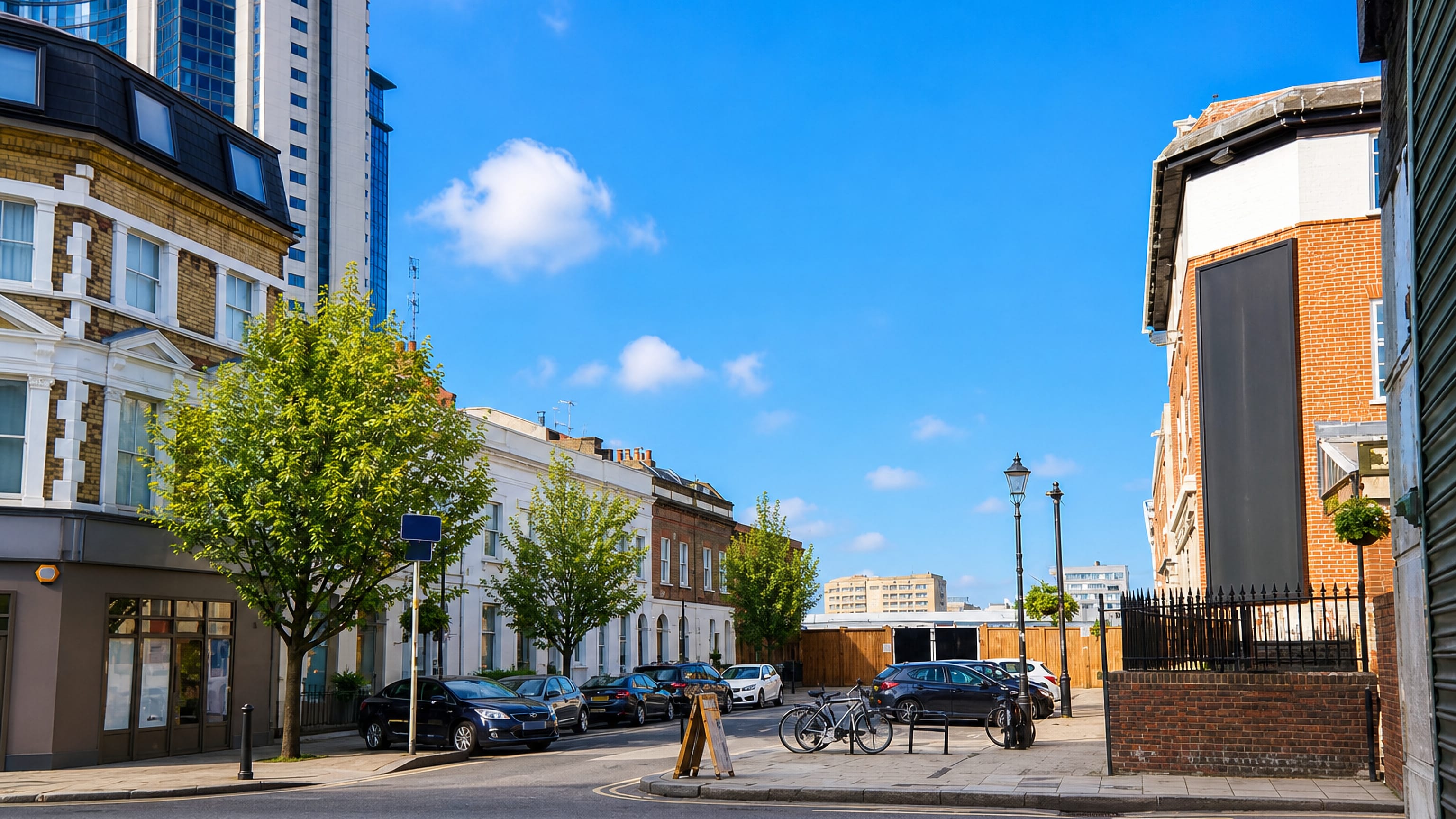
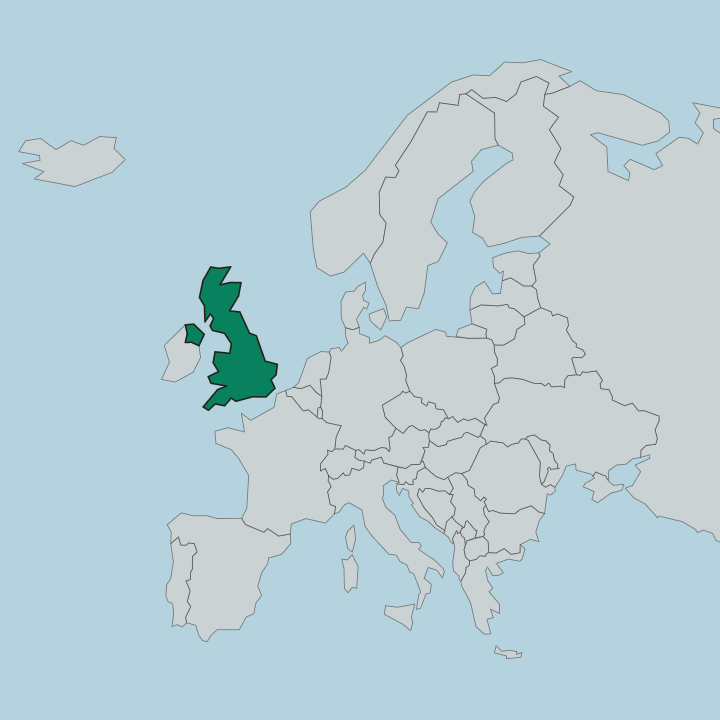
United Kingdom · England
Where to Stay in Fulham, England
Fulham is a West London area in a loop on the north bank of the River Thames, with Fulham Palace as its landmark.
Hotel links are affiliate links: booking through them may earn us a commission, at no extra cost to you. It never affects how places are ranked. How this works


Where to stay in Fulham
Not every neighbourhood fits every trip — here's what each one is good for.

 FulhamUnited Kingdom
Sands End
Sands End is the southernmost part of Fulham, held in a deep loop of the River Thames between Chelsea Creek and Wandsworth Bridge.Where to stay → FulhamUnited Kingdom
Latchmere
Latchmere Recreation Ground is a public open space in Battersea, a green with a children's playground bounded by Burns Road and Reform Street.Where to stay →Hotel links are affiliate links: booking through them may earn us a commission, at no extra cost to you. It never affects how places are ranked. How this works
Find hotels in Fulham
Direct booking searches for these neighbourhoods.
Fulham Palace and the riverside
Fulham Palace and All Saints' Church, Fulham stand together on the north bankFind hotels in Fulham Palace and the riversideGround shared between Fulham and Kensington and ChelseaWest Brompton
West Brompton straddles the boundary, with Holy Trinity Brompton on the Kensington sideFind hotels in West BromptonMuseum days at the Victoria and Albert Museum and the Science MuseumKensington
Kensington Palace, Leighton House and the Albert Memorial all stand on this side of the boundaryFind hotels in KensingtonEvenings between Chelsea Old Church and the National Army MuseumChelsea
St Luke's Church, Chelsea and the National Army Museum anchor the Chelsea end of the walkFind hotels in ChelseaRooms across the water from Fulham PalacePutney and Wandsworth
Putney and Wandsworth face Fulham over the Thames, with the London Wetland Centre in Barnes beyond themFind hotels in Putney and WandsworthHotel links are affiliate links: booking through them may earn us a commission, at no extra cost to you. It never affects how places are ranked. How this works
Things to do in Fulham
Ranked by global recognition; descriptions from Wikidata (CC0).
Museums & Galleries
1- Science Museum
Churches & Religious Sites
4- St Mary's Church, Battersea Heritage
- All Saints' Church, Fulham Heritage
- Church of St Philip, Park Town Estate Heritage
- The Ascension, Lavender Hill Heritage
Landmarks & Notable Places
1- Old Battersea House Heritage
worth knowingacross 3 categories in Fulham
About Fulham
Football and a palace.
What is Fulham known for?
Three Premiership football teams play inside the boundaries of the London Borough of Hammersmith and Fulham, and Fulham Palace remains the area's own landmark beside the Thames. All Saints' Church, Fulham stands near it. Bolan's Rock Shrine draws a different crowd altogether.
What are the main landmarks in Fulham?
Fulham Palace tops the local list. All Saints' Church, Fulham stands with it and Bolan's Rock Shrine is the area's own oddity, while the heavyweight collections sit beyond the boundary: the Victoria and Albert Museum, the Natural History Museum, the Science Museum, the Design Museum and the National Army Museum. Kensington Palace is the grandest neighbour.
Leighton House, Debenham House, Aubrey House, The Tower House and Nottingham Cottage follow it, with the Albert Memorial and the Statue of Saint Volodymyr among the monuments.
What is the history of Fulham?
Fulham Palace came first. The palace gives the area its oldest continuous name, standing in the loop of the River Thames that shaped the parish long before the London Borough of Hammersmith and Fulham existed. All Saints' Church, Fulham marks the same ground.
Chelsea Old Church and St Mary's Church, Battersea date the settlements along the river's other reaches. The Thames did the dividing. Fulham faces Wandsworth and Putney over the water.
Building filled in the fields around it. St Mary Abbots, Kensington, St Luke's Church, Chelsea, Kensington Temple and Holy Trinity Brompton belong to that spread, and the museums that dominate the district stand along the same stretch: the Victoria and Albert Museum, the Natural History Museum and the Science Museum, with the Albert Memorial raised close by. Grand houses survive from it.
Leighton House, Debenham House, The Tower House and Aubrey House stand from the period when this side of London filled with large private residences, while Hogarth's House and Chiswick House hold older ground further out. Later arrivals kept adding. The Design Museum, the National Army Museum, the Statue of Saint Volodymyr and Bolan's Rock Shrine mark what the area gathered afterwards.
Where is Fulham?
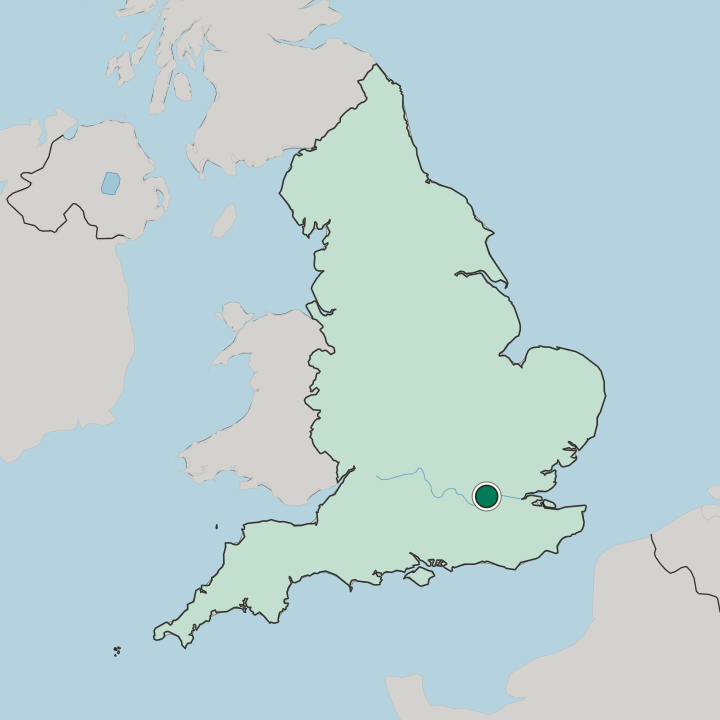
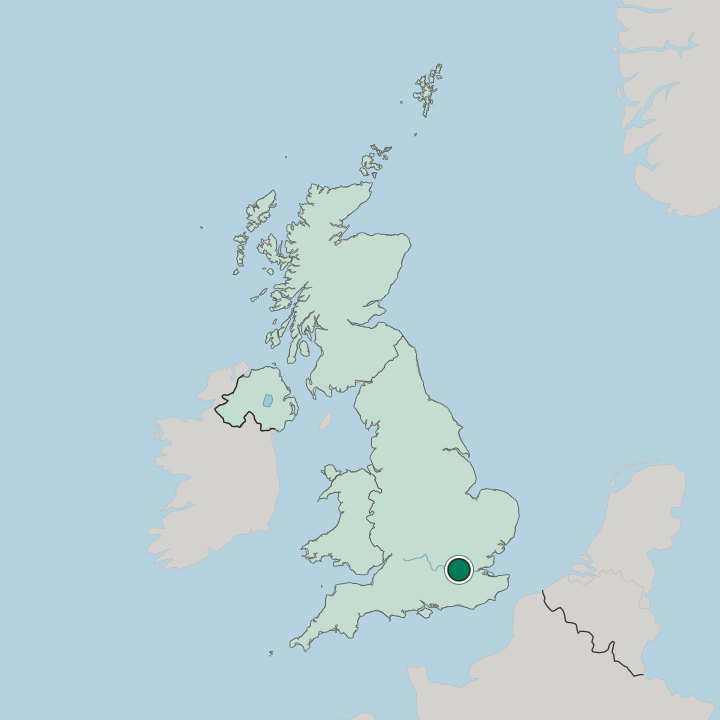
The river makes the shape. Fulham lies in a loop on the north bank of the River Thames, 3.7 miles southwest of Charing Cross, bordering Hammersmith and Kensington and Chelsea, with which it shares West Brompton. Wandsworth and Putney face it.
Beyond them the London Wetland Centre in Barnes falls inside the London Borough of Richmond upon Thames.
What is the climate of Fulham?
The Thames keeps it even. Fulham sits on the river's north bank, in the same temperate West London weather as Hammersmith and Chelsea, with little between it and the water to change the picture from one street to the next. Wet days go indoors.
The Natural History Museum, the Science Museum and the Victoria and Albert Museum are the standard refuge, with Fulham Palace and Leighton House the quieter alternatives.
How do you get to Fulham?
Charing Cross is 3.7 miles off. Fulham lies southwest of it inside the London Borough of Hammersmith and Fulham, so arrival is a matter of crossing West London rather than travelling into it, and the Thames decides which side the approach comes from. West Brompton is the usual seam.
From over the river, Putney and Wandsworth are the nearest approaches.
Common questions
What is the best area to stay in Fulham?
Fulham Palace and the riverside: Thames walks that start at Fulham Palace. West Brompton: Ground shared between Fulham and Kensington and Chelsea. Kensington: Museum days at the Victoria and Albert Museum and the Science Museum. Chelsea: Evenings between Chelsea Old Church and the National Army Museum. Putney and Wandsworth: Rooms across the water from Fulham Palace.
Good for
More cities in England
Updated October 2026