United Kingdom · England
Where to Stay in Milton Keynes, England
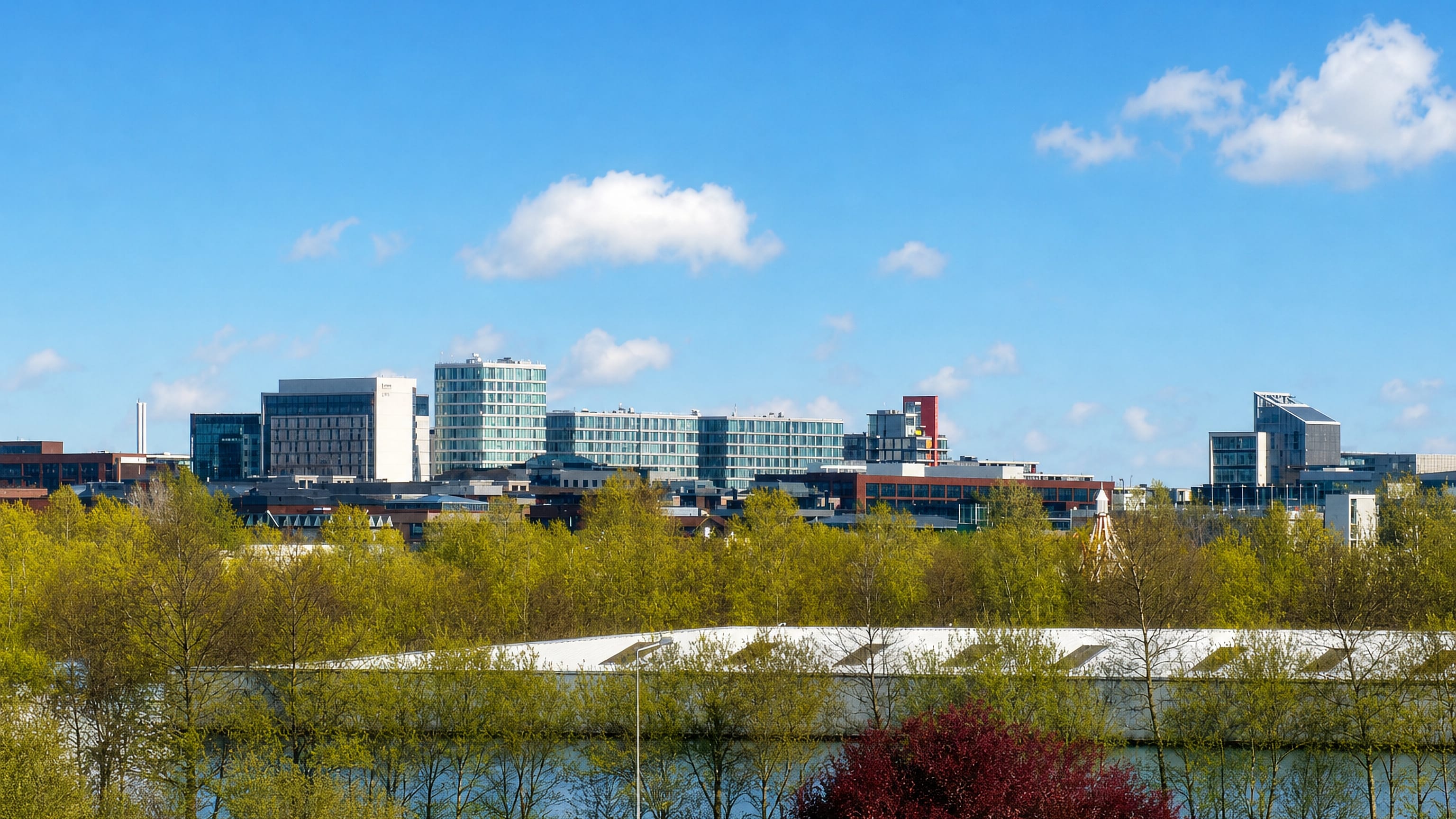
Grid boulevards and linear parks define Milton Keynes, a planned city in Buckinghamshire, England, laid out from 1967 between the Great Ouse and the Ouzel.
Hotel links are affiliate links: booking through them may earn us a commission, at no extra cost to you. It never affects how places are ranked. How this works


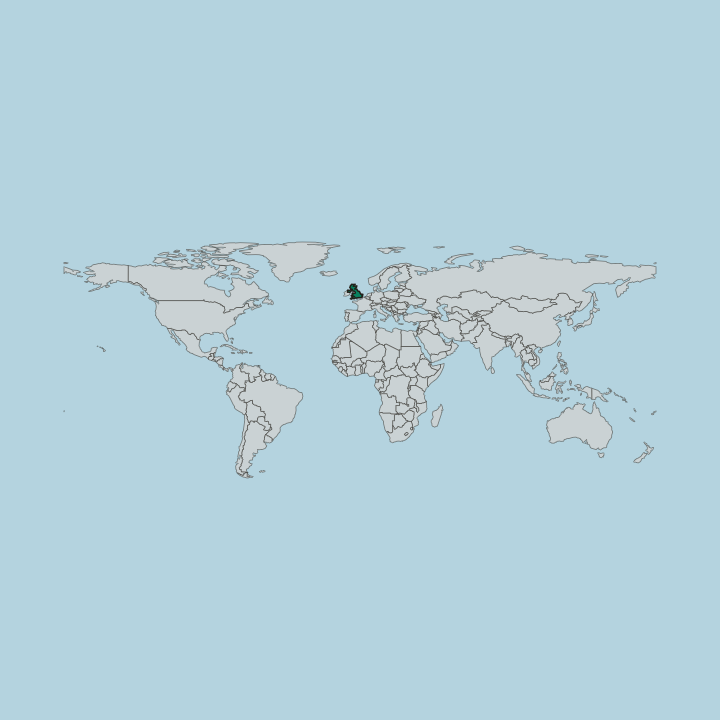
Where to stay in Milton Keynes
Not every neighbourhood fits every trip — here's what each one is good for.

 Milton KeynesUnited KingdomFirst-timers near the Church of Christ the Cornerstone and Campbell Park
Central Milton Keynes
The planned centre puts the Church of Christ the Cornerstone, the shopping district and Campbell Park within reach on the gridCentral Milton Keynes →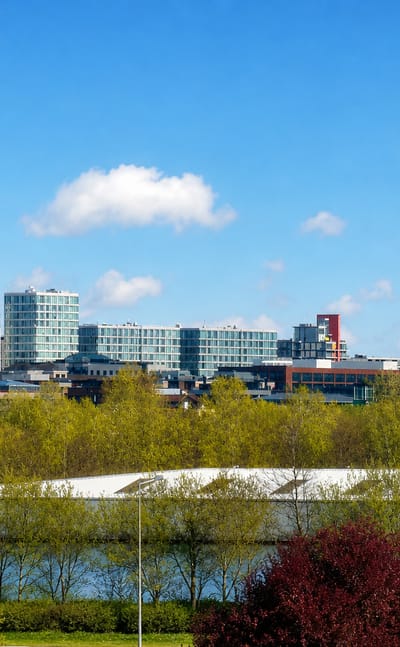 Milton KeynesUnited Kingdom
Campbell Park
Campbell Park is a Milton Keynes civil parish gathering Willen, Fishermead, Oldbrook and The Woolstones between the River Ouzel and the A5.Where to stay →Milton KeynesUnited KingdomBradwell Abbey
Bradwell Abbey is a Milton Keynes district named for the Benedictine priory founded around 1154 on ground now protected as a scheduled monument.Where to stay → Milton KeynesUnited Kingdom
Furzton
Furzton is a Milton Keynes district in the civil parish of Shenley Brook End, where the man-made Furzton Lake covers about half the ground.Where to stay →Hotel links are affiliate links: booking through them may earn us a commission, at no extra cost to you. It never affects how places are ranked. How this works
Find hotels in Milton Keynes
Direct booking search for this neighbourhood.
Hotel links are affiliate links: booking through them may earn us a commission, at no extra cost to you. It never affects how places are ranked. How this works
Things to do in Milton Keynes
Ranked by global recognition; descriptions from Wikidata (CC0).
Museums & Galleries
2- Badminton Museum
- National Film and Sci-Fi Museum
Churches & Religious Sites
7- Church of St Mary Magdalene Heritage
- All Saints Church, Loughton Heritage
- St. Mary's Church, Shenley Heritage
- Church of St James Heritage
- Church of St Lawrence Heritage
Show 2 more →
- Church of St Mary Heritage
- The Woolstones Community Centre Heritage
Castles & Historic Sites
4- Secklow Hundred mound: a moot at the junction of North Row and North Ninth Street. Heritage
- A medieval manorial complex comprising a twin moated site, fishpond and associated earthworks 750m west of St Mary's Church Heritage
- Bradwell Bury: a moated site and associated manor house remains at Moat House Heritage
- Shrunken Medieval Village, Woughton on the Green Heritage
Nature & Outdoors
1- Campbell Park Heritage
Stadiums & Sports
2- Planet Ice Milton Keynes
- Campbell Park Cricket Ground
Parks & Gardens
1- Gulliver's Land Resort
Landmarks & Notable Places
8- Rosebery Music Room Heritage
- Bradwell Abbey House Heritage
- Bradwell House Heritage
- Elm House Heritage
- Moat House Heritage
Show 3 more →
- School House Heritage
- Shopping Building Heritage
- The Hospice Of Our Lady And St John Heritage
worth knowingacross 7 categories in Milton Keynes
About Milton Keynes
What is Milton Keynes known for?
Milton Keynes is known as a planned city, laid out from 1967 on a bold grid of boulevards and roundabouts in Buckinghamshire. Its modernist design set it apart. Wide green corridors follow the River Ouzel through the built-up area, and landmarks such as the Church of Christ the Cornerstone and the sculpture known as the concrete cows have become emblems of the city.
The Milton Keynes Museum and Campbell Park draw visitors on the older ground.
What are the main landmarks in Milton Keynes?
Milton Keynes gathers landmarks old and new. The Church of Christ the Cornerstone rises at the centre of the grid, and the sculpture called the concrete cows grazes a green nearby as the city's best-known emblem. The Milton Keynes Museum keeps its local history, while Campbell Park spreads its lawns beside the centre.
Older survivals include the medieval earthwork of Bradwell Motte, and Gulliver's Land Resort draws families to the eastern side of town.
What is the history of Milton Keynes?
Milton Keynes was designated in 1967 as a new city in Buckinghamshire, planned to take pressure off the crowded south-east of England. The land was mostly farmland. It held a scatter of ancient villages and older sites, among them the Norman earthwork of Bradwell Motte, which the new grid was laid out to absorb rather than erase.
The rivers Great Ouse and Ouzel already framed the ground the planners were given. The design was deliberately modern. Straight boulevards met at roundabouts on a broad grid, and green corridors were threaded along the Ouzel so that parkland ran through the built-up area, with Campbell Park opened as its centrepiece.
The Church of Christ the Cornerstone was raised as a shared civic church, and the sculpture soon nicknamed the concrete cows became the emblem of the whole experiment. The Milton Keynes Museum gathered the story of the older settlements the city grew over. In a few decades a stretch of countryside had become one of England's largest planned towns, its villages preserved as islands in the grid.
Where is Milton Keynes?
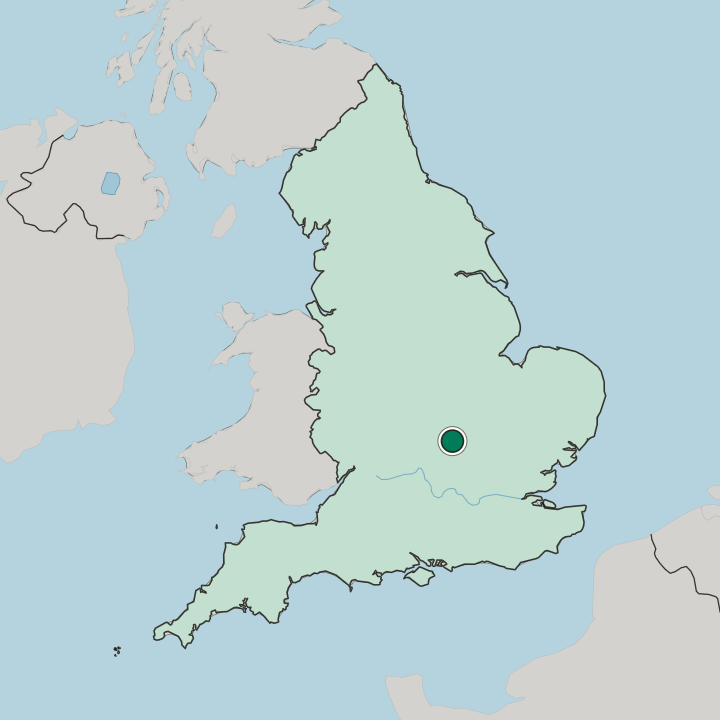
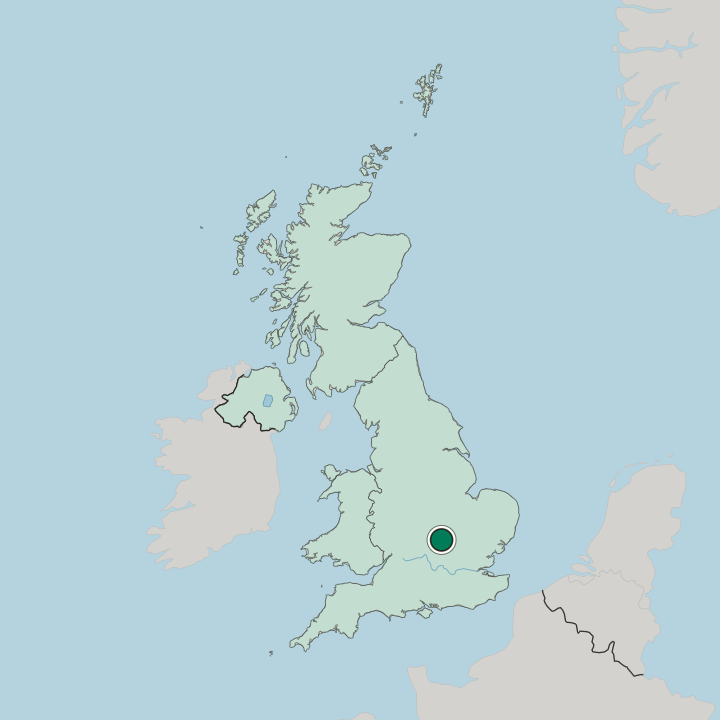
Milton Keynes lies in Buckinghamshire, England, north-west of London on gently rolling ground. Two rivers frame the city. The Great Ouse marks its northern edge while the River Ouzel meanders south through its linear parks and balancing lakes, and much of the built-up area is given over to parkland and woodland threaded between the grid of boulevards, with Campbell Park at the centre.
What is the climate of Milton Keynes?
Milton Keynes has a mild, moderately dry lowland climate typical of south-east England. Summers are warm and generally settled. Winters are cool and grey rather than severe, with frost on clear nights and only occasional snow, while rain falls fairly evenly through the year over the low ground between the rivers.
Mist can gather along the Great Ouse and the Ouzel on calm autumn mornings.
How do you get to Milton Keynes?
Milton Keynes is quick to reach from London. Fast trains run north from the capital to its central station, a short walk from the shopping district and the Church of Christ the Cornerstone. The city sits beside a major motorway, and its grid of boulevards makes driving straightforward once you arrive.
The dedicated cycle and footpath network, laid out with the plan, links Campbell Park and the outer neighbourhoods.
Common questions
What is the best area to stay in Milton Keynes?
Central Milton Keynes: First-timers near the Church of Christ the Cornerstone and Campbell Park. The absorbed villages: Visitors who want village greens near the Milton Keynes Museum and Bradwell Motte.
Good for
More cities in England
Updated October 2026