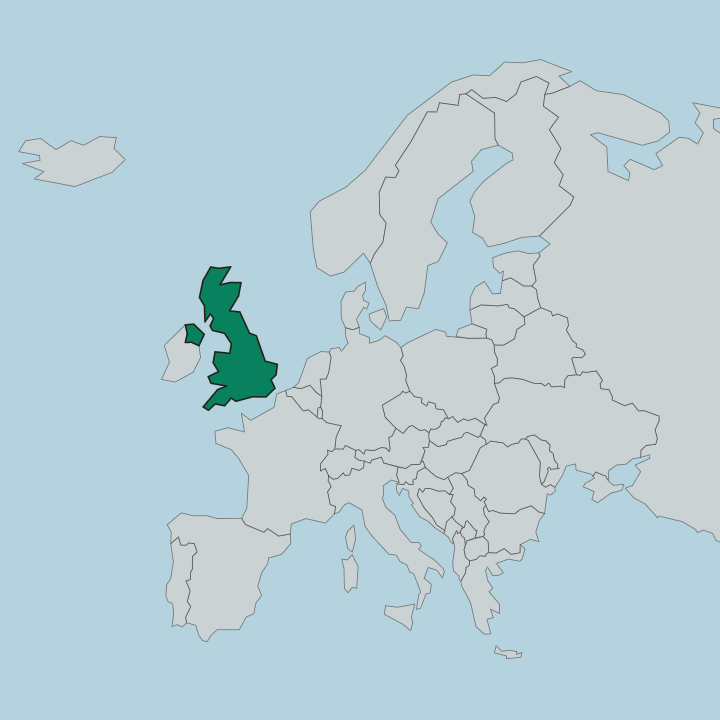
United Kingdom · England
Where to Stay in Shrewsbury, England
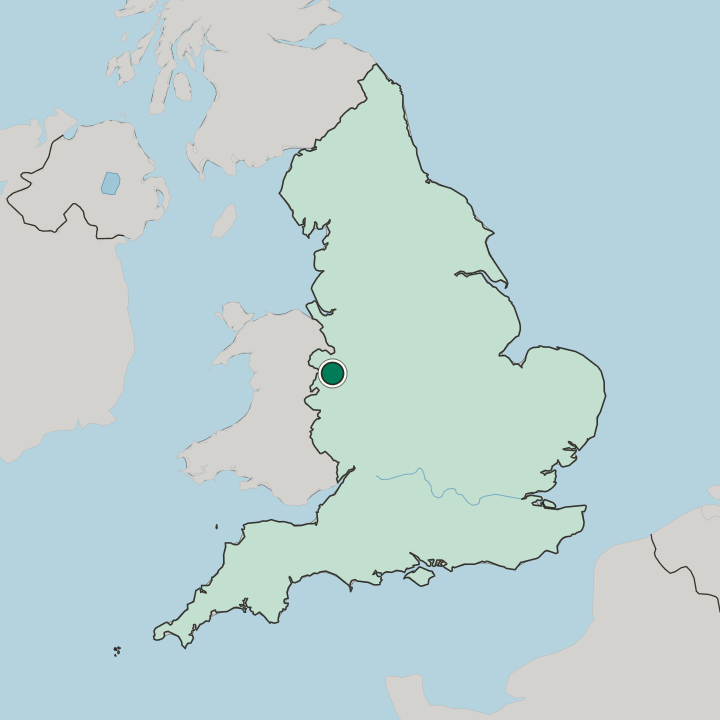
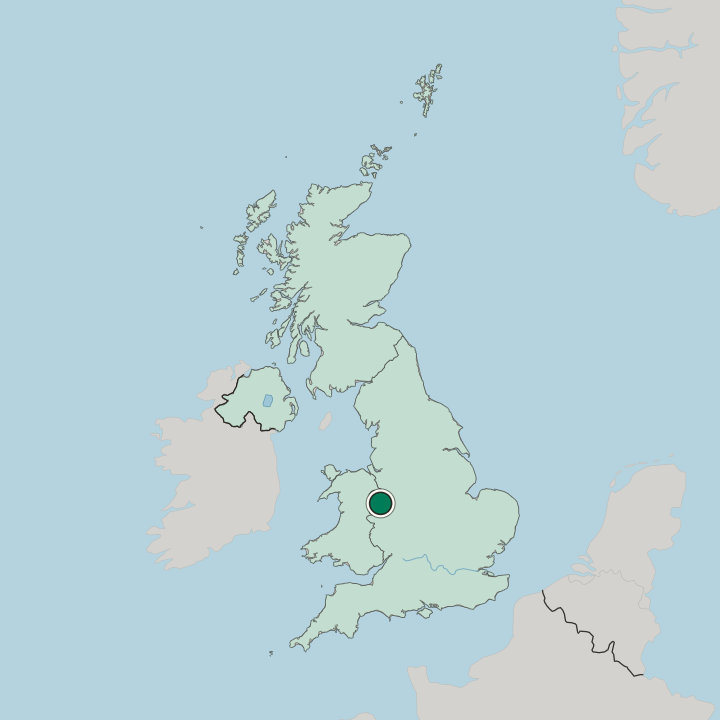
Shrewsbury is the county town of Shropshire in the west of England, a medieval town wrapped in a great loop of the River Severn.
Hotel links are affiliate links: booking through them may earn us a commission, at no extra cost to you. It never affects how places are ranked. How this works



Where to stay in Shrewsbury
Not every neighbourhood fits every trip — here's what each one is good for.
 ShrewsburyUnited Kingdom
Kingsland
Kingsland is a Shrewsbury suburb in Shropshire, England, set across the River Severn by the Kingsland Bridge of 1881.Where to stay →ShrewsburyUnited KingdomFrankwell
Frankwell is one of Shrewsbury's oldest suburbs, lying beside the River Severn with the Church of St George and Pengwern House on its streets.Where to stay →ShrewsburyUnited KingdomCopthorne
Copthorne is a suburb on the western side of Shrewsbury in Shropshire, England, grown around the barracks that once stood on Copthorne Bank.Where to stay →ShrewsburyUnited KingdomBelle Vue
Belle Vue is a Shrewsbury suburb a mile south of the town centre, with St Chad's Church and Shrewsbury Abbey on the walk in.Where to stay →ShrewsburyUnited KingdomUnderdale
Underdale is a Shrewsbury district between Monkmoor and Castlefields, running from Shrewsbury Abbey out to the Telford Way.Where to stay →ShrewsburyUnited KingdomDitherington
Ditherington is a suburb of Shrewsbury in Shropshire, home to the Ditherington Flax Mill, the oldest iron-framed building in the world.Where to stay →ShrewsburyUnited KingdomShelton
Shelton is a suburb in the west of Shrewsbury, called the town's principal interwar suburb by the Pevsner Architectural Guides.Where to stay →Hotel links are affiliate links: booking through them may earn us a commission, at no extra cost to you. It never affects how places are ranked. How this works
Find hotels in Shrewsbury
Direct booking searches for these neighbourhoods.
Inside the loop
In the medieval streets inside the river bend, within a walk of Shrewsbury Castle and the marketFind hotels in Inside the loopStays wanting the abbey, park, and easy parkingAcross the river
Over the Severn near Shrewsbury Abbey and the Quarry park, close to the stationFind hotels in Across the riverHotel links are affiliate links: booking through them may earn us a commission, at no extra cost to you. It never affects how places are ranked. How this works
Things to do in Shrewsbury
Ranked by global recognition; descriptions from Wikidata (CC0).
Museums & Galleries
1- Shrewsbury Museum and Art Gallery Heritage
Churches & Religious Sites
8- Shrewsbury Abbey Heritage
- St Chad's Church, Shrewsbury Heritage
- St Mary's Church, Shrewsbury Heritage
- Shrewsbury Unitarian Church Heritage
- Christ Church Shelton and Oxon Heritage
Show 3 more →
- Church of St Alkmund Heritage
- Church of St Julian Heritage
- Church of St Giles Heritage
Castles & Historic Sites
2- Shrewsbury Castle Heritage
- Sharpstones Hill
Stadiums & Sports
1- London Road, Shrewsbury
Landmarks & Notable Places
8- Castle Gates House Heritage
- Abbey House Heritage
- Perches House Heritage
- 6 Quarry Place and attached railings Heritage
- Hardwick House Heritage
Show 3 more →
- The Old Tudor Steak House Heritage
- The Old Porch House Heritage
- Windsor House Heritage
worth knowingacross 5 categories in Shrewsbury
About Shrewsbury
Shrewsbury is famous for its Tudor streets.
What is Shrewsbury known for?
Black-and-white timbered houses lean over the lanes inside a loop of the River Severn, guarded by the red stone of Shrewsbury Castle and the tower of Shrewsbury Abbey. The naturalist Charles Darwin was born in the town. Timber and river make its charm.
What are the main landmarks in Shrewsbury?
Shrewsbury Castle guards the neck of the loop. Its red sandstone walls hold the narrow entrance to the old town, a mark of the border wars, while Shrewsbury Abbey rises across the river. Timbered streets fill the bend.
The black-and-white houses lean over the lanes, and Saint Mary's Church and the Shrewsbury Museum and Art Gallery stand among them.
What is the history of Shrewsbury?
Shrewsbury grew in the safety of the river loop. The Saxons built a town on the hill inside the great bend of the Severn, and after the Conquest the Normans raised Shrewsbury Castle to guard the narrow neck of land and the Welsh border beyond. The river was its wall.
A great Benedictine abbey rose across the water, and Shrewsbury became a rich wool town whose merchants filled the lanes with timber-framed halls. The frontier made its history bloody. English kings gathered their armies here for war against Wales, and in 1403 a great battle was fought on the fields nearby that shook the crown.
Peace brought trade and learning. The Tudor town prospered, the old school taught its scholars, and in 1809 Charles Darwin was born in a house above the river. The abbey, the castle, and the black-and-white streets survive from every age.
Shrewsbury still curls inside its loop of the Severn.
Where is Shrewsbury?
Shrewsbury sits in a loop of the River Severn. The town fills a tight bend of the river in the heart of Shropshire, where the Severn almost encircles the old streets before flowing on toward Wales and the sea. Green hills roll away on every side.
The river guards the town like a moat.
What is the climate of Shrewsbury?
Shrewsbury has a mild, damp English climate. Cool, wet winters and warm summers follow the seasons, and rain blows in often from the Welsh hills to the west. The river can flood the low streets in winter.
Grey skies pass over the green country.
How do you get to Shrewsbury?
Shrewsbury lies on the road to Wales. Trains run through the town between England and the Welsh coast, and roads cross the Severn toward Birmingham and the border hills. Buses reach the villages of Shropshire.
Most arrive by rail into the county town.
Common questions
What is the best area to stay in Shrewsbury?
Inside the loop: Visitors here for the timbered streets, castle, and market. Across the river: Stays wanting the abbey, park, and easy parking.
Good for
More cities in England
Updated September 2026