United Kingdom · England
Where to Stay in Stafford, England
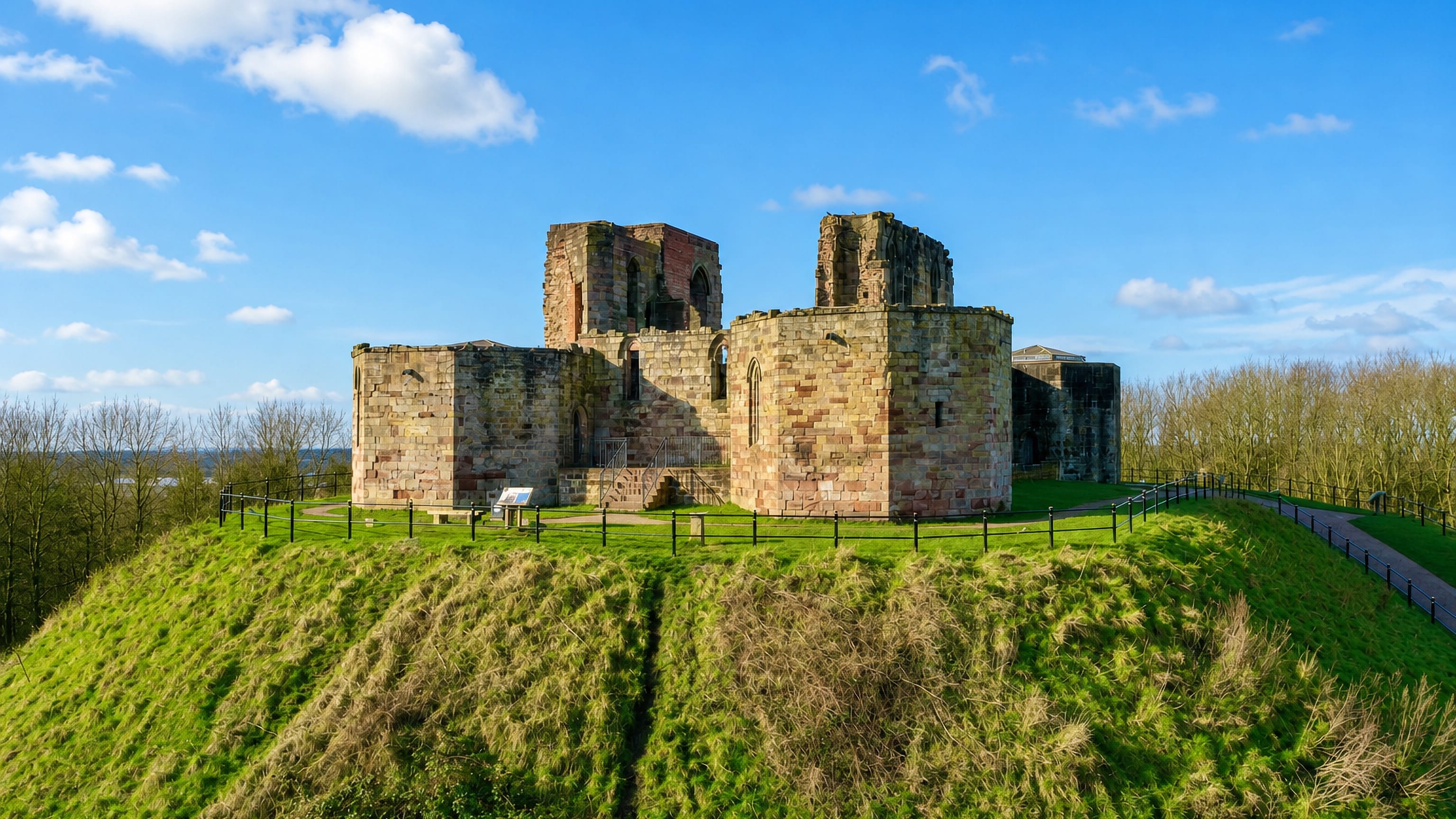
Stafford is the county town of Staffordshire, a market town below Stafford Castle, midway between Stoke-on-Trent and Wolverhampton.
Hotel links are affiliate links: booking through them may earn us a commission, at no extra cost to you. It never affects how places are ranked. How this works



Where to stay in Stafford
Where you base yourself shapes the visit — here's the character of each area.

 StaffordUnited Kingdoman outer base near Doxey House and Rowley Hall
Doxey
Streets out around Doxey House, with Rowley Hall and Green Hall on the same outer ring of the Borough of Stafford. Few places to stay nearby — book ahead.Doxey →StaffordUnited KingdomTillington
Tillington is an area of Stafford held inside a triangle of Eccleshall Road, Stone Road and Crab Lane, north of the town centre.Where to stay →StaffordUnited KingdomBaswich
An estate on the south eastern side of Stafford, Baswich gathers the Church of Holy Trinity and the monuments standing in its churchyard.Where to stay →Hotel links are affiliate links: booking through them may earn us a commission, at no extra cost to you. It never affects how places are ranked. How this works
Find hotels in Stafford
Direct booking searches for these neighbourhoods.
Stafford town centre
The Ancient High House, the Church of Holy Trinity and the Staffordshire History Centre all fall inside the same few county-town streets.Find hotels in Stafford town centrethe castle mound and its medieval settlementUnder Stafford Castle
Ground below Stafford Castle, out past the built-up town, where the earthworks and the settlement recorded with them replace shop windows. Beds are limited here, so book early.Find hotels in Under Stafford Castlethe moated site and fishpond side of the boroughHyde Lea
Village ground beside the Hyde Lea moated site and fishpond, where a car does the work and beds are few. Beds are limited here, so book early.Find hotels in Hyde LeaHotel links are affiliate links: booking through them may earn us a commission, at no extra cost to you. It never affects how places are ranked. How this works
Things to do in Stafford
Ranked by global recognition; descriptions from Wikidata (CC0).
Museums & Galleries
1- Staffordshire Yeomanry Museum
Churches & Religious Sites
5- Church of St Mary Heritage
- St Chad's Church, Stafford Heritage
- Church of Holy Trinity Heritage
- Church of St Paul Heritage
- Church Lane Evangelical Church Heritage
Castles & Historic Sites
6- Stafford Castle Heritage
- Boulton Monument Approximately 3.5 Metres South Of Church Of St Mary Heritage
- Hyde Lea moated site and fishpond Heritage
- Salt Monument Approximately 20 Metres North Of Transept Of Church Of Holy Trinity Heritage
- Stafford Castle and associated medieval settlement Heritage
Show 1 more →
- Twigg Monument Approximately 6 Metres West Of Tower Of Church Of Holy Trinity Heritage
Stadiums & Sports
2- Marston Road
- Sandonia Theatre
Landmarks & Notable Places
8- Ancient High House Heritage
- 146, Doxey Road Heritage
- Aston Hall Heritage
- Doxey House Heritage
- Green Hall Heritage
Show 3 more →
- Moat House Heritage
- Rowley Hall Heritage
- St Bernard's House Heritage
worth knowingacross 5 categories in Stafford
About Stafford
Stafford Castle sets the tone.
What is Stafford known for?
The Ancient High House, the Church of St Mary and St Chad's Church give the centre its older frontage, and the Staffordshire History Centre keeps the written record of the county in the same few streets. It is Staffordshire's county town, and a market town before that. The Staffordshire Yeomanry Museum and the Sandonia Theatre fill out the indoor hours.
What are the main landmarks in Stafford?
Stafford Castle is the one to walk out to. The Ancient High House holds the centre, and the churches take the rest of the list: the Church of St Mary, St Chad's Church, the Church of Holy Trinity and the Church of St Paul, with the Church Lane Evangelical Church among the later congregations. Two collections sit in town.
The Staffordshire Yeomanry Museum keeps the county regiment's record and the Staffordshire History Centre the written one, while the Sandonia Theatre, Green Hall, Rowley Hall and the Moat House fill out what else is named here.
What is the history of Stafford?
The town dates from about 700. Stafford grew as the seat of its shire, and the castle raised above it, recorded together with the medieval settlement that stood alongside, fixed a pattern the county town has kept ever since. Churches followed the shire.
The Church of St Mary, St Chad's Church and the Church of Holy Trinity carry the oldest fabric inside the centre, while the Hyde Lea moated site and fishpond survives from the medieval countryside beyond it. Timber and brick record what came next. The Ancient High House, The Colonnade Tudor House, St Bernard's House and Doxey House stand for the long stretch between the castle and the county offices, and Green Hall, Rowley Hall and the Moat House belong to the same layer of building.
Memorials gather round the churchyards. The Salt Monument stands north of the transept of the Church of Holy Trinity, the Boulton Monument close by the Church of St Mary, and a group of three ward memorials keeps the Holy Trinity ground company, with the County War Memorial and its shelter marking the county's losses. Stafford's own archive stayed at home.
The Staffordshire History Centre holds the written record, the Staffordshire Yeomanry Museum the regimental one, and the Church of St Paul and the Church Lane Evangelical Church show how the parish map went on changing.
Where is Stafford?
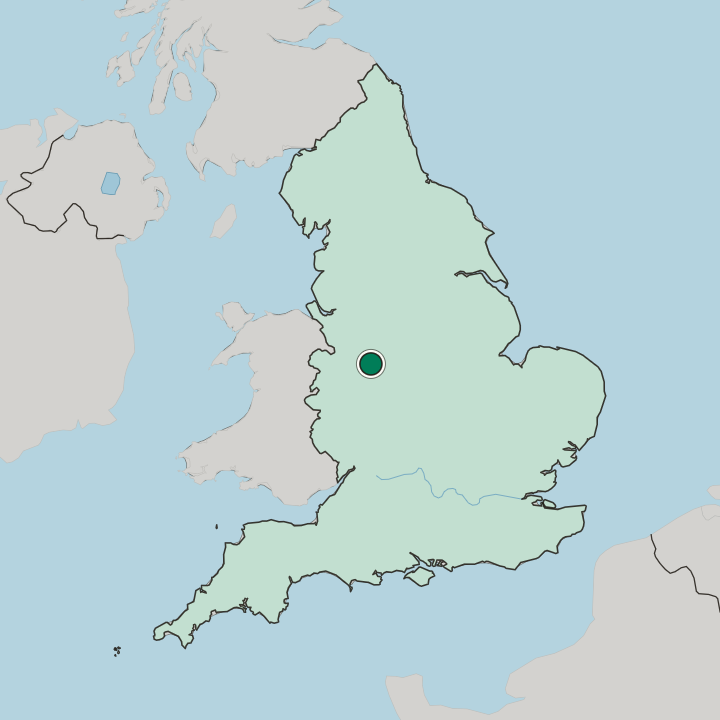
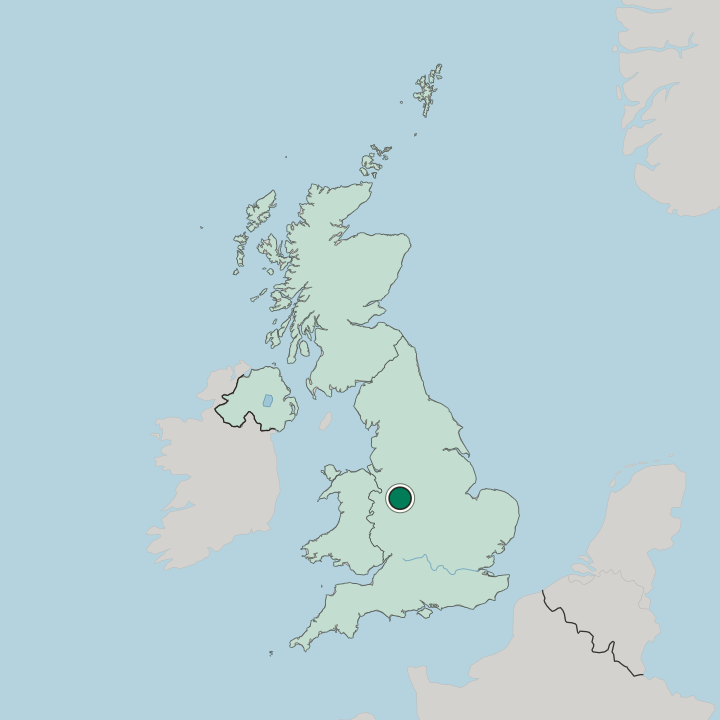
Stoke-on-Trent lies about 15 miles north. Wolverhampton sits the same distance the other way and Birmingham roughly 24 miles off to the south-east, so Stafford holds a middle position in Staffordshire rather than belonging to any of them. The ground here is low and inland.
Stafford Castle stands on the rise that overlooks the town, and the Borough of Stafford spreads past it to take in Hyde Lea, Doxey and the farmland between.
What is the climate of Stafford?
No coast reaches Staffordshire here. Well inland, Stafford takes the mild and damp weather of temperate England without any sea to steady it, so clear winter nights on the low ground round the town turn sharper than they do nearer the water. Rain arrives in every season.
Stafford Castle is exposed on its rise, and the Ancient High House, the Staffordshire History Centre and the Sandonia Theatre are the answers when it sets in.
How do you get to Stafford?
Birmingham is the usual approach. The 24 miles up from that city carry most arrivals, with Wolverhampton nearer at about 15 miles and Stoke-on-Trent the same distance again on the far side of Stafford. Nothing about it is far.
Hyde Lea, Doxey and the rest of the Borough of Stafford are short runs out from the centre, and Stafford Castle is reached the same way.
Common questions
What is the best area to stay in Stafford?
Stafford town centre: the Ancient High House and the Sandonia Theatre on foot. Under Stafford Castle: the castle mound and its medieval settlement. Hyde Lea: the moated site and fishpond side of the borough. Doxey: an outer base near Doxey House and Rowley Hall.
Good for
More cities in England
Updated October 2026