United Kingdom · England
Where to Stay in Tynemouth, England
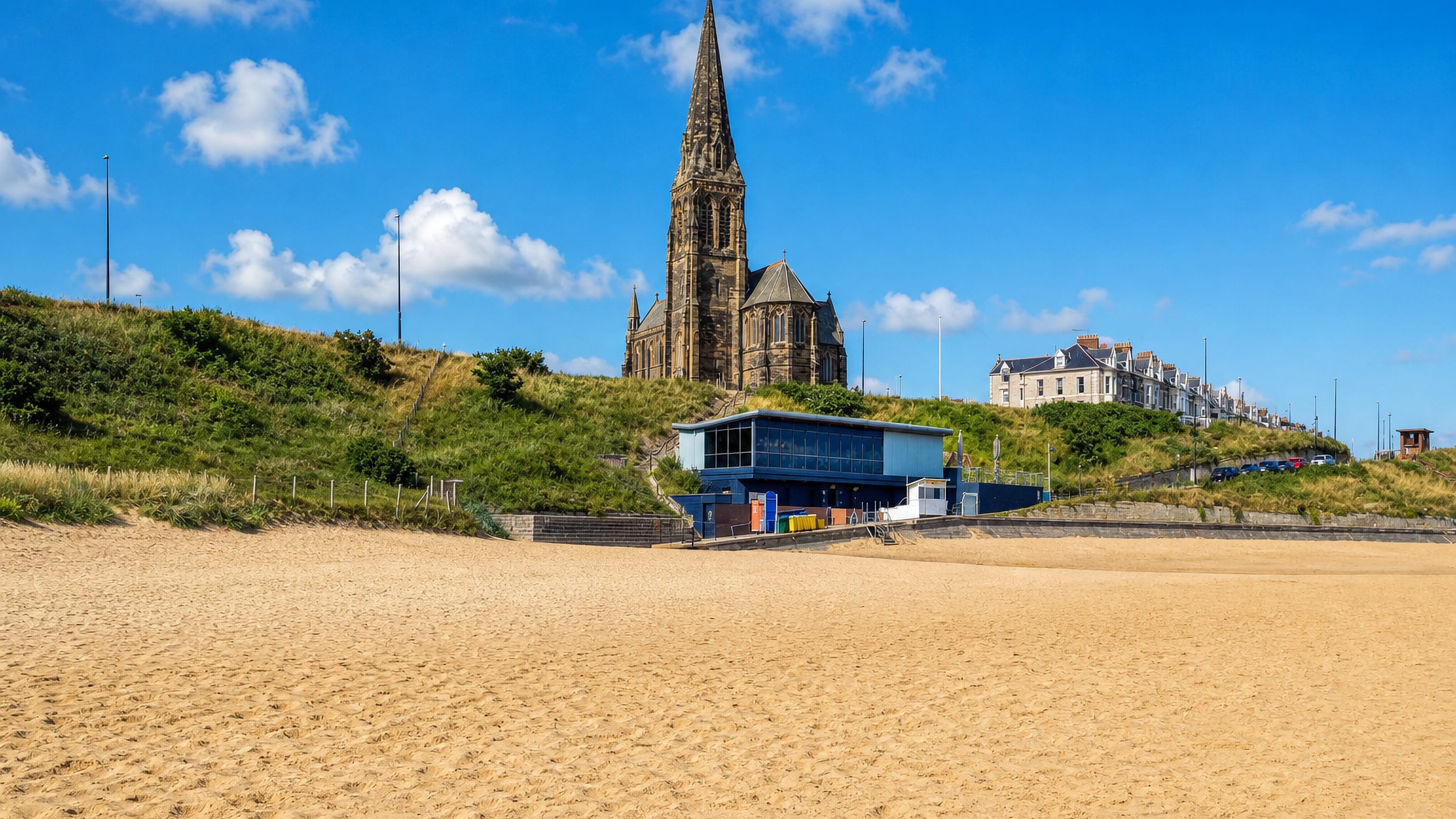
Castle and priory crown the headland. Tynemouth holds the north side of the mouth of the River Tyne, with the North Sea open beyond it.
Hotel links are affiliate links: booking through them may earn us a commission, at no extra cost to you. It never affects how places are ranked. How this works


Where to stay in Tynemouth
How the choice of base plays out on the ground.
The headland is the first choice and the obvious one. Rooms on that side of Tynemouth put the ruins of Tynemouth Castle and Priory, the Collingwood Monument and the streets of the town centre inside a single short walk, since the centre lies immediately west of the point where the River Tyne meets the North Sea. Water on two sides comes with it.
Wind off the open sea reaches this ground before it reaches anywhere else on the estuary, which is worth knowing when a room faces east. North Shields is the river alternative. Christ Church, North Shields and the Accumulator Tower In Albert Edward Dock stand on the working stretch of bank upriver from the headland, and beds there swap sea air for the traffic of a port.
Cullercoats and Whitley Bay run the other way. St George's Cullercoats and the Cullercoats Watch Club House sit above the small bay north of Tynemouth, while the Spanish City and the Whitley Bay Ice Rink mark the resort end of North Tyneside, so you take that side if amusements matter more than antiquity. South Shields answers from across the mouth. Arbeia, St Hilda's Church, South Shields and the South Shields Museum & Art Gallery give the far bank a Roman fort and a museum of its own, and the width of the Tyne is what a guest trades for them.
Find hotels in Tynemouth
Direct booking searches for these neighbourhoods.
Tynemouth headland
Tynemouth Castle and Priory stands on the headland over the mouth of the Tyne and the town centre lies immediately west of it, which puts ruins, monument and shops on one walkFind hotels in Tynemouth headlandRiver nights near Christ Church, North Shields and the Albert Edward DockNorth Shields
North Shields carries the working bank upriver from the headland, keeping the Accumulator Tower In Albert Edward Dock and Christ Church, North Shields within its own streetsFind hotels in North ShieldsSmall-bay stays under St George's Cullercoats and the Cullercoats Watch Club HouseCullercoats
Cullercoats holds the little bay north of Tynemouth, with St George's Cullercoats above it and the Cullercoats Watch Club House recording the same rescue trade as the Tynemouth brigade. Lodging is scarce in this area; reserve in advance.Find hotels in CullercoatsAmusement-led trips around the Spanish City and the Whitley Bay Ice RinkWhitley Bay
Whitley Bay takes the resort end of North Tyneside, where the Spanish City and the Whitley Bay Ice Rink are the two names the seafront is booked aroundFind hotels in Whitley BayFar-bank rooms within reach of Arbeia and the South Shields Museum & Art GallerySouth Shields
South Shields faces Tynemouth across the mouth of the Tyne and holds the Roman fort of Arbeia, St Hilda's Church, South Shields and the borough's museum and art galleryFind hotels in South ShieldsHotel links are affiliate links: booking through them may earn us a commission, at no extra cost to you. It never affects how places are ranked. How this works
Things to do in Tynemouth
Ranked by global recognition; descriptions from Wikidata (CC0).
Museums & Galleries
1- Tynemouth Volunteer Life Brigade Watch House Museum
Churches & Religious Sites
5- St George's Cullercoats Heritage
- Christ Church, North Shields Heritage
- St Paul's Church Heritage
- Church of St John the Evangelist Heritage
- Church of St Edward Heritage
Castles & Historic Sites
3- Collingwood Monument Heritage
- Tynemouth Castle and Priory Heritage
- Tynemouth Iron Age and Romano-British settlements, monasteries, site of lighthouse, cross, motte, enclosure and artillery castle Heritage
Stadiums & Sports
1- Whitley Bay Ice Rink
Parks & Gardens
1- Spanish City
Landmarks & Notable Places
6- Cullercoats Watch Club House Heritage
- Accumulator Tower In Albert Edward Dock Heritage
- Cliff House Heritage
- Tynemouth Watch House Heritage
- Field House Heritage
Show 1 more →
- Wool House Heritage
worth knowingacross 6 categories in Tynemouth
About Tynemouth
The priory holds the point.
What is Tynemouth known for?
Tynemouth Castle and Priory occupies the headland above the river mouth with the town centre immediately west of it, and the Collingwood Monument keeps its own watch over the same water. Seaside trades take over. Ocean Beach Pleasure Park, Wet N Wild and the Whitley Bay Ice Rink work the pleasure end of this coast, while the Spanish City supplies the shore its most quoted name.
The Tynemouth Volunteer Life Brigade Watch House Museum keeps the rescue record.
What are the main landmarks in Tynemouth?
Two ruins outrank the rest. Tynemouth Castle and Priory takes the headland and Arbeia, the Roman fort at South Shields, answers it from the far bank, with the Collingwood Monument between them above the water. Churches spread along the shore.
Our Lady and St Oswin's Church, Tynemouth, St Paul's Church, St George's Cullercoats, Christ Church, North Shields, the Church of St John the Evangelist and the Church of St Edward carry the parishes, while Cliff House, Wool House and Field House stand among the listed houses. Tynemouth Watch House guards the mouth.
What is the history of Tynemouth?
The headland was occupied long before the town. Its scheduled record runs from Iron Age and Romano-British settlements through monasteries, a lighthouse site, a cross, a motte and an enclosure to an artillery castle, which is an unusual density of layers for one promontory to carry. Rome held the mouth as well.
Arbeia sits across the water at South Shields, guarding the same entrance from the opposite bank. Monks came next. Tynemouth Castle and Priory grew on the point as a medieval religious house that also had to serve as a fortress, because a headland commanding both a river mouth and the open North Sea was never going to be left to prayer alone.
Northumberland claimed the town for most of its life, and Tynemouth was the easternmost place in that county until the Borough of North Tyneside was created within Tyne and Wear in 1974. The record gives the modern town a date of 1864. Sea rescue shaped the rest.
The Tynemouth Volunteer Life Brigade Watch House Museum, the Tynemouth Watch House and the Cullercoats Watch Club House all descend from the business of watching for ships in trouble, and the Collingwood Monument commemorates the naval side of the same water. Pleasure came last of all, with Ocean Beach Pleasure Park, Wet N Wild and the Spanish City turning a working coast into a visited one.
Where is Tynemouth?
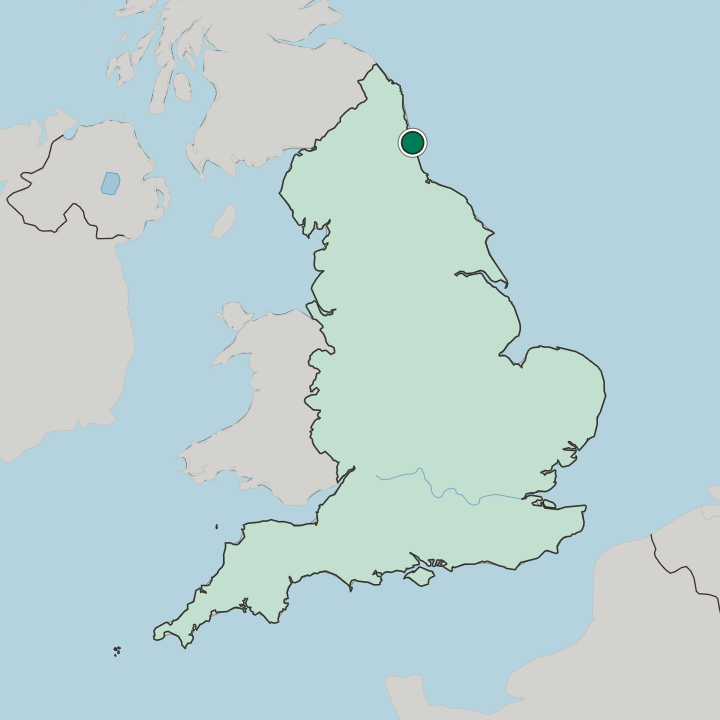
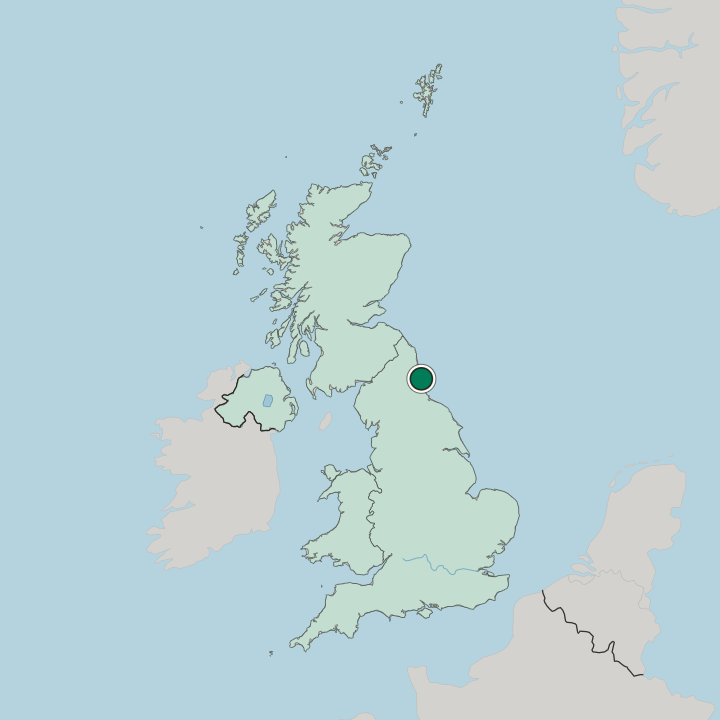
River on one hand, ocean on the other. Tynemouth occupies the north bank at the mouth of the River Tyne, where a headland pushes out between the estuary and the exposed water of the North Sea, and the town centre sits just inland of that point. Neighbours run in a line.
North Shields lies west along the river with Wallsend beyond it and Newcastle upon Tyne further upstream, while Cullercoats and then Whitley Bay follow the open shore north through the borough of North Tyneside.
What is the climate of Tynemouth?
The North Sea writes the weather here. Nothing shelters the headland from it, so the same wind that made the Tynemouth Volunteer Life Brigade necessary still governs how a day on the priory ground actually feels, whatever the season promises. Summers stay cool and long-lit.
Winter brings the sea closer in temperament than in distance, and the sheltered choices, the Whitley Bay Ice Rink, the South Shields Museum & Art Gallery, the churches, earn their place on any itinerary built for this coast.
How do you get to Tynemouth?
Follow the north bank down. Newcastle upon Tyne lies upriver to the west, and the run east from it passes Wallsend and then North Shields before the ground narrows onto the Tynemouth headland at the river mouth. The coast road is the other approach.
Whitley Bay and Cullercoats feed south along the open shore into the town, while anyone arriving from South Shields and the Arbeia side has the width of the Tyne to cross first.
Common questions
What is the best area to stay in Tynemouth?
Tynemouth headland: Guests who want Tynemouth Castle and Priory and the river mouth from the doorstep. North Shields: River nights near Christ Church, North Shields and the Albert Edward Dock. Cullercoats: Small-bay stays under St George's Cullercoats and the Cullercoats Watch Club House. Whitley Bay: Amusement-led trips around the Spanish City and the Whitley Bay Ice Rink. South Shields: Far-bank rooms within reach of Arbeia and the South Shields Museum & Art Gallery.
Good for
More cities in England
Updated October 2026