United Kingdom · England
Where to Stay in South Shields, England
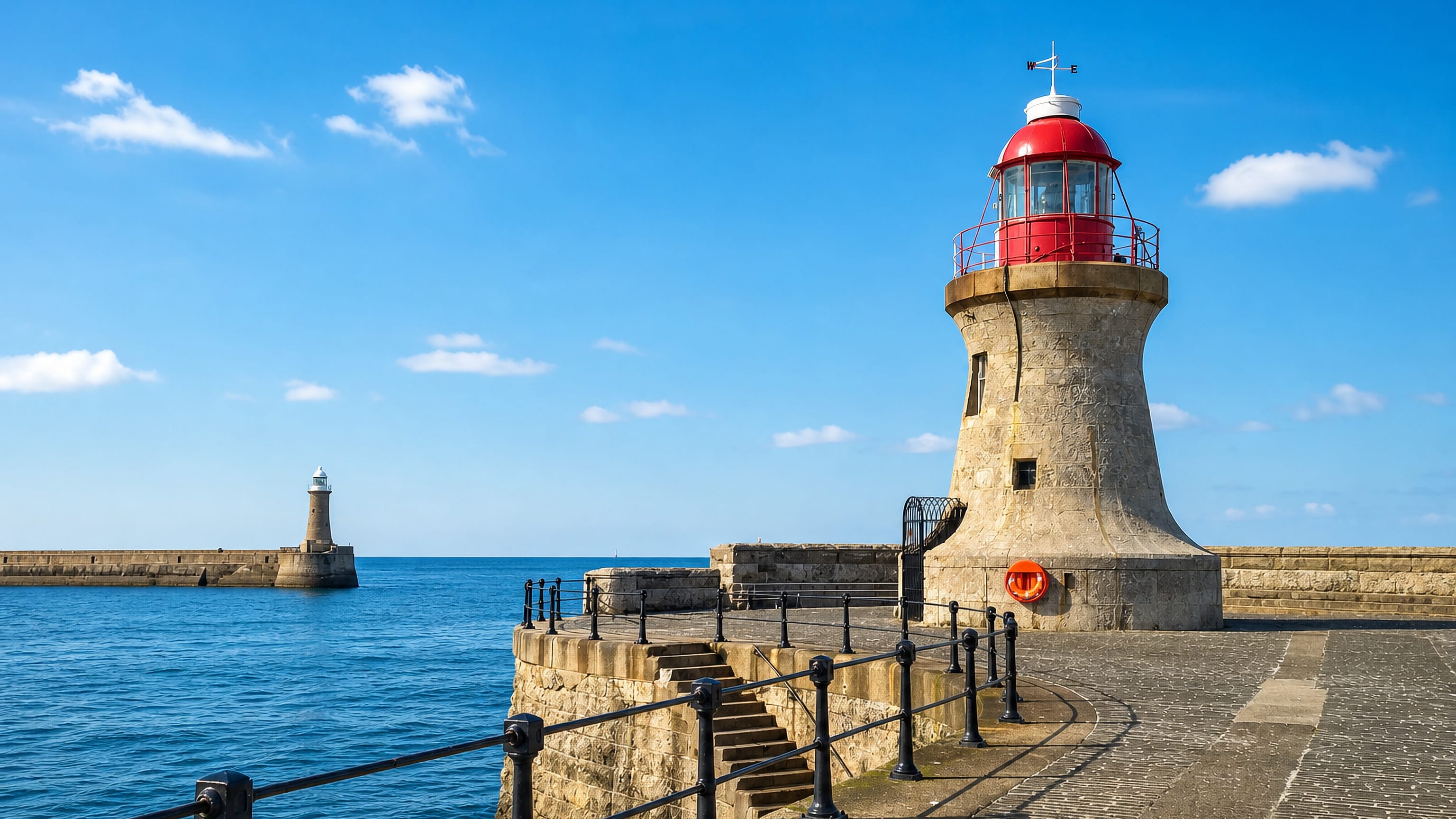
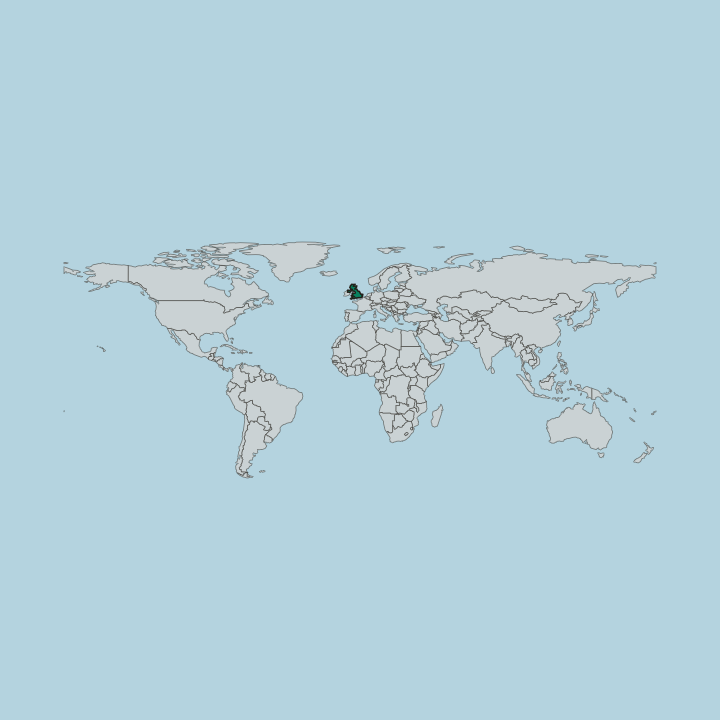
South Shields is a coastal port town on the south bank of the Tyne mouth, in South Tyneside, the place Rome knew as Arbeia.
Hotel links are affiliate links: booking through them may earn us a commission, at no extra cost to you. It never affects how places are ranked. How this works


Where to stay in South Shields
The right area depends on your trip — here's what each neighbourhood is best for.

 South ShieldsUnited Kingdom
Westoe
Westoe began as a village outside South Shields and is now a quarter of the town, keeping Westoe Hall, Ivy House and Chapel House on its streets.Where to stay → South ShieldsUnited Kingdom
Tyne Dock
Tyne Dock is a neighbourhood of South Shields on the south bank of the River Tyne, named for the coal dock the North Eastern Railway opened in 1859.Where to stay →South ShieldsUnited KingdomBiddick Hall
Biddick Hall is a district of South Shields in England, marked by the parish churches of All Saints and St Mary with St Martin.Where to stay →South ShieldsUnited KingdomBrockley Whins
Brockley Whins is an area of South Shields in South Tyneside, with the Church of Saint Nicholas and St John the Baptist among its entries.Where to stay →Hotel links are affiliate links: booking through them may earn us a commission, at no extra cost to you. It never affects how places are ranked. How this works
Find hotels in South Shields
Direct booking searches for these neighbourhoods.
South Shields town centre
St Hilda's Church, the South Shields War Memorial and South Shields Museum & Art Gallery fall inside one walk of the centre.Find hotels in South Shields town centreOcean Beach Pleasure Park and a day on the sandThe seafront
Ocean Beach Pleasure Park and Wet N Wild run the day here, with Arbeia and the museums kept back for the second one.Find hotels in The seafrontthe Monastery Of St Paul Ruins Of Jarrow MonasteryJarrow
Jarrow Hall and the Parish Church of St Paul make this the monastic end of South Tyneside rather than the seaside one. Lodging is scarce in this area; reserve in advance.Find hotels in JarrowTynemouth Castle and Priory on the far bankTynemouth
Tynemouth Castle and Priory and the Tynemouth Watch House face the Tyne mouth from the North Tyneside side.Find hotels in TynemouthHotel links are affiliate links: booking through them may earn us a commission, at no extra cost to you. It never affects how places are ranked. How this works
Things to do in South Shields
Ranked by global recognition; descriptions from Wikidata (CC0).
Museums & Galleries
2- Arbeia Heritage
- Jarrow Hall
Churches & Religious Sites
7- Parish Church of St Paul, Jarrow Heritage
- St Hilda's Church, South Shields Heritage
- St. Peter's Church Heritage
- Church of Saint Nicholas Heritage
- Monastery Of St Paul Ruins Of Jarrow Monastery Heritage
Show 2 more →
- Church of St Michael Heritage
- St Mary Tyne Dock Heritage
Parks & Gardens
1- Ocean Beach Pleasure Park
Landmarks & Notable Places
3- Chapel House Heritage
- Former Talbot Memorial House Heritage
- Preston Cemetery and Tynemouth Crematorium
worth knowingacross 4 categories in South Shields
About South Shields
Rome got here first.
What is South Shields known for?
Arbeia was the name in Roman times, and it has outlasted every later trade the river brought, from the dock work to the pleasure coast. The beach does the rest. South Shields Museum & Art Gallery, Ocean Beach Pleasure Park and Wet N Wild stand for what the town does with a day out, while St Hilda's Church keeps the older parish end of the same walk.
What are the main landmarks in South Shields?
Arbeia is the anchor. The fort's name became the town's, and the list runs on through St Hilda's Church, the South Shields War Memorial and South Shields Museum & Art Gallery. Across the water there is more.
Tynemouth Castle and Priory, the Tynemouth Watch House and the Tynemouth Volunteer Life Brigade Watch House Museum face the same river mouth, while the Collingwood Monument, Wool House and Field House fill out what South Tyneside keeps.
What is the history of South Shields?
Arbeia came first. The Romans knew the place at the Tyne mouth by that name, and by the Early Middle Ages it answered to Caer Urfa, and both names sit in the record before any of the industry does. Industry followed the river.
The towns along this bank have been industrial since the Middle Ages, and Jarrow Hall, the Parish Church of St Paul and the Monastery Of St Paul Ruins Of Jarrow Monastery mark the monastic ground that sits inside that same span. County Durham held them once. South Shields and its neighbours lay in County Durham historically, and in 1974 they were gathered into the borough of South Tyneside, with the towns across the Tyne made into North Tyneside at the same stroke.
Tyne and Wear followed. Newcastle upon Tyne, Gateshead, Sunderland and Washington joined the two Tynesides in that new metropolitan county. The parish record runs alongside all of it: St Hilda's Church, St Peter's Church, the Church of St John the Evangelist and St Mary Tyne Dock carry the church names, and the South Shields War Memorial stands with them.
Where is South Shields?
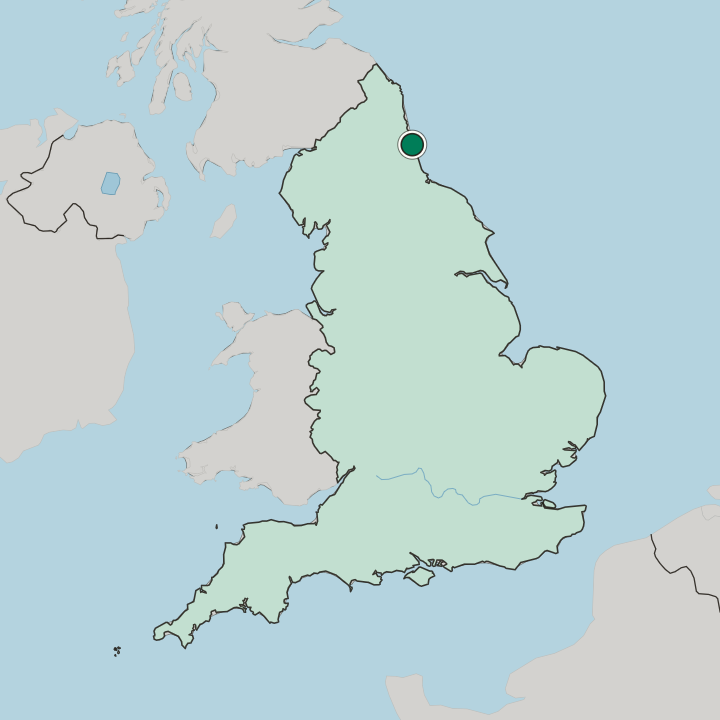
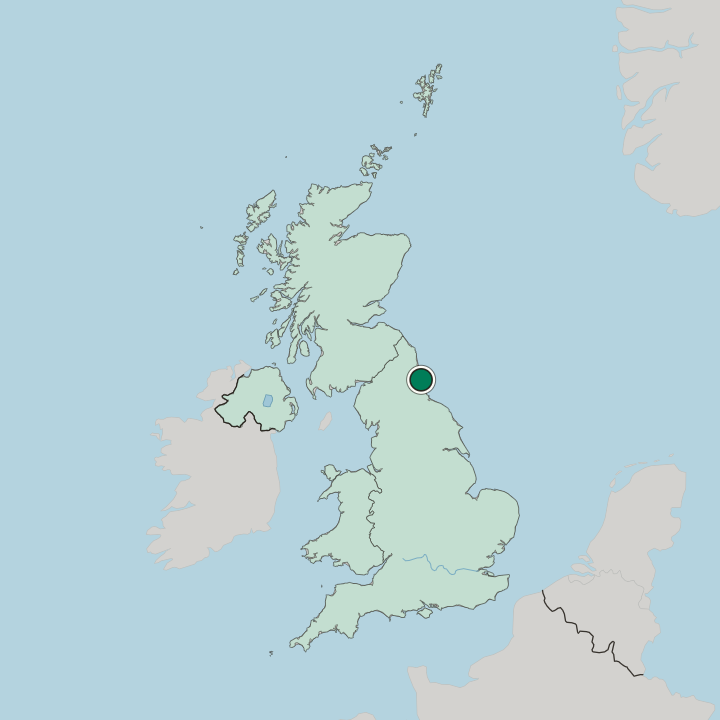
The Tyne ends here. South Shields sits on the south bank at the mouth of the river, with North Shields and Tynemouth on the North Tyneside side opposite and open water past both. Jarrow shares the south bank.
South Tyneside takes in that side as one borough, and Cullercoats, along with the rest of the north bank, went to North Tyneside when Tyne and Wear was drawn up.
What is the climate of South Shields?
Sea air sets the terms at South Shields. Air coming in off the water at the Tyne mouth keeps the coast cooler through summer and less bitter in winter than ground further inland, and the same wind makes a beach day here a matter of timing rather than certainty. Grey days come often.
When the wind turns, South Shields Museum & Art Gallery, Arbeia and Wet N Wild all give somewhere to be that is not the sand.
How do you get to South Shields?
Newcastle upon Tyne is the way in. It is the largest settlement in Tyne and Wear, and the usual approach to South Shields runs out from the city rather than straight to the coast, with Sunderland and Gateshead the other places of that size nearby. The river divides the approach.
North Shields and Tynemouth sit on the opposite bank, so reaching them from South Shields means crossing the Tyne, and the North Tyneside Steam Railway over there runs as a heritage line rather than a way of arriving. Jarrow and Tyne Dock sit on the local runs inside South Tyneside.
Common questions
What is the best area to stay in South Shields?
South Shields town centre: St Hilda's Church and the museum end of the town. The seafront: Ocean Beach Pleasure Park and a day on the sand. Jarrow: the Monastery Of St Paul Ruins Of Jarrow Monastery. Tynemouth: Tynemouth Castle and Priory on the far bank.
Good for
More cities in England
Updated October 2026