North Korea
Kaesong, North Korea — Towns & Travel Guide
Kaesong is North Korea's old southern capital, seat of the Goryeo kings, standing 8 km from the DMZ with the South.
Find your area →


Towns & cities in Kaesong
One town here has its own guide — it links to where to stay.
 North Korea
Kaesŏng
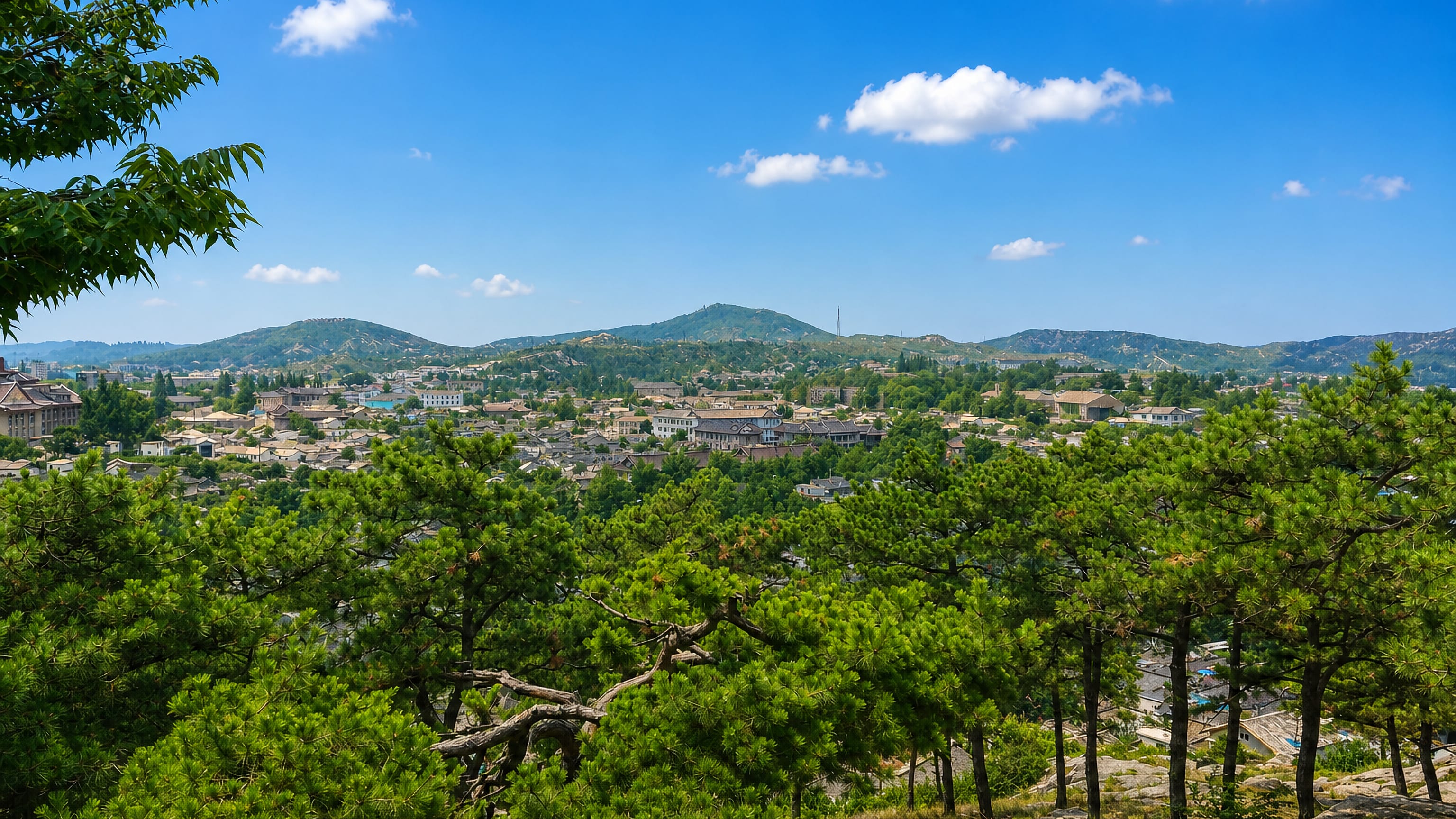
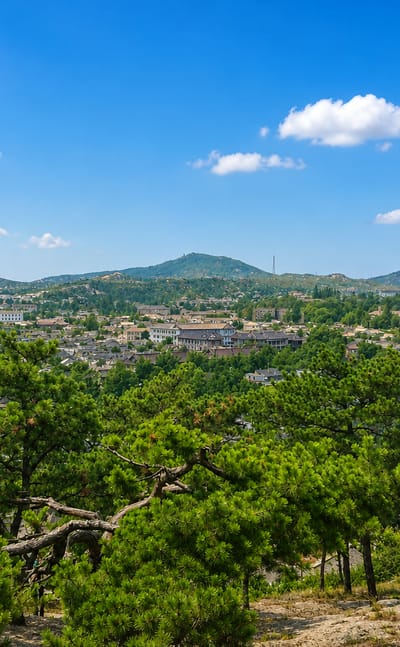
Old palace stones ring the valley at Kaesŏng, a historic city in the southern part of North Korea, known for its Goryeo-era heritage and Korean ginseng.Where to stay →
About Kaesong
Kaesong was the capital of the Goryeo dynasty.
What is Kaesong known for?
That is what draws people here. For roughly four centuries the Korean court ruled from this basin, and the ruined Manwoldae palace at the foot of Songak still marks where the throne hall once stood. Twelve of its Goryeo monuments carry UNESCO World Heritage status.
The old town was called Songdo, a trading hub famous for the ginseng grown in the hills around it.
Where is Kaesong?
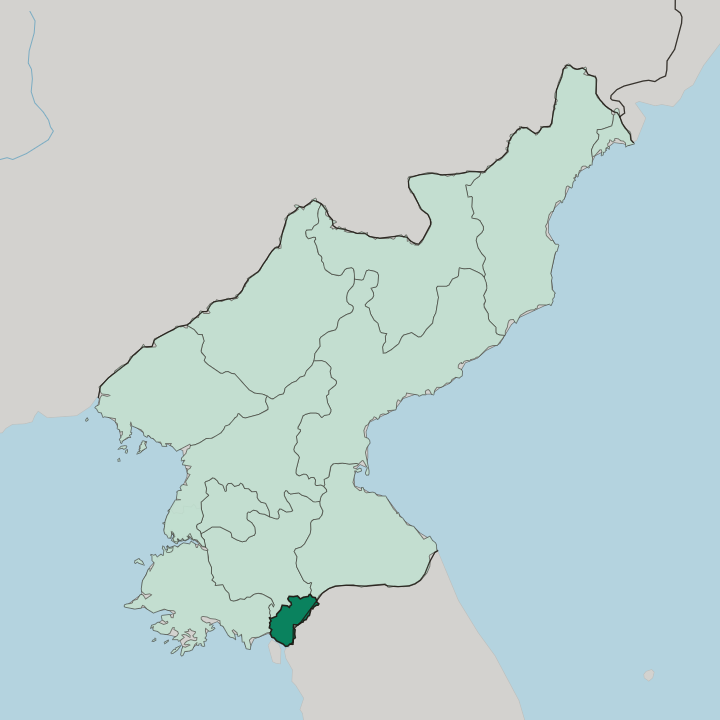
Kaesong sits in a mountain basin in the far south of North Korea, only 8 km from the Demilitarised Zone and about 70 km north-west of Seoul. It is closer to the South Korean capital than to its own at Pyongyang. Songak, the pine-covered hill that gave the old city its name Songdo, rises to the north and shelters the town on that side.
Ridges of the Ahobiryong range ring the rest of the basin. Two rivers frame the district. The Imjin runs along the north-eastern edge before crossing the DMZ toward Seoul, and the Ryesong drains the western side down to the Yellow Sea.
Both once carried the barges that made Songdo a merchant town. The Kaesong Industrial Region spreads across the flat ground toward the border, a strip of factories built on the plain where the ginseng fields begin. Little of the surrounding land is level.
Terraced slopes and narrow valleys hold the ginseng plots and the villages between the hills, and the sea lies a short way south-west past the mouth of the Ryesong.
What is Kaesong like?
Ginseng defines Kaesong. The reddish Koryo insam grown in the shaded hillside beds around the city has been its signature product since Songdo traders shipped it across Asia, and it still fills the market stalls and the pot of ginseng chicken soup that arrives at the hotel table. The food carries its own reputation.
Kaesong is known across the peninsula for a formal banquet of small brass bowls, the pansanggi, each holding a separate dish. Scholarship left its mark too. Songgyungwan, the Confucian academy that trained the officials of the Goryeo state, still stands two kilometres north-east of the centre and now holds the Koryo Museum and its green Goryeo celadon.
Much of the old town survives. Kaesong was one of the few Korean cities not levelled in the war, so grey-tiled roofs and narrow lanes remain among the ginseng warehouses. The pull here is age, not spectacle.
What is the history of Kaesong?
In 919 Wang Geon made this basin, his birthplace, the capital of the new Goryeo kingdom, and for four hundred years the dynasty that gave Korea its Western name ruled from here. Then the court moved. When the Joseon founder seized power he shifted the capital to Hanyang, modern Seoul, in 1394, and Songdo settled into life as a merchant city instead.
War returned in the twentieth century. Kaesong lay just south of the 38th parallel and changed hands during the Korean War, hosting the first armistice talks in 1951 before ending up inside the North.
What is the climate of Kaesong?
Kaesong runs to sharp extremes. Winters are cold and dry, with January in the basin dropping well below freezing as air spills off the mountains to the north. Summers turn the other way entirely, hot and heavy with rain when the East Asian monsoon reaches the peninsula and soaks the ginseng slopes through July and August.
Spring and autumn are the short, clear windows between. The Ryesong valley funnels the wet summer air inland.
How do you get to Kaesong?
Kaesong is reached from Pyongyang. The Reunification Highway runs the 160 km south through Sariwon, a drive of about two and a half hours that ends at the edge of the DMZ. Every trip is a guided one, arranged in advance, and independent travel is not an option.
The road and rail links that cross the border to Seoul carry only restricted traffic, so in practice all arrivals come down the highway from the north.
Good for
More regions in North Korea
Updated September 2026