South Korea
Gwangju, South Korea — Towns & Travel Guide
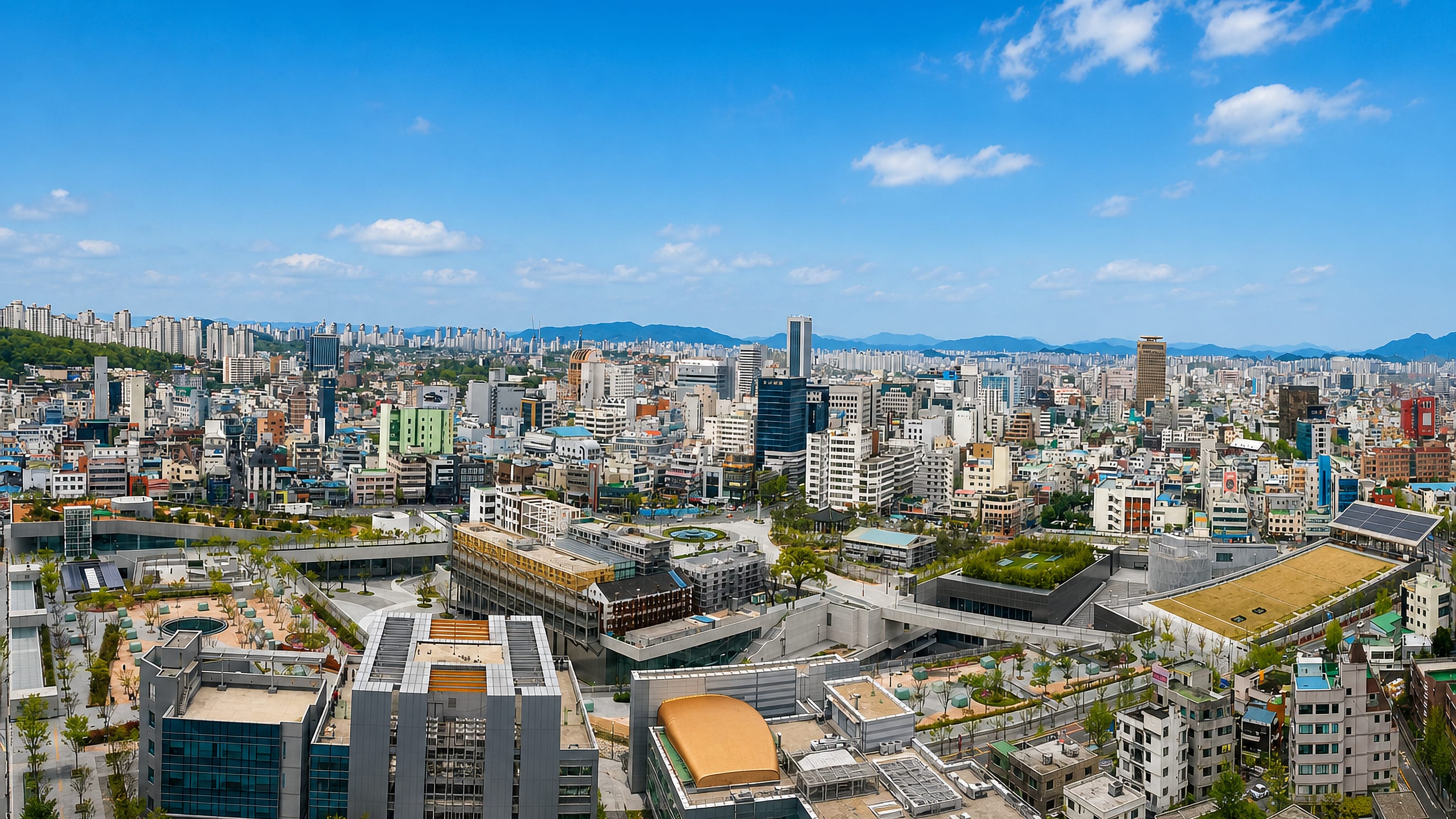
Gwangju sits under Mudeungsan in the south-west of South Korea, a district-scaled city of art, memory and mountain air.
Hotel links are affiliate links: booking through them may earn us a commission, at no extra cost to you. It never affects how places are ranked. How this works


Towns & cities in Gwangju
One town here has its own guide — it links to where to stay.

 South Korea
Gwangju
Gwangju is an arts-minded metropolitan city of South Jeolla in southwestern South Korea, home to the Asian Culture Center.Where to stay →
Hotel links are affiliate links: booking through them may earn us a commission, at no extra cost to you. It never affects how places are ranked. How this works
About Gwangju
What is Gwangju known for?
Gwangju is South Korea's city of art and democratic memory. The name stuck after May 1980. That was when a citizens' uprising against military rule was crushed here, and the place has carried the meaning ever since.
The Asia Culture Center now fills the former Provincial Office where the fighting ended, and every second year the Gwangju Biennale turns the city into one of Asia's leading stages for contemporary art. Above it all rises Mudeungsan, the flat-topped mountain that gives the city its eastern skyline.
Where is Gwangju?
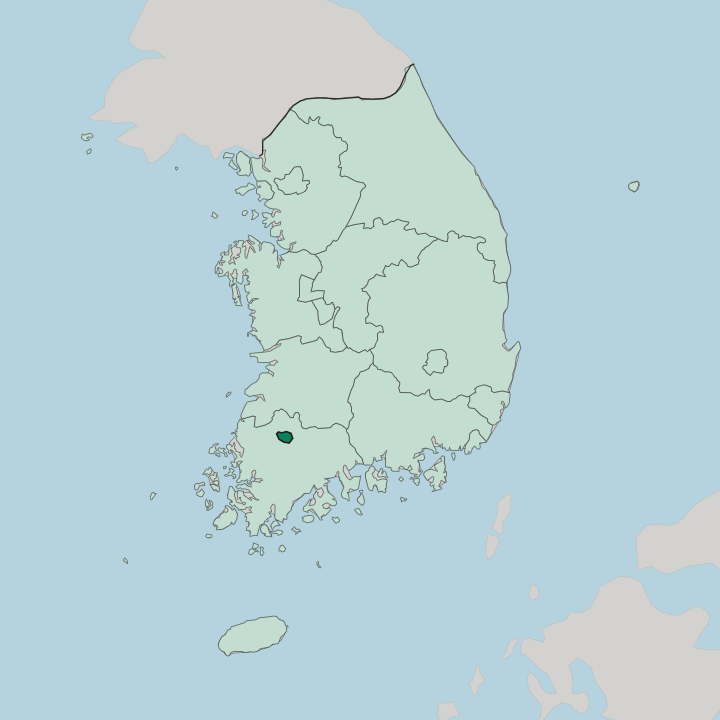
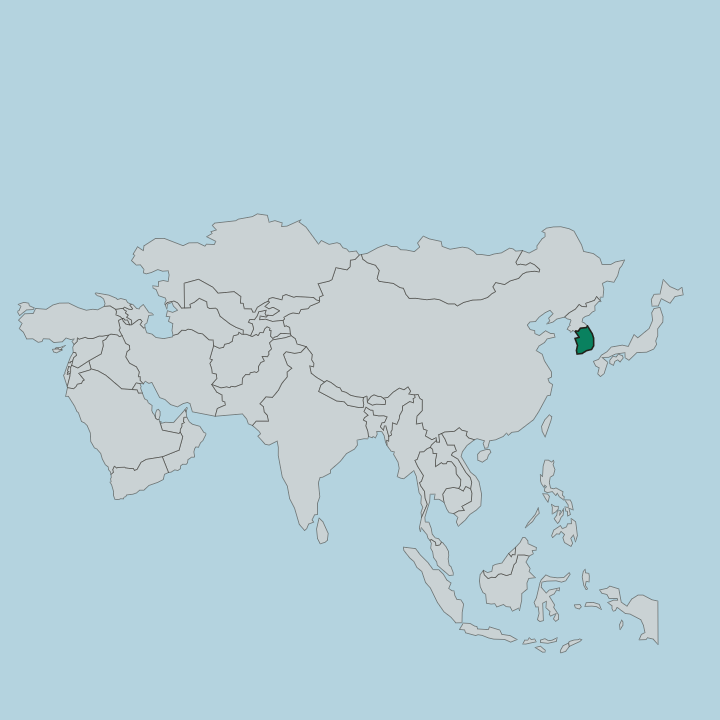
Gwangju lies in the south-west of South Korea, inland from the country's south coast on the Honam plain. The Yeongsan River drains the land around it. That river rises in the hills to the north, curls past the city on its western side, and runs south-west through Naju toward the Yellow Sea at Yeongam, watering the wide Naju plain along the way.
Mudeungsan closes the eastern horizon. The flat-topped granite mountain rises to 1,187 metres and spreads across Buk-gu before reaching into the counties of Damyang and Hwasun beyond the city line. Between mountain and river the ground opens into the basin that the city fills.
Five districts divide it. Dong-gu holds the old centre, Seo-gu and Gwangsan-gu spread west toward the rail line, and Nam-gu and Buk-gu take the south and north. South Jeolla Province wraps around Gwangju on every side, the farming country from which the city was carved. Seoul lies far to the north.
Reaching the capital means crossing most of the peninsula, and the fast train covers roughly 357 kilometres to do it.
What is Gwangju like?
Gwangju wears its 1980 uprising openly, and that memory shapes the whole feel of the place. It calls itself a city of light. It reads the word in its own name as brightness, and it has spent decades turning grief into culture rather than hiding it away.
The Asia Culture Center makes the point plainly. Built on the former Provincial Office where the uprising ended, it gathers galleries, theatres and archives into a single low complex beside the old downtown, a working monument rather than a sealed one. Every second year the Gwangju Biennale fills warehouses and halls across the districts with contemporary art from around the world, a festival founded in 1995 in the uprising's shadow.
Between the big institutions the ordinary culture is food and the mountain. The wider Jeolla country is famous across Korea for its cooking, and a spread of banchan side dishes arrives with almost any meal here. Chungjang-ro carries the fashion and the crowds downtown.
On weekends the trails up Mudeungsan fill with hikers. The language is Korean, spoken with the soft Jeolla accent of the south-west. Grief became art.
Appetite and remembrance run together in this city.
What is the history of Gwangju?
Gwangju grew as a trading and administrative seat for the surrounding Jeolla country long before the modern city took shape. A railway from Seoul reached it in 1914. That line brought textile mills and rice processing, and pulled the old market town into the industrial age.
May 1980 changed everything. The people of the city rose against the military coup, the army retook the streets by force, and hundreds were killed before the fighting ended. That uprising made Gwangju a symbol of Korea's long road to democracy.
In 1986 the city was cut out of South Jeolla Province to be governed in its own right.
What is the climate of Gwangju?
Gwangju has a humid subtropical climate with four sharp seasons. Summers are hot and heavy with rain. Most of the year's water falls in the monsoon and typhoon months of the warm season, when air off the southern sea piles moisture over the Yeongsan basin, while winters turn cold and dry under continental air from the north.
Spring and autumn are the mild, clear stretches that draw people onto the Mudeungsan trails. The mountain's upper slopes run several degrees colder than the city floor below.
How do you get to Gwangju?
Most travellers reach Gwangju by fast train. KTX services run down the Honam line from Seoul to Gwangju Songjeong in the western district of Gwangsan-gu, covering roughly 357 kilometres in under two hours. From that station the city subway and buses carry you into the old centre.
A small domestic airport sits beside the rail station for flights from Seoul and Jeju, though the train handles most of the traffic. Roads link Gwangju across South Jeolla Province and on to the rest of the peninsula.
Common questions
What is the best area to stay in Gwangju?
Dong-gu (downtown): walking to the May 1980 memorials and downtown art. Seo-gu (Sangmu): conventions and modern hotels near the memorial park. Gwangsan-gu (Songjeong): arriving or leaving by fast train to Seoul. Buk-gu (Mudeungsan foot): hiking trailheads and mountain air.
Good for
More regions in South Korea
Updated September 2026