Nigeria
Ebonyi State, Nigeria — Towns & Travel Guide
Ebonyi State is the rice-growing heart of south-eastern Nigeria, named for the Abonyi River and known as the Salt of the Nation.
Hotel links are affiliate links: booking through them may earn us a commission, at no extra cost to you. It never affects how places are ranked. How this works


Towns & cities in Ebonyi State
One town here has its own guide — it links to where to stay.
 Nigeria
Abakaliki
Abakaliki is the capital of Ebonyi State, an Igbo city standing at the crossways of the Enugu, Afikpo and Ogoja Roads.Where to stay →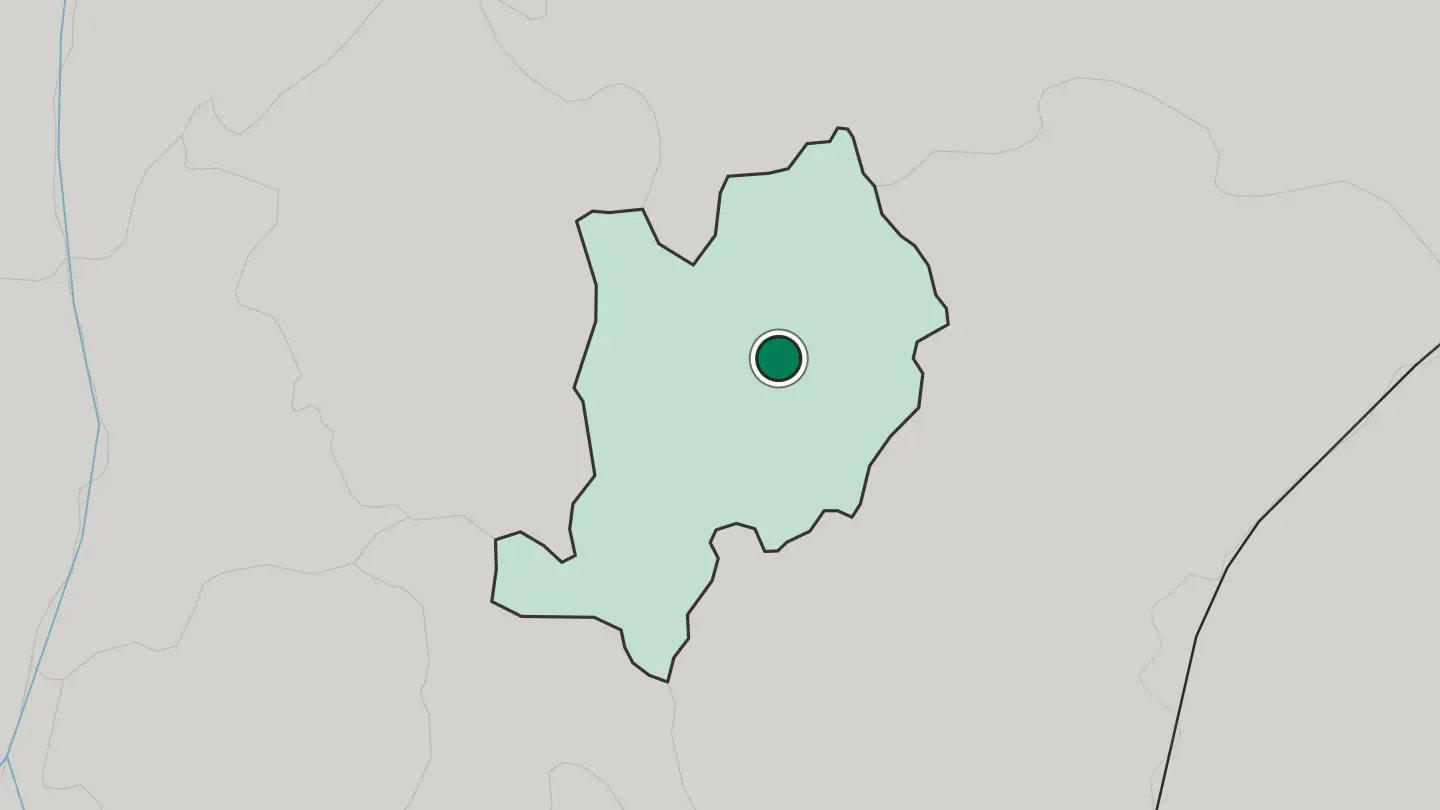
Hotel links are affiliate links: booking through them may earn us a commission, at no extra cost to you. It never affects how places are ranked. How this works
About Ebonyi State
Rice built its name.
What is Ebonyi State known for?
The paddies around Abakaliki and Ikwo turn out some of the most sought-after grain in Nigeria, milled and bagged under the Abakaliki label. Salt built the other name: the lakes at Okposi and Uburu have been boiled for their brine for generations, which is why the state calls itself the Salt of the Nation. Lead, zinc, and limestone come out of the quarries near the capital, and the Cross River drains the wetter forests in the south.
Where is Ebonyi State?
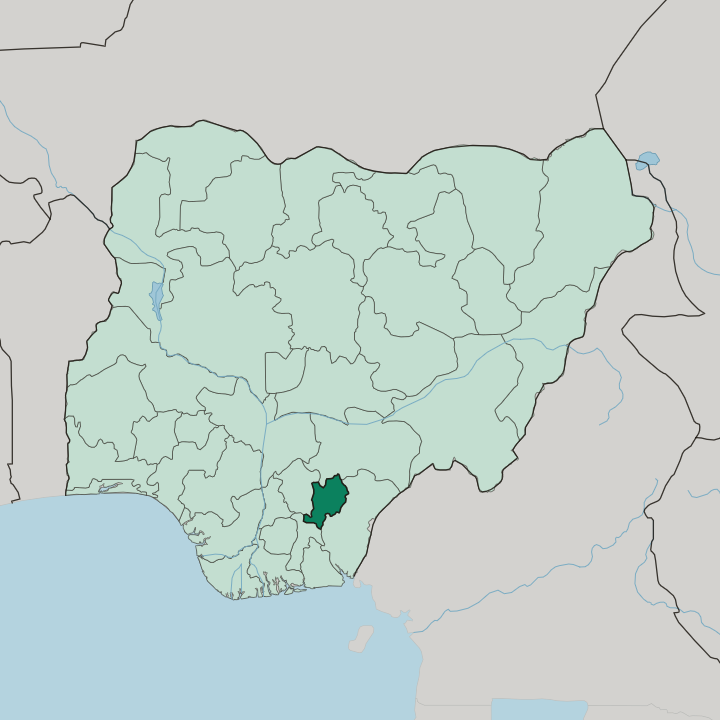
Ebonyi State sits inland in south-eastern Nigeria, a landlocked block of country with no coast of its own. It takes its name from the Abonyi River, whose course drains a large part of the southern half of the state. Benue State lies along the north and north-east, Enugu State along the west, Cross River State to the east and south-east, and Abia State at the south-western corner.
The Cross River itself runs down the eastern edge and through the far south, one of the great rivers of the region on its long way to the sea near Calabar. That river marks off the wetter country. The far south belongs to the Cross-Niger transition forests, thick and green; the rest of the state is the drier Guinean forest-savanna mosaic, open grass broken by trees.
Abakaliki stands roughly in the middle, the capital and the largest town. Afikpo lies well to the south, near where the Cross River bends. Ikwo, the rice floodplain, spreads east of the capital.
None of it is far from water. The Asu and Ebonyi rivers thread the interior, and the seasonal floods they bring are exactly what the paddies depend on. It is farming country first, shaped by rivers rather than by any coast.
What is Ebonyi State like?
This is Igbo country, and the culture runs through everything. The great majority here speak Igbo, in a spread of local dialects that includes the Izzi, Ezza, Ikwo, and Edda tongues, with the Afikpo variety strong in the south. The farming calendar sets the rhythm of the year.
When the yams are ready the New Yam Festival, Iri Ji, marks the harvest across the towns, and masquerade seasons bring out the carved and costumed mmanwu of village tradition. Craft is a living trade, not a museum piece. Pottery, weaving, and basketry are worked in particular towns, with Ntezi long known for its baskets.
Salt sits at the centre of the state's idea of itself. The brine lakes at Uburu and Okposi were tapped for salt long before Ebonyi State was drawn on any map, and the nickname Salt of the Nation grew straight out of that trade. Food follows the land.
Rice from the local paddies, yam, cassava, and the oil-palm run through the everyday cooking, and market days at places like the old Eke Imoha at Onueke still order the week. It is a culture rooted in soil and river, agrarian to the core, and proud of it.
What is the history of Ebonyi State?
The state is young. It was created in 1996 under the Abacha government, carved from the old Abakaliki division of Enugu State and the old Afikpo division of what was then Abia State, with Abakaliki made its capital. The land is far older than the border.
Its Igbo communities farmed, traded, and boiled salt here for centuries before any state line was drawn, and the agitation for a state of their own was what finally put Abakaliki at the head of one. A new name on very old ground.
What is the climate of Ebonyi State?
Ebonyi's calendar falls into two clear halves. A long rainy season runs about eight months and lays down heavy rain, feeding the Abonyi and the paddies of Ikwo, before a shorter dry season takes over for roughly four. It stays hot throughout, hotter and dustier in the dry months when the harmattan drifts down from the north, milder and green once the rains return.
The southern forests near the Cross River hold more moisture than the open savanna country further north. Travel is easiest in the drier stretch, when the farm roads harden.
How do you get to Ebonyi State?
Most travellers come in through Enugu. Akanu Ibiam International Airport in Enugu is the nearest air gateway, and Abakaliki sits about 64 kilometres to its south-east along the Enugu Road. From the capital the roads fan out to the rest of the state, meeting there with the Afikpo Road running south toward the Cross River and the Ogoja Road heading east.
There is no coast and no ferry; everything arrives overland. Drive in from Enugu, then spread out by road.
Common questions
What is the best area to stay in Ebonyi State?
Abakaliki: the rice-mill capital and the state's road hub. Afikpo: the Cross River south and Ehugbo tradition. Ikwo: seeing the rice paddies at close range. Uburu and Okposi: the salt lakes that gave the state its nickname.
Good for
More regions in Nigeria
Updated September 2026