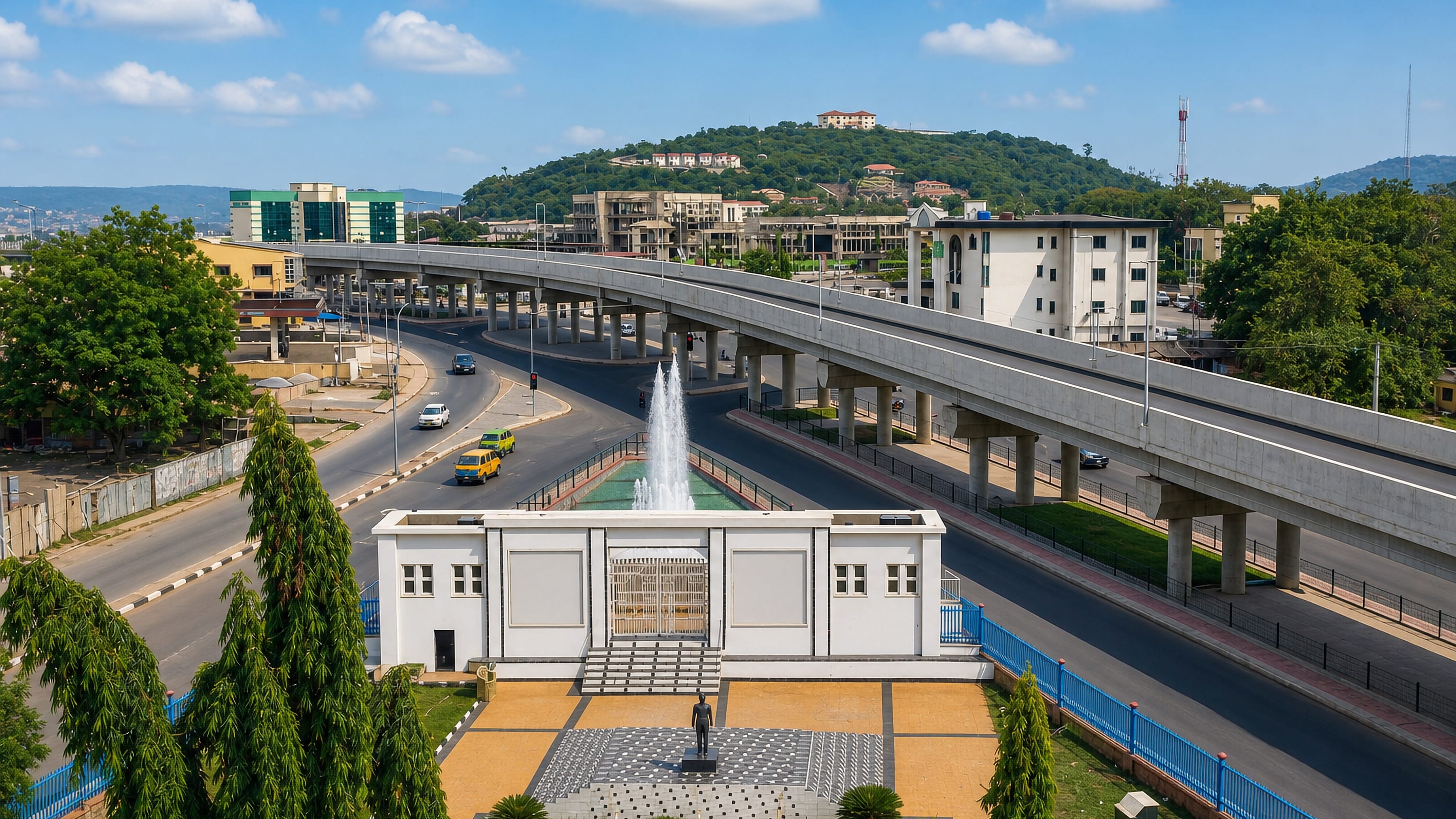
Nigeria
Ekiti State, Nigeria — Towns & Travel Guide
Ekiti State is the hill country of south-western Nigeria, an upland of dome rocks and forest with Ado-Ekiti at its centre.
Hotel links are affiliate links: booking through them may earn us a commission, at no extra cost to you. It never affects how places are ranked. How this works


Towns & cities in Ekiti State
One town here has its own guide — it links to where to stay.

 Nigeria
Ado-Ekiti
Ado-Ekiti, capital of Ekiti State in Nigeria, stands on the Ulesun ground that Ewi Awamaro reached after leaving Ile-Ife.Where to stay →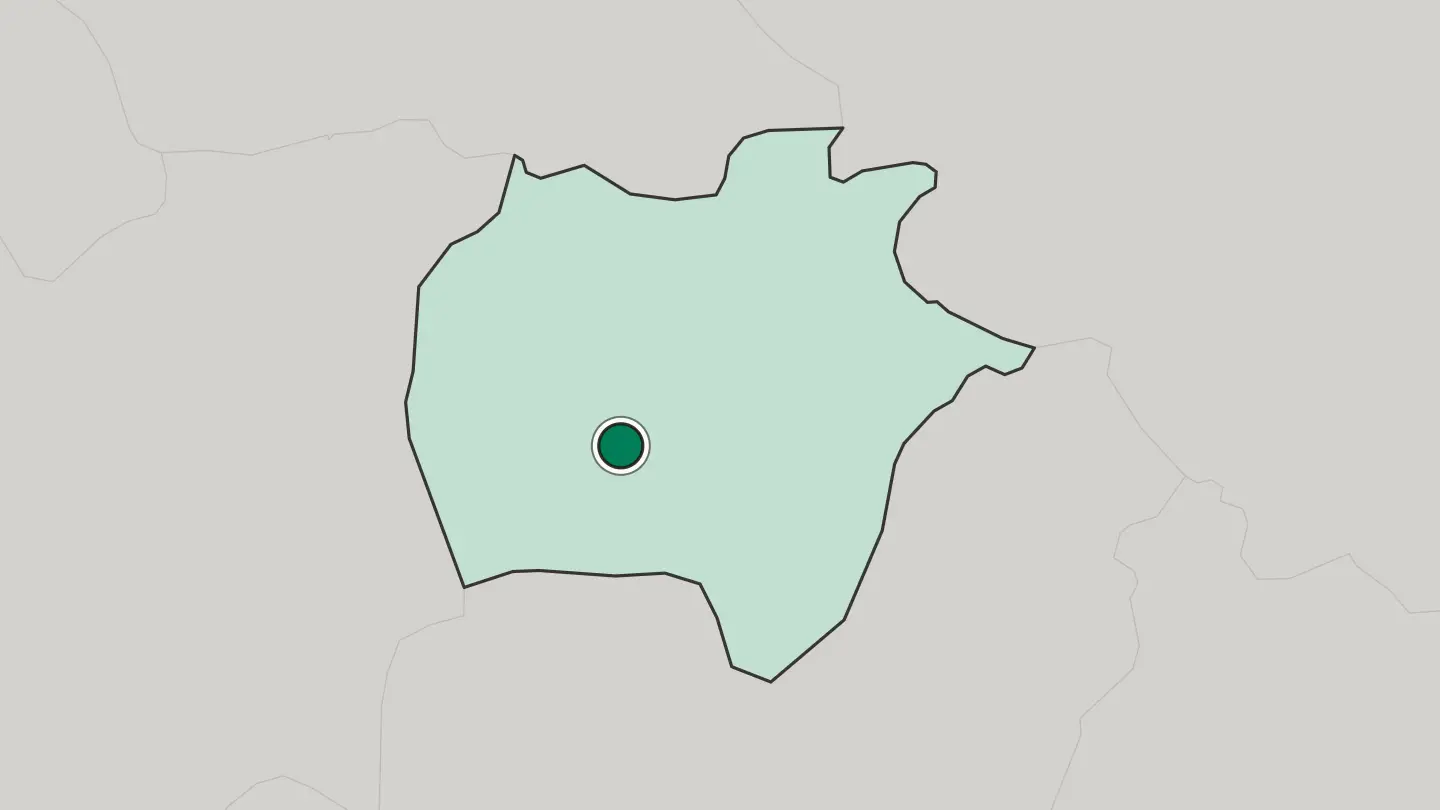
Hotel links are affiliate links: booking through them may earn us a commission, at no extra cost to you. It never affects how places are ranked. How this works
About Ekiti State
Ekiti is named for its hills.
What is Ekiti State known for?
The word comes from the Yoruba for a land of hills, and the state answers to it: steep-sided dome rocks break the upland plain at Ikere-Ekiti, Efon-Alaaye and Okemesi-Ekiti. Its best-known draw is the Ikogosi Warm Springs, where a warm stream and a cold one run side by side before they meet. Ado-Ekiti, the capital, is the working heart of the state and the town most visitors pass through.
The state carries a scholarly reputation across Nigeria, home to several universities and a long line of professors.
Where is Ekiti State?
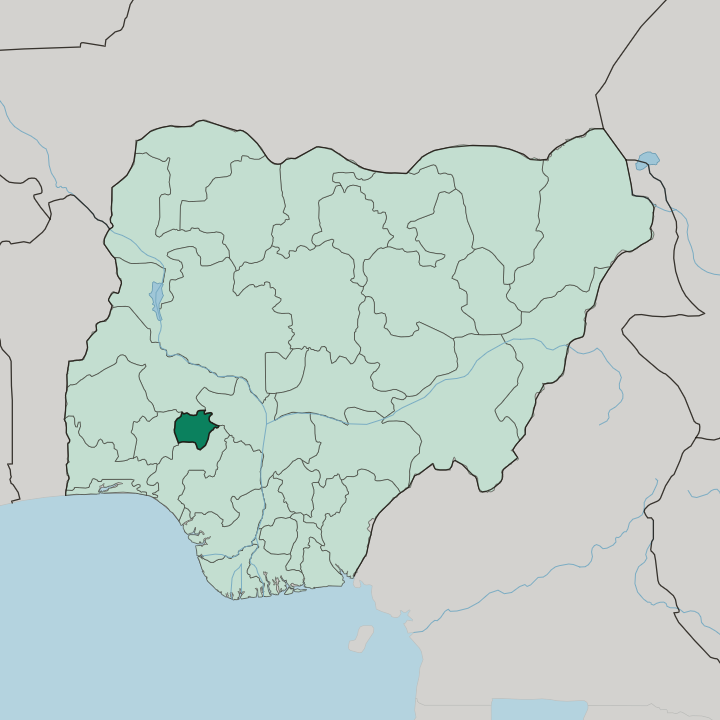
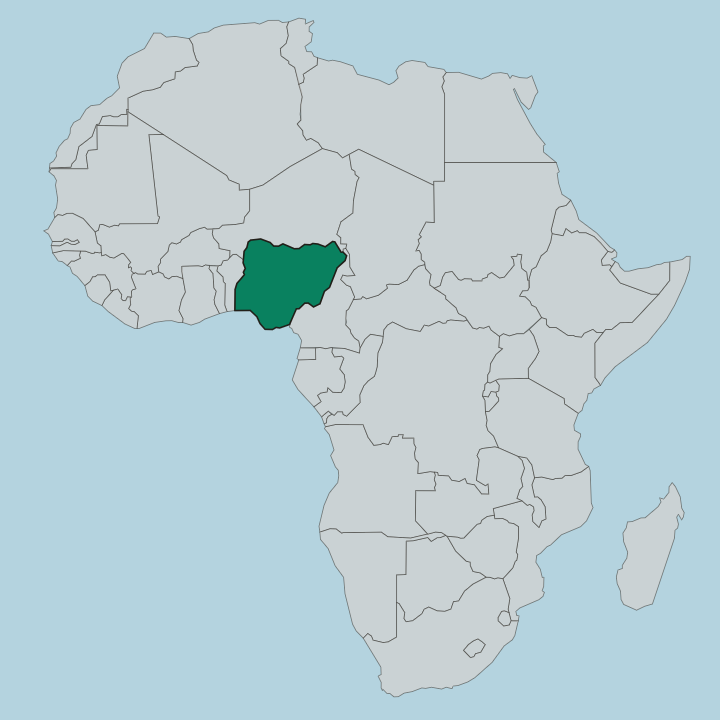
Ekiti sits inland in south-western Nigeria, an upland state with no coast and no border on the sea. It is one of the smaller states of the federation by area. Osun State lies to the west and Ondo State wraps around the south and south-east, while Kwara State meets it in the north and Kogi State in the north-east. The land itself is the defining fact.
Most of the state rises above 250 metres, a rhythmically undulating surface of old plains broken by steep-sided dome rocks that stand alone or cluster into ridges. The best-known of these outcrops rise at Efon-Alaaye, Ikere-Ekiti and Okemesi-Ekiti, bare grey granite lifting straight out of the farmland. Rivers drain the hills in every direction.
The Ero, the Osun, the Ose and the Ogbese all rise or run through Ekiti, feeding the streams that thread the valleys between the outcrops. Vegetation shifts as the land does. The south and centre keep the moist lowland forest of the Nigerian rainforest belt, while the drier north grades into the savanna mosaic that opens toward the middle of the country.
That upland, forest-to-savanna setting is the whole character of the place.
What is Ekiti State like?
The Ekiti are a Yoruba people, and the state is one of the most homogeneously Yoruba in Nigeria. They speak Ekiti, a distinct cluster of dialects within the Yoruba language, and their oral history traces the founding lineages back to Ile-Ife, the cradle city of the Yoruba world. Kingship still orders the map.
The old country was a patchwork of separate towns, each under its own Oba, and those crowned rulers remain the ceremonial anchors of their towns to this day. Festivals mark the calendar. The Olosunta festival at Ikere-Ekiti climbs the sacred hill of the same name, and yam and Ogun rites elsewhere tie the farming year to the towns' founding stories.
Learning is part of the self-image too. Ekiti prizes education strongly and points to its universities and its unusual density of professors as a matter of local pride. Christianity is the majority faith, with a Muslim minority and older Yoruba traditions still kept alongside both.
The result is a Yoruba interior that feels rooted rather than passing-through.
What is the history of Ekiti State?
Ekiti is a young state on old ground. As a unit of the Nigerian federation it dates only to 1996, carved out of the northern part of the former Ondo State. The people are far older.
Long before the boundary was drawn, the Ekiti lived as a cluster of independent Yoruba kingdoms, each town under its own Oba and bound to the others by a shared descent from Ile-Ife. Those towns fought and traded through the wars that swept Yorubaland in the nineteenth century before British rule folded them into a single colony. The 1996 line simply gave that old Ekiti country a name of its own.
What is the climate of Ekiti State?
Ekiti runs on two seasons. The rains fall from about April to October, and the drier months hold from November to March, when the dusty harmattan wind blows down off the interior. Days stay warm and humid through the year, without the sharp swings of a temperate climate.
The upland setting takes a little of the edge off the heat, and the hills around Ikogosi and Efon-Alaaye keep their green well into the dry season. Rain, not cold, is what shapes the calendar here.
How do you get to Ekiti State?
Ekiti has no airport of its own. The nearest is Akure Airport, just over the southern border in neighbouring Ondo State, a road run of roughly an hour into Ado-Ekiti. Travellers coming from further afield fly into Lagos and drive up, a longer haul of several hours across south-western Nigeria.
Inside the state everything moves by road, with Ado-Ekiti the hub the highways radiate from toward Ikere-Ekiti, Ikogosi and the rest.
Common questions
What is the best area to stay in Ekiti State?
Ado-Ekiti: a first stop in Ekiti State. Ikogosi: the Ikogosi Warm Springs. Ikere-Ekiti: the Olosunta and Orole hills.
More regions in Nigeria
Updated September 2026