Poland · Greater Poland Voivodeship · Poznań
Junikowo, Poznań — Area Guide & Where to Stay
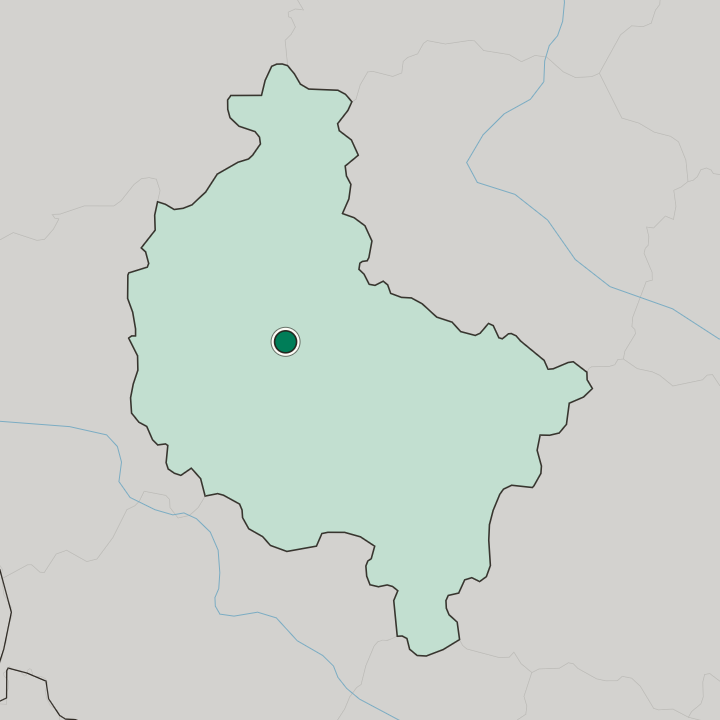
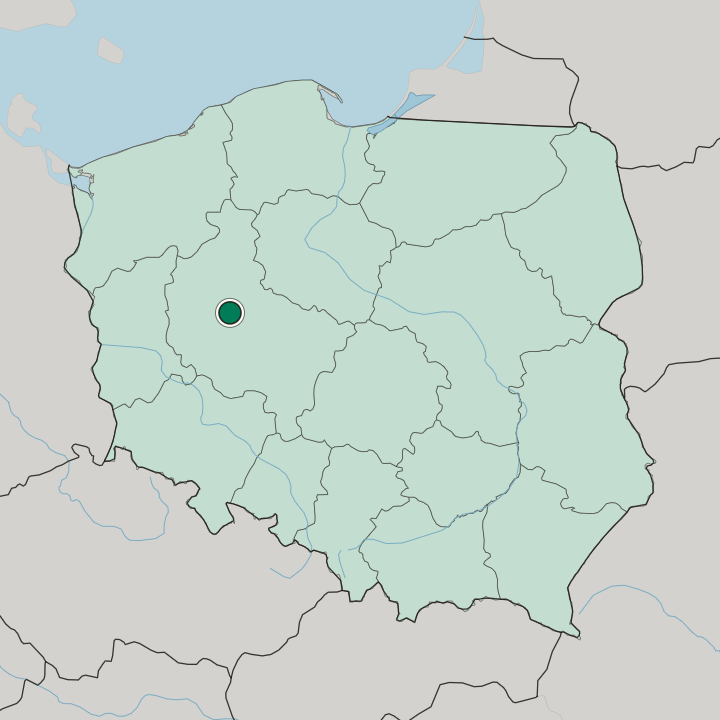
Pine and birch fill the cemetery at Junikowo, a district on Poznań's western edge grown from one-hectare plots carved out of a manor farm in 1906.
Hotel links are affiliate links: booking through them may earn us a commission, at no extra cost to you. It never affects how places are ranked. How this works


Where to stay in Junikowo
The practical side of choosing where to sleep.
Junikowo is a district of single-family houses, and it keeps almost none of Poznań's beds. Two tram loops and a bus loop end inside it, at Budziszyńska, Junikowo, and Junikowo PKM, so every ride into the centre along ulica Grunwaldzka starts from an empty carriage. Budziszyńska is a Lusatian street name.
Stay here if you have business at the Sąd Rejonowy Poznań-Grunwald i Jeżyce or a grave to tend at Cmentarz Junikowo. For a room near the trade-fair halls, look east to Łazarz.
Things to do in and around Poznań
Ranked by global recognition; descriptions from Wikidata (CC0).
Churches & Religious Sites
3- Saints Martin and Vincent church in Skórzewo Heritage
- Church of the Holy Family in Poznań
- Saint Andrew Bobola church in Poznań
Castles & Historic Sites
3- Pomnik Zdobywców Lotniska Ławica
- Pomnik Józefa Piłsudskiego w Ławicy pod Poznaniem
- Pomnik Stanisława Staszica w Poznaniu
worth knowingacross 2 categories in and around Poznań
About Junikowo
What are the main landmarks in Junikowo?
Cmentarz Junikowo opened in 1948 on a former military training ground, and pine and birch went into its sandy soil from the first planting season. Kościół św. Andrzeja Boboli stands at ulica Junikowska 48, a modernist church by Aleksander Holas consecrated on 16 November 1988, with a granite monument beside it naming seven local people killed for resisting the German occupation.
Kościół NMP z La Salette is octagonal. Jan Dudek-Kornecki drew it for ulica Ścinawska, and Stanisław Gądecki laid the cornerstone in 2004. Park ks.
Feliksa Michalskiego, a former manor park off ulica Grunwaldzka, was named in 2014.
What is the history of Junikowo?
Junikowo belonged to the Poznań cathedral chapter until Prussia confiscated the estate in 1796. Prussia called it Lenzingen. The colonization commission bought the manor farm in 1906, cut its fifty-eight hectares into one-hectare plots, and allotted most to German officials, for whom a railway halt was opened.
Three parts grew apart: Stara Wieś on ulica Junikowska, the Kolonia on ulica Krośnieńska, and an estate at ulica Grunwaldzka. An imposed Bürgermeister replaced the last sołtys in 1939, and Junikowo passed to Poznań in 1940. A crowd stormed the militia post on 28 June 1956 and carried nineteen firearms away.
Good for
More areas in Poznań
Updated October 2026