Poland · Greater Poland Voivodeship · Poznań
Pogodno, Poznań — Area Guide & Where to Stay
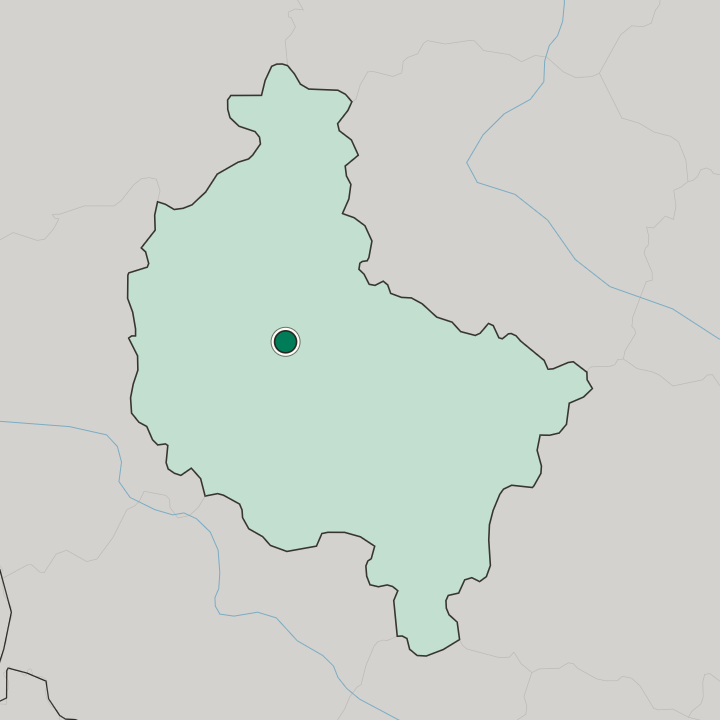
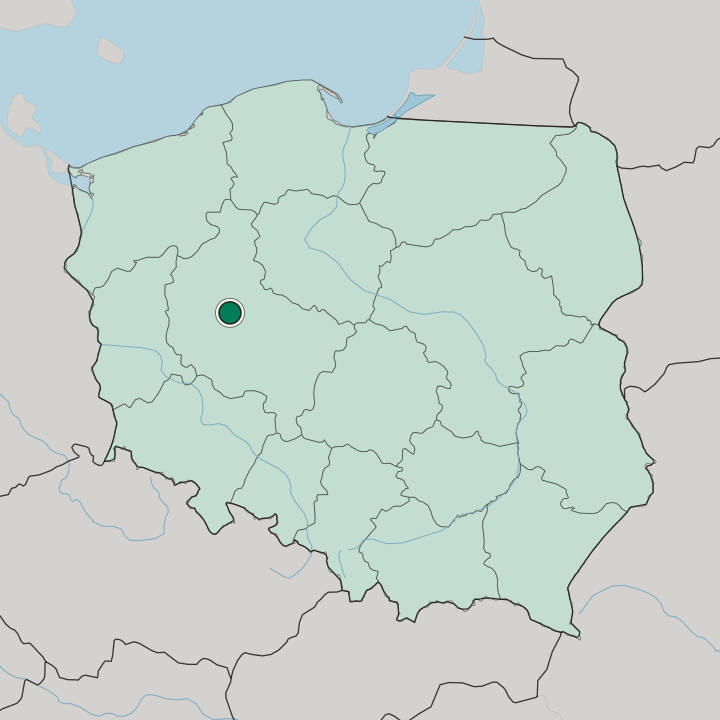
Pogodno is a small quarter of Poznań between ulica Grunwaldzka and ulica Macieja Palacza, holding the Adam Mickiewicz University observatory.
Hotel links are affiliate links: booking through them may earn us a commission, at no extra cost to you. It never affects how places are ranked. How this works


Where to stay in Pogodno
Where the beds are, and what that means for the visit.
Pogodno holds houses and university land rather than hotel doors, since the grid off ulica Słoneczna and ulica Księżycowa was laid out to be lived in. Trams have worked ulica Grunwaldzka since 1902. Beds cluster east around Łazarz and the Międzynarodowe Targi Poznańskie halls, a straight ride down that line.
Sleep here if you want Park Jana Heweliusza and the observatory dome on a morning walk rather than a fair-hall lobby.
Things to do in and around Poznań
Ranked by global recognition; descriptions from Wikidata (CC0).
Museums & Galleries
3- Fort VII concentration camp
- Muzeum Martyrologii Wielkopolan
- Public transport museum in Poznań
Churches & Religious Sites
3- Kościół Matki Boskiej Bolesnej w Poznaniu Heritage
- Kościół św. Anny w Poznaniu Heritage
- Saint Michael Archangel church in Poznań Heritage
Castles & Historic Sites
1- Pomnik Woodrowa Wilsona w Poznaniu
Nature & Outdoors
1- Wilson Park in Poznań Heritage
Parks & Gardens
1- Botanical garden in Poznań Heritage
worth knowingacross 5 categories in and around Poznań
About Pogodno
What are the main landmarks in Pogodno?
The Adam Mickiewicz University observatory keeps the Palacz manor on ulica Słoneczna, a house of about 1880 raised for a farming family whose tower was heightened in the early twenties to carry a dome. Kościół św. Jana Kantego closes the northern edge at Grunwaldzka 86, a three-nave church faced in untinted clinker brick with a concrete bell tower at its north-west corner.
Jan Węcławski drew it. Park Jana Heweliusza covers four hectares of orbit-shaped paths, an analemmatic sundial and a plaza laid out as the solar system.
What is the history of Pogodno?
Maciej Palacz farmed at Górczyn and sat for the Polish circle in the Prussian parliament, and the city council gave his name in 1920 to the street that closes Pogodno on two sides. The university took the Palacz manor for an observatory, and Bohdan Zaleski assumed its direction on 15 January 1922. From 1942 Nazi Germany put up more than forty barracks near ulica Grunwaldzka, each hut named for a German city, and the wooden settlement was later called Gospoda Targowa.
The NKVD held prisoners there through 1945. Students slept in the huts for decades, and demolition began in 2007.
Where is Pogodno?
Pogodno fills a wedge of Poznań south of ulica Grunwaldzka, with ulica Macieja Palacza bending round its west and south. Raszyn lies across it.
Good for
More areas in Poznań
Updated October 2026