Poland · Greater Poland Voivodeship · Poznań
Stare Miasto, Poznań — Area Guide & Where to Stay
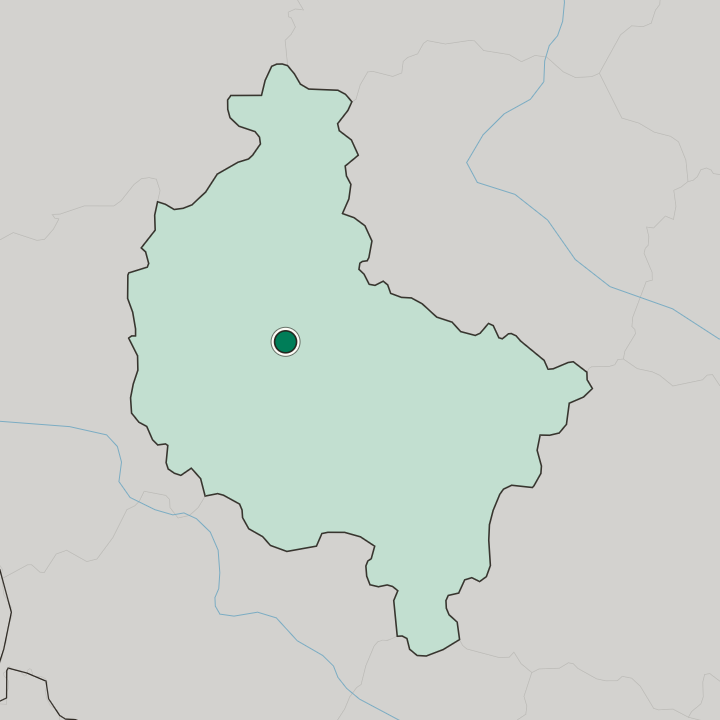
Stare Miasto is the largest district of Poznań, running from Stary Rynek north past Park Cytadela to the meteorite craters at Morasko.
Hotel links are affiliate links: booking through them may earn us a commission, at no extra cost to you. It never affects how places are ranked. How this works


Where to stay in Stare Miasto
Where visitors usually base themselves, and why.
Rooms cluster at the Stary Rynek end. The southern half of Stare Miasto is Poznań's centre, so hotels line Święty Marcin and the streets off the Old Town square, with the early twentieth-century Dzielnica Cesarska a few minutes west. North of the Cytadela the district turns residential, and Winogrady and Piątkowo are concrete-panel estates rather than places to sleep.
Poznań Garbary station sits between them. The Pestka fast tram runs out to Osiedle Sobieskiego, which is worth a bed only if the Morasko campus or the meteorite reserve is why you came.
Things to do in and around Poznań
Ranked by global recognition; descriptions from Wikidata (CC0).
Museums & Galleries
1- UAM lapidarium in Poznań
Churches & Religious Sites
3- Kościół św. Stanisława Kostki w Poznaniu Heritage
- Kościół św. Jana Bosko w Poznaniu
- Saint Stanislaus of Szczepanów church in Poznań
Castles & Historic Sites
3- Nierozpoznani
- Pomnik Mikołaja Kopernika w Poznaniu
- Sculpture of Yuri Gagarin in Poznań
Landmarks & Notable Places
1- Piątkowo transmitter
worth knowingacross 4 categories in and around Poznań
About Stare Miasto
What are the main landmarks in Stare Miasto?
Stary Rynek anchors the southern end, the Renaissance Ratusz standing on the square itself, with the Old Town grid laid out on Magdeburg law in 1253 still legible around it. Park Cytadela fills the ground north. Poznań's largest park went up between 1963 and 1970 over Fort Winiary, once Europe's largest artillery fort, and holds the Muzeum Uzbrojenia along with Nierozpoznani, the 112 cast-iron figures Magdalena Abakanowicz set out on the grass in 2002.
The Piątkowo transmitter marks the north. Chwaliszewo keeps the old riverside frontage on the eastern side of the centre.
What is the history of Stare Miasto?
Poznań was the walled town alone until 1797, when Prussian rule pushed the border west over Święty Marcin and Święty Wojciech, and Chwaliszewo followed in the eastward extension of 1800. The walls came down early in the nineteenth century. Fort Winiary went up between 1828 and 1842 as the core of Festung Posen, whose left-bank works all lie inside the modern district.
Growth then went north. Winogrady and the Cytadela joined the city in 1925, Naramowice under Nazi occupation in the 1940s, Piątkowo in the 1970s, and Morasko, Radojewo and Umultowo in 1987.
Good for
More areas in Poznań
Updated October 2026