Spain
La Rioja, Spain — Towns & Travel Guide
La Rioja is Spain's smallest mainland region, a strip of the Ebro valley whose Tempranillo vineyards made Rioja wine famous worldwide.
Hotel links are affiliate links: booking through them may earn us a commission, at no extra cost to you. It never affects how places are ranked. How this works


Towns & cities in La Rioja
One town here has its own guide — it links to where to stay.

 Spain
Spain
Logroño
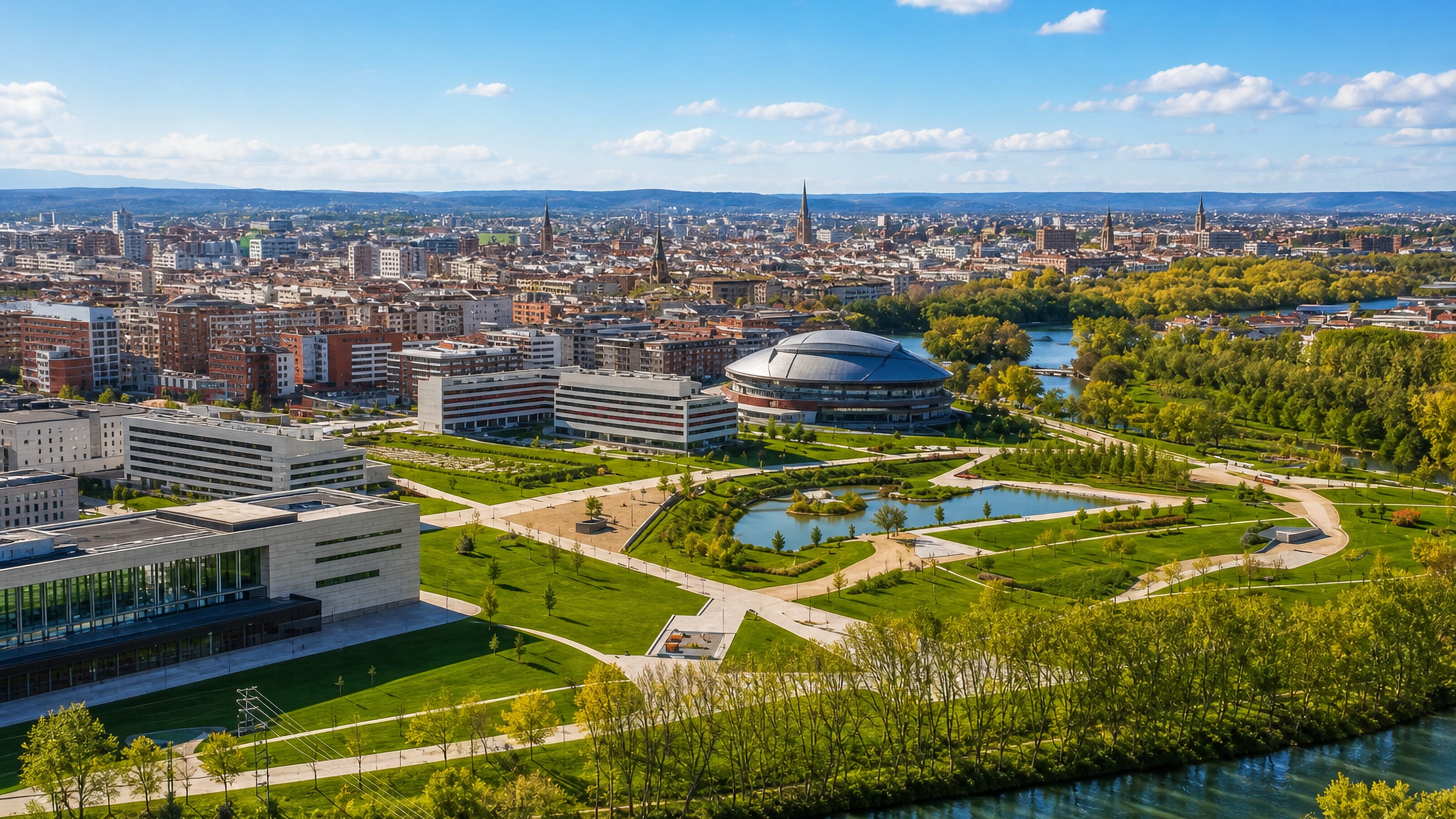
Vineyards run to the edge of Logroño on the Ebro, capital of La Rioja, known for the bars of Calle Laurel and the twin towers of La Redonda.Where to stay →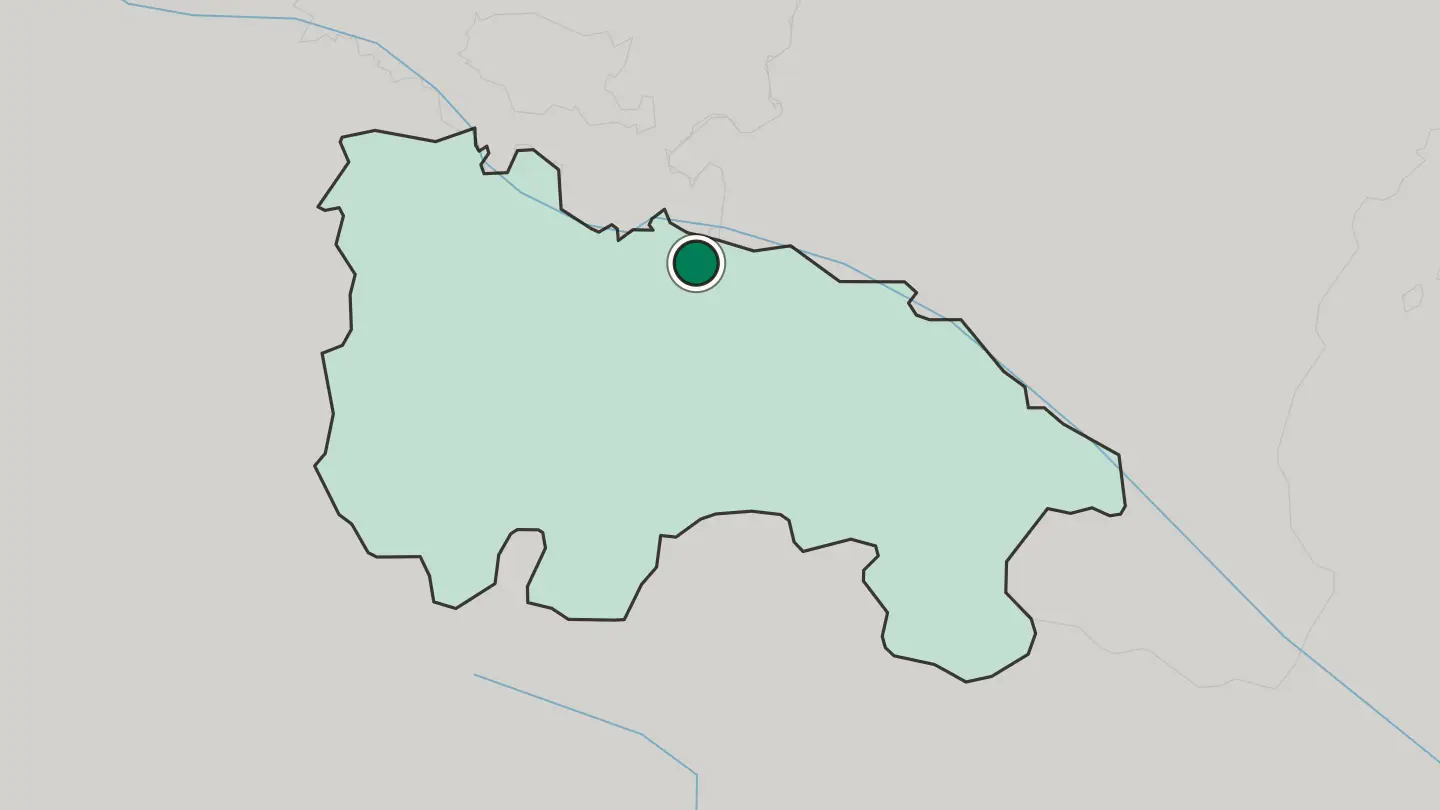
Hotel links are affiliate links: booking through them may earn us a commission, at no extra cost to you. It never affects how places are ranked. How this works
About La Rioja
Wine defines it.
What is La Rioja known for?
The Rioja denomination is Spain's most celebrated red, aged in oak inside the cellars around Haro and the surrounding Rioja Alta. The Ebro cuts the region in two, and along its banks the town of Haro fills each June for a wine battle that soaks the crowd purple. Beyond the vineyards, the monasteries at San Millán de la Cogolla guard the manuscript margins where written Castilian first appears.
Logroño, the capital, anchors the whole strip and feeds pilgrims walking the Camino toward Santiago.
Where is La Rioja?
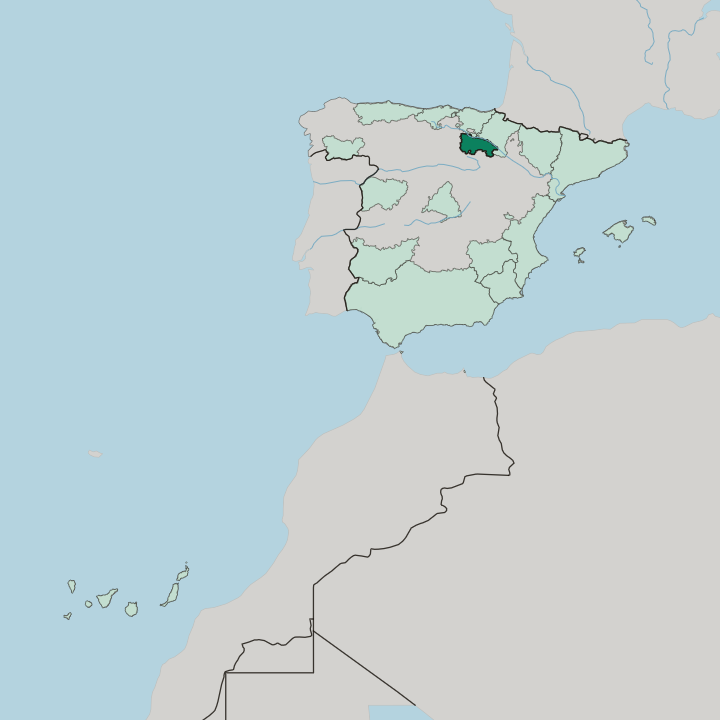
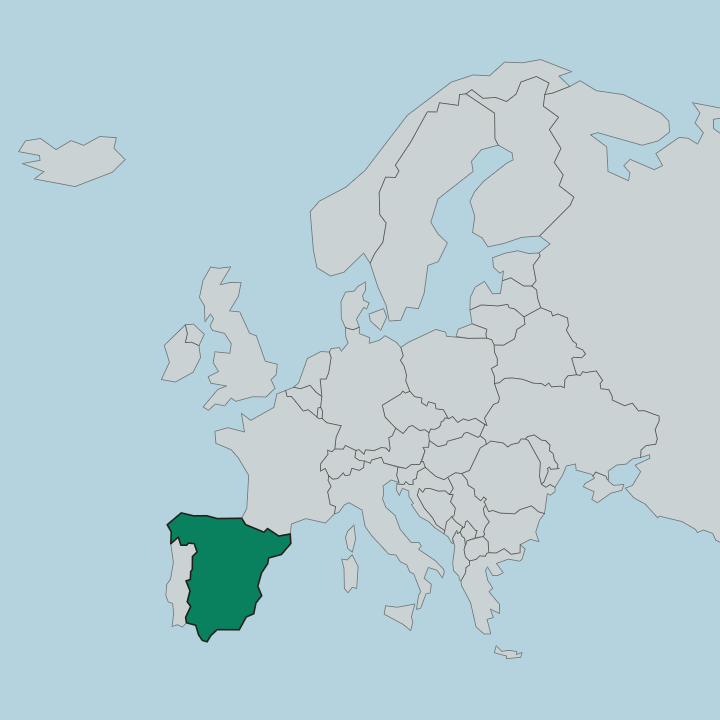
La Rioja lies in northern Spain, a wedge of the upper Ebro valley on the southern edge of the Basque Country and Navarre. It is the least populous region on the mainland. The Ebro forms much of its northern boundary, running west to east across the province before turning toward the Mediterranean, and every one of the seven small tributaries that feed it carves a valley climbing south into the hills.
Those southern hills are the Iberian System, rising steadily away from the river until they reach the Sierra de la Demanda, where Monte San Lorenzo tops out above two thousand metres. The name itself comes from the Oja, one of those tributary streams. Basque Country sits to the north across the Ebro.
Navarre wraps the north-east, Aragón meets it in the south-east, and Castile and León hold the long western and southern flank toward Burgos and Soria. Vineyards cover the valley floor. The mountains behind them stay green and wooded, and the drop from riverbank to ridge is what gives the region both its warm wine country and its cool upland walking.
It is small enough to cross in an afternoon.
What is La Rioja like?
Life here turns on the vine and the table. The harvest sets the calendar, and the bodega is as much a social institution as the church, with families tied to the same cellars for generations. Logroño's Calle Laurel distils the whole culture into a single lane: dozens of bars, each known for one pincho and a glass of the local red, worked through on foot in an evening.
Food is regional and unfussy. Lamb chops grilled over vine cuttings, roasted red peppers, and the white asparagus of the Ebro valley all belong to the table here. The other current running through La Rioja is the Camino.
Pilgrims have crossed it for a thousand years on the way to Santiago, and the towns along the route still shape their streets around the walkers who pass through. At San Millán de la Cogolla the monks of Suso and Yuso left something rarer still. In the margins of a Latin codex, a tenth-century scribe wrote the first known words of Castilian Spanish, which is why Riojans call their region the cradle of the language.
Spanish is spoken throughout. That mix of wine, pilgrimage, and language gives a small province an outsized sense of itself.
What is the history of La Rioja?
Nájera made this land matter. From the tenth century the town served as capital of the Kingdom of Nájera, a Christian realm that later merged into the Kingdom of Pamplona and Navarre and became a cradle of the crowns of Aragón and Castile. Border wars pulled the Ebro frontier back and forth between those kingdoms for centuries.
At the monasteries of San Millán de la Cogolla, scribes copied and annotated Latin manuscripts, and one of them wrote the earliest surviving Castilian. La Rioja stayed a province of Castile for the long centuries after, and only in 1982 was it constituted as an autonomous community in its own right.
What is the climate of La Rioja?
The Ebro valley sets the weather. Along the river the climate turns Mediterranean, with warm dry summers and mild winters that ripen the Tempranillo of the Rioja Alta. Climb south into the Iberian System and it shifts to something cooler and more continental, wetter on the high slopes of the Sierra de la Demanda where snow lingers into spring.
Summers are the peak, drawing walkers to the sierra and visitors to the vineyards at harvest. The seasons split cleanly between warm valley floor and cold green upland.
How do you get to La Rioja?
Most visitors come through Bilbao. La Rioja's own airport at Logroño runs only a domestic hop from Madrid, so the international gateways are Bilbao to the north and Zaragoza to the south-east, each a drive of a couple of hours. Trains run down from Bilbao to Haro and on to Logroño along the Ebro.
Once here, a car makes the vineyards and mountain villages easy, and many arrive on foot: the French Way of the Camino de Santiago threads straight through Logroño and Nájera.
Common questions
What is the best area to stay in La Rioja?
Logroño: a first base in Rioja wine country. Haro: cellar visits in Rioja Alta. Nájera: a Camino stop with royal tombs. San Millán de la Cogolla: the birthplace of the Spanish language.
Good for
More regions in Spain
Updated September 2026