United Kingdom · England
Where to Stay in Lowestoft, England
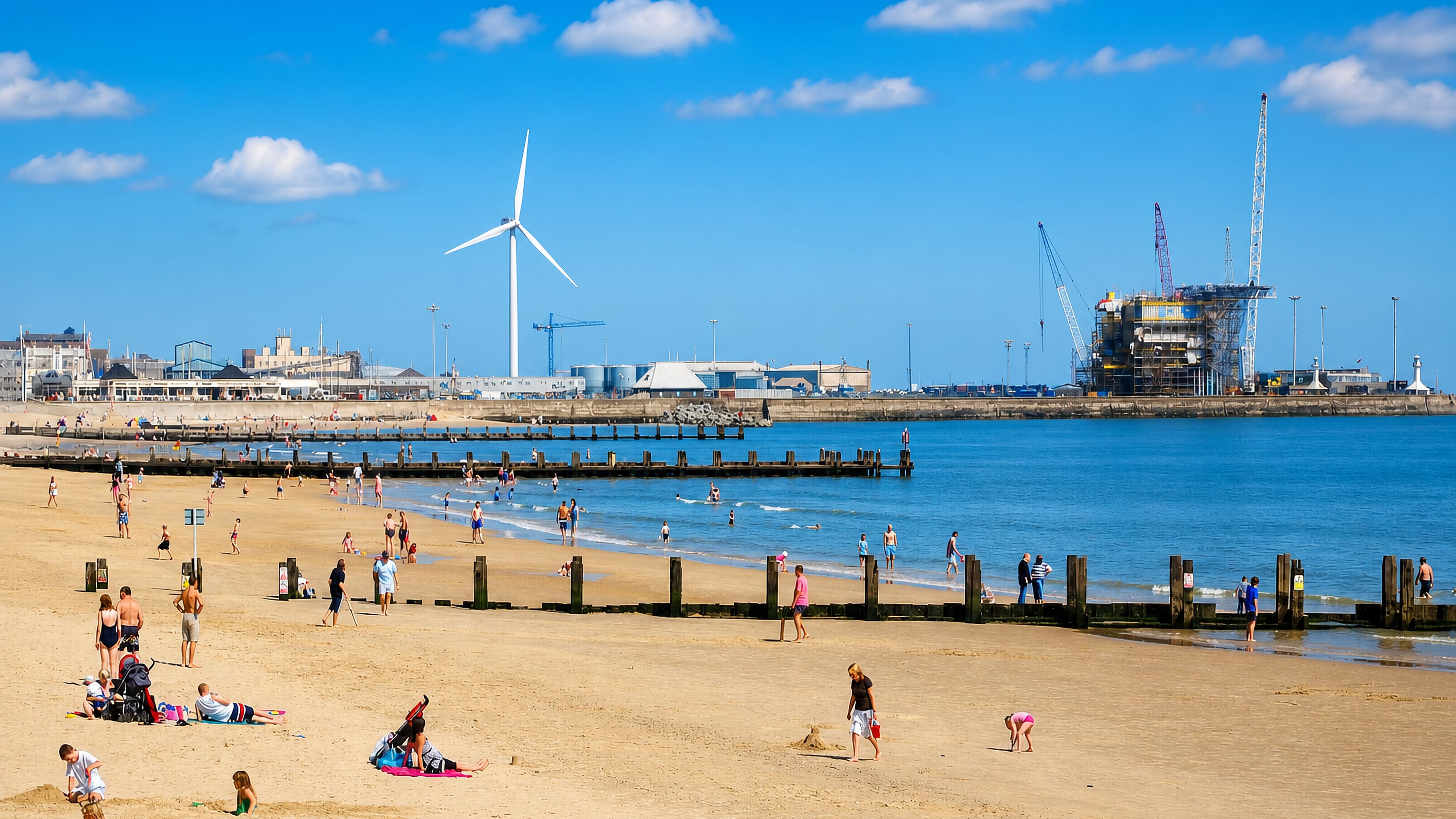
Lowestoft is a coastal town in Suffolk, the most easterly settlement in the United Kingdom, with wide sandy beaches on the North Sea.
Hotel links are affiliate links: booking through them may earn us a commission, at no extra cost to you. It never affects how places are ranked. How this works



Where to stay in Lowestoft
Each area has its own feel; here's who each one suits.

 LowestoftUnited Kingdom
Normanston
Normanston is a district of Lowestoft, its streets gathered around St Margaret's Church and the brick front of the old Manor House.Where to stay → LowestoftUnited Kingdom
Kirkley
Kirkley is an area of Lowestoft in Suffolk, south of the town centre and Lake Lothing, and once a village in its own right.Where to stay →Hotel links are affiliate links: booking through them may earn us a commission, at no extra cost to you. It never affects how places are ranked. How this works
Find hotels in Lowestoft
Direct booking searches for these neighbourhoods.
The seafront
Lowestoft Maritime Museum and Mincarlo keep the maritime record within reach of the beach along this stretch.Find hotels in The seafrontVisitors drawn to Lowestoft Museum and the old frontages of High StreetHigh Street
Arnold House, St Margarets House and Manor House give this quarter its older buildings, with the beach a short walk on.Find hotels in High StreetFamilies basing themselves near Pleasurewood HillsPleasurewood Hills
Cannonball Express and Wipeout put the amusement side of Lowestoft on this edge of the built-up area, away from the harbour museums. Lodging is scarce in this area; reserve in advance.Find hotels in Pleasurewood HillsHotel links are affiliate links: booking through them may earn us a commission, at no extra cost to you. It never affects how places are ranked. How this works
Things to do in Lowestoft
Ranked by global recognition; descriptions from Wikidata (CC0).
Museums & Galleries
3- Lowestoft War Memorial Museum
- Lowestoft Museum
- Royal Naval Patrol Service Association Museum
Churches & Religious Sites
5- St. Margaret's Church, Lowestoft Heritage
- Church of St Peter Heritage
- Church of St Peter and St John Heritage
- Church of St Michael Heritage
- Church of St Margaret and All Saints Heritage
Parks & Gardens
1- Pleasurewood Hills
Landmarks & Notable Places
8- Holm View Heritage
- Port House Heritage
- Raglan Street Smoke House Heritage
- St Margarets House Heritage
- Wildes House Heritage
Show 3 more →
- Windsor House Heritage
- 30, High Street Heritage
- Arnold House Heritage
worth knowingacross 4 categories in Lowestoft
About Lowestoft
Fishing built this town.
What is Lowestoft known for?
Boats and the fishing industry carried Lowestoft's economy for generations, and Mincarlo and the Lowestoft Maritime Museum both keep that working past on the record. Wide sandy beaches follow the front. Pleasurewood Hills adds the amusement side, and oil and gas work in the North Sea took over from the 1960s as the fishing declined.
What are the main landmarks in Lowestoft?
Four museums carry the town's record. Lowestoft Maritime Museum, Lowestoft Museum, the Lowestoft War Memorial Museum and the Royal Naval Patrol Service Association Museum split the maritime, civic and wartime collections between them, with Mincarlo standing alongside. Pleasurewood Hills draws the day trade, with Cannonball Express and Wipeout among the town's named attractions.
Churches mark the inland streets. Church of St Michael, Church of St Margaret and All Saints and St Mark's Church carry the parish work, while Arnold House, Port House and the Raglan Street Smoke House survive from the working town.
What is the history of Lowestoft?
Fish came before everything else. Lowestoft grew with the fishing industry, and the Raglan Street Smoke House keeps in its name the curing work that went on beside the catch, in a town where the sea paid the wages. Port House and Wildes House belong to the same working streets.
Manor House and the house at 30, High Street stand from the older core, and St Margarets House, Holm View and Windsor House sit among the other named frontages. A second trade grew on the sand. Wide beaches turned Lowestoft into a seaside resort alongside the fishing, and Pleasurewood Hills carries that holiday business into the present shape of the town.
War left its own marks. The Lowestoft War Memorial Museum and the Royal Naval Patrol Service Association Museum both record it, and Mincarlo and the Lowestoft Maritime Museum hold the fishing side of the same waterfront story. The 1960s changed the balance.
North Sea oil and gas exploitation took over as the fishing declined, and the working life of Lowestoft shifted with it. Suffolk keeps the town as the main centre of the East Suffolk district, 38 miles from Ipswich and 22 miles from Norwich, with no settlement in the United Kingdom lying further east. The churches held the parishes together through all of it, with Church of St Michael, Church of St Peter and Saint Luke's Church Centre among them.
Where is Lowestoft?
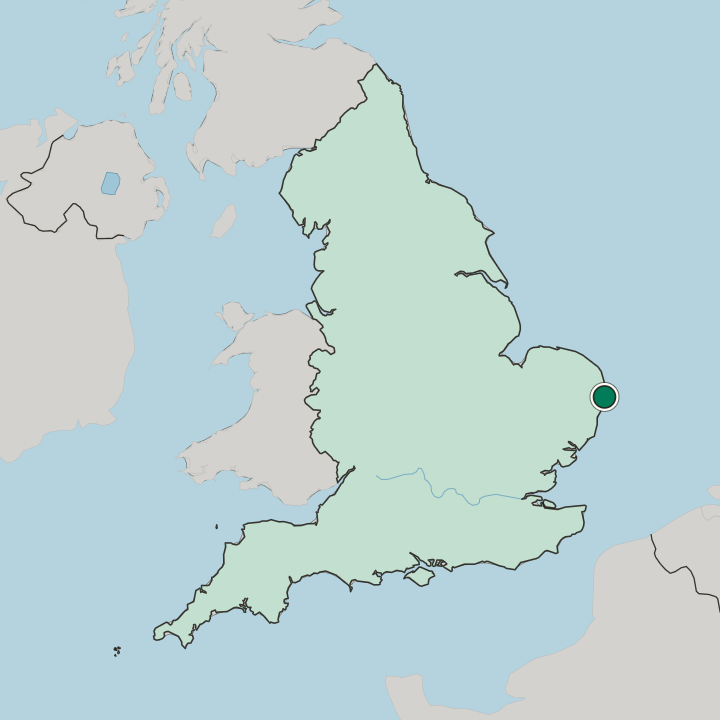
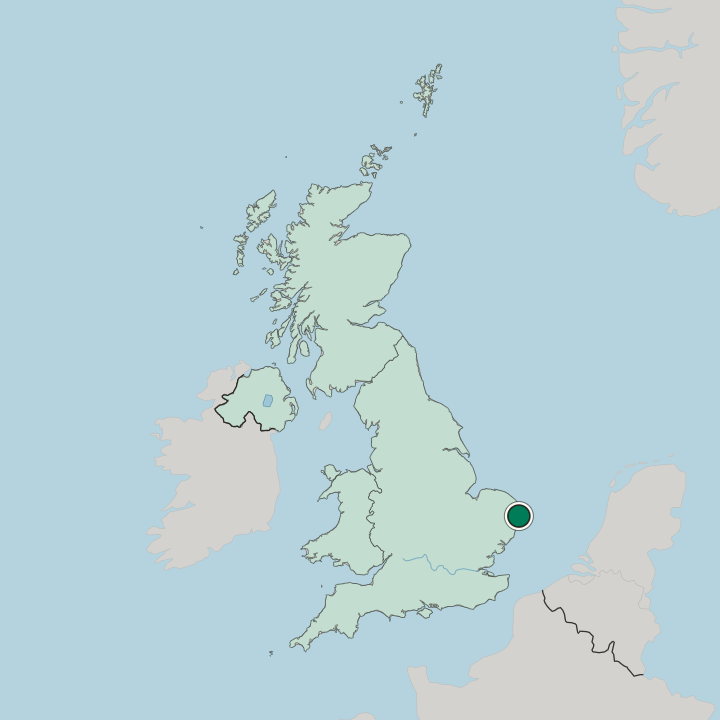
Lowestoft occupies the North Sea edge of Suffolk, where wide sandy beaches run along an exposed coast and no other settlement in the United Kingdom stands further east. Two larger cities lie inland. Ipswich sits 38 miles away and Norwich 22 miles, with Lowestoft standing north-east of the one and south-east of the other.
Suffolk's East Suffolk district takes in the town and the parishes around it.
What is the climate of Lowestoft?
The North Sea governs the weather here. Winds come off open water on an exposed coast, so the sea moderates both ends of Lowestoft's year and the beaches take the weather before the streets behind them do. The town sits in the temperate band.
Rain spreads through the year, and the exposed edge of Suffolk gives the town little shelter from whatever the North Sea sends across it.
How do you get to Lowestoft?
Roads from Norwich and Ipswich carry most arrivals. Norwich lies 22 miles off and Ipswich 38 miles, so the run in from either city is short enough to make Lowestoft a day's reach from much of Suffolk. Nothing lies further east.
Pleasurewood Hills, the museums and the beaches all sit within the built-up area, so arrivals without a car can cross the town on foot.
Common questions
What is the best area to stay in Lowestoft?
The seafront: Stays wanting the North Sea sand and the promenade at the door. High Street: Visitors drawn to Lowestoft Museum and the old frontages of High Street. Pleasurewood Hills: Families basing themselves near Pleasurewood Hills.
Good for
More cities in England
Updated October 2026