United Kingdom · England
Where to Stay in Paignton, England
Paignton is a seaside town on Tor Bay in Devon, first mentioned in 1086, with Paignton Zoo and a harbour built in 1847.
Hotel links are affiliate links: booking through them may earn us a commission, at no extra cost to you. It never affects how places are ranked. How this works


Where to stay in Paignton
Where visitors usually base themselves, and why.
The beach decides most bookings. Rooms facing Tor Bay put the sand and Splashdown Quaywest within a walk, which is the arrangement a family week in Paignton is usually built around, and the seafront keeps the shortest routes to everything the town sells itself on. The harbour is the other anchor.
Built in 1847, when this was still a fishing village, it gives the front an older edge than the holiday streets behind it. Goodrington and Preston were villages once. Both were absorbed as Paignton spread, and each still reads as a quieter address than the middle of town, which suits you if the point of the week is a slower stretch of coast rather than the busiest one.
Collaton St Mary sits back from the water. The Church of St Mary, Collaton St Mary carries that name, and Primley House, Marldon House and Lanscombe House stand among the inland streets where parking comes easier. Torquay is the third choice.
Torre Abbey, Living Coasts and the Recreation Ground, Torquay all lie in the neighbouring town of the same borough, so a base there covers the northern half of Tor Bay while leaving Paignton Zoo a short journey off.
Find hotels in Paignton
Direct booking searches for these neighbourhoods.
The Tor Bay seafront
Paignton's beach runs along Tor Bay, and Splashdown Quaywest belongs to that seafront rather than the town behind it.Find hotels in The Tor Bay seafrontThe working end of a fishing village turned resortThe 1847 harbour
Paignton's harbour was built in 1847, before the railway made the village a holiday town. Lodging is scarce in this area; reserve in advance.Find hotels in The 1847 harbourA slower week away from the middle of PaigntonGoodrington and Preston
Goodrington and Preston were separate villages before Paignton grew over them, and both keep their names. Lodging is scarce in this area; reserve in advance.Find hotels in Goodrington and PrestonInland parking near Primley House and Marldon HouseCollaton St Mary
The Church of St Mary, Collaton St Mary names this inland side, with Primley House and Marldon House among its addresses. Lodging is scarce in this area; reserve in advance.Find hotels in Collaton St MaryHotel links are affiliate links: booking through them may earn us a commission, at no extra cost to you. It never affects how places are ranked. How this works
Things to do in Paignton
Ranked by global recognition; descriptions from Wikidata (CC0).
Museums & Galleries
1- The Real Crime Museum
Churches & Religious Sites
8- Parish Church of Christ Church Heritage
- Church of St Mary, Collaton St Mary Heritage
- Parish Church of St John the Baptist Heritage
- Church of St George and St Mary Heritage
- Church of St Matthew Heritage
Show 3 more →
- Parish Church of St Luke Heritage
- Church of St John the Baptist Heritage
- Parish Church of St Andrew Heritage
Stadiums & Sports
1- Recreation Ground, Torquay
Landmarks & Notable Places
8- Primley House Heritage
- Bishop's Palace, Paignton Heritage
- Belgrave House Heritage
- Lanscombe House Heritage
- Marldon House Heritage
Show 3 more →
- Myrtle Cottage Heritage
- Pound House Heritage
- The Polsham Arms Heritage
worth knowingacross 4 categories in Paignton
About Paignton
The zoo is the headline.
What is Paignton known for?
Paignton Zoo pulls visitors from well beyond Torbay, Splashdown Quaywest covers the water-park end of a beach holiday, and Living Coasts, Torre Abbey and The Real Crime Museum spread the borough's remaining attractions between Paignton and Torquay. Then there is the sand. The English Riviera name belongs to the whole of Tor Bay, and Paignton's own stretch of it is what the holiday trade here was built on.
What are the main landmarks in Paignton?
Houses fill the middle of the list. Kirkham House, Primley House, Marldon House, Belgrave House, Lanscombe House, Pound House and Myrtle Cottage are all protected names in and around Paignton, and The Polsham Arms is the public house among them. Two memorials stand in churchyards.
The Emily Taylor Memorial and the Hogg Memorial are each recorded by their distance from a church of St Mary, while the Parish Church of Christ Church, the Parish Church of St Andrew, the Parish Church of St Luke and the Church of St Matthew carry the other dedications.
What is the history of Paignton?
The record starts early. Paignton began as a Celtic settlement and appears in writing in 1086, and the Bishop's Palace, Paignton and Kirkham House survive from the long stretch of centuries when the place was a village on Tor Bay rather than a resort on it. Torre Abbey belongs to that older Devon.
The harbour of 1847 changed the trade. A fishing village with a new harbour could work more boats, and when the railway line opened to passengers in 1859 it tied Paignton to Torquay and to London in a single stroke, which is the point at which a small Devon settlement became a town that could take holidaymakers in quantity. Goodrington and Preston were absorbed as it spread.
Both had been villages of their own. Torbay came last. The borough was created in 1968 out of Paignton, Torquay and Brixham, which is why one coast is sold under the English Riviera name and why Torre Abbey, Living Coasts and the Recreation Ground, Torquay turn up on Paignton's list of places.
Parish dedications survived all of it. The Church of St John the Baptist, the Parish Church of St John the Baptist, the Church of St George and St Mary, the Parish Church of St Luke and the Church of St Mary, Collaton St Mary still divide the same ground between them.
Where is Paignton?
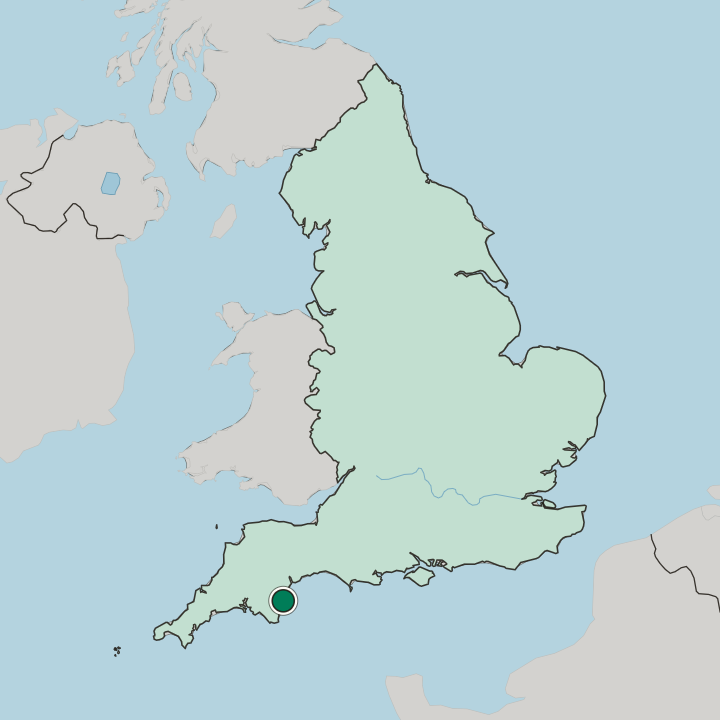
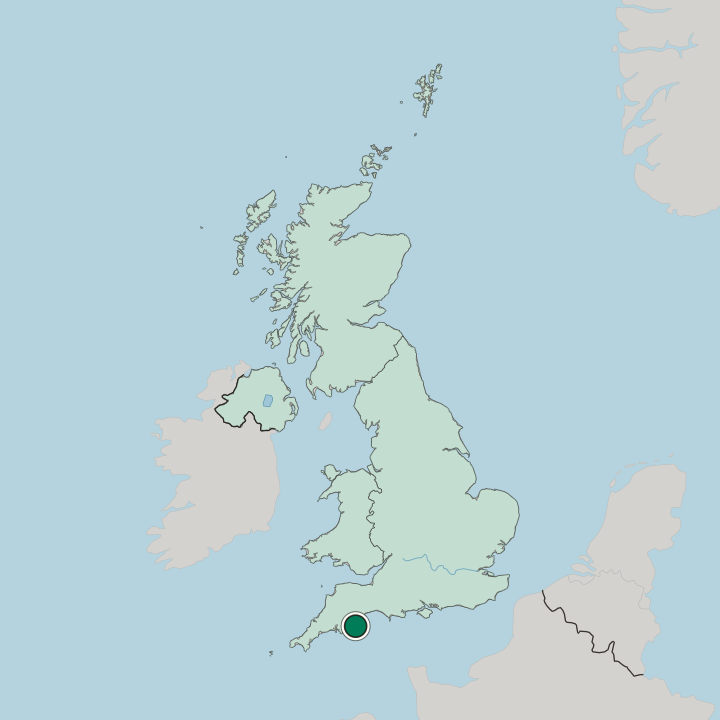
The bay does the arranging. Paignton faces Tor Bay on the South Devon coast, roughly 25 miles north east of Plymouth and 20 miles south of Exeter, with Torquay and Brixham sharing the same water inside the borough of Torbay. Two former villages lie within the town.
Goodrington and Preston were separate places before it spread over them, and the Church of St Mary, Collaton St Mary carries a third village name away from the shore.
What is the climate of Paignton?
Tor Bay keeps the winters soft. The English Riviera name belongs to this piece of coast, and Paignton's year runs mild and damp rather than extreme, with the sea taking the edge off the cold months and off the warm ones alike. Rain comes in off the water.
Paignton Zoo, Torre Abbey and The Real Crime Museum absorb a wet day between them, and Splashdown Quaywest hardly minds one.
How do you get to Paignton?
The railway opened to passengers in 1859. That line put Paignton within reach of Torquay and of London, and it still shapes how the town is entered, while by road Paignton lies 20 miles south of Exeter and around 25 miles north east of Plymouth. The harbour came first.
Built in 1847, it served the fishing village before holidaymakers began arriving by train.
Common questions
What is the best area to stay in Paignton?
The Tor Bay seafront: Sand and Splashdown Quaywest on the same walk. The 1847 harbour: The working end of a fishing village turned resort. Goodrington and Preston: A slower week away from the middle of Paignton. Collaton St Mary: Inland parking near Primley House and Marldon House.
Good for
More cities in England
Updated October 2026