Iran
Alborz Province, Iran — Towns & Travel Guide
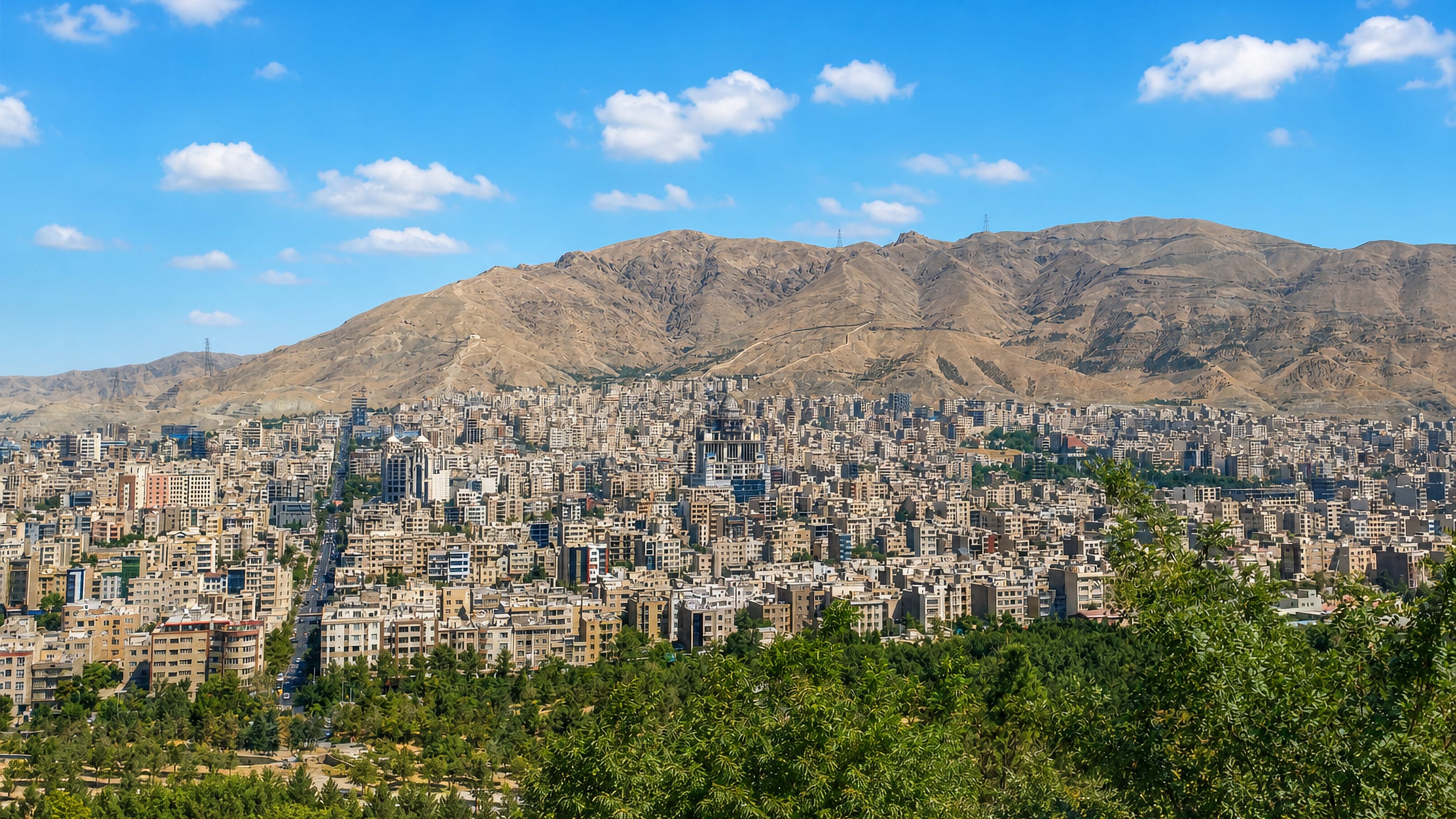
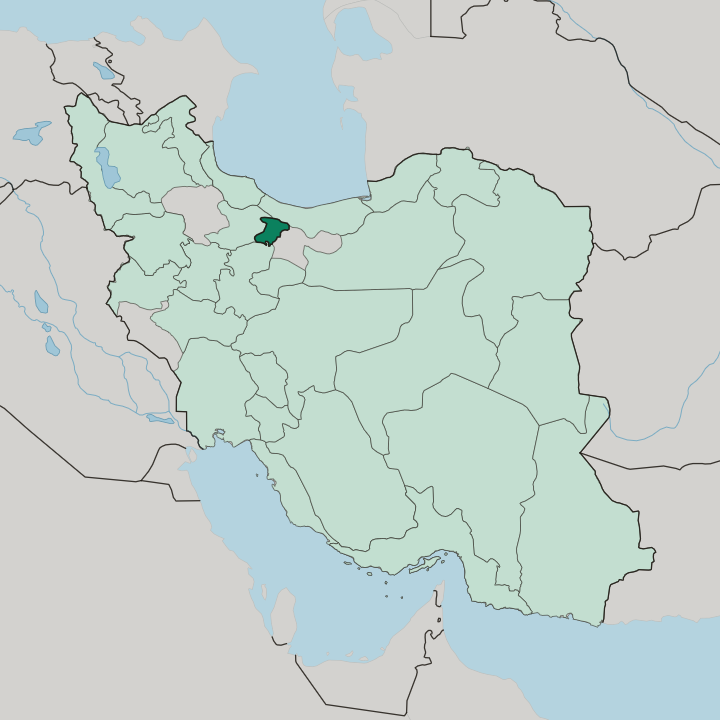
Iran's smallest province wraps around Karaj, just west of Tehran, its north climbing into the Alborz mountains toward the Caspian.
Find your area →


Towns & cities in Alborz Province
Pick a town or city — each links to where to stay.

 Iran
Iran
Karaj
Karaj is a city of northern Iran at the foot of the Alborz mountains, the capital of Alborz province, an industrial town on the Karaj River west of Tehran.Where to stay →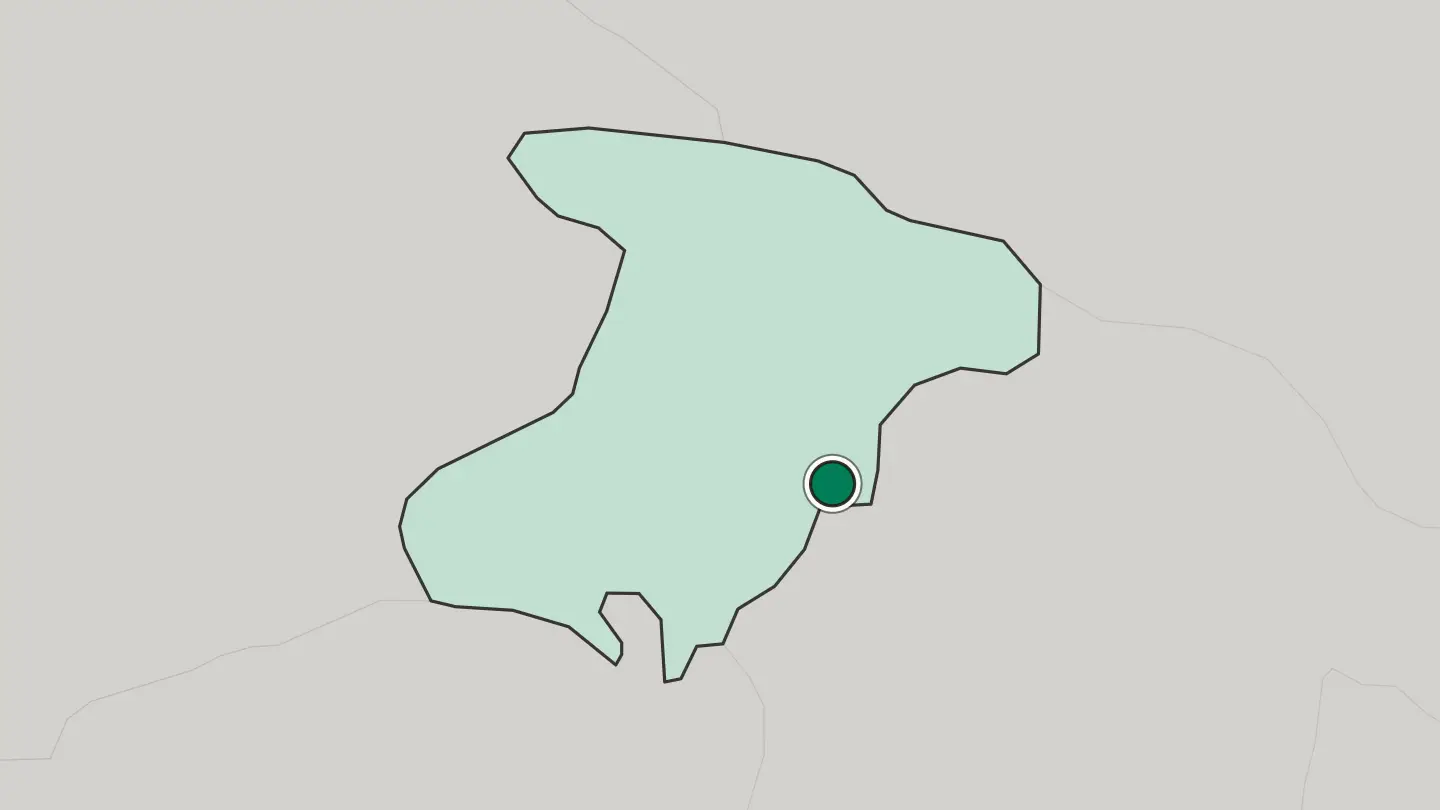 Iran
Iran
Hashtgerd
Hashtgerd is a city of Alborz province, Iran, capital of Savojbolagh County and its Central District, 68 kilometres west of Tehran.Where to stay →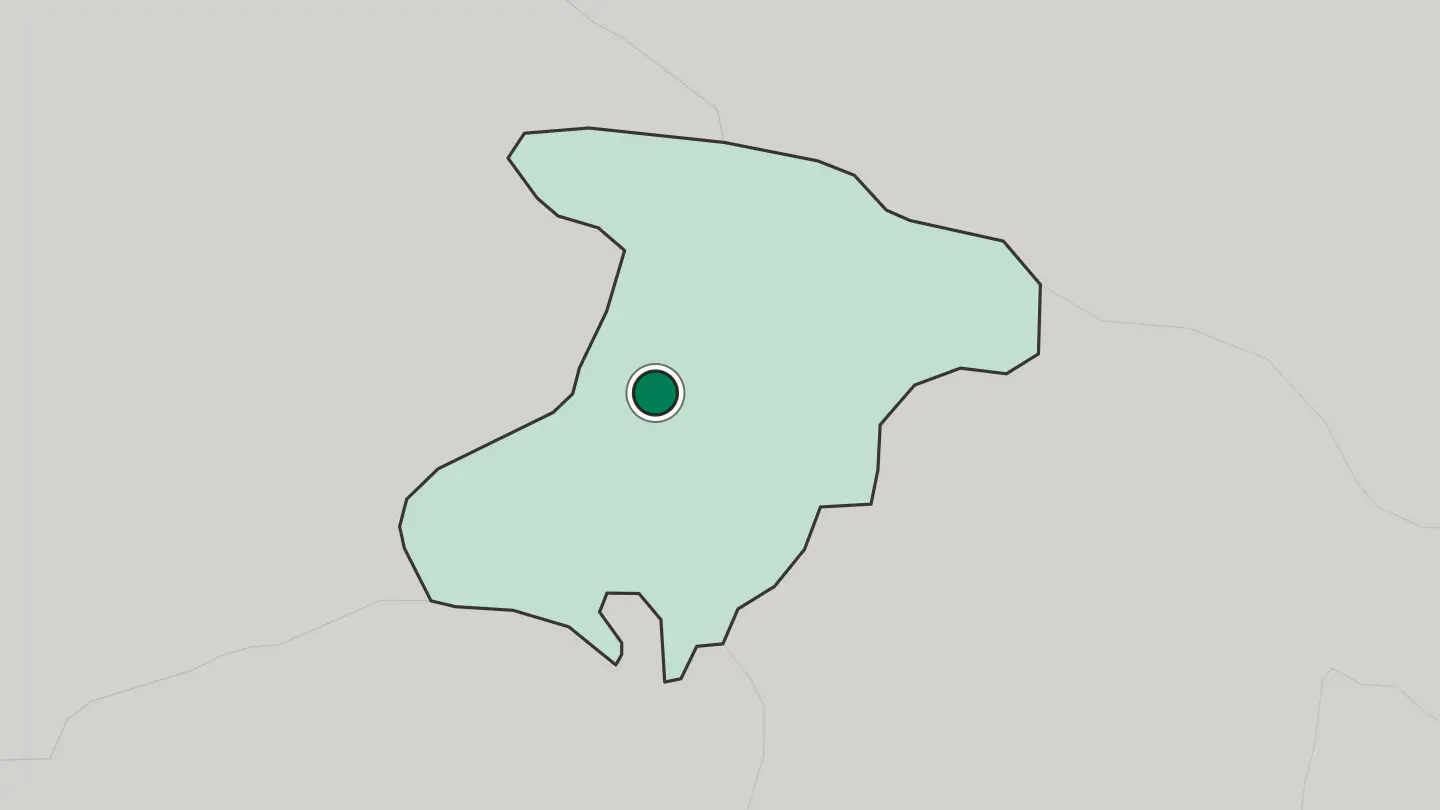
About Alborz Province
What is Alborz Province known for?
Karaj anchors the province, a sprawling industrial city 40 km west of Tehran. Mountains define the rest. The Alborz range walls off the north, and the Karaj-Chalus road threads through it toward the Caspian Sea, passing the green reservoir behind the Amir Kabir Dam.
Dizin, opened in 1969 as Iran's first international ski resort, draws skiers to slopes above the treeline. Taleghan's valley of old stone villages lies to the west.
Where is Alborz Province?
Alborz is the smallest of Iran's provinces, a compact wedge of land pressed against the western edge of Tehran. Karaj, its capital, sits roughly 40 km west of central Tehran, at the exact point where the flat plain gives out and the wall of mountains begins to climb. The province takes its name from the Alborz range, which fills its northern two-thirds with ridges, gorges, and high pasture.
Damavand and the Caspian shore lie beyond its northern border, in Mazandaran. To the south the land flattens and dries into the salt-flecked plain around Eshtehard. Qazvin Province borders it on the west, Markazi lies to the south, and Tehran Province presses against the whole eastern edge. Water comes down from those heights.
The Karaj River rises among the northern peaks and runs south through a deep gorge, where the Amir Kabir Dam holds back a green reservoir prized by canoeists and anglers. Farther west, the Taleghan River feeds its own dam and lake in a valley of old villages. These rivers water the orchards and farmland of the lowland south, and they supply much of the drinking water for Karaj and neighbouring Tehran.
The Chalus road follows the Karaj River's canyon north, climbing over the range to reach the Caspian Sea in Mazandaran. One of Iran's great mountain drives.
What is Alborz Province like?
Life in Alborz splits between the crowded lowland and the empty heights. Karaj holds most of the people, a working city of factories, apartment blocks, and families who commute into Tehran. Migrants have come from every corner of Iran, drawn by work, and its streets carry accents, dialects, and kitchens from far-off provinces.
Persian is the common tongue, as it is across the country. The city's older identity is agricultural: the college of farming founded here in 1917 became the University of Tehran's agriculture faculty, and research farms still ring the town. Mountains set the weekend rhythm.
On Fridays the Chalus road fills with cars from Tehran, bound for cooler air, riverside kebab stands, and the ski lifts at Dizin. Taleghan draws a different crowd, back to ancestral stone villages set among walnut and cherry orchards. That single valley has sent an unusual number of scholars, clerics, and political figures into Iranian public life.
Between the two poles sits ordinary provincial Iran. Markets, mosques, and old tea houses fill the ordinary towns of the plain. It is a place people pass through, and a place they quietly retreat to.
What is the history of Alborz Province?
As a province, Alborz is barely a teenager, carved out of Tehran Province in 2010. Its land is far older. Karaj guarded the road between Tehran and Qazvin under the Safavids, and in 1810 the Qajar prince Soleyman Mirza raised a summer palace, the Soleymaniyeh, on the Karaj River.
Bronze Age villagers had worked these foothills long before, leaving the mounds of Tepe Khurvin. The modern city grew from a farming school founded in 1917.
What is the climate of Alborz Province?
In Alborz Province, how high you stand sets the season you meet. Karaj and the lowland south are cold and semi-arid, with dry summers and modest winter rain, a touch cooler than neighbouring Tehran. Climb into the Alborz and everything changes.
The northern heights catch heavy snow that lingers for months and keeps the Dizin slopes open deep into spring. That same snowpack feeds the Karaj River through the dry season. The plain around Eshtehard, by contrast, edges toward true desert.
How do you get to Alborz Province?
Nearly everyone arrives through Tehran. The capital's two airports, Imam Khomeini International and Mehrabad, are the province's real entry points, and Karaj lies only a short hop to the west of them. Tehran Metro Line 5 runs out to Karaj, and the main railway toward Tabriz and Turkey stops there too.
Drivers take Freeway 2, the Tehran-Tabriz motorway, or shared taxis that leave the capital all day. From the north, the Chalus road drops down from the Caspian coast through the mountains into Karaj.
Common questions
What is the best area to stay in Alborz Province?
Karaj: arriving straight from Tehran.
Good for
More regions in Iran
Updated September 2026