Japan
Yamanashi, Japan — Towns & Travel Guide
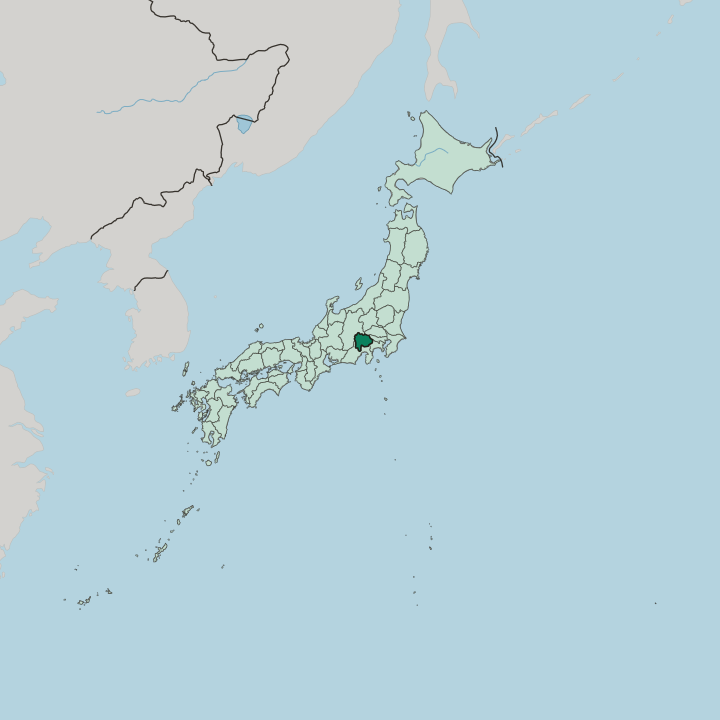
Yamanashi is a landlocked prefecture west of Tokyo, filling the mountains between Mount Fuji and Japan's Southern Alps.
Hotel links are affiliate links: booking through them may earn us a commission, at no extra cost to you. It never affects how places are ranked. How this works


Towns & cities in Yamanashi
Pick a town or city — each links to where to stay.

 Japan
Japan
Kofu
Kofu is the capital of Yamanashi Prefecture, a city of prefectural museums, castle ground and a two-hundred-square-kilometre spread.Where to stay →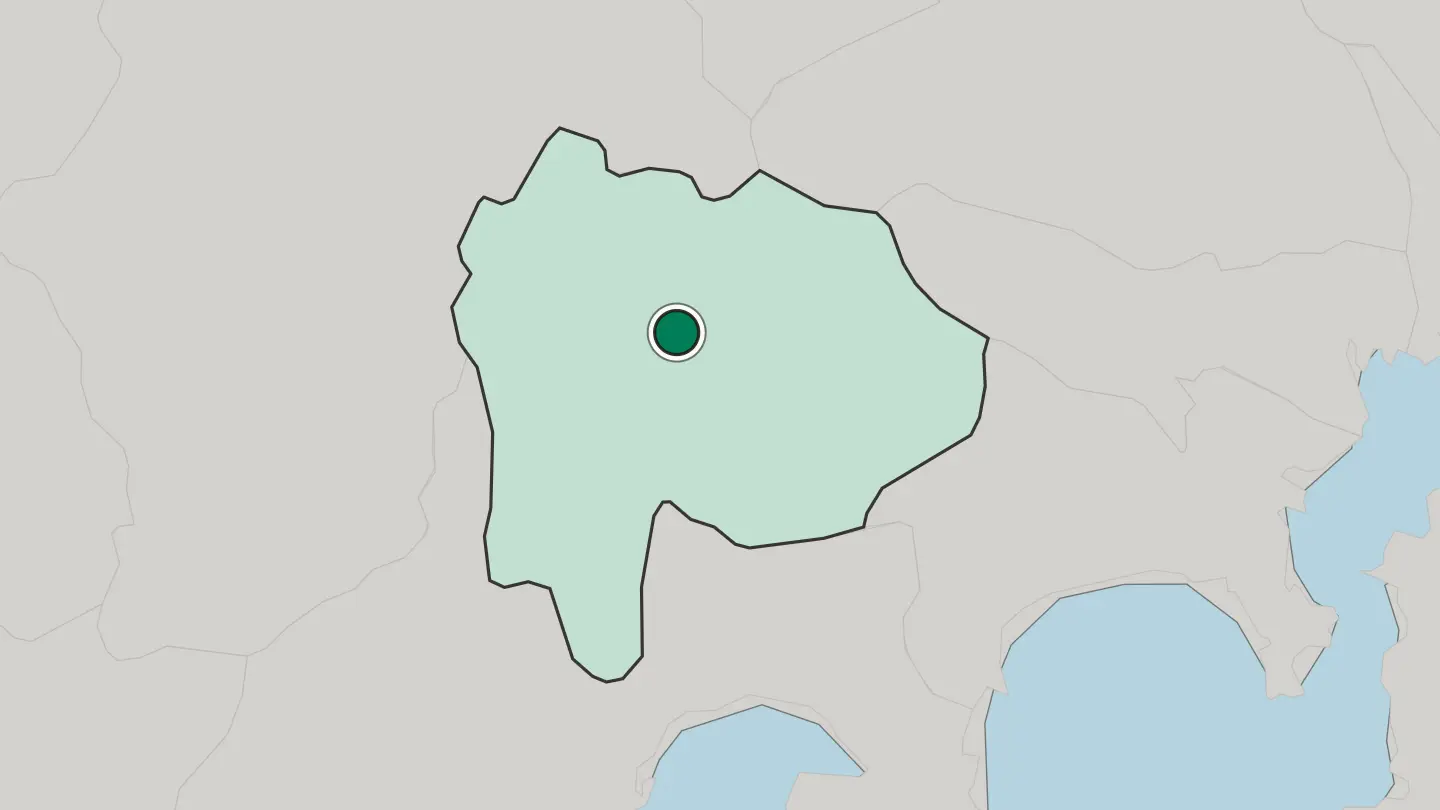 Japan
Japan
Minami-Alps
Minami-Alps is a Yamanashi Prefecture city created in 2003, its name picked from public entries, spread across 264 square kilometres.Where to stay →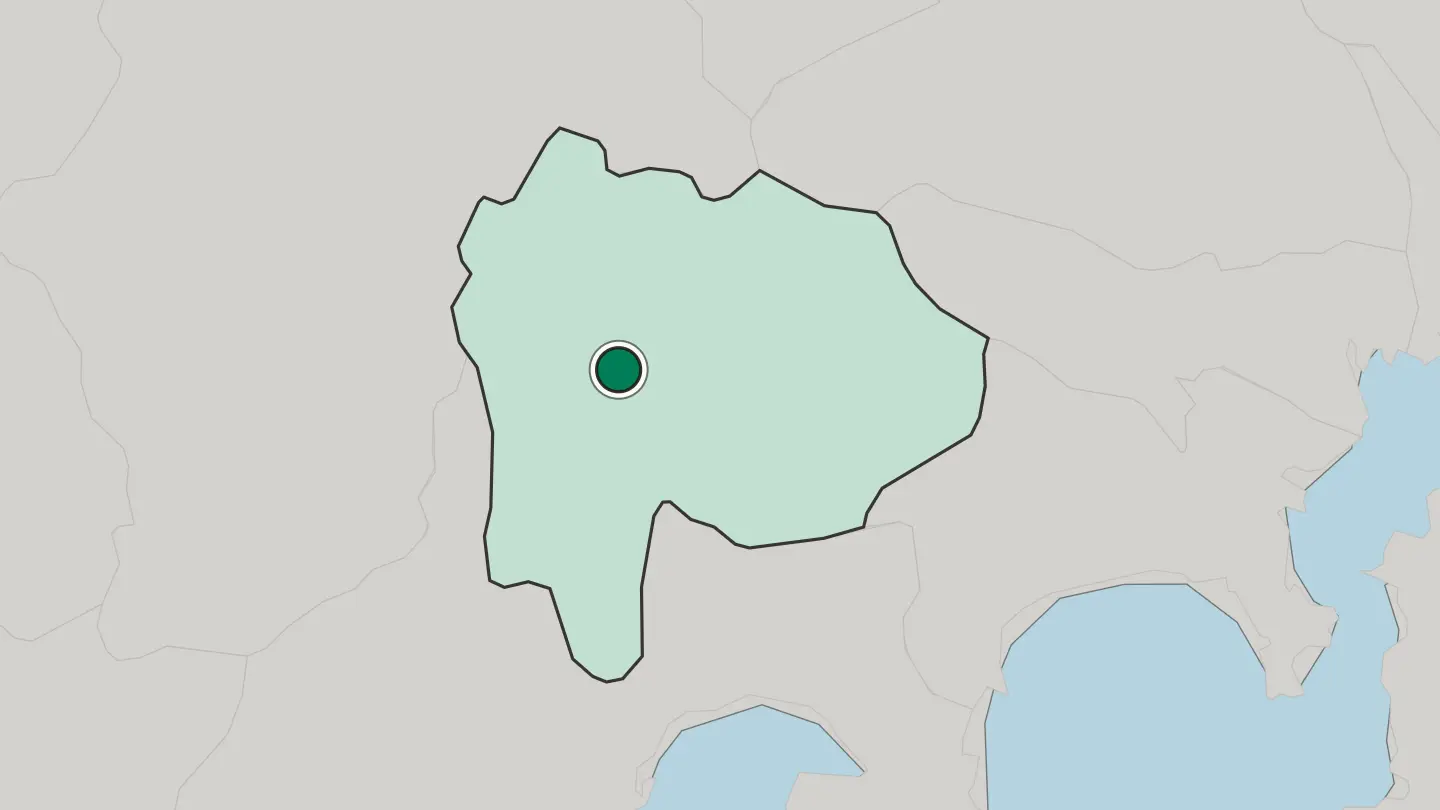
Hotel links are affiliate links: booking through them may earn us a commission, at no extra cost to you. It never affects how places are ranked. How this works
About Yamanashi
Two mountains define the prefecture.
What is Yamanashi known for?
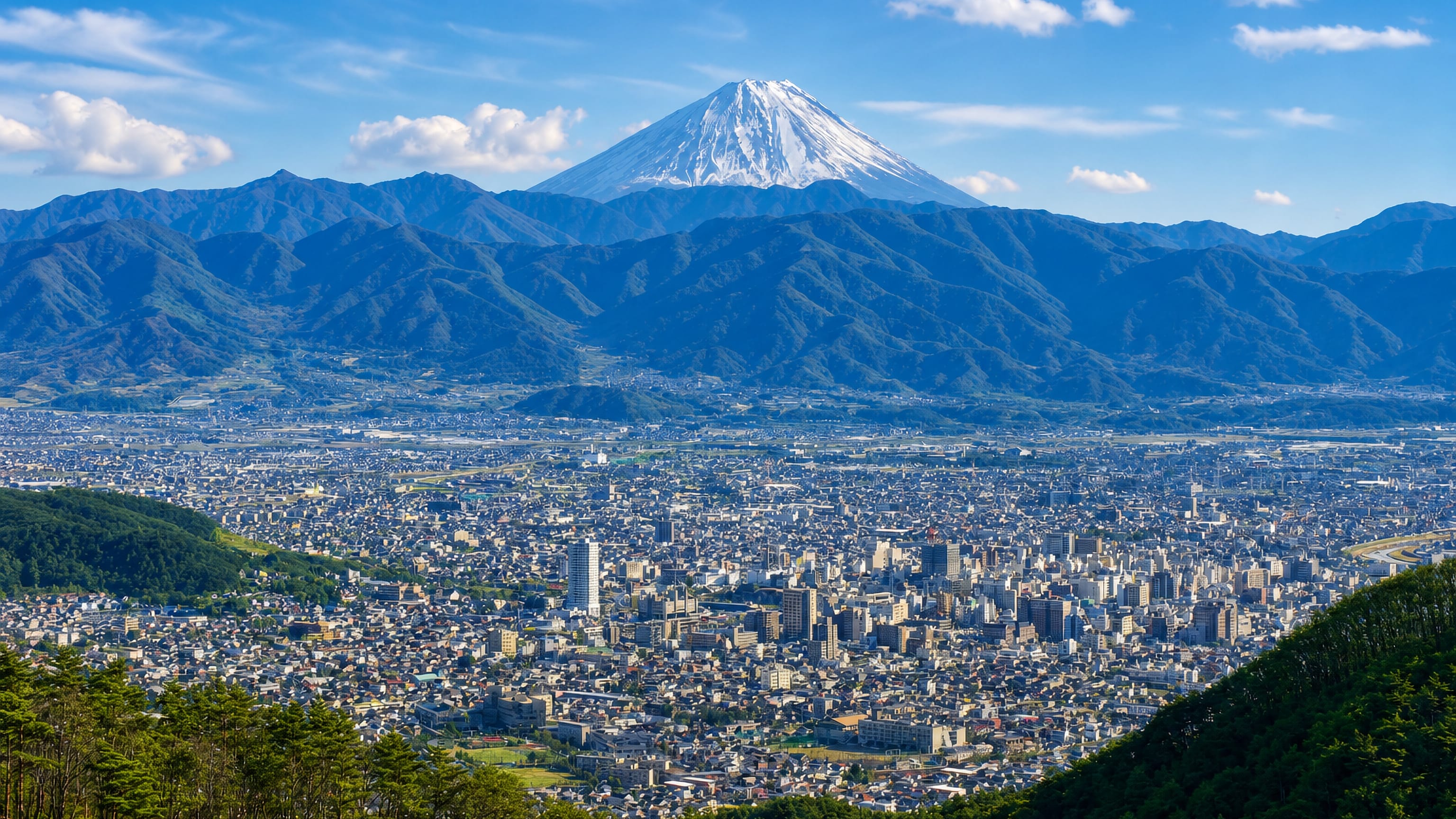
Mount Fuji rises on the southern border with Shizuoka, and the Fuji Five Lakes spread across the plateau at its northern foot, the classic spot for a reflected view of the cone. Kōfu sits in the basin at the centre, the old castle town of the Takeda clan. Wine is the other signature, pressed from Kōshū grapes in the Katsunuma vineyards east of the city.
Peaches and grapes ripen across the same sunlit valleys. The Southern Alps wall off the west.
Where is Yamanashi?
Yamanashi sits in central Honshū, in the Chūbu region, a short way west of Tokyo. It is one of only eight landlocked prefectures in Japan, with no coastline at all. Mountains ring it on every side.
Most of the land is upland forest, and the people, the vineyards and the towns crowd into the Kōfu Basin, a flat bowl in the middle where the capital Kōfu stands. Nagano flanks the north-west, Saitama the north-east, and Kanagawa the south-east, but the ridgelines, not roads, mark most of those edges. The rest climbs steeply toward some of the highest ground in the country. Mount Fuji straddles the southern boundary, shared with Shizuoka, and the Fuji Five Lakes lie along its northern base inside the prefecture.
The western wall is the Akaishi Mountains, the Southern Alps, where Mount Kita rises as the second-highest peak in Japan after Fuji itself and marks the border with Nagano. Forest covers most of what lies between, and more than a quarter of the prefecture is protected as natural parkland. Rivers gather the snowmelt off these ranges.
The Fuji River collects them from the basin and cuts south through Shizuoka to reach the Pacific at Suruga Bay. Water leaves Yamanashi in only one direction.
What is Yamanashi like?
Wine is what sets the prefecture apart. Katsunuma, in the hills of Kōshū east of the capital, is the birthplace of Japanese winemaking, and dozens of small wineries there press the native Kōshū grape, a pale variety grown in the country since the Heian period. The same long hours of sunshine that ripen those grapes fill the Kōfu Basin with orchards.
Peaches and table grapes are the great local crops. Around Fuefuki the valley floors turn pink with peach blossom in spring, and roadside stands sell the fruit through the warm months. History here is bound up with one man.
Takeda Shingen, the warlord who ruled the old province from Kōfu, is still the figure the prefecture claims as its own, honoured at the Takeda shrine on the site of his fortified residence. His name attaches even to the food. Hōtō, the local comfort dish of flat wheat noodles stewed with pumpkin and vegetables in miso broth, is said to have fed his armies in the field.
Religion has shaped the prefecture as well. On Mount Minobu in the south stands Kuon-ji, the head temple of the Nichiren school of Buddhism, a place of pilgrimage set among tall cedars.
What is the history of Yamanashi?
The prefecture was Kai Province for most of its recorded past, a name written into Japan's oldest chronicles. Its great age came in the sixteenth century under Takeda Shingen, who ruled Kai from Kōfu and pushed his armies into neighbouring Shinano and Suruga before the clan fell to Oda Nobunaga. The old domain became Yamanashi Prefecture in 1871, when the feudal han were swept away.
Kai still names the land in a hundred small ways.
What is the climate of Yamanashi?
Being landlocked and ringed by mountains gives Yamanashi a sharp inland climate. Summers in the Kōfu Basin are hot and close, winters cold and clear, and the gap between day and night can be wide. Mount Fuji and the Southern Alps throw a long rain shadow over the basin, leaving the prefecture among the driest and sunniest corners of Japan.
That dryness suits the vineyards. Snow settles on the high peaks long after the valley orchards have flowered.
How do you get to Yamanashi?
There is no airport and no coast, so nearly everyone comes overland from Tokyo. The JR Chūō Main Line runs west from Shinjuku, and the limited express Kaiji reaches Kōfu in about ninety minutes, while the Azusa carries on toward Nagano. For Mount Fuji and the lakes, change at Ōtsuki onto the Fujikyū Railway up to Lake Kawaguchi.
Drivers take the Chūō Expressway along the same corridor. The mountains funnel every route through a handful of valleys.
Common questions
What is the best area to stay in Yamanashi?
Kōfu: wine country and Southern Alps trailheads. Lake Kawaguchi: a window onto Mount Fuji. Katsunuma: a night in the vineyards. Minobu: a temple-mountain pilgrimage.
Good for
More regions in Japan
Updated September 2026